
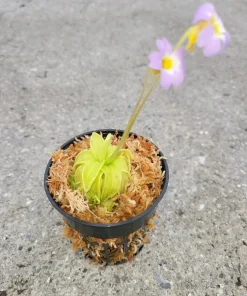
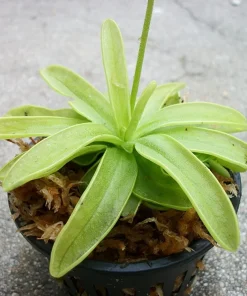
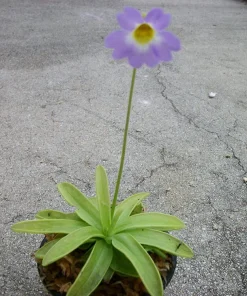
Carnivorous Primrose Butterwort Pinguicula Primuliflora Live Plant 3 inch Pot Indoor/Outdoor
Original price was: $80.99.$55.99Current price is: $55.99.
Bring home a fascinating Pinguicula Primuliflora live plant, also known as the Primrose Butterwort plant. This unique carnivorous specimen is ideal for both indoor and outdoor settings, offering natural insect control and captivating beauty. Shipped in a 3-inch pot, ready to thrive in your collection.
Estimated arrival
Sep 28
Oct 03 - Oct 05
Oct 08 - Oct 12
Shop With Confidence
30-Day Plant Health Guarantee
Arrives damaged? We’ll replace it free — see our return policy.
Responsive Support
Email us anytime, we reply within 1 business day.
Expert Packaging
Temperature-controlled shipping to protect your plants in transit.
Secure Checkout
Pay safely with Visa, Mastercard, PayPal.
Plant Specifications
-
USDA Hardiness Zone
10 -
Soil Type
Peat-based, acidic, nutrient-poor -
Sunlight Exposure
Medium Sun -
Expected Planting Period
Year-round indoors
Overview
Introduce a touch of the exotic to your collection with the stunning Pinguicula Primuliflora live plant. Commonly known as the Primrose Butterwort, this unique carnivorous plant is celebrated for its beautiful, sticky leaves that efficiently trap small insects. Originating from the southeastern United States, this species thrives in boggy, humid environments, making it a captivating addition to a terrarium or a humid indoor setting. Each plant is a healthy, established specimen, ready to display its remarkable insect-catching abilities. Perfect for both seasoned carnivorous plant enthusiasts and curious beginners, the Pinguicula Primuliflora live plant offers an engaging and low-maintenance botanical experience.
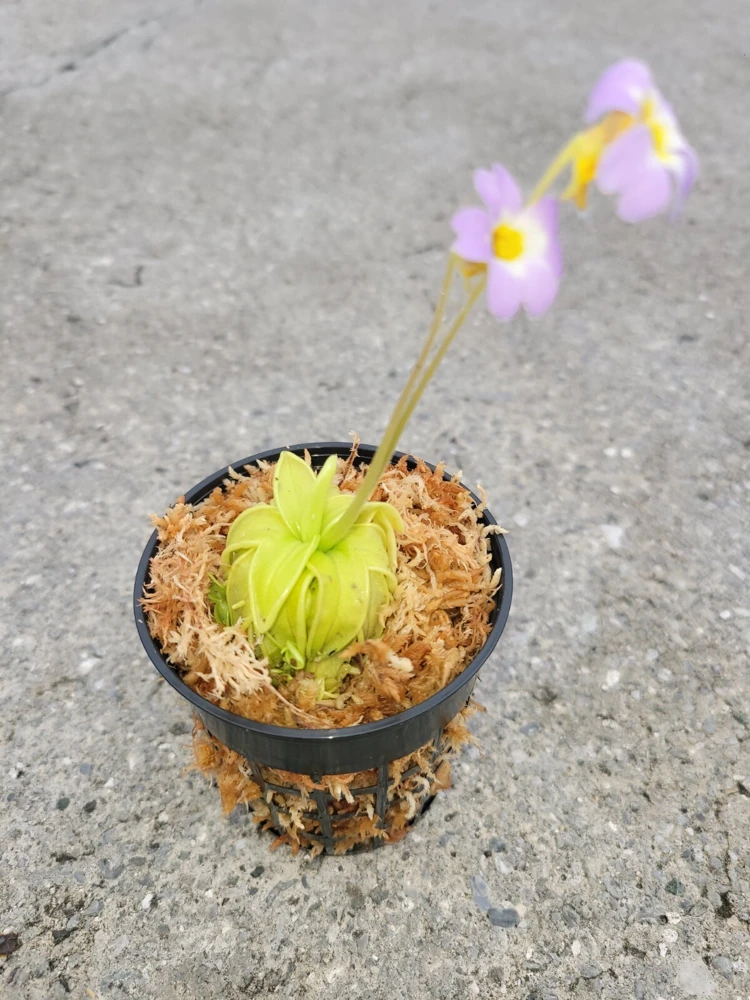
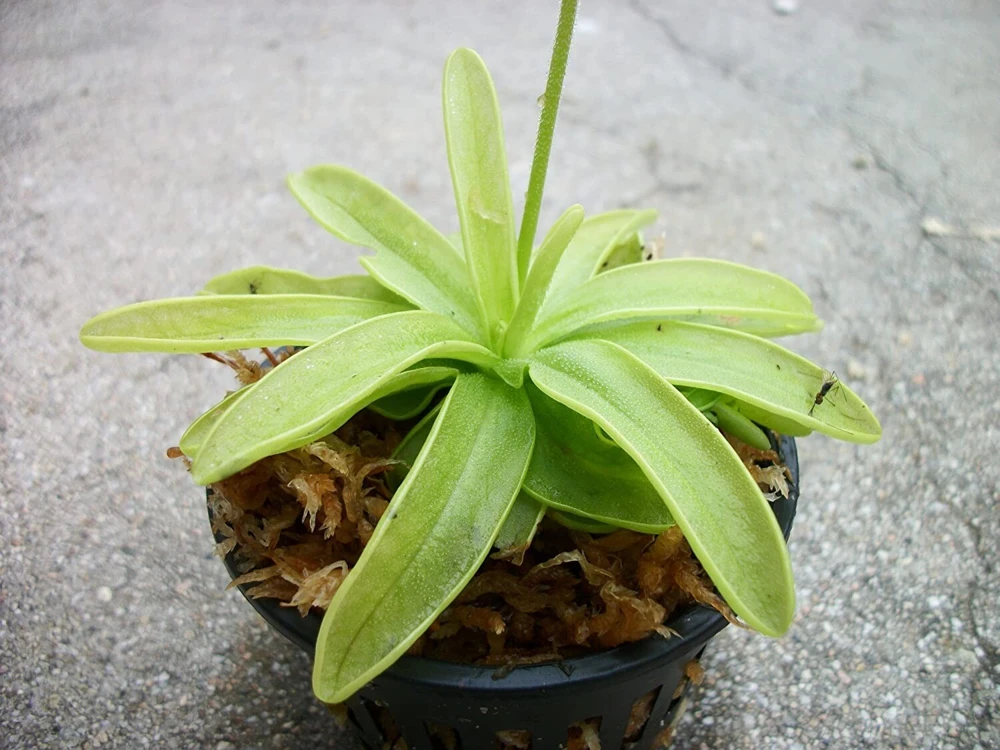
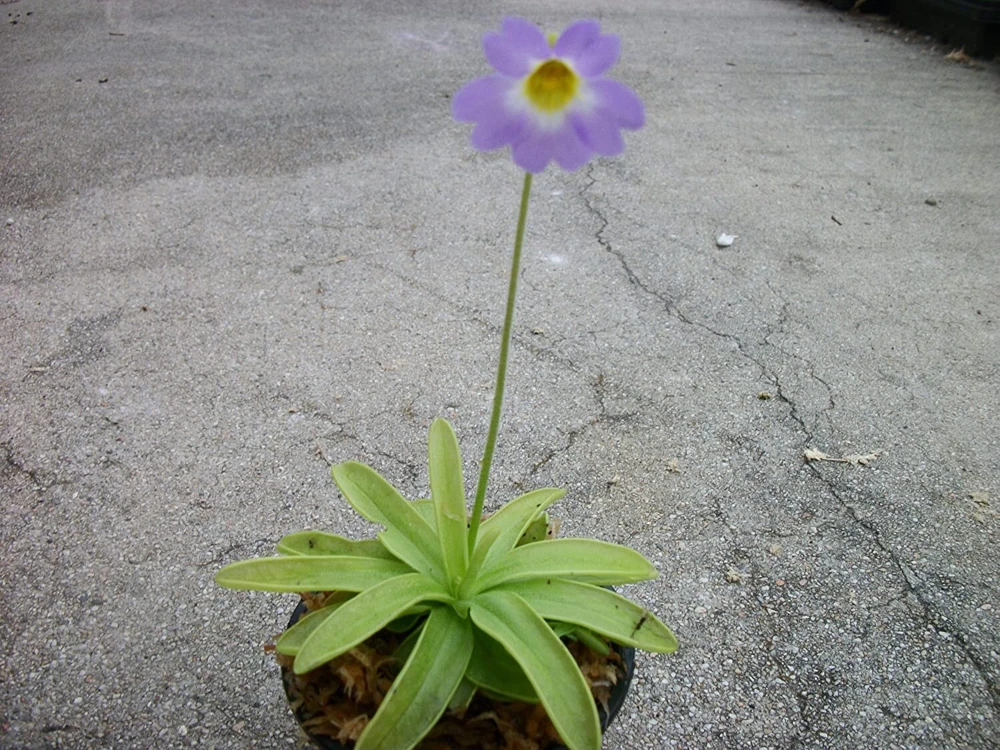
The Primrose Butterwort plant (Pinguicula Primuliflora) is a perennial carnivorous herb that forms a rosette of pale green, somewhat fleshy leaves. These leaves are covered with tiny glandular hairs that secrete a mucilaginous substance, acting as a natural flypaper to attract and trap small gnats, fruit flies, and other bothersome insects. Beyond its predatory prowess, it also produces charming, primrose-like flowers, typically in shades of purple or white, adding to its allure. This particular offering provides a robust plant in a 3-inch pot, ensuring a strong start in its new home.
Key Benefits
The Pinguicula Primuliflora live plant offers a range of unique benefits, making it a desirable addition to any plant enthusiast’s collection. Its natural insect control capabilities are particularly appealing, while its aesthetic charm and ease of care further enhance its value.
- Natural Insect Control: The sticky leaves of the Pinguicula Primuliflora live plant effectively trap and digest small flying insects like gnats and fruit flies, acting as a natural pest control solution without the need for chemicals.
- Exotic Aesthetic Appeal: With its vibrant green rosette and delicate, primrose-like flowers, this carnivorous butterwort adds a unique and fascinating visual element to any indoor or outdoor plant display.
- Low Maintenance: Compared to many other carnivorous plants, the Primrose Butterwort plant is relatively easy to care for, making it suitable for both novice and experienced growers.
- Educational Value: Observing the carnivorous nature of this plant provides an excellent educational opportunity, especially for children, showcasing the wonders of the plant kingdom.
- Adaptable Growth: This species is adaptable to both indoor terrariums and suitable outdoor bog gardens, offering flexibility in where it can be grown.
- Unique Flowering: Beyond its insect-trapping leaves, the Pinguicula Primuliflora produces attractive purple or white flowers that resemble primroses, enhancing its ornamental value.
- Air Purification: Like many plants, it contributes to a healthier indoor environment by absorbing carbon dioxide and releasing oxygen.
Plant Care & Growing Tips
Caring for your Pinguicula Primuliflora live plant is straightforward once you understand its specific needs. These plants thrive in conditions that mimic their natural boggy habitats. Proper sunlight, watering, and soil composition are crucial for their health and predatory success. For optimal growth, ensure consistent moisture and appropriate light exposure.
Sunlight Requirements: The Primrose Butterwort prefers medium to bright indirect sunlight. If grown indoors, an east-facing window is ideal, providing gentle morning sun. Avoid harsh, direct afternoon sun which can scorch its delicate leaves. Outdoors, a location with dappled shade or morning sun and afternoon shade is best. While it can tolerate some direct sun, too much can lead to stress and leaf burn. Adequate light is essential for the plant to develop its vibrant coloration and sticky secretions.
Watering Schedule and Soil Moisture: These plants require consistently moist, almost wet, soil. The best method for watering is the tray method: place the potted plant in a tray of distilled water, rainwater, or reverse osmosis water, allowing the plant to wick up moisture from the bottom. Never use tap water as the minerals can harm the plant over time. Keep the tray filled with about 1 inch of water. During cooler months, you can allow the tray to dry out briefly between waterings, but never let the soil completely dry out. Heavy watering is generally preferred to maintain the necessary humidity and soil moisture.
Soil Type and Drainage Requirements: A crucial aspect of carnivorous butterwort care is the soil mix. Pinguicula Primuliflora requires a very specific, nutrient-poor, acidic soil. A common mix is a combination of peat moss and perlite or coarse sand, typically in a 1:1 or 2:1 ratio. Avoid standard potting soil as it contains fertilizers and minerals that are toxic to carnivorous plants. Good drainage is not a primary concern in the traditional sense, as these plants prefer bog-like conditions; however, the mix should not become compacted, which is where perlite or sand helps maintain aeration while retaining moisture. The soil pH should be acidic.
Temperature Range and USDA Hardiness Zone: This species is tropical and generally prefers warm temperatures. It can tolerate temperatures between 60°F and 85°F (15°C to 29°C). The USDA Hardiness Zone for Pinguicula Primuliflora is typically 10. While it can be grown outdoors in these zones, it is often cultivated as an indoor plant due to its specific humidity requirements and sensitivity to frost. Protect it from temperatures below 40°F (4°C).
Fertilization Schedule and Type: Carnivorous plants like the Primrose Butterwort plant derive their nutrients primarily from the insects they catch. Therefore, they do not require traditional soil fertilization. In fact, fertilizers can quickly kill them. If your plant is not catching enough insects, you can occasionally feed it a small, dead insect (like a fruit fly) directly onto its leaves. Avoid foliar feeding or applying any liquid fertilizers to the soil.
Common Problems and Solutions: Yellowing leaves can indicate too much direct sun or mineral buildup from tap water. Move to a shadier spot or flush with distilled water. Lack of stickiness often means insufficient light or humidity. Increasing both can help. Fungal issues can arise from stagnant air; ensure good air circulation. If you’re wondering about growing Pinguicula Primuliflora successfully, remember that consistency in its specific environment is key.
Size & Details
This offering features a healthy Pinguicula Primuliflora live plant, carefully cultivated and ready for its new home. Each plant is supplied in a 3-inch nursery pot, providing a well-established root system and a compact size that is perfect for immediate display or transplanting into a larger terrarium or bog garden. At maturity, these Primrose Butterworts typically form rosettes that can span 3-5 inches in diameter, making them a delightful desk-friendly or shelf-dwelling specimen. They exhibit a moderate growth rate, gradually expanding their rosette and producing new leaves throughout the growing season.
The plant will arrive as a potted specimen, nestled securely in its container to minimize stress during transit. While the exact height and width may vary slightly depending on the individual plant, you can expect a robust and vibrant specimen ready to thrive. With proper care, you can anticipate charming flowers to emerge during its blooming period, adding an extra layer of beauty to this already captivating carnivorous plant. This size is ideal for those looking to buy carnivorous plant specimens that are already past the seedling stage.
Frequently Asked Questions
- Q: How big does this plant get? A: The Pinguicula Primuliflora live plant typically forms a rosette that can reach 3 to 5 inches in diameter at maturity, making it a compact and manageable carnivorous plant.
- Q: What size pot does it come in? A: Each Primrose Butterwort plant is shipped in a 3-inch nursery pot, ensuring it has a well-established root system and is ready for display or further planting.
- Q: Is this an indoor or outdoor plant? A: This plant is versatile and can be grown both indoors and outdoors. It thrives indoors in terrariums or humid environments, and outdoors in USDA Zone 10 in boggy conditions.
- Q: How much sunlight does it need? A: The Pinguicula Primuliflora live plant prefers medium to bright indirect light. Avoid harsh, direct afternoon sun, which can scorch its leaves. Morning sun or dappled shade is ideal.
- Q: Is this plant easy to care for? A: Yes, compared to many other carnivorous plants, the Primrose Butterwort is considered relatively easy to care for, making it a good choice for beginners interested in carnivorous butterwort care.
- Q: What condition will it arrive in? A: Your plant will arrive as a live, healthy, potted specimen, carefully packaged to ensure its safety and vitality during transit.
- Q: Can it help with household pests? A: Absolutely! The sticky leaves of the Primrose Butterwort are highly effective at trapping small flying insects like gnats and fruit flies, providing natural pest control.
- Q: What’s the minimum temperature it can tolerate? A: This tropical species needs protection from temperatures below 40°F (4°C). It thrives in warmer conditions, typically between 60°F and 85°F.
- Q: When is the best time to plant? A: Since this is a potted live plant, it can be planted or repotted year-round when grown indoors. If planting outdoors in suitable zones, spring is generally the best time.
- Q: How do I ensure I’m growing Pinguicula Primuliflora correctly? A: Provide consistent moisture with distilled or rainwater, bright indirect light, and an acidic, nutrient-poor soil mix (like peat and perlite). Avoid tap water and fertilizers.
Be the first to review “Carnivorous Primrose Butterwort Pinguicula Primuliflora Live Plant 3 inch Pot Indoor/Outdoor”
People Also Viewed
Houseplants
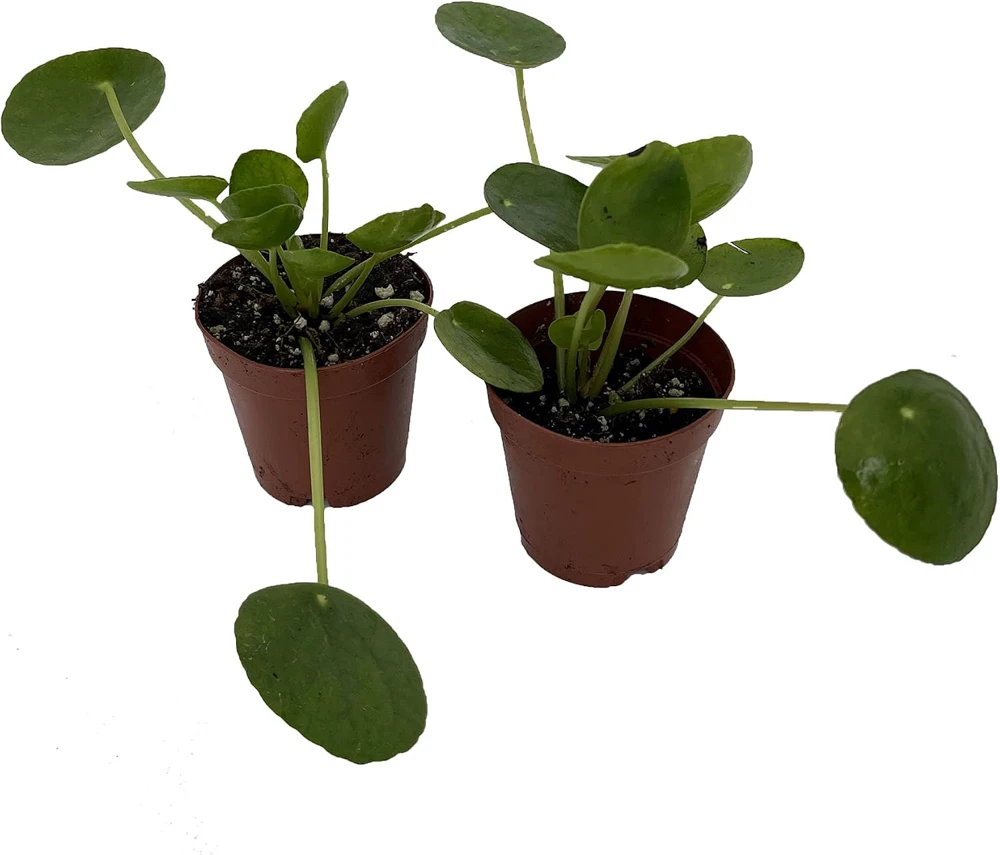
Chinese Money Plant – Pilea peperomioides Live Plants – 2 Plants in 2″ Pots – Indoor Houseplant
Fruits
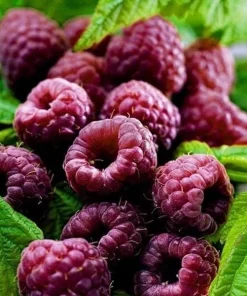
Glencoe Raspberry Live Plant – Purple Summer Fruiting – Spine-Free Canes – Outdoor Edible Shrub
Vegetable Seeds
Yellow Cheese Pimento Pepper Seeds – 50 Sweet Capsicum Annuum
Flowers
Jasmine Sambac Orleans Live Plant – Highly Fragrant White Flowers, 4-6 Inch Tall, Indoor/Outdoor
Reviews
There are no reviews yet.