
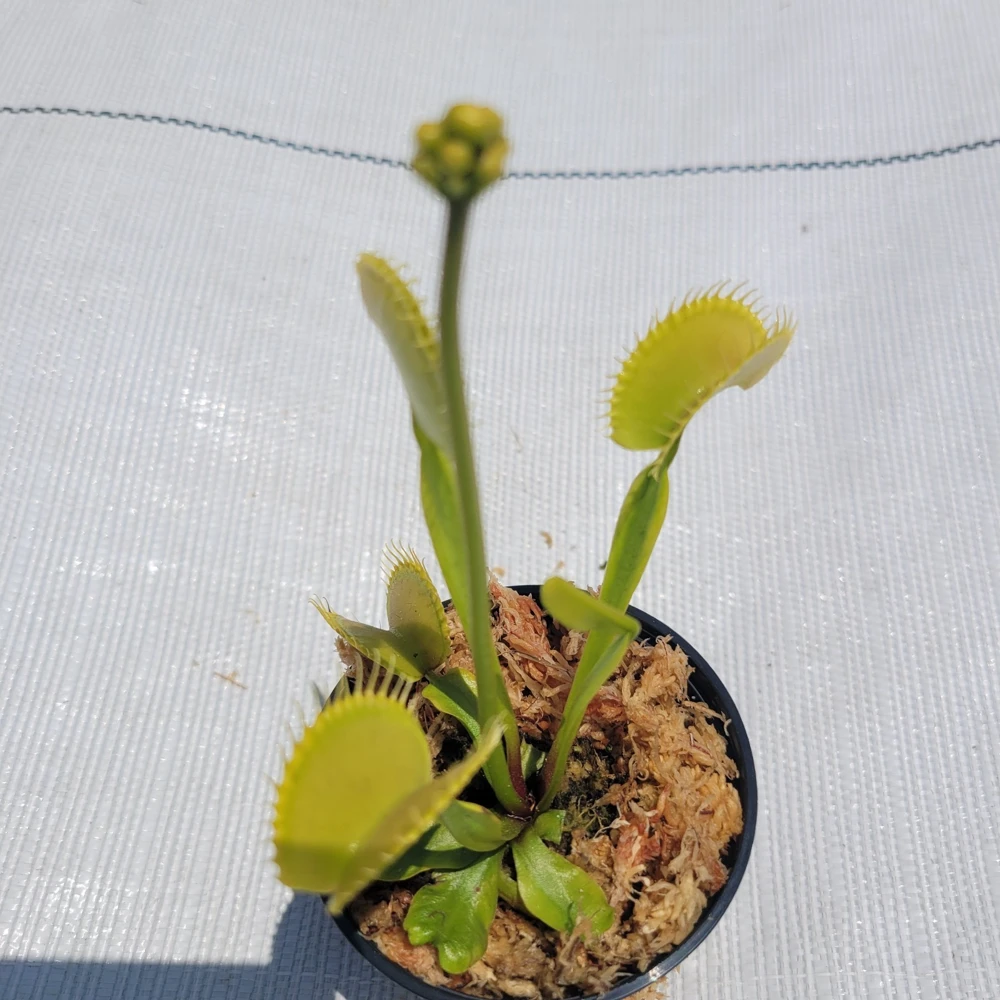
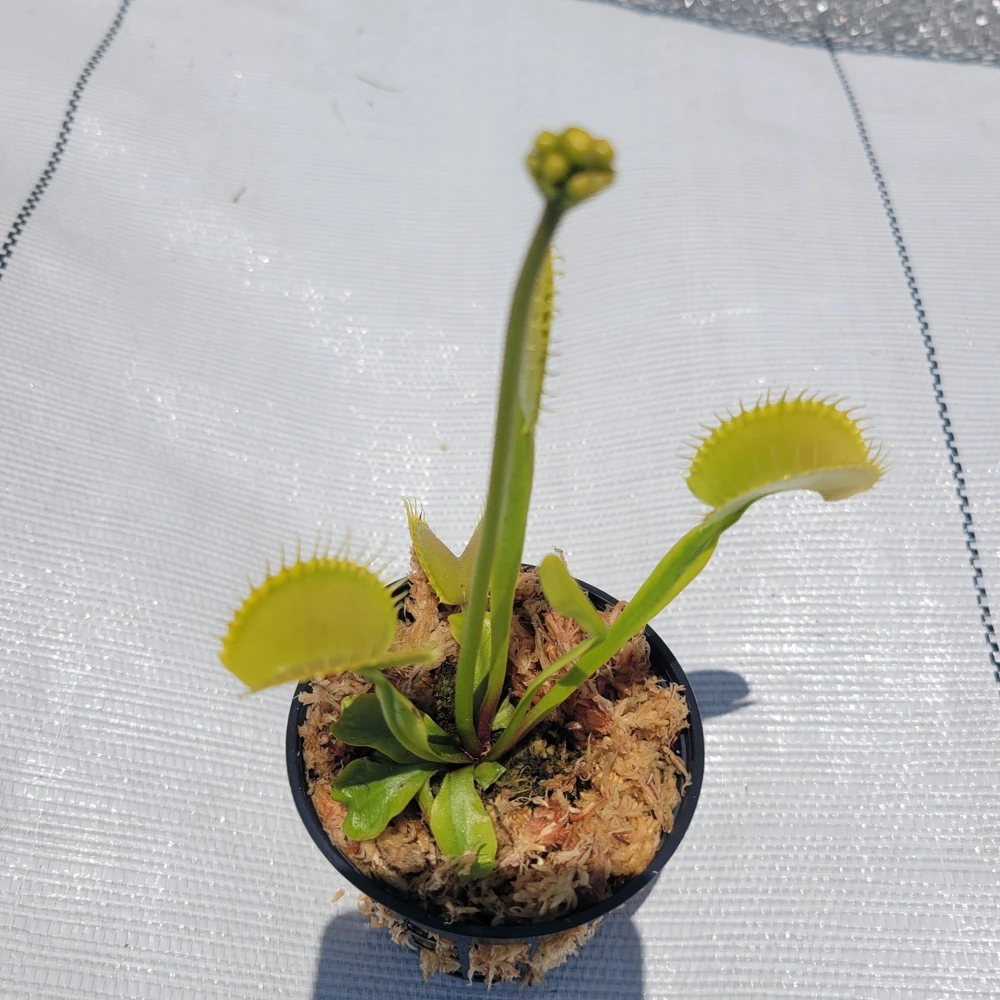
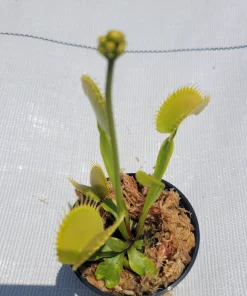
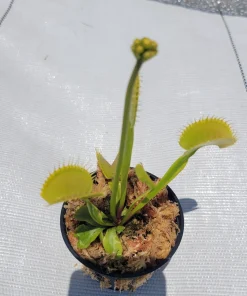
Large ‘Towering Giant’ Venus Flytrap Live Carnivorous Plant – Indoor/Outdoor
Original price was: $83.99.$58.99Current price is: $58.99.
Bring home the impressive towering giant venus flytrap, a captivating carnivorous plant known for its large, active traps. Perfect for both indoor and outdoor settings, this unique plant thrives with proper care and adds an exotic touch to any collection.
Estimated arrival
Sep 29
Oct 04 - Oct 06
Oct 09 - Oct 13
Shop With Confidence
30-Day Plant Health Guarantee
Arrives damaged? We’ll replace it free — see our return policy.
Responsive Support
Email us anytime, we reply within 1 business day.
Expert Packaging
Temperature-controlled shipping to protect your plants in transit.
Secure Checkout
Pay safely with Visa, Mastercard, PayPal.
Plant Specifications
-
USDA Hardiness Zone
9 (20 to 30 °F) -
Soil Type
Peat moss and perlite mix -
Sunlight Exposure
Full Sun -
Expected Planting Period
Year-round indoors; Spring to Summer outdoors
Overview
Welcome the magnificent towering giant venus flytrap into your home or garden. This live carnivorous plant, scientifically known as Dionaea muscipula, is renowned for its impressive size and active trapping mechanism, making it a truly fascinating specimen for plant enthusiasts and beginners alike. The ‘Towering Giant’ cultivar is particularly prized for its robust growth and larger-than-average traps, capable of catching a variety of insects. Observing its quick, precise movements as it ensnares prey is an experience unlike any other, offering both educational value and natural pest control. This unique plant is not just a conversation starter; it’s a living, dynamic part of nature that brings excitement and wonder to its environment. Perfect for adding an exotic flair to windowsills, patios, or bog gardens, the large venus flytrap plant is a testament to nature’s incredible adaptations.
Originating from the wetlands of North and South Carolina, the Venus Flytrap has evolved to thrive in nutrient-poor soils by supplementing its diet with insects. The ‘Towering Giant’ variety takes this natural marvel to new heights with its substantial stature. Whether you’re a seasoned collector of carnivorous plants or just starting your journey, this dionaea muscipula offers a rewarding and engaging horticultural experience. Its vibrant green foliage and distinct red-tinged traps create a striking visual contrast, ensuring it stands out in any plant arrangement. Embrace the unique world of carnivorous plants with this extraordinary specimen, and enjoy the natural beauty and predatory prowess it brings.
Key Benefits
The towering giant venus flytrap offers a multitude of benefits beyond its striking appearance. It’s a living testament to evolutionary adaptation and provides a unique educational opportunity for all ages. Here are some of the key advantages of owning this remarkable carnivorous plant:
- Natural Pest Control: This large venus flytrap plant actively traps and consumes common household pests like flies, gnats, and spiders, helping to keep your living space free from unwanted insects without the need for chemical sprays.
- Educational Value: Observing the Venus Flytrap’s trapping mechanism provides a fascinating insight into the natural world, making it an excellent learning tool for children and adults interested in botany and ecology.
- Unique Aesthetic Appeal: With its vibrant green leaves and often reddish traps, the ‘Towering Giant’ adds an exotic and visually captivating element to any indoor or outdoor plant collection. It’s a true focal point.
- Low Maintenance (with proper care): Once its specific environmental needs are met, the carnivorous plant care for a Venus Flytrap is relatively straightforward, making it accessible even for those new to carnivorous plants.
- Adaptable to Environments: This variety thrives in both indoor and outdoor settings, provided it receives adequate sunlight and humidity, offering flexibility in where you can display your plant.
- Conversation Starter: Its unusual nature and active predation make the dionaea muscipula a guaranteed topic of conversation, captivating guests and sparking curiosity.
- Pet and Child Safe: Unlike many household plants, the Venus Flytrap is generally considered non-toxic to pets and children, though caution should always be exercised to prevent accidental ingestion or damage to the plant.
Plant Care & Growing Tips
Proper carnivorous plant care is essential for the health and longevity of your towering giant venus flytrap. These plants have specific requirements that differ from typical houseplants, but with the right approach, they are relatively easy to maintain. Understanding their needs will ensure your plant thrives and continues to produce impressive traps.
Sunlight Requirements: Your Venus Flytrap needs abundant sunlight to grow vigorously and develop vibrant coloration. Aim for at least 6-8 hours of direct sunlight daily. If growing indoors, a south-facing window is ideal. For outdoor cultivation, full sun is preferred. If natural light is insufficient, a strong grow light can be used, ensuring it’s on for 12-16 hours a day. Insufficient light will result in pale, weak growth and smaller, less active traps.
Watering Schedule and Soil Moisture Preferences: The most crucial aspect of carnivorous plant care is watering. Venus Flytraps require consistently moist, but not waterlogged, soil. They must be watered with distilled water, rainwater, or reverse osmosis water. Tap water, even filtered, often contains minerals and chemicals that can be harmful to the plant over time. The tray method is highly recommended: place the pot in a tray filled with about 1-2 inches of pure water. Allow the tray to dry out completely before refilling, usually every 1-3 days depending on environmental conditions. During dormancy, reduce watering but never let the soil dry out completely.
Soil Type and Drainage Requirements: Venus Flytraps thrive in nutrient-poor, acidic soil. A mixture of long-fibered sphagnum moss and perlite (50/50 ratio) or peat moss and perlite (50/50 ratio) is ideal. Do not use standard potting soil, as it contains fertilizers and minerals that will kill your plant. Good drainage is important to prevent root rot, but the soil should retain moisture. Repotting is typically needed every 1-2 years, preferably in early spring before new growth begins.
Temperature Range and USDA Hardiness Zone: These plants are native to temperate climates and require a dormant period in winter. They can tolerate temperatures from 20°F to 90°F (USDA Hardiness Zone 9). During summer, they prefer warm temperatures, ideally between 70-95°F. In winter, they need cooler temperatures, around 35-55°F, for 3-5 months. If grown outdoors in zones lower than 9, they will need protection from hard freezes. For indoor outdoor flytrap cultivation, ensure they receive this crucial cool period, which can be achieved by placing them in a cool garage or refrigerator (bare-root in damp sphagnum moss).
Fertilization Schedule and Type: Do not fertilize your dionaea muscipula. They get all the nutrients they need from the insects they catch. Fertilizers in the soil will quickly burn their roots and kill the plant. If your plant is not catching enough insects, you can manually feed it small, live insects (like flies or crickets) a few times a month, ensuring the insect is small enough to fit completely within the trap.
Common Problems and Solutions: Yellowing leaves often indicate insufficient light or too many minerals in the water. Ensure you’re using pure water and providing ample sunlight. If traps are not closing, the plant might be stressed from lack of light, improper watering, or over-triggering of traps. Blackening traps are normal as old traps die off, but excessive blackening can indicate root rot (from improper soil or water) or fungal issues (from poor air circulation). Ensure good air circulation and appropriate watering to prevent these issues. The ‘Towering Giant’ is a robust variety, and with careful attention to these guidelines, your towering giant venus flytrap will thrive.
Size & Details
The towering giant venus flytrap is a robust and impressive cultivar, known for its larger size compared to typical Venus Flytraps. While exact dimensions can vary based on growing conditions and age, mature specimens often reach a spread of 6-8 inches, with individual traps measuring up to 1.5-2 inches in length. This substantial size contributes significantly to its pest-catching efficiency and visual impact. Our live plants are shipped carefully, often in a nursery pot, ensuring they arrive healthy and ready for their new environment. Upon arrival, you’ll receive a well-established plant, typically with several active traps and healthy foliage, ready to continue its growth under your care. The growth rate is moderate, with new traps forming regularly throughout the growing season.
This large venus flytrap plant is ideal for those looking for a statement piece in their carnivorous plant collection. It will continue to grow and expand its root system, requiring repotting into a slightly larger container every 1-2 years to accommodate its increasing size. Expect to see significant growth and trap development during the spring and summer months, followed by a period of dormancy in the colder season. The plant’s overall height can reach up to 4-6 inches, creating a commanding presence. It’s a perennial plant, meaning it will return year after year with proper dormancy, offering long-term enjoyment and a consistent source of fascination.
Frequently Asked Questions
- Q: How big does this plant get? A: The towering giant venus flytrap is known for its impressive size. Mature plants can reach a spread of 6-8 inches, with individual traps growing up to 1.5-2 inches long, making it significantly larger than standard Venus Flytrap varieties.
- Q: What size pot does it come in? A: Your towering giant venus flytrap typically arrives in a standard nursery pot, usually around 2-3 inches, providing enough space for initial growth. You may wish to repot it into a slightly larger container, such as a 4-6 inch pot, after it acclimates.
- Q: Is this an indoor or outdoor plant? A: This indoor outdoor flytrap is versatile! It thrives in both environments, provided it receives ample direct sunlight and appropriate pure water. Many growers keep them outdoors during warm months and bring them inside for winter dormancy if their climate is too cold.
- Q: How much sunlight does it need? A: The dionaea muscipula requires a minimum of 6-8 hours of direct sunlight daily for optimal health and trap coloration. If growing indoors, a bright south-facing window or a strong grow light is essential.
- Q: Is this plant easy to care for? A: While Venus Flytraps have specific needs (pure water, specific soil, high light), once these are understood, carnivorous plant care is relatively straightforward. They are considered moderately easy for beginners willing to follow care guidelines.
- Q: Is it good for beginners? A: Yes, the ‘Towering Giant’ Venus Flytrap is a good choice for beginners interested in carnivorous plants. Its robust nature and larger size can make it more forgiving than some other delicate species, as long as basic care requirements are met.
- Q: What condition will it arrive in? A: Your towering giant venus flytrap will arrive as a live, healthy plant, carefully packaged to ensure its safety during transit. It will be rooted in its appropriate soil mix, ready for you to unbox and place in its new home.
- Q: Is it shipped in soil? A: Yes, the live plant is shipped fully rooted in its specialized carnivorous plant soil mix, typically a blend of peat moss and perlite, to minimize stress and ensure its health upon arrival.
- Q: Is it pet-safe? A: Yes, Venus Flytraps are generally considered non-toxic to pets and children. However, it’s always best to keep plants out of reach to prevent accidental damage to the plant or ingestion by curious pets.
- Q: When is the best time to plant? A: Since you receive a live, potted plant, it can be placed in its desired location any time of year. However, if repotting, early spring is ideal, just before the main growing season begins.
- Q: Will it survive winter in my zone? A: The towering giant venus flytrap is hardy to USDA Zone 9 (20-30°F). If you live in a colder zone, you’ll need to provide winter protection or bring the plant indoors for dormancy in a cool, unheated space.
- Q: What’s the minimum temperature it can tolerate? A: During its winter dormancy, the Venus Flytrap can withstand temperatures as low as 20°F. During the active growing season, it prefers warmer temperatures but should be protected from prolonged exposure below freezing.
Be the first to review “Large ‘Towering Giant’ Venus Flytrap Live Carnivorous Plant – Indoor/Outdoor”
People Also Viewed


Uncategorized
Rhododendron ‘Nancy Evans’ – Yellowish Pink Blooms Rhododendron Flowers Plant – #1 Size Container
Reviews
There are no reviews yet.