
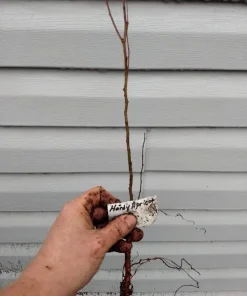
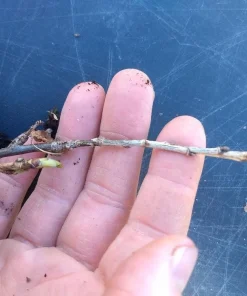
Tibetan Apricot Live Plant – Edible Fruit Tree – Self-Pollinating – Zones 5-8
Original price was: $64.99.$49.99Current price is: $49.99.
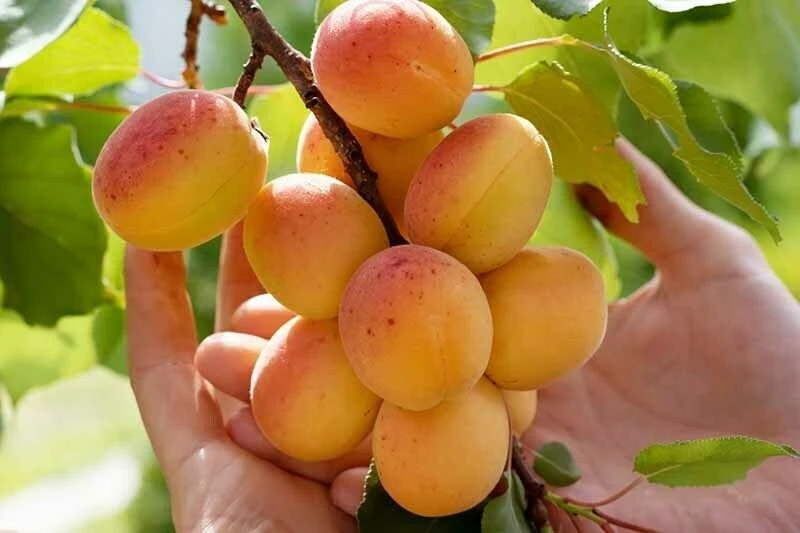
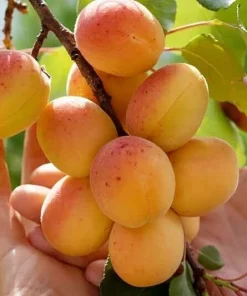
Cultivate your own delicious fruit with this Tibetan Apricot live plant. A hardy, self-pollinating edible tree/shrub, it thrives in USDA Zones 5-8, producing medium yellow-orange fruits similar to a small peach. Enjoy sweet to tart apricots for fresh eating, jams, or drying.
Estimated arrival
Sep 17
Sep 22 - Sep 24
Sep 27 - Oct 01
Shop With Confidence
30-Day Plant Health Guarantee
Arrives damaged? We’ll replace it free — see our return policy.
Responsive Support
Email us anytime, we reply within 1 business day.
Expert Packaging
Temperature-controlled shipping to protect your plants in transit.
Secure Checkout
Pay safely with Visa, Mastercard, PayPal.
Plant Specifications
-
USDA Hardiness Zone
5-8 -
Soil Type
Well-draining loamy soil -
Sunlight Exposure
Full sun -
Expected Planting Period
Spring or Fall
Overview
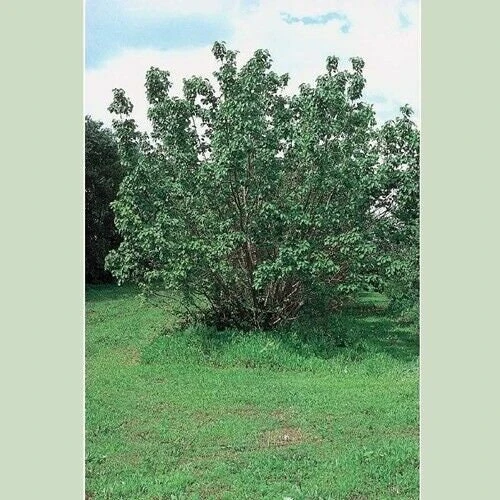
Bring the joy of home-grown fruit to your garden with a Tibetan Apricot live plant. This robust and versatile edible tree/shrub, known for its resilience and delicious fruit, is an excellent choice for gardeners in a wide range of climates. The Tibetan Apricot, scientifically known as Prunus armeniaca ‘Tibet’, is celebrated for its ability to produce abundant harvests of flavorful apricots. Unlike many fruit trees, this variety is self-pollinating, meaning you only need one plant to start enjoying its bounty. It’s a fantastic option for both experienced growers and those new to fruit tree cultivation, offering a rewarding experience as you watch it mature and bear fruit.
This starter plant provides a strong foundation for a healthy, productive tree. The Tibetan Apricot live plant adapts well to various soil conditions and is noted for its hardiness, making it a reliable addition to your landscape. Its medium yellow-orange fruits are not only visually appealing but also offer a delightful taste profile, ranging from sweet to tart. Whether you’re looking to create a food forest, add an attractive and productive specimen to your yard, or simply enjoy fresh apricots straight from the branch, this plant is an ideal choice.
Key Benefits
The Tibetan Apricot live plant offers numerous advantages for the home gardener, blending ornamental beauty with practical fruit production. Its ease of care and reliable yields make it a highly desirable addition to any garden setting.
- Self-Pollinating: This variety is naturally self-fertile, eliminating the need for a second tree to ensure fruit production. This is a significant advantage for smaller gardens or those with limited space, making it easy to grow an edible apricot tree.
- Hardy & Resilient: Thriving in USDA Zones 5-8, the Tibetan Apricot is known for its cold hardiness and adaptability to different environmental conditions, ensuring a greater chance of success for growers in temperate regions. This makes it a truly hardy apricot tree.
- Delicious, Versatile Fruit: Enjoy medium-sized, yellow-orange apricots with a flavor profile that ranges from sweet to tart. These fruits are excellent for fresh eating, baking, making jams and jellies, drying, juicing, or even freezing for later use.
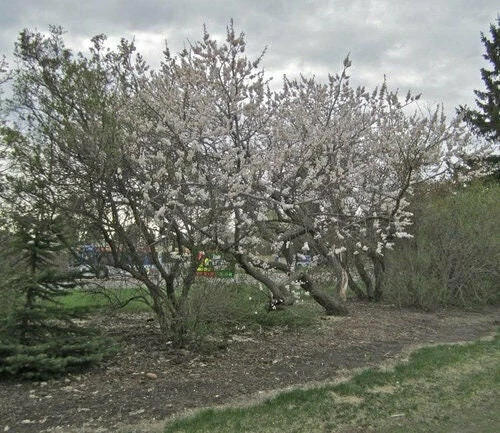
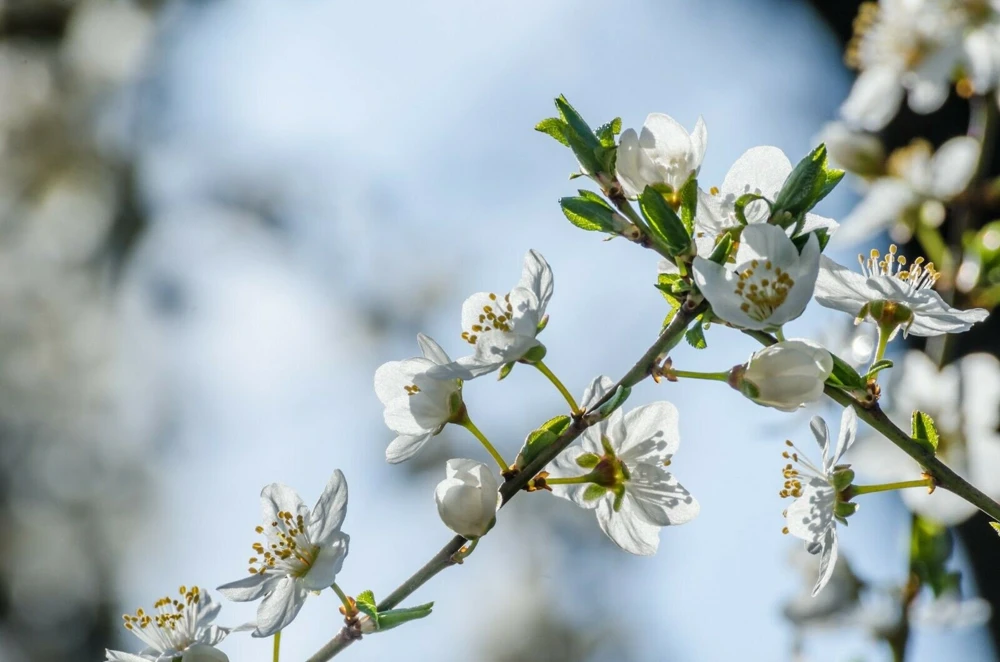
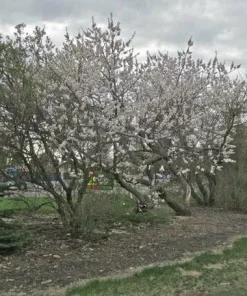
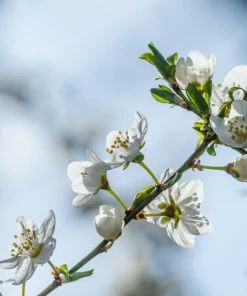
- Attractive Landscape Addition: Beyond its fruit-bearing capabilities, the Tibetan Apricot tree offers aesthetic appeal with its seasonal changes, from spring blossoms to summer foliage and fruit.
- Long Lifespan: A healthy apricot tree can live for 20 to 30 years, providing many seasons of fruit production and enjoyment for your family.
- Pesticide-Free Growth: This plant can be grown without the use of pesticides, allowing you to cultivate organic fruit right in your backyard.
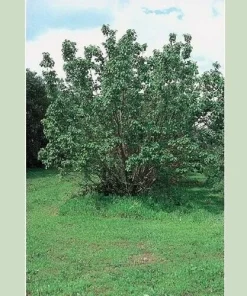
- Moderate Size: Reaching a mature height of 12-16 feet, this tree is manageable for most home gardens, providing a substantial harvest without becoming overly large.
Plant Care & Growing Tips
Caring for your Tibetan Apricot live plant is straightforward, and with proper attention, it will flourish and provide delicious fruit for years. Understanding its basic needs for sunlight, soil, and water is crucial for a successful harvest. This variety is known for being a relatively low-maintenance edible apricot tree once established.
For optimal growth and fruit production, the Tibetan Apricot requires a location with full sun exposure, meaning at least 6-8 hours of direct sunlight per day. Good air circulation is also beneficial to prevent fungal diseases. When it comes to soil, this plant prefers well-draining soil. A loamy soil enriched with organic matter is ideal. Avoid heavy clay soils that retain too much moisture, as this can lead to root rot. If your soil is poor, amend it with compost or other organic materials to improve drainage and fertility.
Consistent watering is important, especially during the plant’s establishment period and dry spells. Water deeply and regularly, allowing the top few inches of soil to dry out between waterings. Once established, the tree becomes more drought-tolerant but will benefit from supplemental watering during prolonged dry periods, particularly when fruit is developing. Fertilize in early spring with a balanced fruit tree fertilizer, following package instructions. Pruning should be done in late winter or early spring to shape the tree, remove dead or diseased branches, and encourage better fruit production. Monitoring for common pests and diseases and addressing them promptly will help ensure a healthy apricot plant care routine.
Size & Details
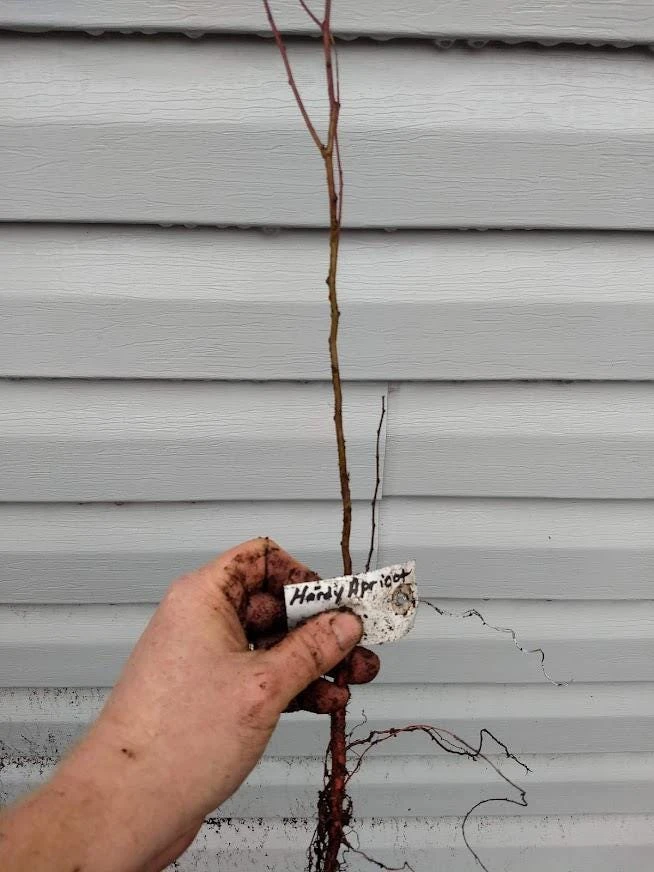
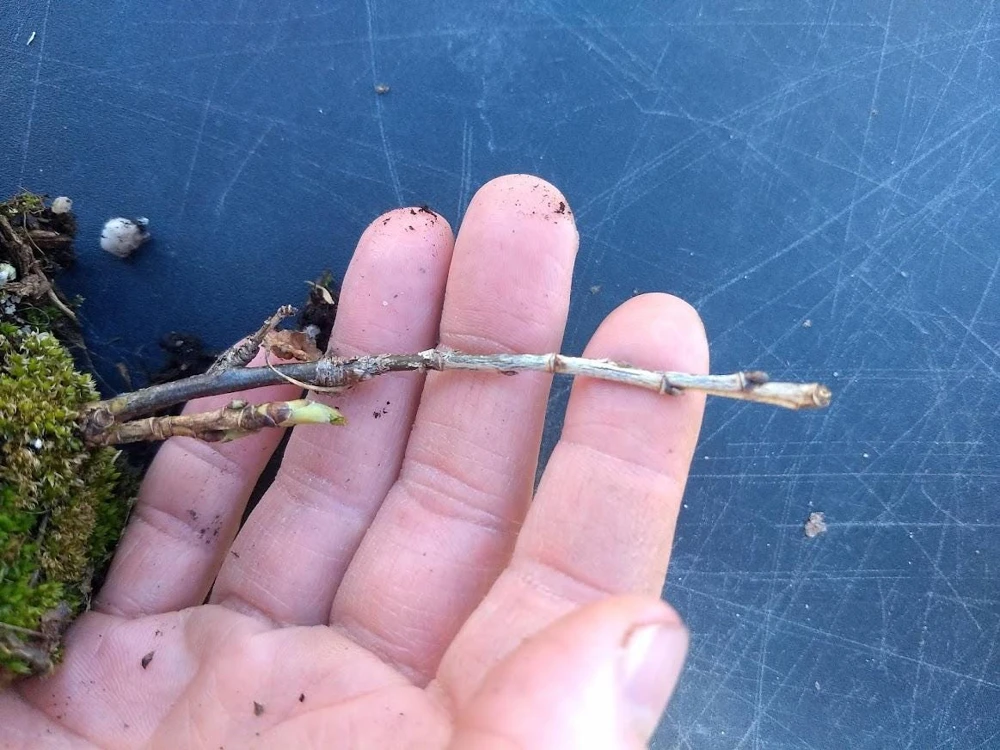
This offering includes one rooted Tibetan Apricot live plant, grown from a fruiting mother plant to ensure genetic fidelity and good fruit quality. The plant is shipped without its growing pot to minimize shipping stress and reduce packaging waste, carefully protected in a box to ensure safe arrival. Upon planting, this shrub/tree is expected to reach a mature height of 12-16 feet, providing a good canopy and ample fruit-bearing branches. The medium yellow-orange fruit size is comparable to a small peach, with a firm flesh and a taste profile that can range from delightfully sweet to pleasantly tart.
The hardy apricot tree is suitable for a wide range of culinary uses, including eating fresh, cooking, making drinks, juicing, freezing, and canning. With proper care, a healthy tree can live for 20 to 30 years, offering decades of fresh, organic fruit. Its self-pollinating nature means you don’t need multiple trees for fruit set, simplifying the planting process. This makes it an excellent choice for those looking for a productive and long-lasting addition to their home orchard or garden.
Frequently Asked Questions
- Q: How big does this Tibetan Apricot plant get? A: This Tibetan Apricot live plant is expected to grow into a shrub or tree reaching a mature height of 12-16 feet tall, making it a manageable size for most home gardens.
- Q: Is this an indoor or outdoor plant? A: The Tibetan Apricot is an outdoor fruit tree, best suited for planting in gardens and orchards where it can receive full sun exposure.
- Q: How much sunlight does a self-pollinating apricot need? A: For optimal fruit production and health, this self-pollinating apricot tree requires at least 6-8 hours of direct sunlight per day, ideally in a full sun location.
- Q: Is this plant easy to care for? A: Yes, once established, the Tibetan Apricot is considered relatively easy to care for, especially due to its hardiness and self-pollinating nature. Basic apricot plant care involves proper watering, sunlight, and occasional pruning.
- Q: What condition will the plant arrive in? A: You will receive one rooted plant, taken out of its growing pot for shipping. It will be carefully packaged in a box to protect it during transit.
- Q: Can I use the fruit for cooking and baking? A: Absolutely! The fruits of this edible apricot tree are incredibly versatile and can be used for fresh eating, jams, jellies, pies, drying, juicing, and freezing.
- Q: When is the best time to plant this hardy apricot tree? A: Generally, spring or fall are the best times to plant a hardy apricot tree, allowing it to establish its root system before extreme summer heat or winter cold.
- Q: Will it survive winter in my zone? A: This Tibetan Apricot is hardy and thrives in USDA Zones 5-8, meaning it can withstand winter temperatures typical of those regions.
- Q: Do I need more than one plant for fruit? A: No, this Tibetan Apricot variety is self-pollinating, so you only need one plant to produce fruit.
- Q: What does the fruit taste like? A: The medium yellow-orange fruit has a firm flesh and its taste can range from sweet to tart, similar to a small peach.
Be the first to review “Tibetan Apricot Live Plant – Edible Fruit Tree – Self-Pollinating – Zones 5-8”
People Also Viewed


Herb Seeds
Organic Psyllium Seeds – Plantago Ovata Herb Flower Seeds – 1000 Count – Outdoor Planting
Reviews
There are no reviews yet.