
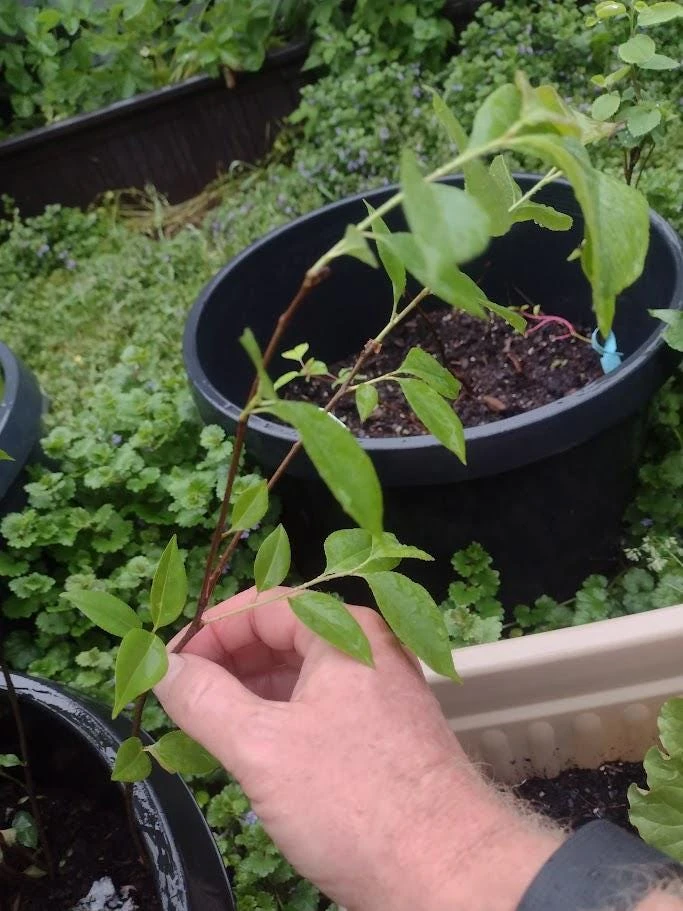
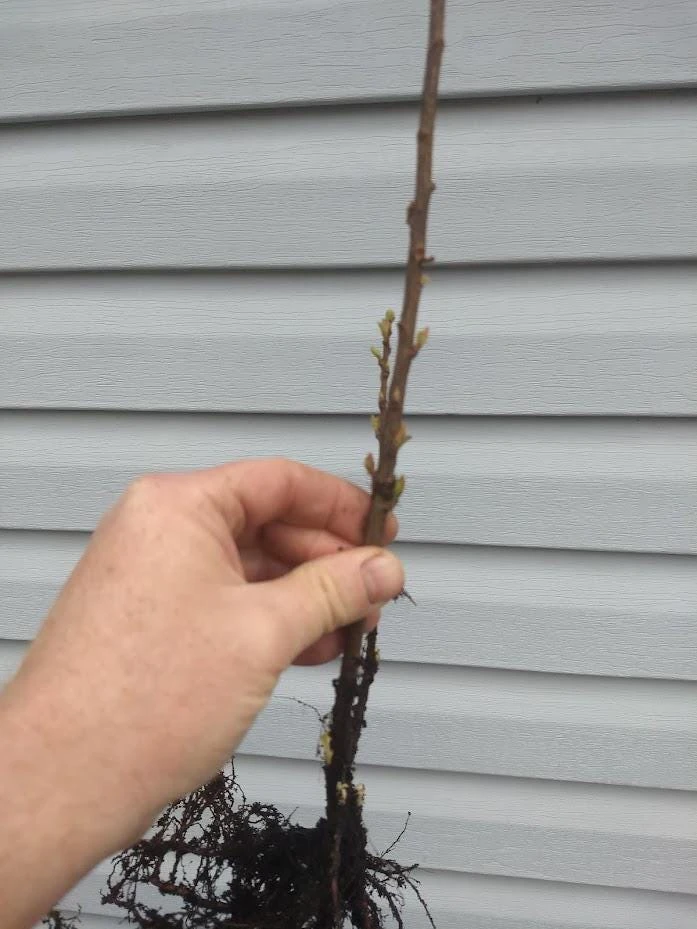

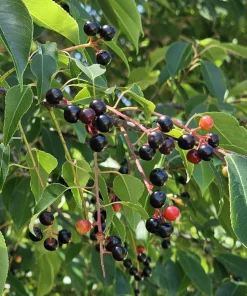
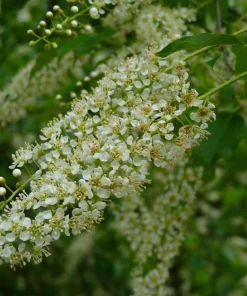
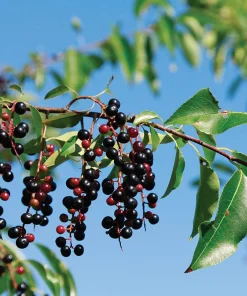
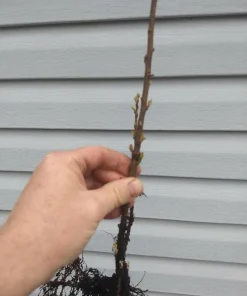

Rum Cherry Live Plant – Prunus serotina – Rooted Tree – Zones 3-9
Original price was: $60.99.$45.99Current price is: $45.99.
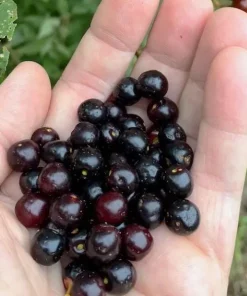
Cultivate a versatile rum cherry live plant (Prunus serotina) for dark, tart fruits perfect for baking, drinks, and flavoring. This hardy, rooted tree thrives in USDA Zones 3-9 and offers significant ornamental value along with its delicious yield.
Estimated arrival
Sep 17
Sep 22 - Sep 24
Sep 27 - Oct 01
Shop With Confidence
30-Day Plant Health Guarantee
Arrives damaged? We’ll replace it free — see our return policy.
Responsive Support
Email us anytime, we reply within 1 business day.
Expert Packaging
Temperature-controlled shipping to protect your plants in transit.
Secure Checkout
Pay safely with Visa, Mastercard, PayPal.
Plant Specifications
-
USDA Hardiness Zone
3-9 -
Soil Type
Well-draining, loamy soil -
Sunlight Exposure
Full sun -
Expected Planting Period
Early spring or fall
Overview
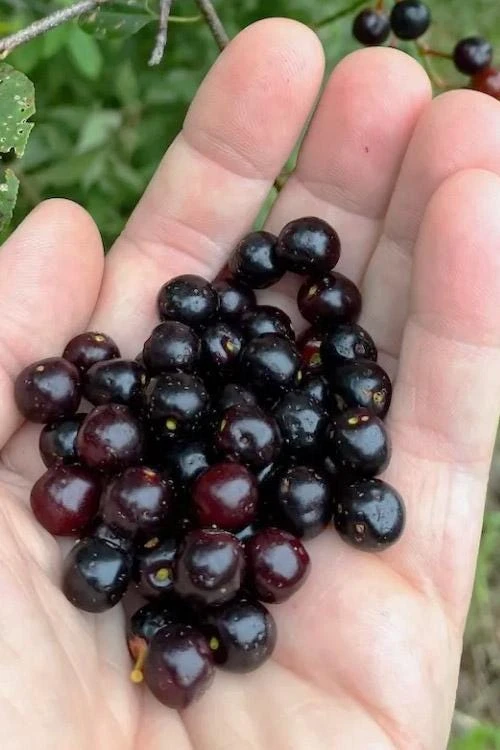
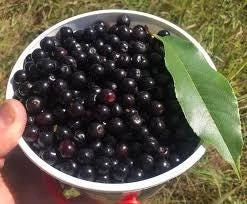
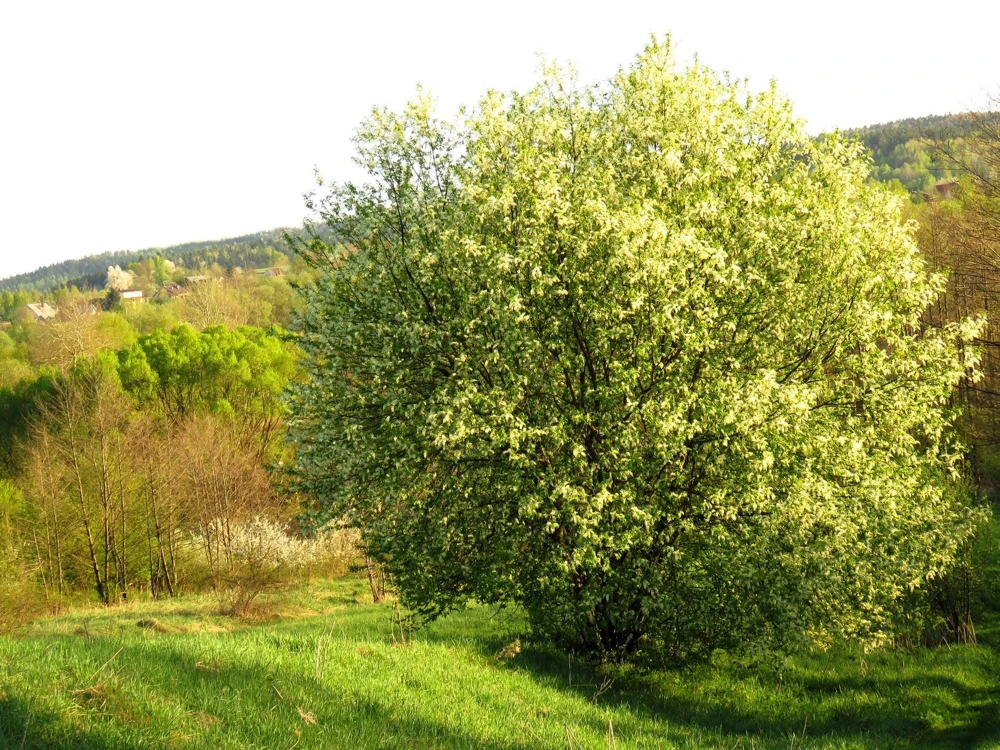
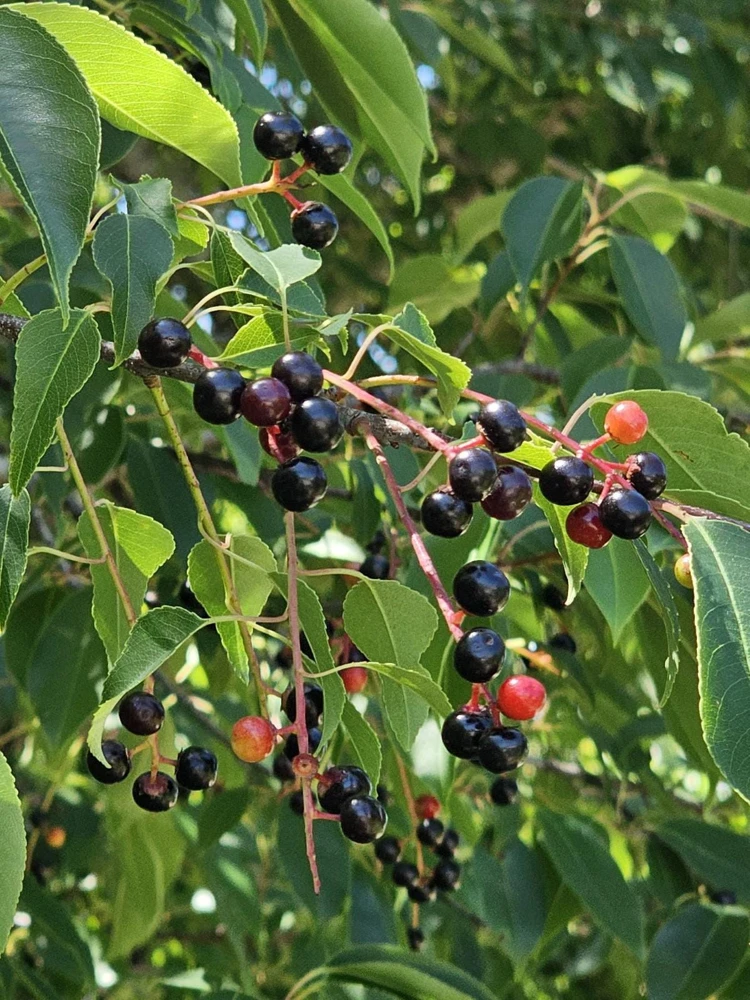
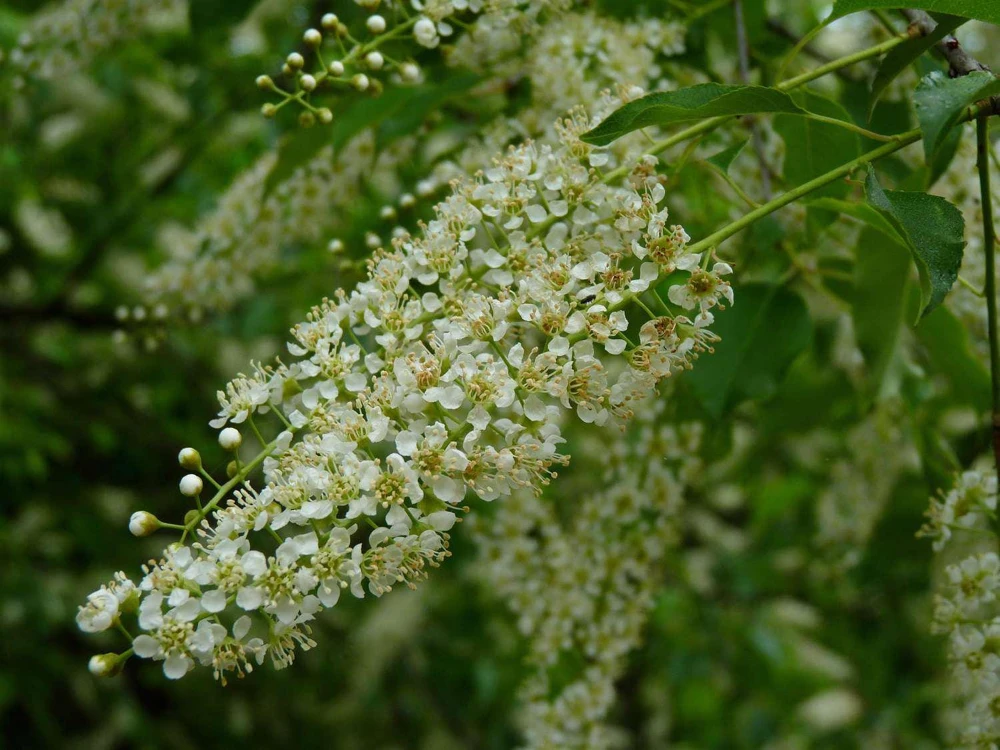
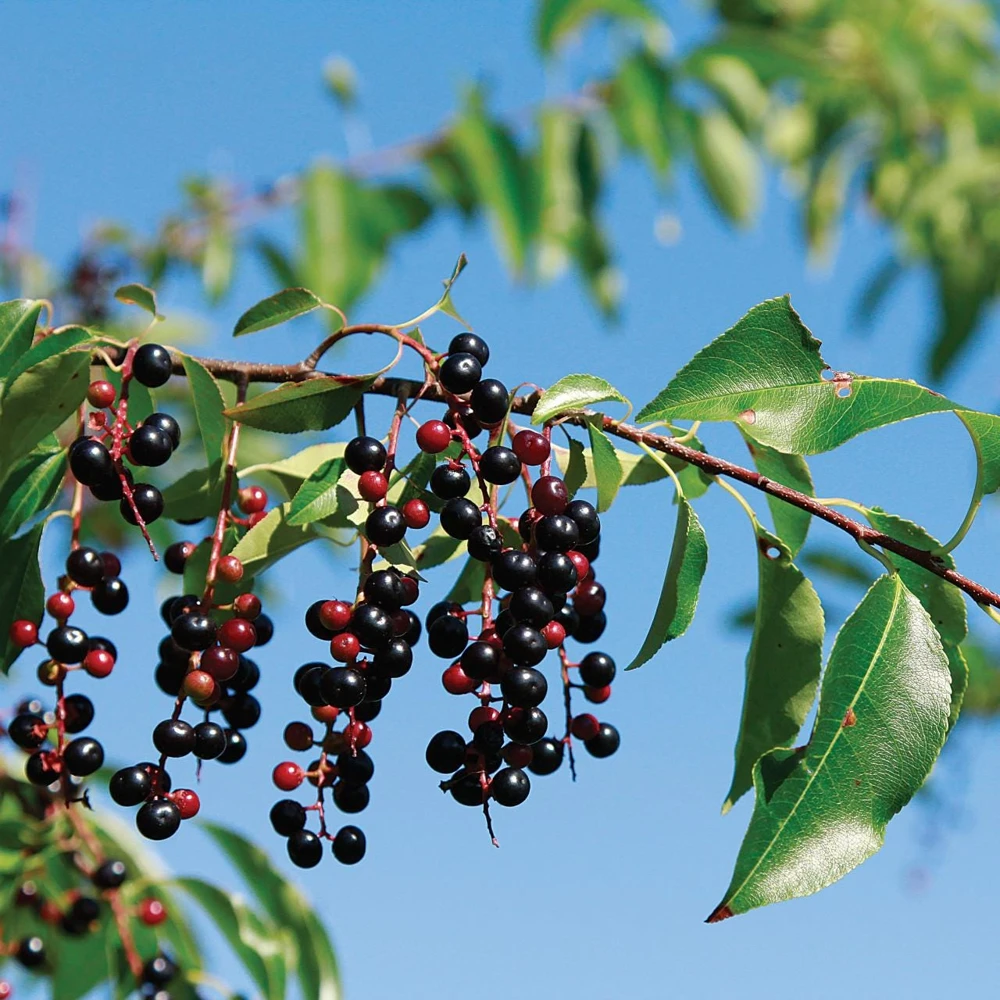
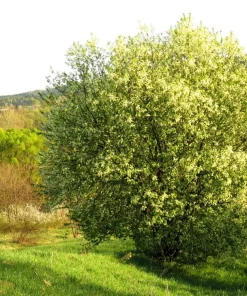
Introduce a unique and rewarding addition to your landscape with the rum cherry live plant, scientifically known as Prunus serotina. This robust, rooted tree offers a wealth of benefits, from its attractive foliage and stature to its distinctive dark purple/black fruits. Originating from seed, this particular Prunus serotina tree is ready to establish itself in your garden, promising a mature height of 50+ feet and a width of 30+ feet. Known for its intense and tart cherries with a noticeable bitterness, the rum cherry is highly prized for culinary applications, particularly in flavoring rum, brandy, and whiskey. This versatile plant also provides ecological benefits, attracting local wildlife and contributing to biodiversity. If you’re seeking an edible cherry tree that stands out, the rum cherry is an excellent choice.
The fruit of the rum cherry live plant is a culinary delight, historically favored for flavoring wines, brandies, and of course, rum. Its intense sugars and acids make it exceptional for baking, jams, jellies, and syrups. When harvested at peak ripeness, the fruit delivers a rich, vinous taste that elevates both sweet and savory dishes. Consider adding this fascinating plant to your garden for a bountiful harvest and a touch of natural beauty.
Key Benefits
The rum cherry live plant offers a multitude of advantages for both gardeners and gourmands alike, making it a valuable investment for any landscape:
- Exceptional Culinary Versatility: The dark, tart fruits are renowned for their unique flavor profile, perfect for making delicious pies, jams, jellies, and syrups. They are also ideal for flavoring spirits like rum, brandy, and whiskey, offering a distinct and rich taste.
- Robust Growth and Stature: This tree is known for its impressive size, reaching over 50 feet tall and 30 feet wide at maturity, providing substantial shade and a majestic presence in your garden. Its strong growth makes it a reliable long-term addition.
- Early Fruit Production: Expect to see fruit production within 1-2 years of planting, allowing you to enjoy your harvest relatively quickly. This quick turnaround makes it a satisfying choice for those eager to taste their homegrown produce.
- Wildlife Attraction: The fruits are a favorite food source for various birds and other wildlife, helping to support local ecosystems and bringing natural activity to your yard. This contributes to a healthier and more vibrant garden environment.
- Hardy and Adaptable: Thriving in USDA Zones 3-9, this wild cherry plant is highly adaptable to a wide range of climates, making it a suitable choice for many regions across the US. It requires approximately 800 chill hours to ensure proper dormancy and fruit set.
- Natural and Pesticide-Free: Our plants are grown naturally without chemicals or pesticides, ensuring you receive a healthy, environmentally friendly specimen. This commitment to natural growing practices results in a more resilient edible cherry tree.
- Pollination Benefits: While requiring at least two trees for cross-pollination, the presence of multiple Prunus serotina tree specimens enhances fruit set and ensures a more abundant harvest, making it a great choice for larger orchards or community gardens.
Plant Care & Growing Tips
Caring for your rum cherry live plant is straightforward, ensuring a healthy and productive tree for years to come. This hardy species is relatively low-maintenance once established, but proper initial care is crucial. For optimal growth and fruiting, plant your rum cherry in a location that receives full sun, ideally 6-8 hours of direct sunlight per day. It tolerates a variety of soil types but thrives best in well-draining, loamy soil with a slightly acidic to neutral pH. Amend heavy clay soils with organic matter to improve drainage, or sandy soils to enhance water retention.
Water your young Prunus serotina tree regularly, especially during dry spells, to help establish its root system. Once mature, it is quite drought-tolerant but will benefit from supplemental watering during prolonged dry periods, particularly when fruits are developing. Fertilize annually in early spring with a balanced slow-release fertilizer designed for fruit trees. Pruning should be done in late winter or early spring to remove dead, damaged, or crossing branches, and to maintain an open canopy for better air circulation and light penetration, which encourages fruit production. This tart cherry tree is resistant to many common pests and diseases, but monitoring for issues like black knot or cherry leaf spot is always recommended.
The rum cherry live plant is exceptionally cold hardy, thriving across USDA Zones 3-9. It requires approximately 800 chill hours (hours below 45°F in winter) to go dormant and set fruit for the following season. This makes it an ideal choice for regions with distinct winter seasons. Ensure adequate spacing if planting multiple trees, as they will need room to grow to their full mature size. With proper care, your rum cherry will provide abundant harvests and a beautiful focal point in your garden.
Size & Details
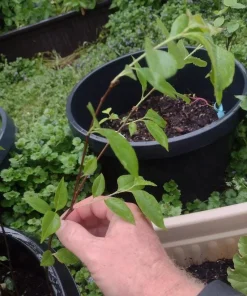
You will receive one healthy, rooted rum cherry live plant, carefully prepared for shipping. This plant originates from seed and will arrive ready for planting. At maturity, this magnificent tree can reach impressive dimensions, typically growing over 50 feet tall and spreading more than 30 feet wide, forming a broad, stately canopy. The growth rate is moderate to fast, allowing it to establish quickly in your landscape. Fruit production can begin within 1-2 years after planting, with significant harvests expected as the tree matures. For successful pollination and a bountiful yield, it is recommended to plant two or more rum cherry trees.
The plant is carefully removed from its growing pot for shipping to ensure its safety and minimize stress during transit. It is packaged in a sturdy box designed to protect the plant from damage. This ensures your edible cherry tree arrives in excellent condition, ready to be planted and begin its journey in your garden. The naturally grown, pesticide-free cultivation practices ensure a robust and healthy specimen from the start.
Frequently Asked Questions
- Q: How big does this plant get? A: The rum cherry live plant is a large tree that can reach over 50 feet tall and spread more than 30 feet wide at maturity, providing significant shade and a majestic presence in your landscape.
- Q: Is this an indoor or outdoor plant? A: The rum cherry is an outdoor tree, well-suited for gardens, orchards, and naturalized areas. It requires cold winters to go dormant and set fruit, making it unsuitable for indoor cultivation.
- Q: How much sunlight does it need? A: This tree thrives in full sun, requiring at least 6-8 hours of direct sunlight per day for optimal growth and fruit production.
- Q: Is this plant easy to care for? A: Once established, the Prunus serotina tree is relatively low-maintenance. It requires regular watering during its establishment phase and annual pruning, but it’s quite hardy and adaptable.
- Q: What condition will it arrive in? A: You will receive one rooted plant, carefully taken out of its growing pot and shipped in a protective box to ensure it arrives healthy and ready for planting.
- Q: When is the best time to plant a rum cherry? A: The best time to plant a wild cherry plant is typically in early spring or fall, allowing the roots to establish before extreme summer heat or winter cold.
- Q: Will it survive winter in my zone? A: Yes, the rum cherry live plant is very cold hardy and thrives in USDA Zones 3-9, requiring approximately 800 chill hours below 45°F during winter for proper dormancy and fruit set.
- Q: Can I use the cherries for cooking and drinks? A: Absolutely! The dark, tart fruits of this tart cherry tree are excellent for baking, jams, jellies, syrups, and are particularly prized for flavoring rum, brandy, and whiskey.
- Q: Is the entire tree edible? A: While the ripe, dark fruit is completely edible for humans, it’s important to note that the rest of the tree (leaves, bark, and unripe fruit) contains amygdalin, which is toxic if consumed in quantity.
- Q: Does it need more than one tree to produce fruit? A: Yes, the edible cherry tree requires at least two trees for cross-pollination to ensure successful fruit production.
Be the first to review “Rum Cherry Live Plant – Prunus serotina – Rooted Tree – Zones 3-9”
People Also Viewed
Flower Seeds
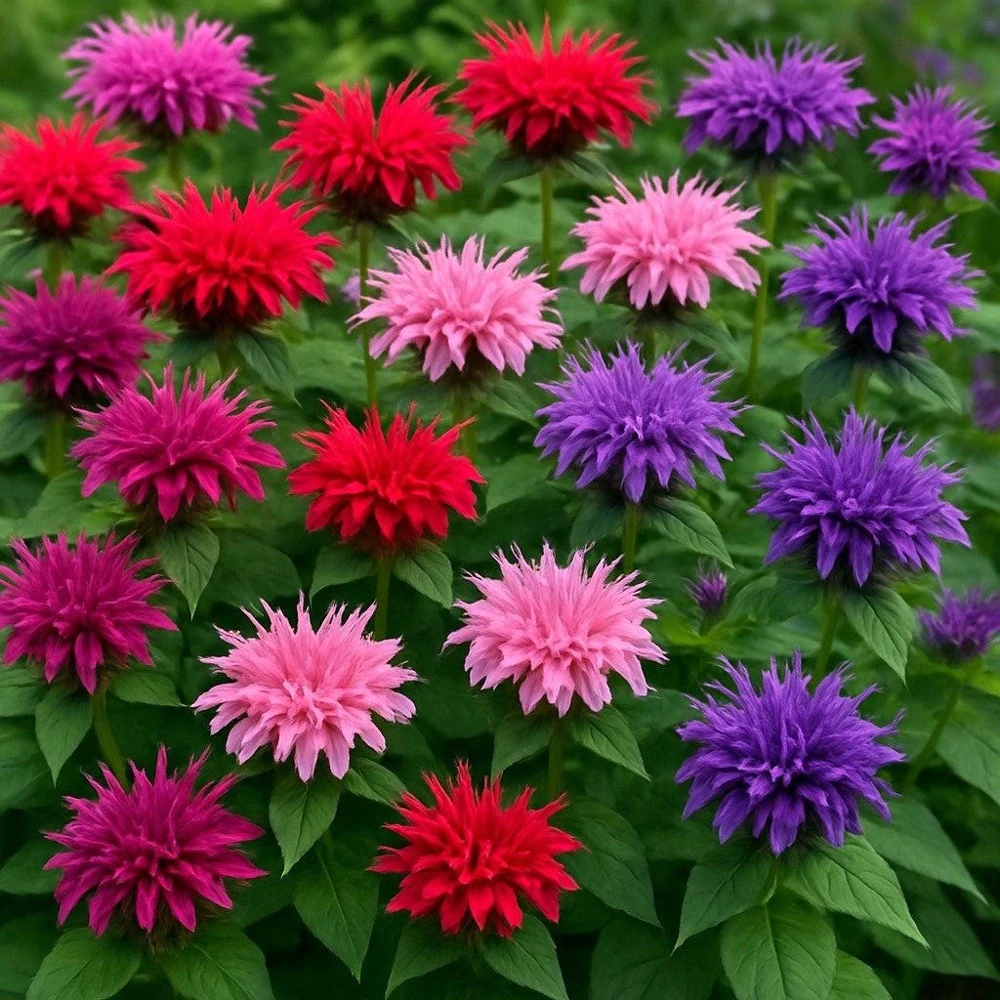
Bee Balm Mix Seeds – Monarda Didyma Mixed Colors Scarlet, Red, Pink, Purple, Salmon – 25 Seeds



Reviews
There are no reviews yet.