
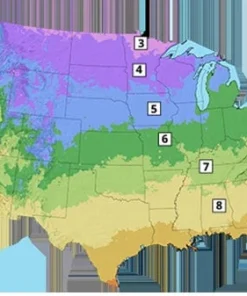
Zumi Crabapple Live Plant – Wildlife Tree, Fruit, Pollinator, Zones 4-8
Original price was: $58.99.$43.99Current price is: $43.99.
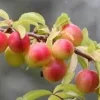
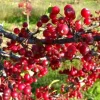
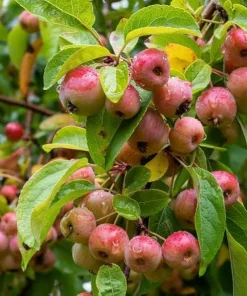
Add a beautiful Zumi Crabapple live plant to your landscape. This versatile wildlife crabapple tree offers fragrant white flowers, glossy red/yellow fruit, and is an excellent pollinator for other apple trees. Hardy in USDA Zones 4-8, it provides food and shelter for birds and deer, making it a perfect flowering fruit tree for attracting local fauna.
Estimated arrival
Sep 17
Sep 22 - Sep 24
Sep 27 - Oct 01
Shop With Confidence
30-Day Plant Health Guarantee
Arrives damaged? We’ll replace it free — see our return policy.
Responsive Support
Email us anytime, we reply within 1 business day.
Expert Packaging
Temperature-controlled shipping to protect your plants in transit.
Secure Checkout
Pay safely with Visa, Mastercard, PayPal.
Plant Specifications
-
USDA Hardiness Zone
USDA Zones 4-8 -
Soil Type
Well-draining, fertile soil -
Sunlight Exposure
Full sun to partial sun -
Expected Planting Period
Spring or Fall
Overview
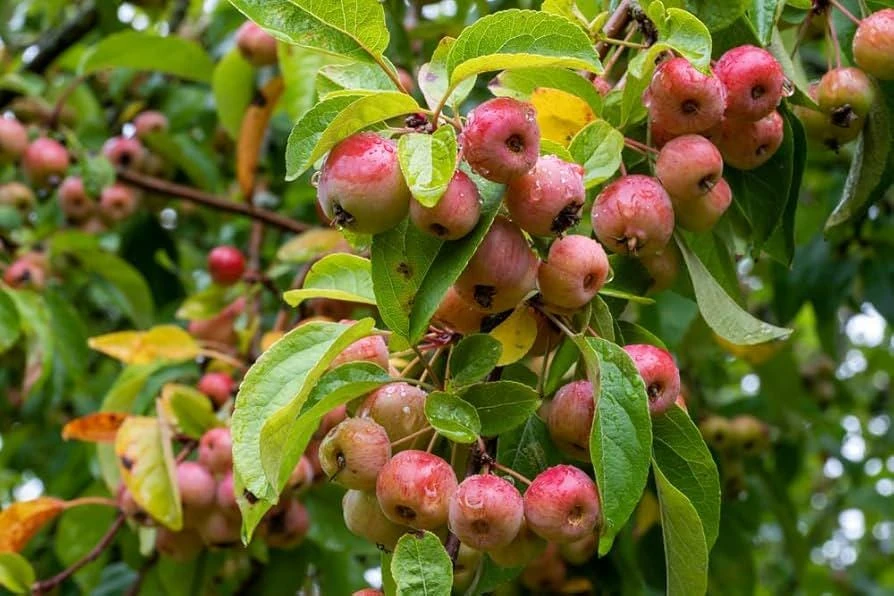
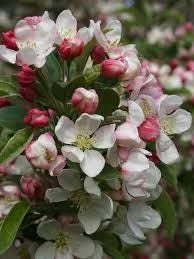
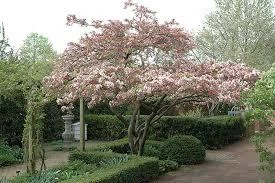
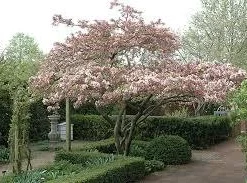
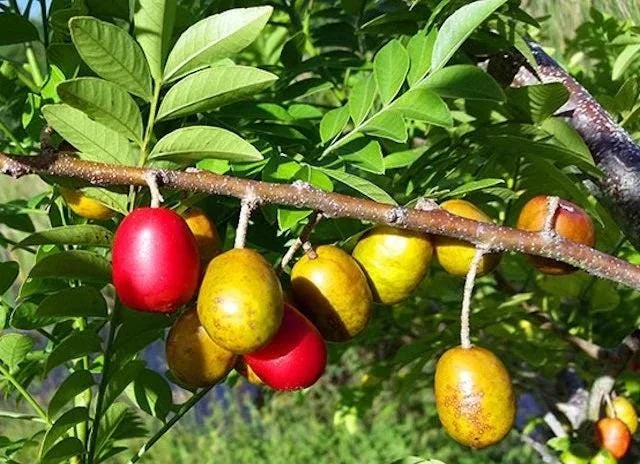
Introduce the delightful Zumi Crabapple live plant to your garden and enjoy its year-round beauty and ecological benefits. This vigorous and attractive deciduous tree is celebrated for its profuse spring bloom of fragrant white flowers, which transform into glossy, small, bright red and yellow crabapples that mature in the fall and often persist into winter. The Zumi Crabapple, also known as Malus sieboldii ‘Zumi’, is a fantastic addition for those looking to create a vibrant wildlife habitat or enhance their orchard with a reliable pollinator. Growing 12-20 feet tall, this tree provides both aesthetic appeal and practical advantages, making it a valuable asset to any landscape.
As a wildlife crabapple tree, it serves as a crucial food source and shelter for various animals, including birds like ruffed grouse, pheasant, and woodpeckers, as well as deer. Its dense foliage offers protective cover, while the long-lasting fruit is a favorite among local fauna. This specific Zumi Crabapple is a rooted plant from a fruiting mother plant, ensuring healthy growth and fruit production. It’s an excellent choice for a flowering fruit tree that brings life and color to your outdoor space.
Key Benefits
The Zumi Crabapple live plant offers a multitude of benefits for both gardeners and the environment. Its hardiness and adaptability make it a low-maintenance yet highly rewarding addition to any garden.
- Abundant Seasonal Beauty: Enjoy a spectacular display of fragrant white to pink flowers in spring, followed by attractive red and yellow crabapples that persist well into winter, adding color to the dormant season.
- Exceptional Wildlife Attraction: The small, glossy fruits are a vital food source for numerous bird species and deer, making it an ideal choice for creating a thriving wildlife habitat. Its dense foliage also provides excellent shelter.
- Excellent Pollinator: This tree is a superb pollinator for other apple varieties, significantly improving fruit set in nearby apple orchards. It’s a key component for a productive fruit garden.
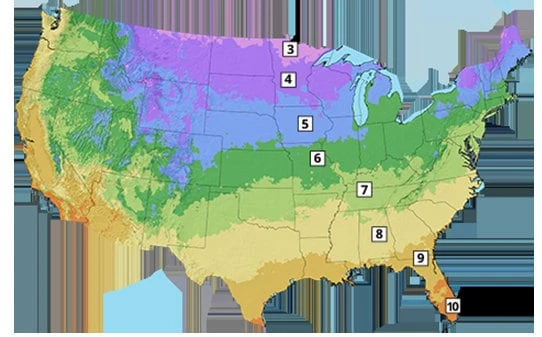
- Hardy and Adaptable: Thrives in USDA Zones 4-8, demonstrating robust resistance to various environmental conditions and requiring minimal specialized care once established.
- Versatile Landscape Use: With its rounded to spreading growth habit, the Zumi Crabapple can be used as a specimen tree, in groupings, or as part of a mixed border, providing year-round interest.
- Pesticide-Free Growth: This particular plant comes from a mother plant grown without pesticides, ensuring a healthier environment for your garden and its visiting wildlife.
- Edible (Though Sour) Fruit: While typically used for wildlife, the fruits are edible and can be processed for drinks, juice, freezing, canning, jams, or jellies, offering a unique culinary option.
Plant Care & Growing Tips
Caring for your Zumi Crabapple live plant is relatively straightforward, making it suitable for gardeners of all experience levels. This hardy tree prefers full sun, meaning at least 6 hours of direct sunlight per day, for optimal flowering and fruit production. It can tolerate partial sun, but fruit yield may be reduced. Ensure your planting location offers good air circulation to prevent fungal issues.
The Zumi Crabapple thrives in well-drained, fertile soil. While adaptable to various soil types, it prefers a slightly acidic to neutral pH. When planting, dig a hole twice as wide as the root ball and just as deep. Amend heavy clay or sandy soils with organic matter to improve drainage and nutrient retention. Water regularly after planting to help establish the root system, especially during dry spells. Once established, it is moderately drought-tolerant but will benefit from consistent moisture during fruiting. Fertilize in early spring with a balanced, slow-release fertilizer formulated for trees and shrubs. Pruning should be done in late winter or early spring to remove any dead, damaged, or crossing branches, and to maintain the desired shape and size. Monitor for common crabapple diseases like apple scab, rust, and powdery mildew, and choose resistant varieties or apply appropriate treatments if necessary. Proper Zumi Crabapple care ensures a healthy and productive tree for years to come.
Size & Details
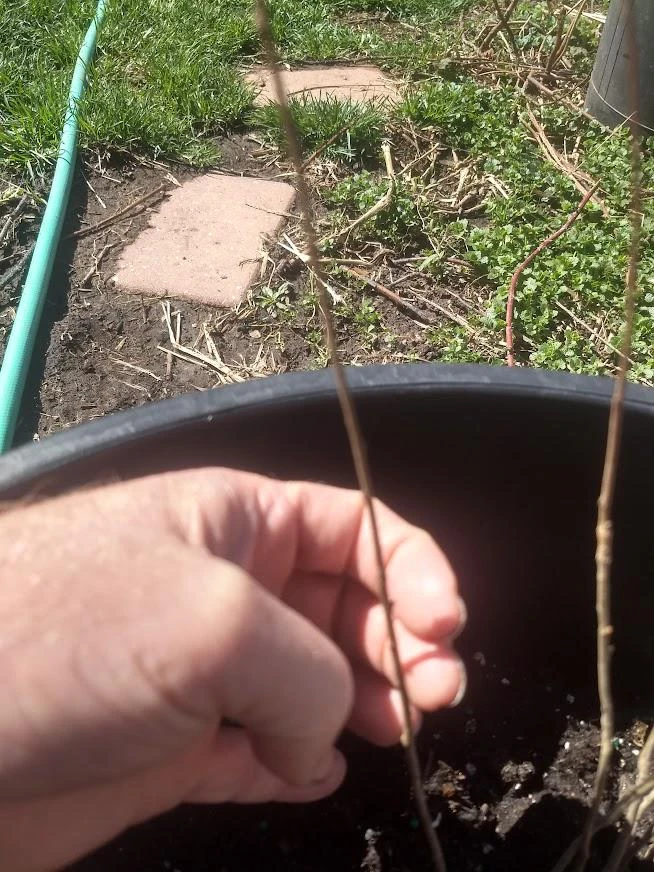
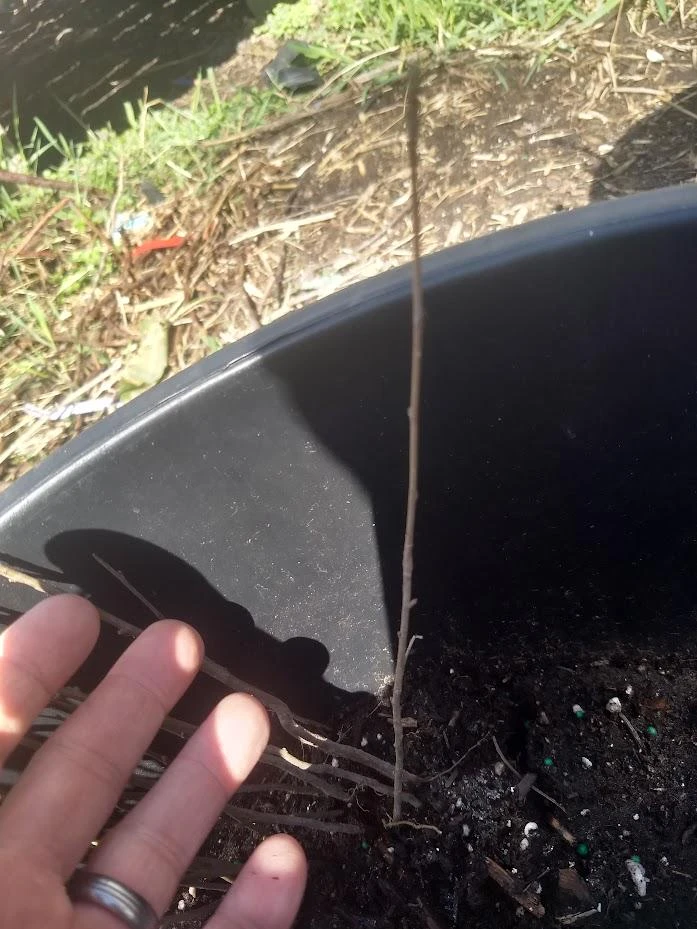
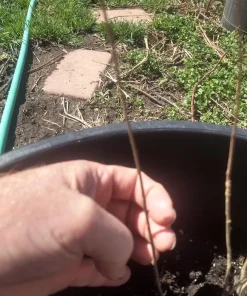
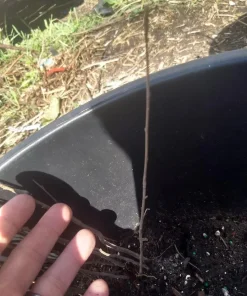
This offering is for one rooted Zumi Crabapple live plant, propagated from a healthy, fruiting mother plant. The young tree is carefully taken out of its growing pot for shipping to ensure its safe arrival. Upon maturity, the Zumi Crabapple typically grows into a dense, rounded-to-spreading deciduous tree, reaching a height of 12-20 feet. It produces small, glossy red and yellow crabapples, approximately 0.5-1 inch in diameter, which are highly attractive to wildlife. The tree’s white to pink flowers appear in profusion in the spring, adding significant ornamental value. With a moderate growth rate, this tree will establish itself well in your garden, providing years of beauty and ecological benefits. It is shipped in a protective box to minimize stress during transit.
Frequently Asked Questions
- Q: How big does this Zumi Crabapple live plant get? A: The Zumi Crabapple live plant will mature into a dense, rounded-to-spreading deciduous tree, typically reaching a height of 12-20 feet with a similar spread. Its size makes it suitable for various garden settings.
- Q: Is this an indoor or outdoor plant? A: The Zumi Crabapple is an outdoor tree, hardy in USDA Zones 4-8. It requires full sun exposure and is not suitable for indoor cultivation.
- Q: How much sunlight does it need? A: For best flowering and fruit production, the Zumi Crabapple prefers full sun, meaning at least 6 hours of direct sunlight per day. It can tolerate partial sun but may produce fewer flowers and fruits.
- Q: What condition will the Zumi Crabapple live plant arrive in? A: You will receive one rooted plant from a fruiting mother plant. It is carefully removed from its growing pot and shipped in a box designed to protect the plant during transit, ensuring it arrives in good condition.
- Q: Is this flowering fruit tree self-pollinating? A: Yes, the Zumi Crabapple is self-pollinating. However, it is also an excellent cross-pollinator for other apple trees, which can significantly improve their fruit set.
- Q: When is the best time to plant a Zumi Crabapple? A: The ideal time to plant a Zumi Crabapple is in the spring or fall, when temperatures are moderate. This allows the tree to establish its root system before extreme summer heat or winter cold.
- Q: Can the fruit from this wildlife crabapple tree be used for human consumption? A: While the fruit is usually intended for wildlife due to its sour taste, it is edible and can be used for processing into drinks, juice, freezing, canning, jams, or jellies.
- Q: Is this Zumi Crabapple grown with pesticides? A: This particular plant comes from a mother plant that has been grown without the use of pesticides, promoting a healthier environment for wildlife and your garden.
- Q: Will this tree attract deer? A: Yes, deer are often drawn to crabapple trees for their fruit and to browse on new growth. The Zumi Crabapple is a known attractant for deer and various bird species, making it a true wildlife crabapple tree.
- Q: What kind of soil does a Zumi Crabapple prefer? A: The Zumi Crabapple thrives in well-drained, fertile soil. It is adaptable to various soil types but prefers a slightly acidic to neutral pH. Good drainage is crucial for its health.
Be the first to review “Zumi Crabapple Live Plant – Wildlife Tree, Fruit, Pollinator, Zones 4-8”
People Also Viewed
Flower Seeds
30 Double Crazy Daisy Leucanthemum Superbum Seeds – Big 3″ Frizzled White Yellow Flowers
Flower Plants
Set of 2 Live Swingtime Fuchsia Plants – 5″ Pots – Red & White Blooms – Attracts Hummingbirds
Reviews
There are no reviews yet.