

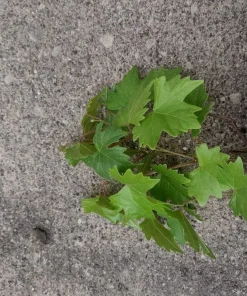
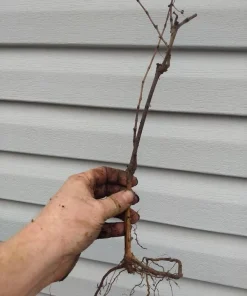

Alachua Muscadine Grape Live Plant – Self-Pollinating Vine – Vitis rotundifolia – Zones 7-11
Original price was: $58.99.$43.99Current price is: $43.99.
Cultivate your own flavorful fruit with an alachua muscadine grape live plant. This muscadine grape vine is a robust, self pollinating grape plant, perfect for zones 7-11. Enjoy sweet, dark purple fruit late in the season.
Estimated arrival
Sep 17
Sep 22 - Sep 24
Sep 27 - Oct 01
Shop With Confidence
30-Day Plant Health Guarantee
Arrives damaged? We’ll replace it free — see our return policy.
Responsive Support
Email us anytime, we reply within 1 business day.
Expert Packaging
Temperature-controlled shipping to protect your plants in transit.
Secure Checkout
Pay safely with Visa, Mastercard, PayPal.
Plant Specifications
-
USDA Hardiness Zone
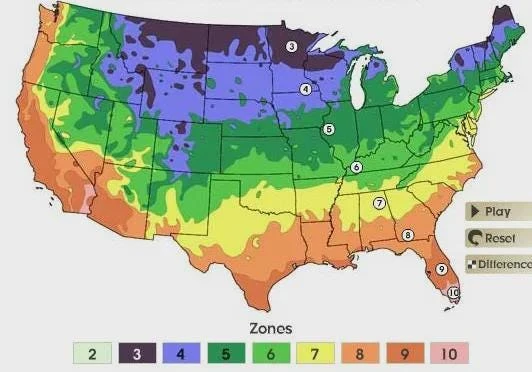
7-11 -
Soil Type
Rich sandy loam or clay loam, well-draining -
Sunlight Exposure
Full sun -
Expected Planting Period
Spring to early summer
Overview
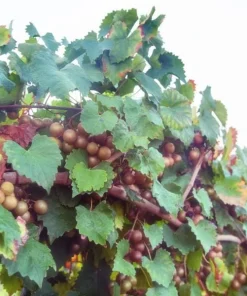
Bring the joy of fresh, homegrown fruit to your garden with this robust alachua muscadine grape live plant. Known botanically as Vitis rotundifolia, the Alachua Muscadine is a highly sought-after variety cherished for its delicious, dark purple fruit and vigorous growth. This particular offering is a live, rooted starter plant, ready to establish itself and thrive in your landscape. Muscadine grapes, native to North America, are renowned for their resilience and ability to flourish in a wide range of climates, particularly USDA Zones 7-11. This variety is also a self pollinating grape plant, meaning you only need one vine to produce a bountiful harvest, making it an ideal choice for home gardeners of all experience levels. Its adaptability and flavorful fruit make the alachua muscadine grape live plant a fantastic addition to any edible garden.
The Alachua Muscadine is a universal type, meaning its fruit is versatile for eating fresh, making juices, jams, wines, or even canning and freezing. The grapes ripen from mid-August to early September, offering a late-season treat. While the plant may try to fruit in its first year, it’s generally recommended to allow it 1-2 years to establish a strong root system and grow larger before encouraging heavy fruiting for the best long-term yield. This ensures your muscadine grape vine develops into a strong, productive plant that will provide delicious fruit for years to come.
Key Benefits
Adding an alachua muscadine grape live plant to your garden offers numerous advantages, from delicious fruit to a beautiful, productive vine. This resilient plant is an excellent choice for both novice and experienced gardeners.
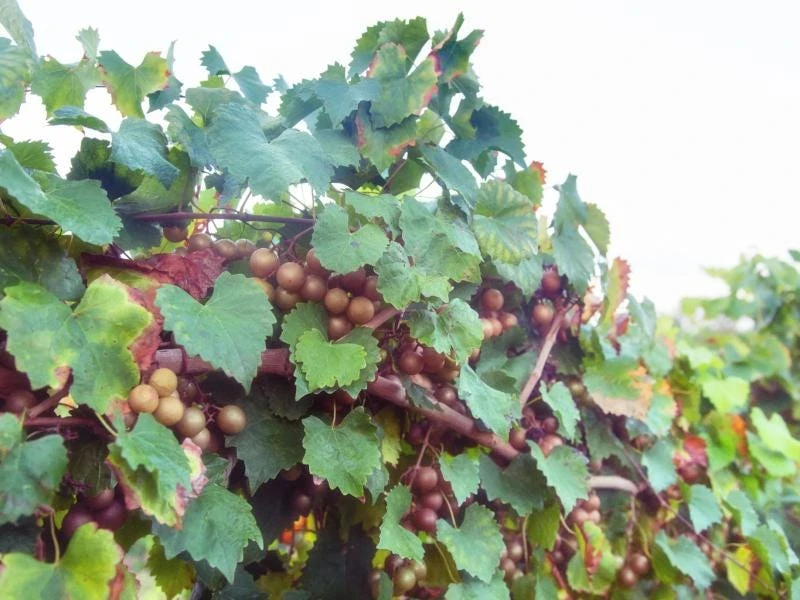
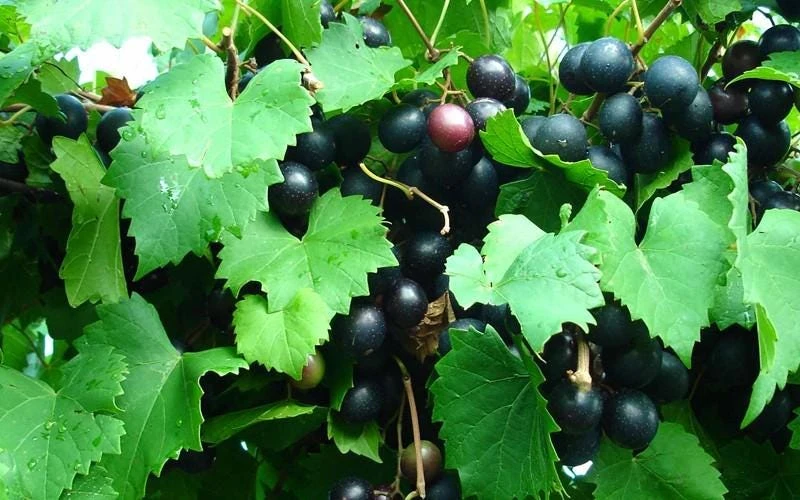
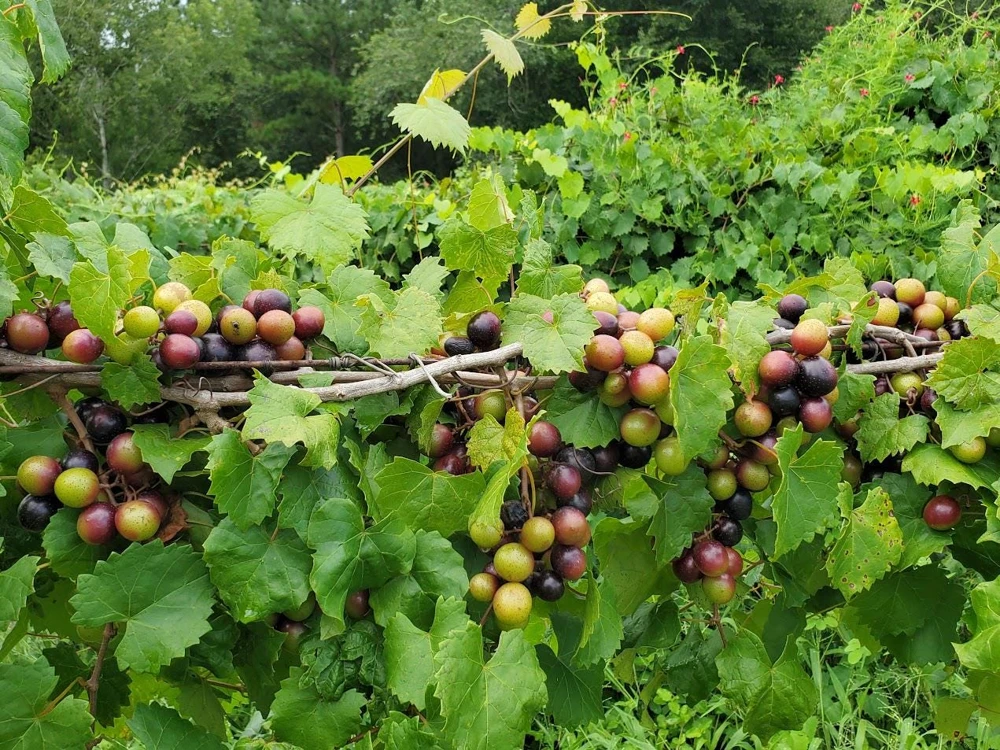
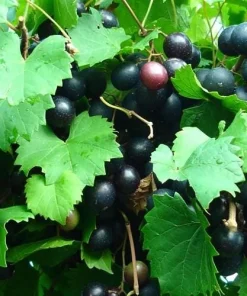
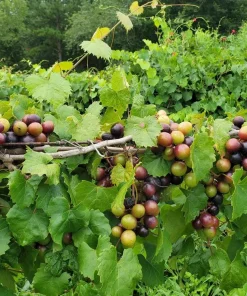
- Abundant, Delicious Fruit: Enjoy a prolific harvest of medium-purple black fruit that is sweet, flavorful, and perfect for fresh eating, juices, jams, wine, and more. The fruit boasts a strong, classic Muscadine flavor with thick skins that resist scarring.
- Self-Pollinating Convenience: As a self pollinating grape plant, this variety does not require a second vine for fruit production, simplifying your gardening efforts and guaranteeing a harvest even if you only have space for one plant.
- Vigorous Growth: The muscadine grape vine is known for its robust growth habit, quickly establishing itself and providing ample foliage and fruit once mature. It will require support to climb and spread effectively.
- Adaptable & Resilient: Thrives in a wide range of soils, preferring rich sandy loam or clay loam, and is suitable for USDA Zones 7-11. This grape variety is generally hardy and tolerant of various conditions.
- Late-Season Harvest: The fruit ripens from mid-August to early September, extending your fresh fruit season and providing a delicious treat when other fruits may be winding down.
- Low Maintenance: Once established, alachua muscadine care is relatively straightforward, making it a rewarding plant for those looking for a productive yet manageable fruiting vine.
- Pesticide-Free Potential: Growing your own allows for complete control over cultivation practices, enabling you to produce fruit without the use of pesticides.
Plant Care & Growing Tips
Successful cultivation of your alachua muscadine grape live plant begins with proper planting and consistent care. Muscadines thrive in full sun, requiring at least 6-8 hours of direct sunlight daily for optimal fruit production and vigorous growth. Choose a location that receives ample light throughout the day. While they tolerate a range of soils, they prefer rich, sandy loam or clay loam with good drainage. Grapes do not tolerate flooding, so avoid mucky soils or plant in raised mounds if drainage is a concern. Ensure the planting site has adequate air circulation to help prevent fungal diseases.
Watering is crucial, especially during the establishment phase. Keep the soil consistently moist but not waterlogged. Once established, muscadines are relatively drought-tolerant but will benefit from regular watering during dry spells, especially when fruit is developing. Fertilize in early spring with a balanced fertilizer designed for fruit-bearing plants, following package instructions. Avoid over-fertilizing, which can promote excessive vegetative growth at the expense of fruit. Pruning is essential for maintaining the vine’s shape, promoting air circulation, and maximizing fruit production. Typically, dormant pruning is performed in late winter to remove dead or weak wood and train the vine along its support structure. Understanding alachua muscadine care is key to a healthy and productive plant.
This Vitis rotundifolia variety is hardy in USDA Zones 7-11. In colder parts of its range, some winter protection may be beneficial for young plants. Provide a sturdy trellis, arbor, or fence for the vine to climb, as it is a vigorous grower. Monitor for common grape pests and diseases, though Muscadines are generally quite resistant. Early detection and organic pest control methods are often effective. Allow your muscadine grape vine to grow and establish for 1-2 years before expecting a significant harvest; this investment in root development will lead to a more productive plant in subsequent years. Your self pollinating grape plant will reward your efforts with delicious fruit.
Size & Details
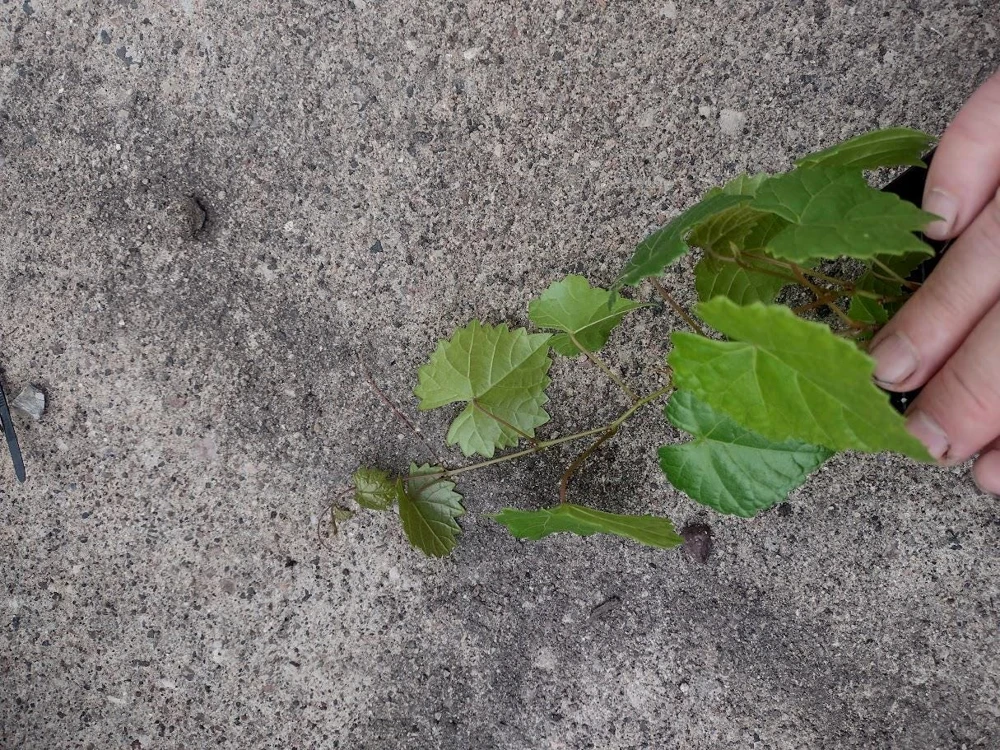
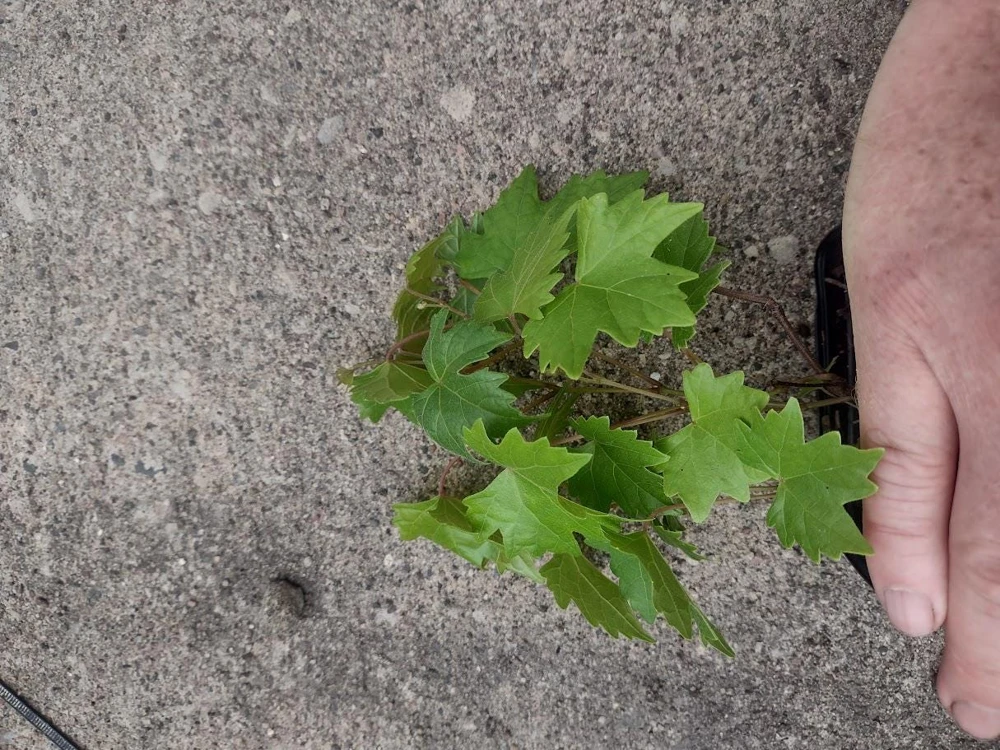
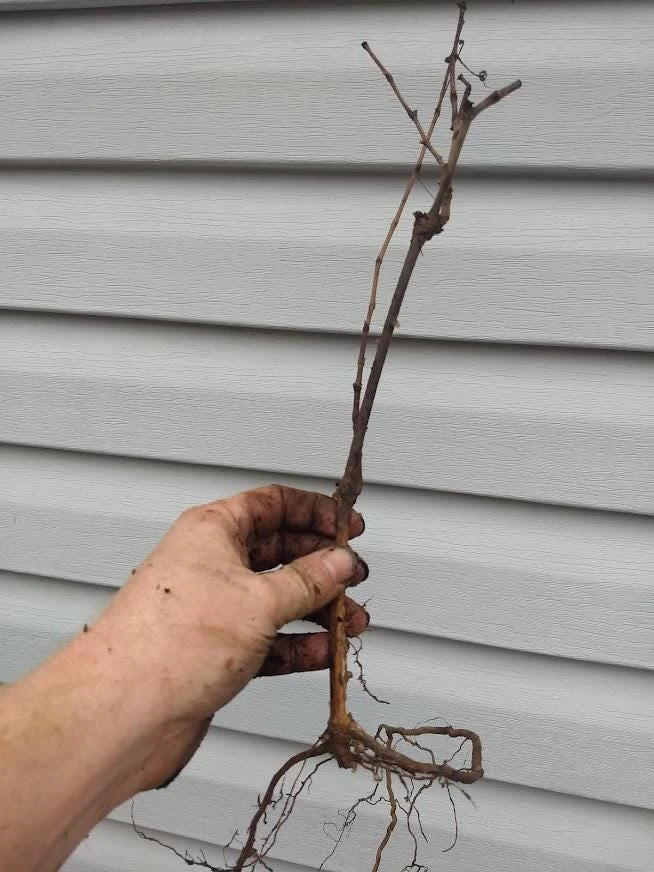
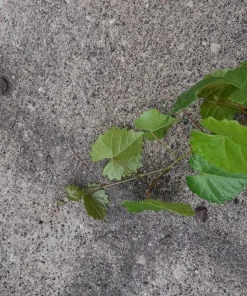
This offering is for one live, rooted starter plant of the alachua muscadine grape live plant. The plant is carefully removed from its growing pot for shipping to ensure its health and protection during transit. It will arrive ready for planting in your garden or a larger container. As a vine plant, it will require a support structure such as a trellis, arbor, or sturdy fence to climb and thrive. The Alachua Muscadine is a vigorous grower, and with proper care, it will quickly develop into a substantial vine capable of producing abundant fruit.
The fruit of this Vitis rotundifolia variety is medium-purple black, ripening in mid-to-late August to early September. While the specific dimensions of the starter plant will vary, it is a healthy, established young plant from a fruiting mother plant, ensuring genetic authenticity. Expect it to take 1-2 years to establish fully and begin producing a significant crop. This muscadine grape vine has a strong, classic Muscadine flavor and is suitable for a wide range of culinary uses, from fresh eating to winemaking and preserving. Ensure you plan for its mature size, as it can grow quite large and productive.
Frequently Asked Questions
- Q: How big does this alachua muscadine grape live plant get? A: The Alachua Muscadine is a vigorous vine that can grow quite large, often reaching lengths of 15-20 feet or more, depending on the support structure and pruning. It will quickly cover a trellis or arbor once established.
- Q: What size pot does it come in? A: The plant is shipped as a rooted starter plant, carefully removed from its growing pot for safe transit. It will need to be planted into a larger container or directly into the ground upon arrival.
- Q: Is this an indoor or outdoor plant? A: This muscadine grape vine is an outdoor plant, best suited for planting directly in the garden where it can receive full sun and ample space to grow and climb.
- Q: How much sunlight does it need? A: The Alachua Muscadine grape requires full sun, meaning at least 6-8 hours of direct sunlight per day, for optimal growth and fruit production.
- Q: Is this plant easy to care for? A: Yes, alachua muscadine care is relatively easy once established. It’s a hardy and vigorous vine, making it a good choice for both beginner and experienced gardeners, especially because it’s a self pollinating grape plant.
- Q: What condition will it arrive in? A: Your plant will arrive as a live, rooted starter plant, carefully packaged to protect it during shipping. It will be ready for immediate planting.
- Q: How long until it fruits? A: While the plant may attempt to fruit in its first year, it’s generally recommended to allow 1-2 years for the vine to establish a strong root system and grow larger before encouraging a heavy crop. Significant fruiting typically begins in the second or third year.
- Q: When is the best time to plant this muscadine grape? A: The best time to plant is typically in the spring after the last frost, or in early fall in warmer climates, to allow the roots to establish before extreme temperatures.
- Q: Will it survive winter in my zone? A: This Vitis rotundifolia variety is hardy in USDA Zones 7-11. If you are in the colder end of this range, ensure it is well-established before winter and consider some protection for young plants during severe cold snaps.
- Q: What are the best uses for Alachua Muscadine grapes? A: These versatile grapes are excellent for fresh eating, making delicious juices, jams, jellies, and wine. They can also be frozen or canned for later enjoyment.
Be the first to review “Alachua Muscadine Grape Live Plant – Self-Pollinating Vine – Vitis rotundifolia – Zones 7-11”
People Also Viewed


Reviews
There are no reviews yet.