


Roselow Crabapple Live Plant – Flowering Fruit Shrub for Wildlife – Zones 4-9
Original price was: $58.99.$43.99Current price is: $43.99.
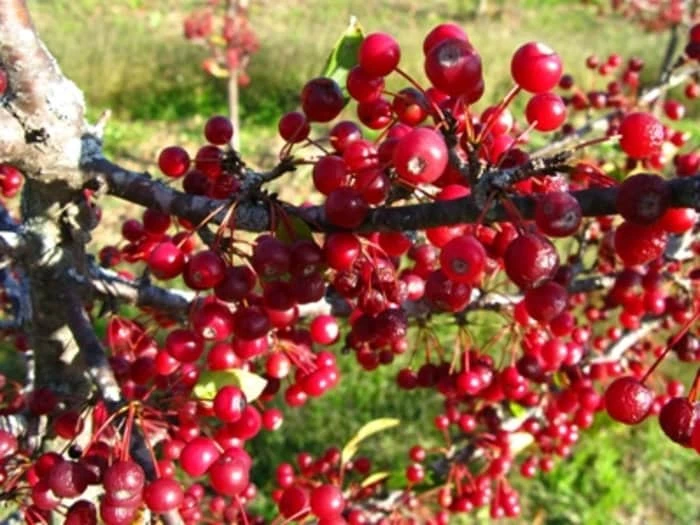
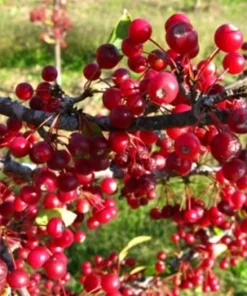
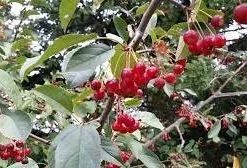
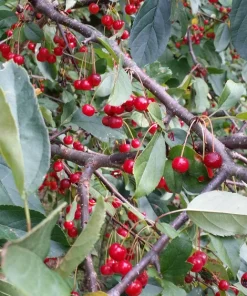
Bring nature to your backyard with the Roselow Crabapple live plant. This beautiful flowering shrub provides abundant red fruit, attracting various wildlife. Perfect for USDA Zones 4-9.
Estimated arrival
Sep 17
Sep 22 - Sep 24
Sep 27 - Oct 01
Shop With Confidence
30-Day Plant Health Guarantee
Arrives damaged? We’ll replace it free — see our return policy.
Responsive Support
Email us anytime, we reply within 1 business day.
Expert Packaging
Temperature-controlled shipping to protect your plants in transit.
Secure Checkout
Pay safely with Visa, Mastercard, PayPal.
Plant Specifications
-
USDA Hardiness Zone
USDA Zones 4-9 -
Soil Type
Well-draining soil -
Sunlight Exposure
Full sun -
Expected Planting Period
Spring to early summer
Overview
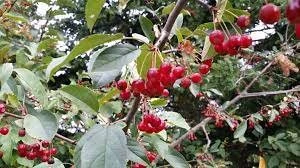
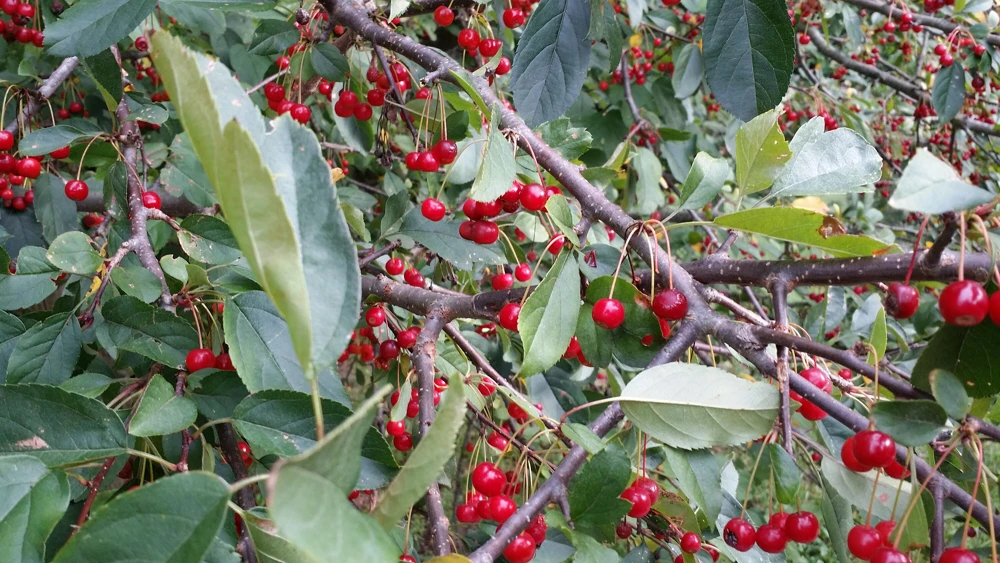
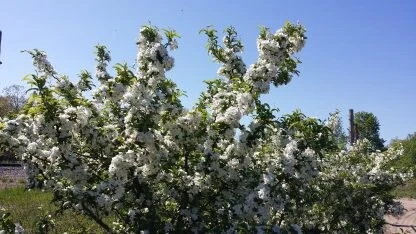
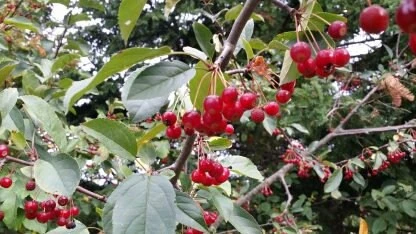
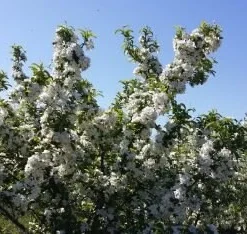
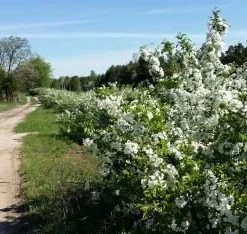
Introduce a vibrant and beneficial addition to your landscape with the Roselow Crabapple live plant. This exceptional Malus variety is renowned for its ornamental beauty and its significant value to local wildlife. Known botanically as Malus ‘Roselow’, this compact crabapple tree is a favorite among gardeners seeking to create an ecological haven. It produces a spectacular display of pure white, fragrant blossoms in mid-May, followed by an impressive bounty of small, bright red fruit that persists into winter. The Roselow Crabapple live plant is a hardy and adaptable choice, thriving across a wide range of climates and bringing year-round interest to your garden.
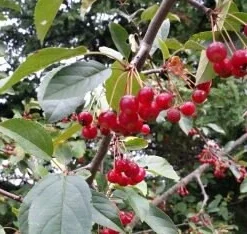
The ‘Roselow’ cultivar is a densely branched, rounded shrub that typically reaches a manageable height of 8-12 feet. Its smaller stature makes it an ideal choice for various garden settings, from suburban yards to larger estates. This particular crabapple is highly valued for its generous fruit production, often yielding an average of 27 pounds of fruit per shrub. While the fruit is sour for human consumption, it is a crucial food source for numerous bird species and deer, making it an excellent investment for supporting local ecosystems. Embrace the beauty and ecological benefits of this remarkable flowering fruit shrub.
Key Benefits
The Roselow Crabapple live plant offers a multitude of advantages for any garden. Its aesthetic appeal is matched only by its ecological contributions, providing a dynamic addition that supports local biodiversity.
- Attracts Wildlife: The abundant small red fruit is a favorite food for a variety of birds, including ruffed grouse, pheasant, and woodpeckers. Deer are also drawn to the fruit and new growth, making it an excellent choice for a crabapple tree for wildlife.
- Stunning Spring Blooms: Enjoy a breathtaking display of pure white, fragrant blossoms in mid-May, adding beauty and a delightful scent to your garden. These flowers also serve as an early nectar source for pollinators.
- Compact Growth Habit: Reaching a height of only 8-12 feet, this rounded and densely branched shrub fits well into smaller gardens or as a specimen plant, requiring minimal pruning to maintain its shape.
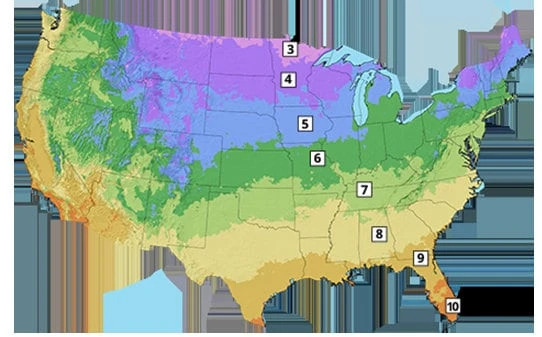
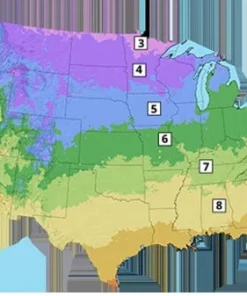
- Hardy & Adaptable: Thrives in USDA Zones 4-9, demonstrating excellent cold hardiness and adaptability to various growing conditions, ensuring a robust and healthy plant for many years.
- Low Maintenance: Once established, the Roselow Crabapple live plant is relatively easy to care for, requiring minimal intervention to flourish and produce fruit.
- Year-Round Interest: Offers seasonal beauty with spring flowers, summer foliage, and persistent red fruit that provides visual interest and wildlife sustenance through fall and winter.
- Pollinator Friendly: Its beautiful white flowers are not only attractive but also provide valuable nectar for bees and other beneficial insects, supporting garden health.
Plant Care & Growing Tips
Caring for your Roselow Crabapple live plant is straightforward, ensuring years of beautiful blooms and abundant fruit. This hardy tree prefers a location with full sun exposure, meaning at least 6 hours of direct sunlight per day. Adequate sunlight is crucial for optimal flowering and fruit production. While it can tolerate some partial shade, full sun will yield the best results. Ensure your chosen site has good air circulation to minimize potential disease issues.
When it comes to soil, the Roselow Crabapple live plant thrives in a variety of well-draining soils. While adaptable, it prefers a slightly acidic to neutral pH. Amend heavy clay soils with organic matter like compost to improve drainage, and sandy soils to enhance water retention. Consistent moisture is important, especially during the first year of establishment. Water deeply and regularly, ensuring the soil remains evenly moist but not waterlogged. Once established, it can tolerate some drought, but supplemental watering during dry spells will benefit fruit development. Avoid overhead watering to reduce the risk of fungal diseases.
The ‘Roselow’ crabapple is cold hardy in USDA Zones 4-9. Fertilize in early spring with a balanced, slow-release fertilizer formulated for trees and shrubs. Follow the product instructions carefully to avoid over-fertilization. Pruning should be done in late winter or early spring while the tree is dormant. Focus on removing dead, damaged, or crossing branches, and thin out the canopy to improve air circulation and sunlight penetration. This maintenance will help maintain the health and vigor of your crabapple plant care routine. Watch for common apple pests or diseases and treat them promptly if they appear, though crabapples are generally quite resilient.
Size & Details
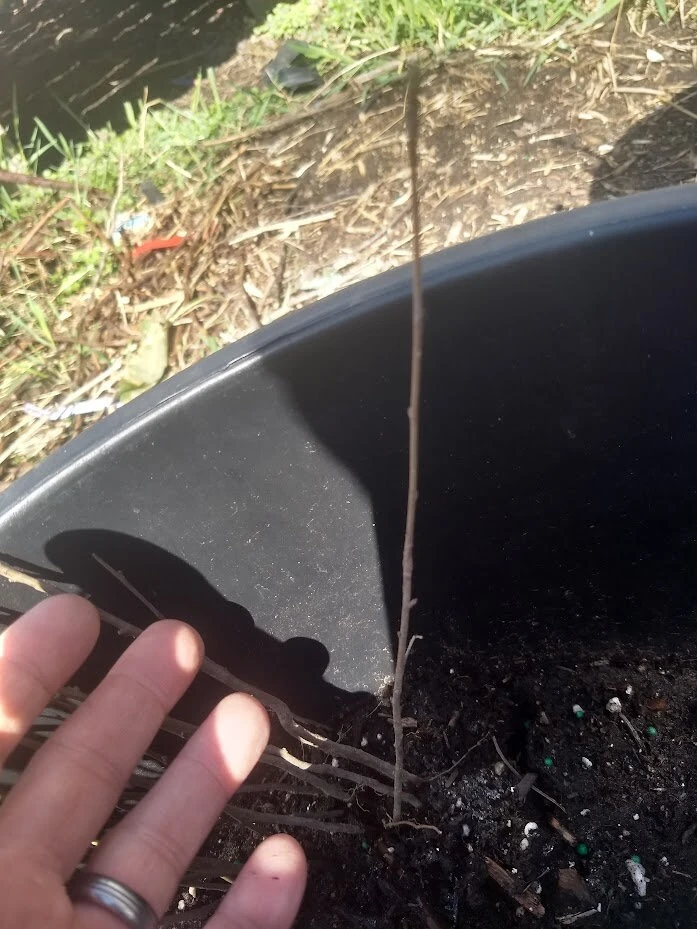
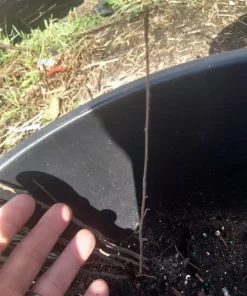
The Roselow Crabapple live plant is typically shipped as a rooted plant, ready for transplanting into your garden. Upon arrival, it will be carefully packaged to ensure its protection during transit. This particular cultivar is known for its compact and rounded growth habit, generally reaching a mature height of 10-12 feet with a similar spread. Its moderate size makes it suitable for various landscape applications, from a focal point in a small garden to a valuable component of a wildlife-friendly planting scheme.
You will receive one rooted plant, cultivated from a fruiting mother plant, ensuring its genetic integrity and fruit-bearing capabilities. The plant will be removed from its growing pot for shipping to minimize weight and ensure safe delivery. Expect vigorous growth once established, with the first significant flowering and fruiting typically occurring within a few years of planting. This flowering fruit shrub is a long-term investment, providing beauty and ecological benefits for decades.
Frequently Asked Questions
- Q: How big does this plant get? A: The Roselow Crabapple live plant typically grows to a height of 10-12 feet with a similar spread, forming a rounded and densely branched shrub. Its compact size makes it versatile for many garden spaces.
- Q: Is this an indoor or outdoor plant? A: This is an outdoor plant, specifically a hardy tree suitable for planting directly in the ground. It thrives in USDA Zones 4-9 and requires full sun exposure for optimal growth and fruit production.
- Q: How much sunlight does it need? A: The Roselow Crabapple requires full sun, meaning at least 6 hours of direct sunlight per day, to produce the best flowering and fruit yield.
- Q: Is this plant easy to care for? A: Yes, once established, the Roselow Crabapple live plant is relatively low-maintenance. It requires well-draining soil, consistent watering during establishment, and annual pruning.
- Q: What condition will it arrive in? A: You will receive one rooted plant, carefully prepared and packaged without its growing pot to ensure safe and stress-free transit. It will be ready for immediate planting upon arrival.
- Q: How long until it blooms? A: Significant flowering and fruit production typically begin within a few years of planting, once the plant has established a strong root system and sufficient growth.
- Q: Will it survive winter in my zone? A: The Roselow Crabapple is very cold hardy and thrives in USDA Zones 4-9, making it suitable for a wide range of climates and able to withstand cold winters.
- Q: Can humans eat the fruit? A: While the fruit is edible, it is quite sour and primarily intended for wildlife consumption. It’s an excellent choice if you’re looking for a crabapple tree for wildlife.
- Q: What kind of soil does it prefer? A: This crabapple prefers well-draining soil and can adapt to various soil types, from sandy to clay, as long as drainage is adequate.
- Q: Is it self-pollinating? A: Yes, the Roselow Crabapple is self-pollinating, meaning a single tree can produce fruit without the need for another crabapple nearby.
Be the first to review “Roselow Crabapple Live Plant – Flowering Fruit Shrub for Wildlife – Zones 4-9”
People Also Viewed


Herb Seeds
Creeping Thyme Herb Flower Seeds – Blue Ground Cover, Thymus Serpyllum, 100+ Seeds, Perennial

Reviews
There are no reviews yet.