
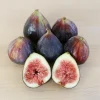

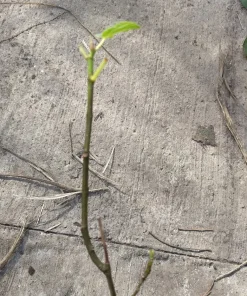
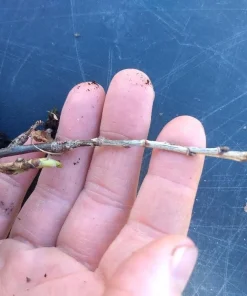

Chicago Hardy Fig Live Plant – Dormant, Self-Pollinating, Cold Hardy Zones 6-10
Original price was: $62.99.$47.99Current price is: $47.99.
Cultivate your own sweet, purple figs with this Chicago Hardy fig live plant. A self-pollinating and exceptionally cold-hardy variety, it’s ideal for USDA Zones 6-10 and adapts beautifully to container growing, making it perfect for patios or indoor wintering.
Estimated arrival
Sep 17
Sep 22 - Sep 24
Sep 27 - Oct 01
Shop With Confidence
30-Day Plant Health Guarantee
Arrives damaged? We’ll replace it free — see our return policy.
Responsive Support
Email us anytime, we reply within 1 business day.
Expert Packaging
Temperature-controlled shipping to protect your plants in transit.
Secure Checkout
Pay safely with Visa, Mastercard, PayPal.
Plant Specifications
-
USDA Hardiness Zone
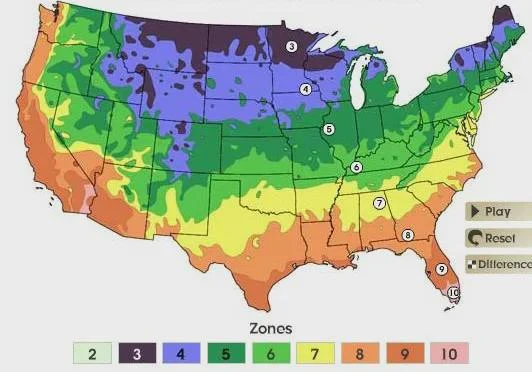
USDA Zones 6-10 -
Soil Type
Well-draining, loamy soil -
Sunlight Exposure
Full sun -
Expected Planting Period
Spring to early summer (or year-round indoors for containers)
Overview
Bring the joy of fresh, homegrown figs to your garden or patio with the exceptional Chicago Hardy fig live plant. This remarkable variety, scientifically known as Ficus carica ‘Chicago Hardy’, is celebrated for its robust nature and delicious fruit. Unlike many fig varieties, the Chicago Hardy fig live plant boasts impressive cold hardiness, making it a favorite among gardeners in cooler climates. It’s a fantastic choice for those in USDA Zones 6-10, offering the opportunity to grow figs where traditional varieties might struggle. Whether you’re an experienced horticulturist or a budding green thumb, this self-pollinating plant is an excellent addition, providing both ornamental beauty and a bounty of sweet, purple-type figs. Its adaptability to container culture means you can enjoy fresh figs even if you have limited space, easily moving it indoors during harsh winter months.
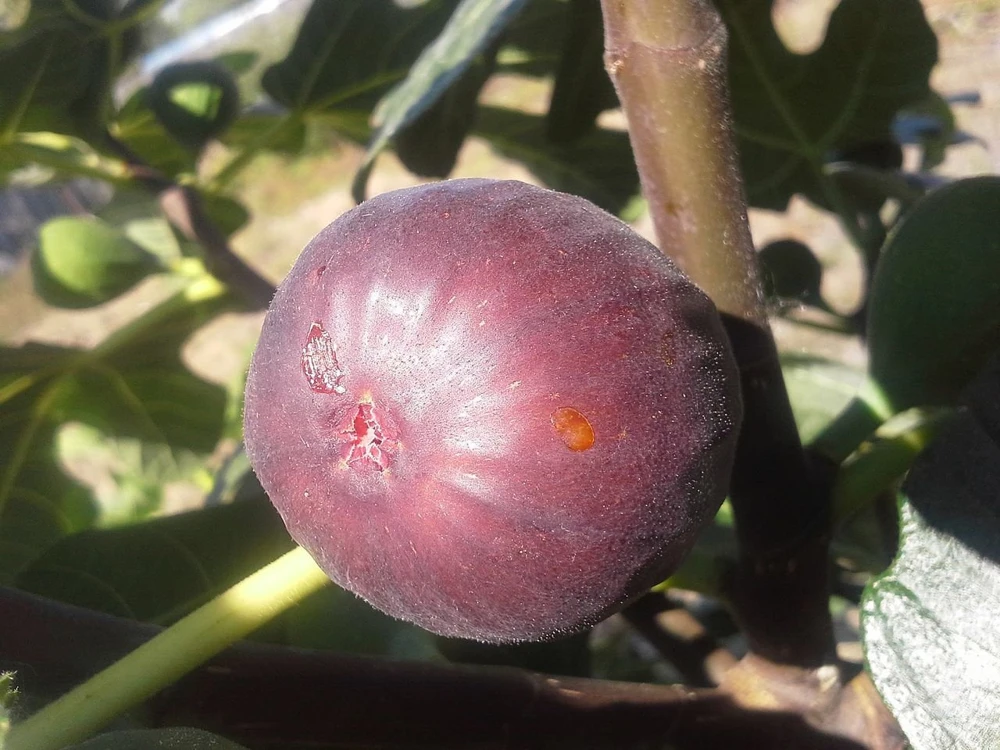
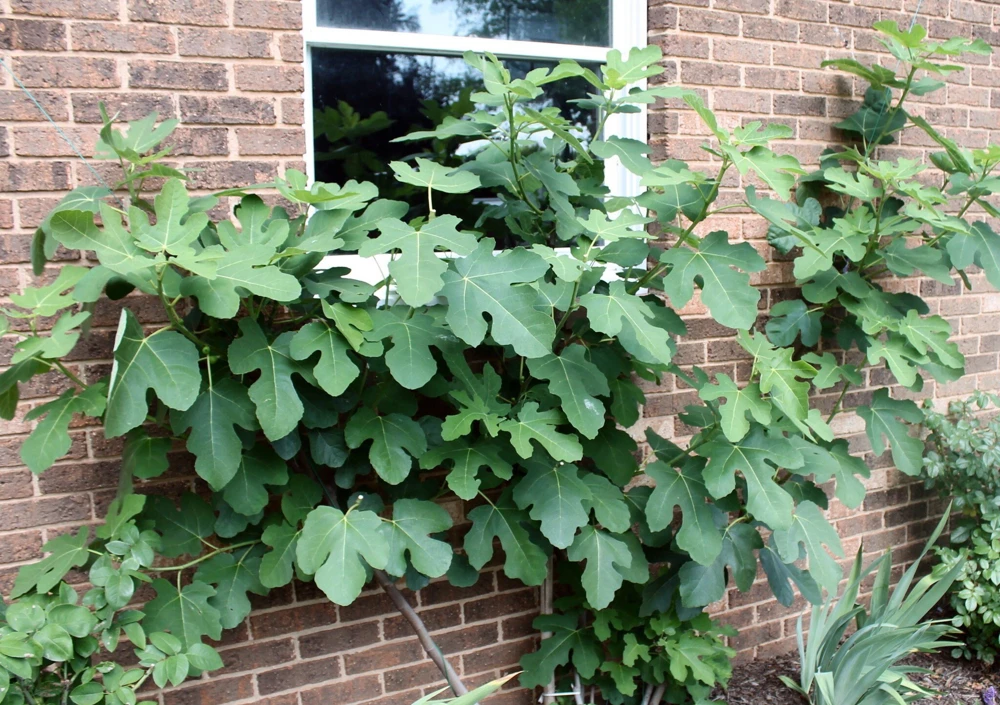
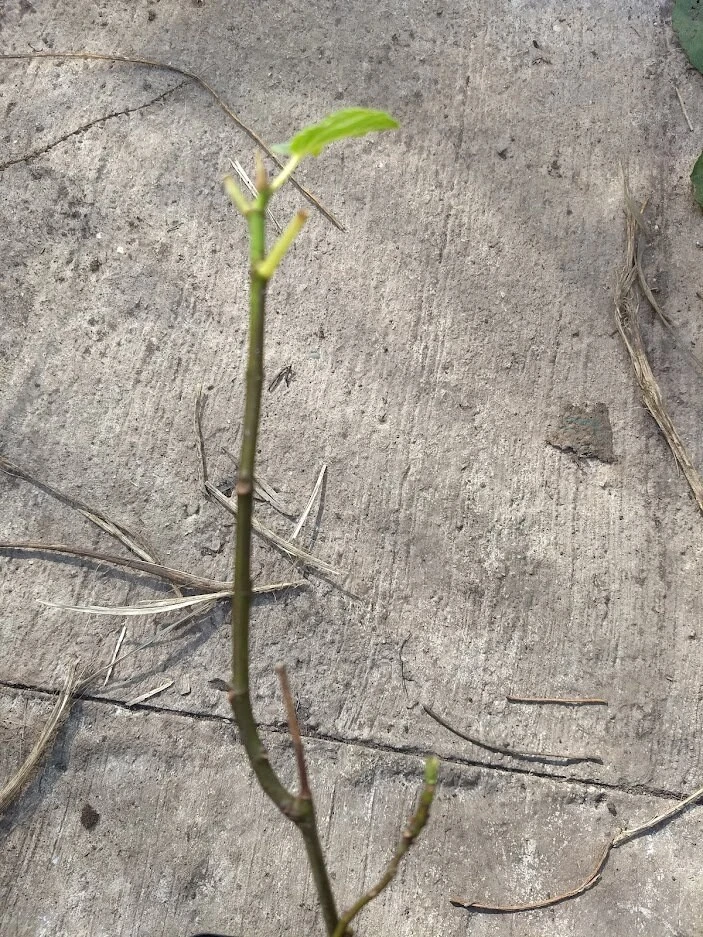
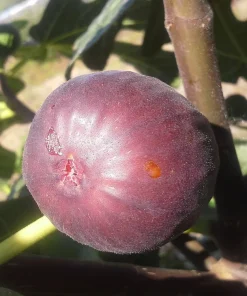
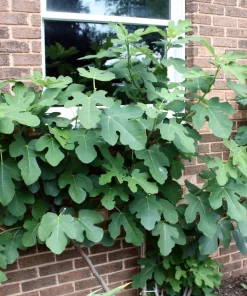
The Chicago Hardy fig tree is a deciduous shrub that can reach an impressive height of 8-15 feet when mature, though its size can be managed with pruning, especially when grown in a pot. This particular offering is a live rooted starter plant, ready to establish itself in its new home. With proper care, you can expect your first crop of sweet figs within approximately two years. The fruit of the Chicago Hardy fig live plant is known for its deep purple to light brown skin and sweet, pink flesh, making it ideal for eating fresh, cooking, or preserving. Its reliability and ease of care make it a highly desirable fruit-bearing plant for a wide range of growing environments.
Key Benefits
The Chicago Hardy fig live plant offers a multitude of advantages for any gardener looking to add a productive and resilient fruit tree to their collection. Its unique characteristics ensure a rewarding growing experience and a delicious harvest.
- Exceptional Cold Hardiness: One of the most significant benefits of the Chicago Hardy fig live plant is its remarkable ability to withstand colder temperatures, thriving in USDA Zones 6-10. This makes it a prime choice for regions where other fig varieties might not survive, enduring winter conditions with proper root protection.
- Self-Pollinating: You don’t need a second fig tree to ensure a harvest. The Chicago Hardy fig tree is self-pollinating, meaning a single plant can produce an abundance of fruit, simplifying the growing process and guaranteeing a crop.
- Delicious & Versatile Fruit: Enjoy sweet, juicy figs with deep purple to light brown skin and tender pink flesh. These figs are perfect for fresh eating, baking, jams, or even juicing, offering a versatile culinary ingredient straight from your garden.
- Ideal for Container Growing: This variety is perfectly suited for growing in containers, allowing you to cultivate fresh figs even in small spaces like patios, balconies, or urban gardens. Its compact nature when potted makes it easy to move indoors during winter.
- Low Maintenance & Resilient: Known for its hardiness and vigor, the Chicago Hardy fig live plant requires relatively low maintenance once established. It’s a robust plant that can tolerate a range of conditions, making it suitable for gardeners of all experience levels.
- Pesticide-Free Growing: For those committed to organic gardening, this plant encourages a natural approach, often thriving without the need for harsh chemicals, allowing you to enjoy truly clean fruit.
- Ornamental Appeal: Beyond its fruit, the Chicago Hardy fig live plant offers attractive foliage during the growing season and an interesting winter silhouette, adding beauty to your landscape year-round.
Plant Care & Growing Tips
Caring for your Chicago Hardy fig live plant is straightforward, especially given its resilient nature. Understanding its basic needs will ensure a healthy plant and a bountiful harvest. For optimal growth, the Chicago Hardy fig tree prefers a location that receives full sun, meaning at least 6-8 hours of direct sunlight per day. While it can tolerate partial shade, full sun promotes better fruit production and overall plant vigor. If growing in a container, ensure it’s placed in the sunniest spot available, especially during the fruiting season.
When it comes to watering, consistent moisture is key, especially for young plants and those grown in containers. Water thoroughly when the top inch or two of soil feels dry to the touch, but avoid overwatering, which can lead to root rot. Well-draining soil is crucial for figs. A loamy, fertile soil with a slightly acidic to neutral pH (6.0-7.0) is ideal. For container plants, use a high-quality potting mix that drains well. The Chicago Hardy fig live plant is hardy in USDA Zones 6-10. In zone 6, it may die back to the ground in severe winters but will typically regrow from the roots in spring. Providing root protection with a thick layer of mulch or wrapping the trunk can significantly improve winter survival in colder zones. Fertilize your Chicago Hardy fig tree with a balanced, all-purpose fertilizer in early spring and again in mid-summer to support growth and fruit development. Watch out for common fig pests like fig rust or spider mites, though the ‘Chicago Hardy’ is generally quite robust. Good air circulation and proper watering can prevent most issues.
Size & Details
This offering is for one Chicago Hardy fig live plant, provided as a rooted starter plant. While the initial size may vary, these plants are known for their rapid growth once established. When mature, if planted directly in the ground, the Chicago Hardy fig tree can reach a height of 8-15 feet and a similar spread, forming a multi-stemmed shrub. When grown in a container, its size can be effectively managed through regular pruning, allowing it to remain more compact and suitable for patio or indoor cultivation. This variety is deciduous, meaning it will lose its leaves in the fall and enter a dormant state during winter, re-emerging with new growth in spring.
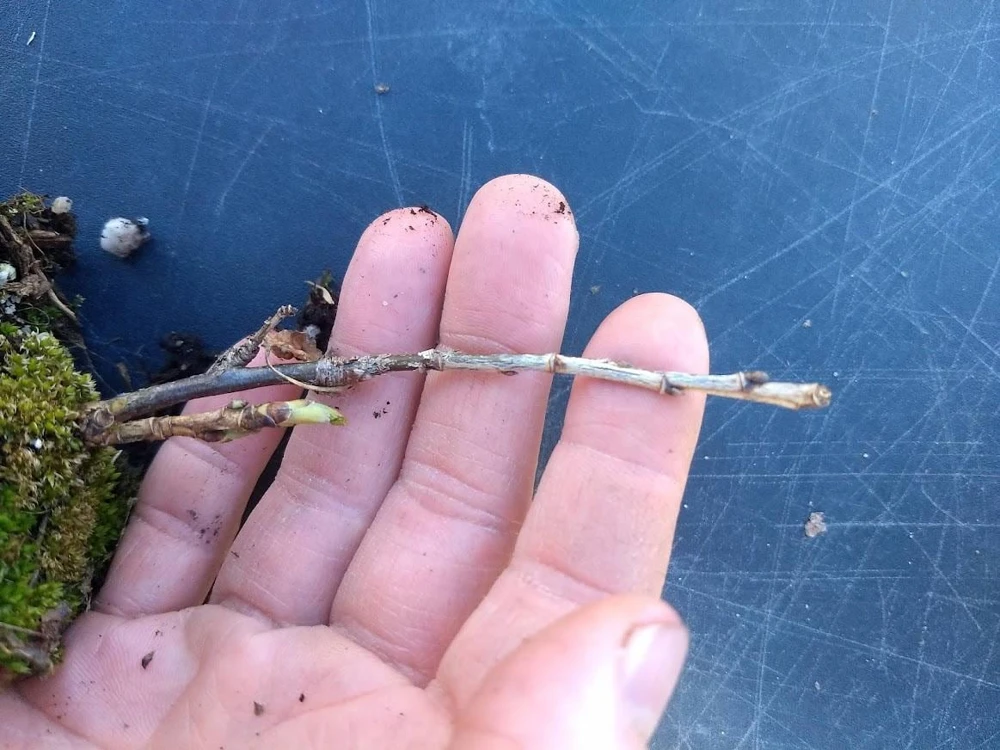
Expect your first crop of delicious purple-type figs approximately two years after planting, with one main crop per year. The fruit develops with a deep purple to light brown exterior and sweet pink flesh. The plant is shipped bare-root, carefully removed from its growing pot to ensure safe transport and minimize transplant shock. It arrives ready for immediate planting in your garden or a suitable container. The hardiness of the hardy fig for containers makes it a versatile choice, allowing gardeners in various climates to enjoy fresh figs.
Frequently Asked Questions
- Q: How big does this plant get? A: If planted in the ground, the Chicago Hardy fig live plant can grow to be 8-15 feet tall and wide. When grown in a container, its size can be controlled with pruning, typically remaining smaller and more manageable for patios or indoor spaces.
- Q: Is this an indoor or outdoor plant? A: The Chicago Hardy fig tree is primarily an outdoor plant, hardy in USDA Zones 6-10. In colder zones (6-7), it can be grown in containers and moved indoors to a cool garage or protected area during winter.
- Q: How much sunlight does it need? A: For optimal fruit production and healthy growth, your Chicago Hardy fig live plant requires full sun, which means at least 6-8 hours of direct sunlight per day.
- Q: What condition will it arrive in? A: Your Chicago Hardy fig live plant will arrive as a live, rooted starter plant, carefully packaged and taken out of its growing pot for shipping to ensure its health upon arrival.
- Q: Is this plant easy to care for? A: Yes, the ‘Chicago Hardy’ fig is known for its robust nature and is considered relatively easy to care for, making it suitable for both beginner and experienced gardeners. Consistent watering and adequate sunlight are key.
- Q: How long until it fruits? A: With proper care, you can typically expect your Chicago Hardy fig live plant to begin producing fruit within approximately two years after planting.
- Q: Will it survive winter in my zone? A: The Chicago Hardy fig tree is cold hardy to USDA Zone 6. In zones 6-7, it may die back to the ground but will often regrow from the roots in spring. Providing winter protection for the roots is recommended in these colder zones.
- Q: Can I use the figs for cooking? A: Absolutely! The sweet, purple-type figs from your Chicago Hardy fig live plant are excellent for fresh eating, baking, making jams and preserves, or any recipe that calls for fresh figs.
- Q: What kind of soil does this fig need? A: This fig thrives in well-draining, fertile soil with a slightly acidic to neutral pH. For container planting, use a high-quality potting mix that ensures good drainage.
- Q: Is this a self-pollinating plant? A: Yes, the Chicago Hardy fig live plant is self-pollinating, meaning you only need one plant to get a harvest of delicious figs.
Be the first to review “Chicago Hardy Fig Live Plant – Dormant, Self-Pollinating, Cold Hardy Zones 6-10”
People Also Viewed
Uncategorized

Flower Plants
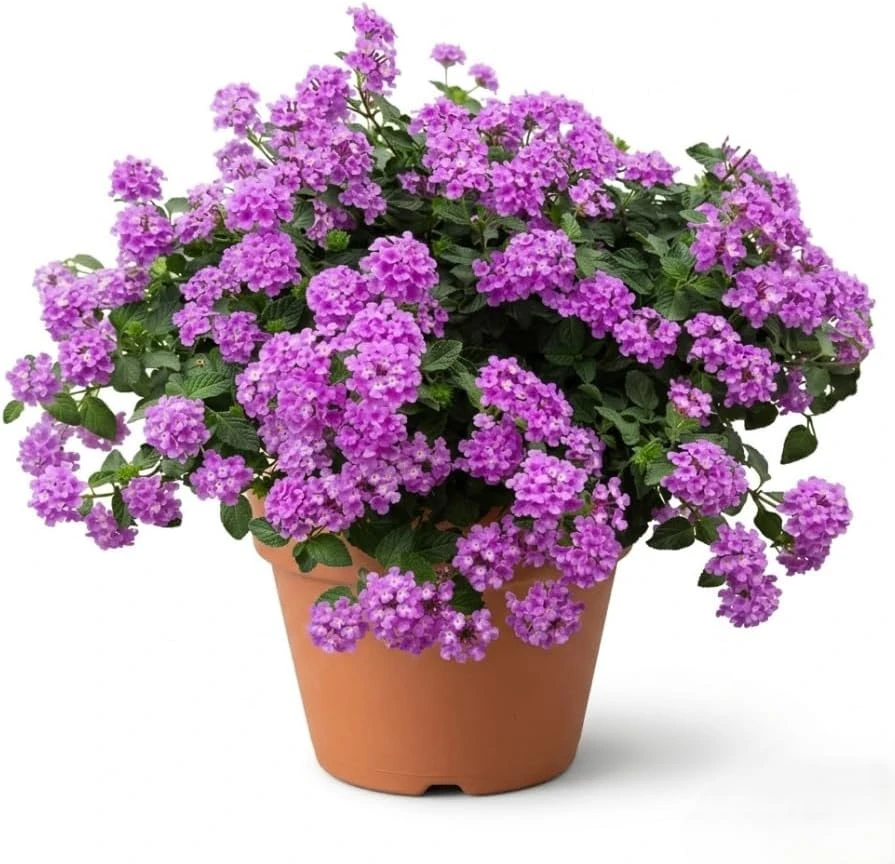
Purple Lantana Live Plant – Perennial Fragrant Flower for Outdoor Garden 4-6 Inch Tall
Reviews
There are no reviews yet.