

15 Awapuhi Shampoo Ginger Rhizomes – Zingiber Zerumbet Tubers for Planting
Original price was: $83.99.$58.99Current price is: $58.99.
Cultivate your own unique Awapuhi Shampoo Ginger plant with this pack of 15 healthy rhizomes. Known for its distinctive pinecone-like flowers and the natural, shampoo-like sap it produces, Zingiber zerumbet tubers are perfect for tropical gardens or indoor containers. Enjoy the fragrant blooms and traditional uses of this beautiful ginger lily.
Estimated arrival
Oct 13
Oct 18 - Oct 20
Oct 23 - Oct 27
Shop With Confidence
30-Day Plant Health Guarantee
Arrives damaged? We’ll replace it free — see our return policy.
Responsive Support
Email us anytime, we reply within 1 business day.
Expert Packaging
Temperature-controlled shipping to protect your plants in transit.
Secure Checkout
Pay safely with Visa, Mastercard, PayPal.
Plant Specifications
-
USDA Hardiness Zone
8-11 -
Soil Type
Rich, well-draining, slightly acidic soil -
Sunlight Exposure
Partial to full shade -
Expected Planting Period
Spring
Overview
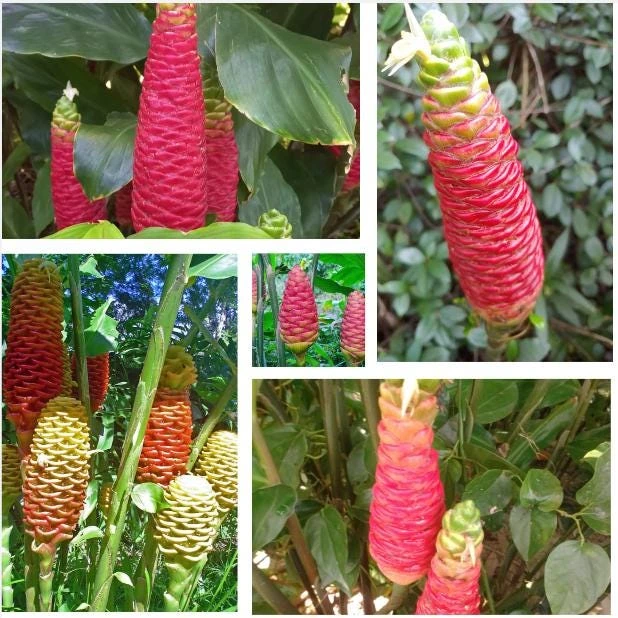
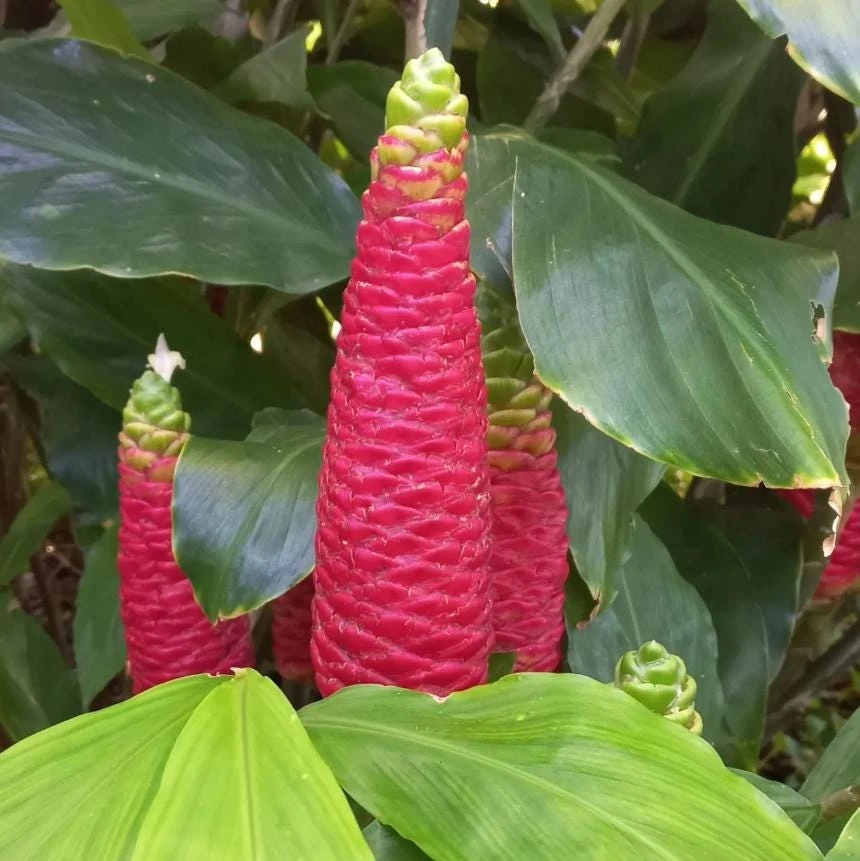
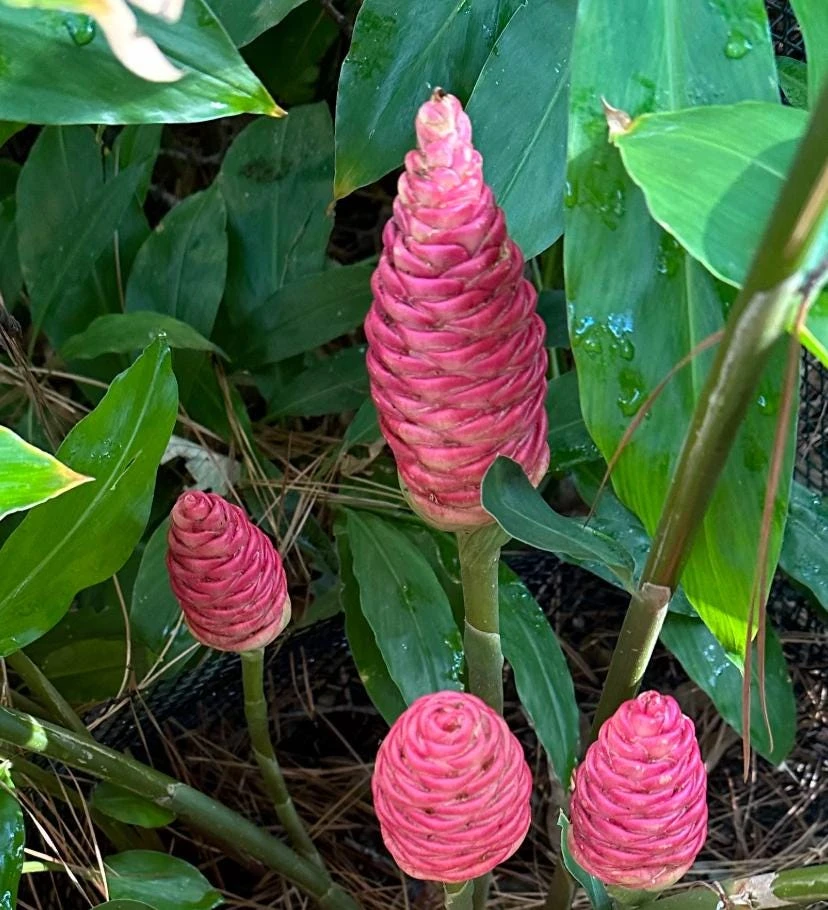
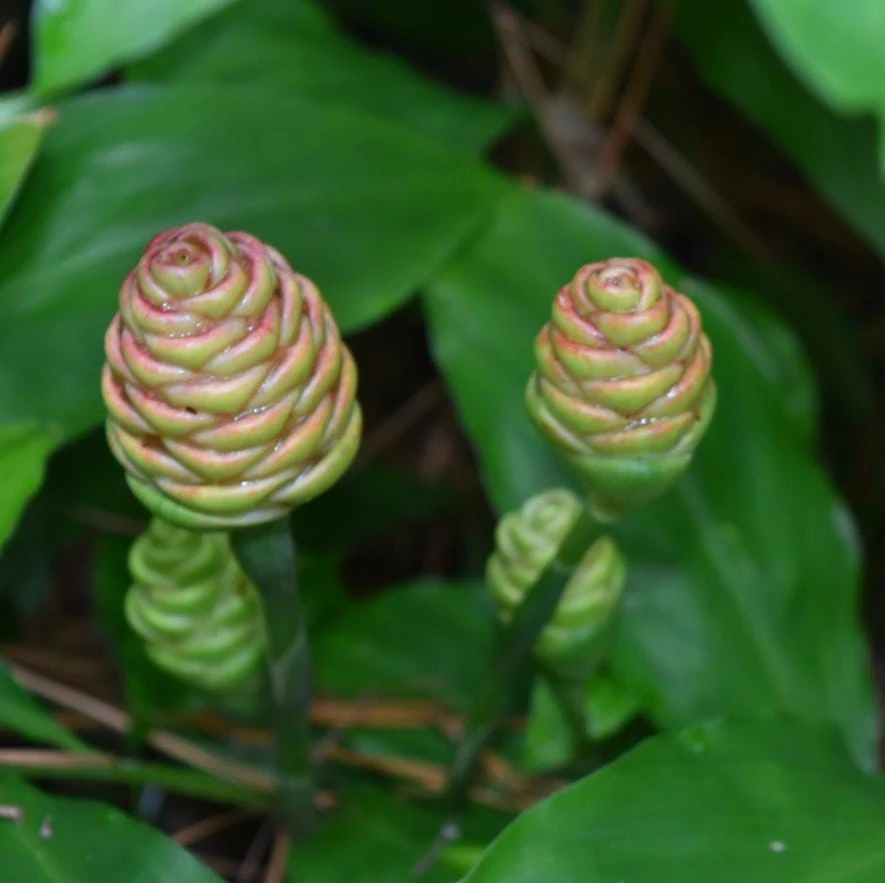
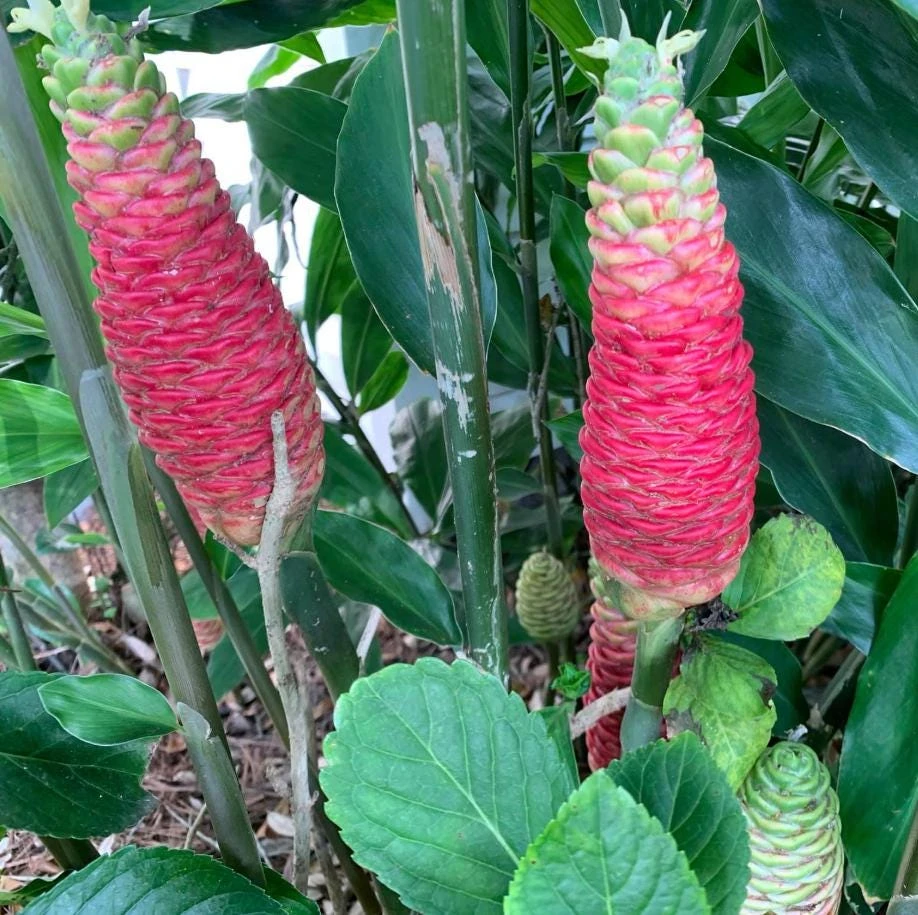
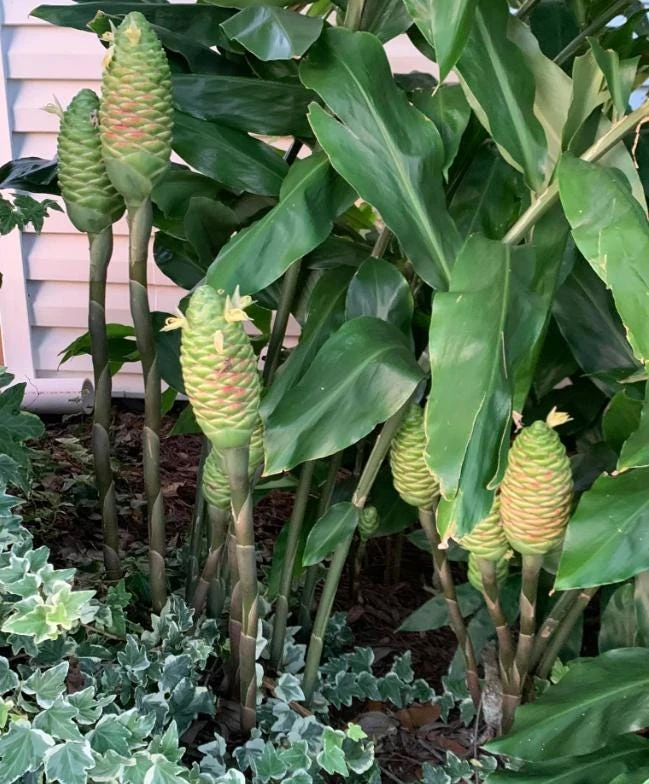
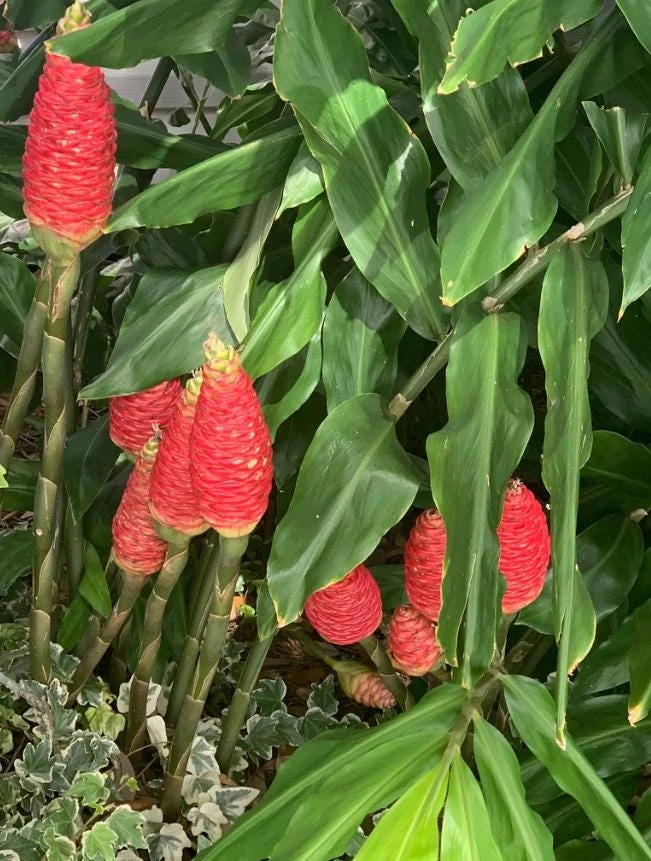
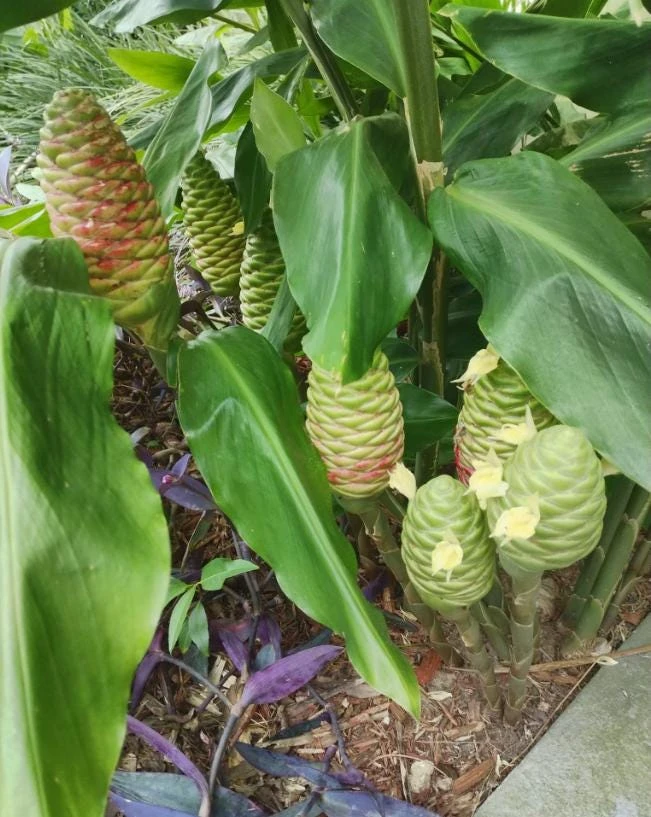
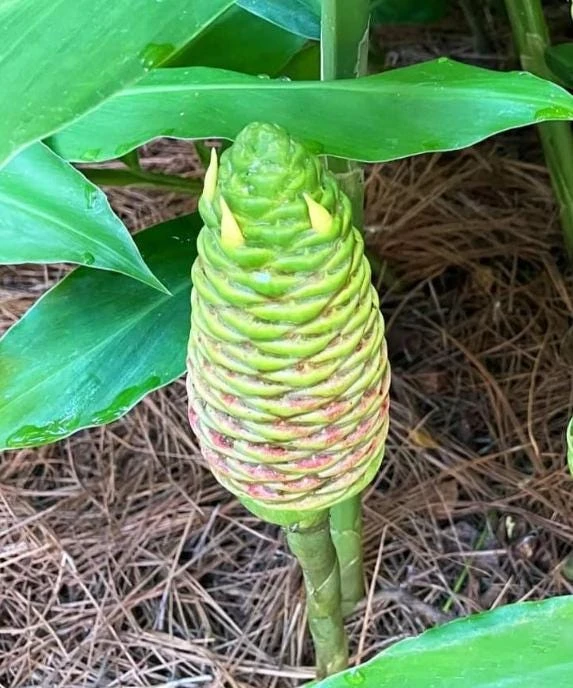
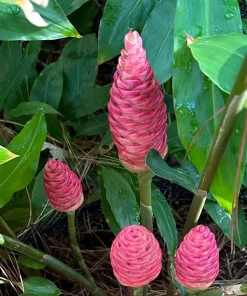
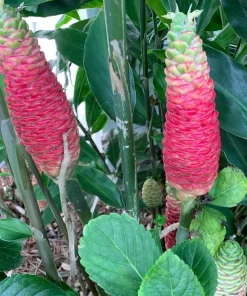
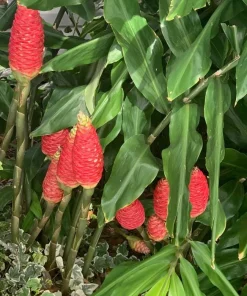
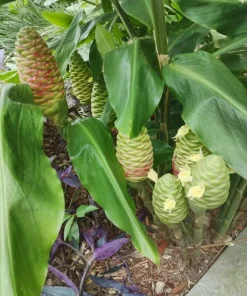
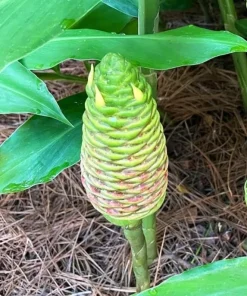
Embark on a rewarding gardening journey with our pack of 15 Awapuhi Shampoo Ginger rhizomes. Scientifically known as Zingiber zerumbet tubers, this unique and fascinating plant is celebrated for its distinctive pinecone-like flower heads that gradually turn red, earning it the common names Pinecone Ginger or Red Ginger Lily. Beyond its ornamental beauty, the Awapuhi Shampoo Ginger is historically valued for the clear, fragrant, and slightly viscous liquid produced within its mature flower cones, traditionally used as a natural shampoo and conditioner in Hawaiian culture. These fresh, healthy rhizomes provide an excellent foundation for growing your own tropical marvel, whether you’re looking to enhance your garden’s aesthetic or explore its traditional uses.
Originating from tropical regions, this ginger variety thrives in warm, humid conditions and can be a stunning addition to outdoor landscapes in appropriate climates or brought indoors as a captivating container plant in cooler zones. The vigorous growth habit and striking appearance make it a favorite among plant enthusiasts. Each rhizome is carefully selected to ensure viability, setting you up for success in cultivating your very own patch of this extraordinary ginger.
Key Benefits
Growing Awapuhi Shampoo Ginger rhizomes offers a multitude of benefits, from its unique aesthetic appeal to its practical applications. This remarkable plant is more than just a beautiful addition to your garden; it’s a conversation starter and a source of natural goodness.
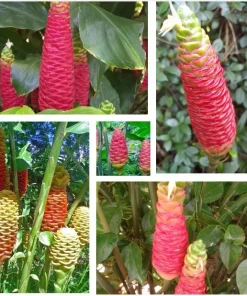
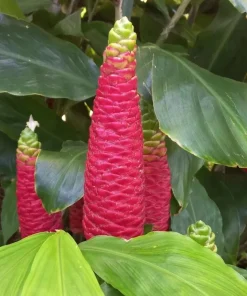
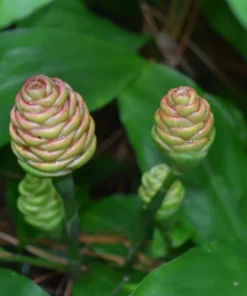
- Unique Ornamental Value: The distinctive green pinecone-like inflorescences that mature into vibrant red cones provide an exotic and captivating visual element to any garden or indoor space. The flowers are truly unlike any other, offering a tropical flair.
- Natural Hair Care: The mature red cones yield a clear, fragrant sap that has been traditionally used as a natural shampoo and conditioner. This allows you to explore an ancient, chemical-free method for hair care directly from your garden.
- Fragrant Blooms: Enjoy the subtle, pleasant fragrance emitted by the mature flower cones, which adds an aromatic dimension to your living environment, both indoors and out.
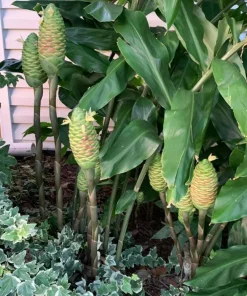
- Tropical Ambiance: Whether planted in the ground or in a container, the lush foliage and unique blooms of the pinecone ginger plant instantly transform any area into a tropical oasis, creating a sense of tranquility and exotic beauty.
- Easy to Grow: Despite its exotic appearance, Zingiber zerumbet tubers are relatively easy to cultivate, making them suitable for gardeners of various experience levels. With proper care, they establish quickly and thrive.
- Medicinal Properties: Historically, various parts of the red ginger lily bulbs and plant have been utilized in traditional medicine for their anti-inflammatory and analgesic properties, adding another layer of interest to this versatile plant.
- Pollinator Attraction: The unique blooms can attract certain pollinators, contributing to the biodiversity and health of your garden ecosystem.
Plant Care & Growing Tips
Successfully growing Awapuhi Shampoo Ginger rhizomes involves understanding its tropical preferences. This guide will help you cultivate healthy, thriving plants that produce abundant, sap-filled cones. The key is to mimic its natural environment as closely as possible.
Climate and Location: This tropical plant thrives in USDA hardiness zones 8-11. If you live in a cooler region, you can still enjoy this plant by growing it in a container and bringing it indoors during winter. Sunlight: Awapuhi ginger prefers partial to full shade, especially in hotter climates. While it can tolerate some morning sun, too much direct afternoon sun can scorch its leaves. Soil: Plant your Zingiber zerumbet tubers in rich, well-draining, slightly acidic soil with a pH of 5.5 to 6.5. Amend the soil with organic matter like compost or peat moss to enhance fertility and drainage. Ensure excellent drainage to prevent rot.
Planting the Rhizomes: The best time to plant is in spring, after the last frost. Select healthy rhizomes with visible buds or ‘eyes’. Dig a hole 3-4 inches deep, place the rhizome horizontally with buds facing up, and space them 12-18 inches apart. Watering: Consistent moisture is crucial, especially during the growing season. Water deeply but allow the topsoil to dry slightly between waterings. Avoid waterlogging. Fertilizing: Feed your pinecone ginger plant every 4-6 weeks during the growing season with a balanced fertilizer (e.g., 10-10-10) or slow-release organic options like compost. Mulching: Apply a layer of mulch around the base to retain moisture, keep roots cool, and suppress weeds. Pruning: Remove any dead or damaged leaves to maintain tidiness and improve air circulation. With these tips, you’ll be able to successfully grow Awapuhi Ginger.
Size & Details
This offering includes a pack of 15 vibrant Awapuhi Shampoo Ginger rhizomes, ready for planting. Each rhizome is carefully inspected to ensure it has viable ‘eyes’ for sprouting new growth. Once established, the red ginger lily bulbs will develop into lush plants typically reaching 3 to 6 feet in height, with a spread of 2 to 3 feet, depending on growing conditions and climate. The distinctive pinecone-shaped flower heads, which are the source of the natural shampoo-like sap, usually appear in late summer to early fall.
These rhizomes are shipped bare root, carefully packaged to maintain their health during transit. With optimal care, you can expect to see initial sprouts within a few weeks of planting, with the plant reaching maturity and producing cones within one to two growing seasons. The robust nature of these Zingiber zerumbet tubers ensures a strong start for your tropical garden or container collection.
Frequently Asked Questions
- Q: How big does this plant get? A: The Awapuhi Shampoo Ginger typically grows 3 to 6 feet tall with a spread of 2 to 3 feet, creating a lush, tropical display in your garden or container.
- Q: Is this an indoor or outdoor plant? A: It’s primarily an outdoor plant in USDA zones 8-11. However, it can be successfully grown in containers and brought indoors during winter in cooler climates, making it versatile.
- Q: How much sunlight does it need? A: This ginger prefers partial to full shade. It can tolerate some morning sun, but direct afternoon sun, especially in hot regions, can scorch its leaves.
- Q: Is this plant easy to care for? A: Yes, a pinecone ginger plant is considered relatively easy to care for, requiring consistent moisture, well-draining soil, and protection from harsh direct sun. It’s rewarding for gardeners of all levels.
- Q: What condition will the rhizomes arrive in? A: Your Awapuhi Shampoo Ginger rhizomes will arrive healthy and ready for planting, carefully packaged bare root to ensure their vitality during shipping.
- Q: How long until it blooms? A: With proper care, you can expect the red ginger lily bulbs to produce their characteristic pinecone-shaped blooms and sap within one to two growing seasons after planting.
- Q: When is the best time to plant? A: The ideal time to plant these Zingiber zerumbet tubers is in the spring, after your area’s last frost date, when temperatures are consistently warm.
- Q: Can I really use the sap as shampoo? A: Yes, the clear, fragrant liquid found in the mature red cones of the Awapuhi Shampoo Ginger has been traditionally used as a natural shampoo and conditioner.
- Q: What kind of soil is best for growing Awapuhi Ginger? A: It thrives in rich, well-draining, slightly acidic soil with a pH between 5.5 and 6.5. Amending with organic matter like compost is highly beneficial for the grow Awapuhi Ginger process.
- Q: Will it survive winter in my zone? A: In USDA zones 8-11, it can survive winter outdoors. In colder zones, it’s best grown in a container and brought indoors to protect it from frost.
Be the first to review “15 Awapuhi Shampoo Ginger Rhizomes – Zingiber Zerumbet Tubers for Planting”
People Also Viewed
Vegetable Seeds
Golden Zucchini Squash Seeds – 25 Heirloom Summer Squash Seeds
Reviews
There are no reviews yet.