
Red Oak Trees – 2 Pack, 8-16″ Tall Live Bare Root Plants, Fast Growing Shade Tree
Original price was: $69.99.$44.99Current price is: $44.99.
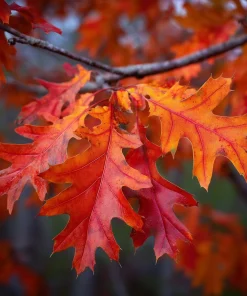
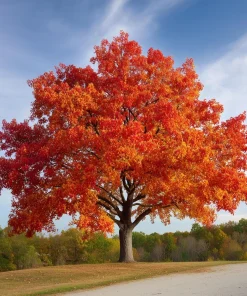
Bring home two Red Oak live plant specimens, 8-16 inches tall, perfect for creating a beautiful and functional landscape. These fast growing shade tree varieties offer spectacular fall foliage in deep reds and bronzes, along with providing a dense canopy for cooling shade. Ideal for attracting wildlife and boosting curb appeal.
Estimated arrival
Oct 13
Oct 18 - Oct 20
Oct 23 - Oct 27
Shop With Confidence
30-Day Plant Health Guarantee
Arrives damaged? We’ll replace it free — see our return policy.
Responsive Support
Email us anytime, we reply within 1 business day.
Expert Packaging
Temperature-controlled shipping to protect your plants in transit.
Secure Checkout
Pay safely with Visa, Mastercard, PayPal.
Plant Specifications
-
USDA Hardiness Zone
USDA Zones 3-8 -
Soil Type
Well-draining soil, adaptable to clay, loam, sand -
Sunlight Exposure
Full sun (6-8+ hours direct light) -
Expected Planting Period
Early spring or fall
Overview
Introduce a touch of North American majesty to your landscape with this offering of two Red Oak live plant specimens. Known scientifically as Quercus rubra, the Red Oak is celebrated for its rapid growth and breathtaking seasonal display, making it a standout addition to any garden or yard. These young trees, measuring approximately 8-16 inches tall, are shipped bare root, ready for planting and establishment. The Red Oak live plant is a cornerstone of a vibrant ecosystem, providing not only aesthetic appeal but also crucial habitat and food for local wildlife. Whether you’re aiming to create a dense shade canopy, add spectacular fall color, or invest in a long-term landscape feature, the Red Oak is an exceptional choice that will grow more impressive with each passing year.
Key Benefits
The Red Oak live plant offers a multitude of advantages for homeowners and gardeners alike, transforming your outdoor space into a natural haven. Its robust nature and striking appearance make it a highly desirable tree:
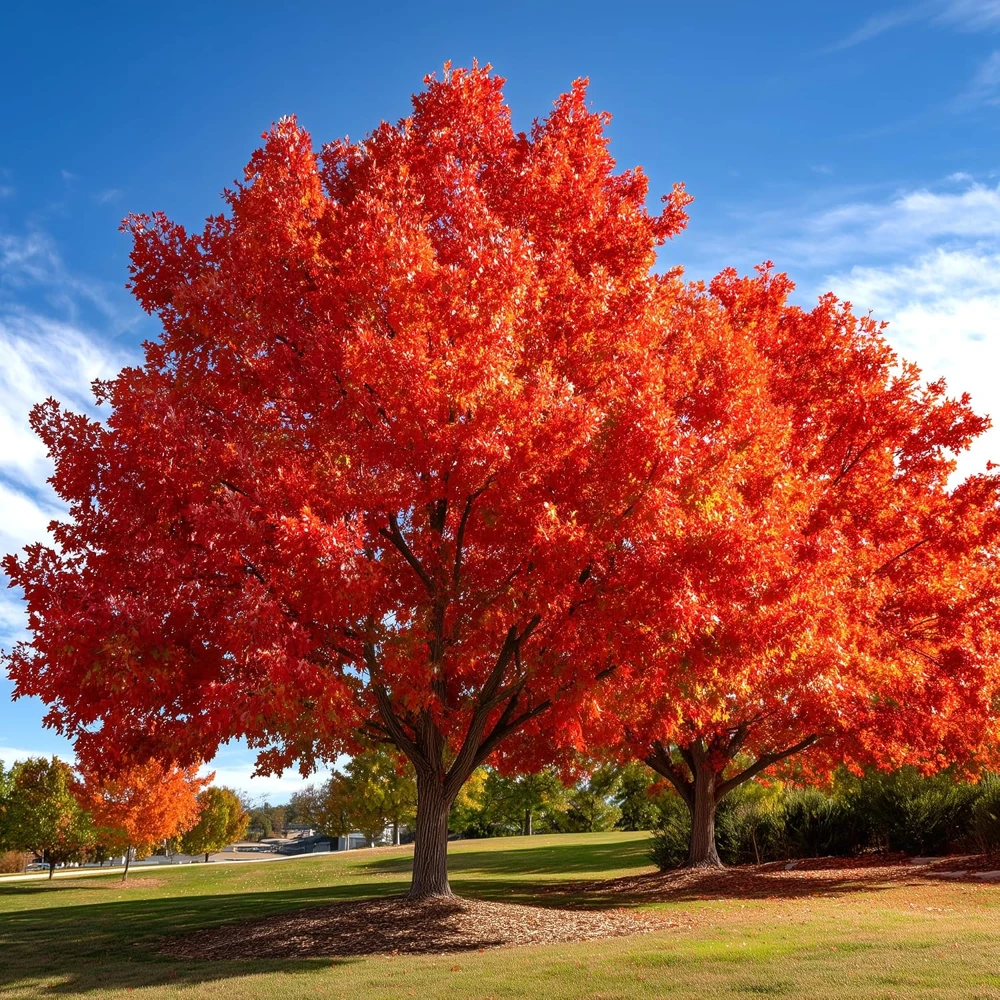
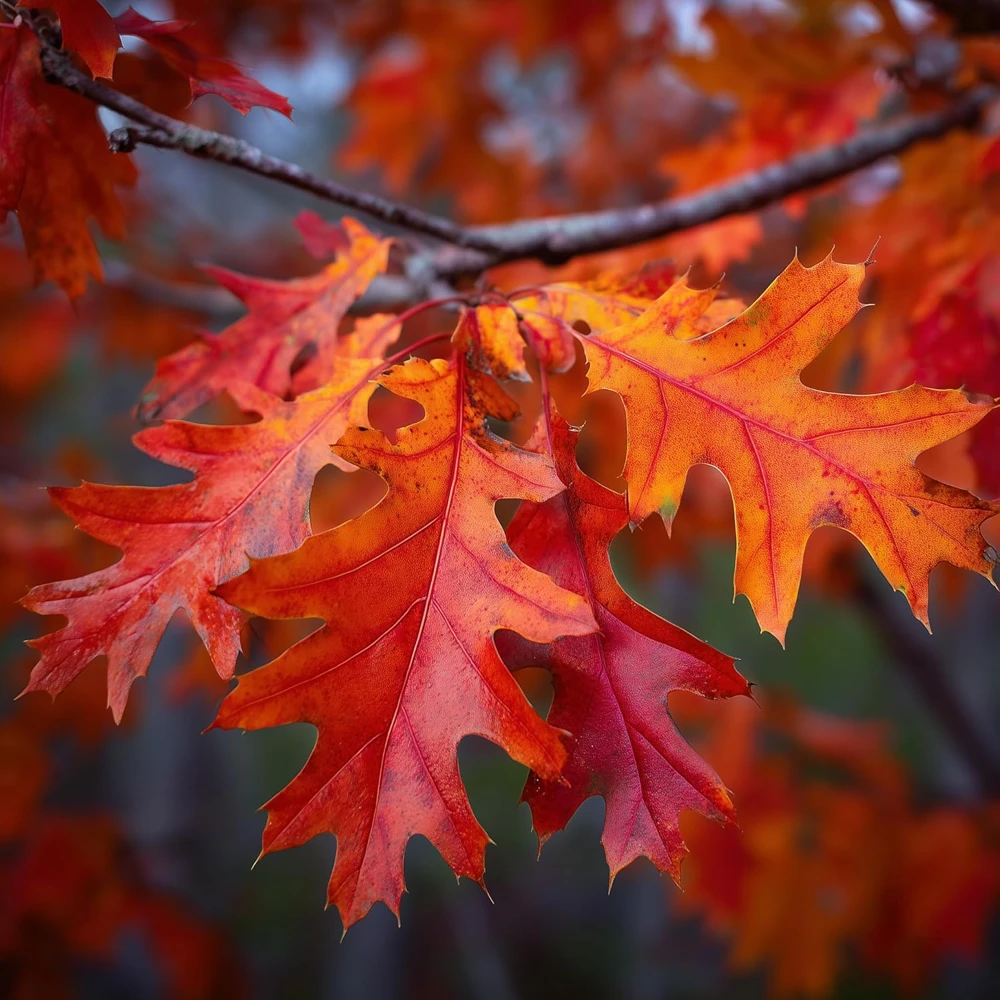
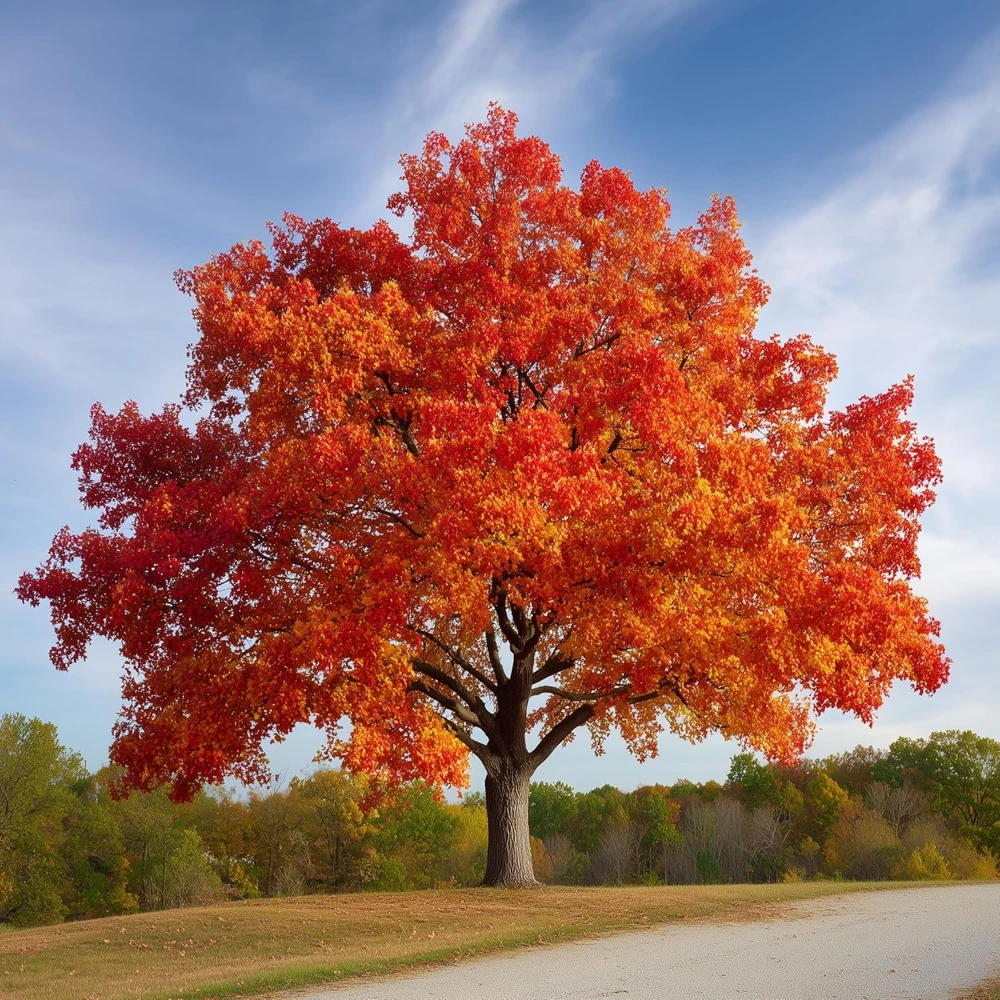
- Spectacular Fall Foliage: Experience a dramatic seasonal transformation as the leaves burst into brilliant shades of deep red, russet, and bronze each autumn. This vibrant display will make your yard a focal point and provide weeks of stunning color.
- Fast-Growing Shade Tree: Enjoy meaningful shade sooner than expected with this fast growing shade tree. Red Oaks are known for their vigorous growth, adding several feet of height annually under optimal conditions, quickly establishing a cooling canopy for your home and garden.
- Attracts Wildlife: Support local ecosystems and create a lively backyard environment. The abundant acorns produced by the Quercus rubra tree are a vital food source, attracting deer, squirrels, wild turkeys, and dozens of bird species throughout the year.
- Increases Property Value: A mature Red Oak is a significant asset, enhancing curb appeal and providing long-term value to your property. Its longevity means it can outlast many structures, becoming a cherished legacy planting.
- Tough and Adaptable: The Red Oak is incredibly resilient, thriving in a wide range of soil types and conditions. Once established, it requires minimal maintenance, making it suitable for both novice and experienced gardeners.
- Drought Tolerance: Once established, these trees exhibit good drought tolerance, reducing the need for frequent watering during drier periods, making them a sustainable landscape choice.
- Long-Lived: Invest in a tree that will provide beauty and benefits for generations. The Red Oak is renowned for its impressive lifespan, ensuring a lasting natural legacy.
Plant Care & Growing Tips
Cultivating a healthy Red Oak live plant is a rewarding experience, and with proper care, your tree will flourish into a magnificent specimen. These trees are known for their adaptability, but understanding their basic needs will ensure optimal growth. When planting your bare root trees, ensure the location receives ample sunlight and has well-draining soil. Dig a hole wide enough to accommodate the roots without bending them, and plant at the same depth as the root collar. Backfill with soil, gently tamping down to remove air pockets, and water thoroughly.
Sunlight requirements:Red Oak live plant specimens thrive in full sun, meaning they need at least 6-8 hours of direct sunlight per day to achieve their best growth and most vibrant fall color. While they can tolerate some partial shade, too much shade can reduce their vigor and the intensity of their autumn leaves. Watering schedule and soil moisture preferences: During the first year after planting, consistent moisture is crucial. Water deeply 2-3 times a week, especially during dry periods, to encourage strong root development. Once established, Red Oaks are quite drought-tolerant, but occasional deep watering during extended dry spells will benefit their health. They prefer well-draining soil and do not tolerate standing water. Soil type and drainage requirements: This fast growing shade tree adapts well to various soil types, including clay, loam, and sand, as long as drainage is good. A slightly acidic to neutral pH (5.5 to 7.0) is ideal. Amending heavy clay soils with organic matter can improve drainage and aeration. Temperature range and USDA hardiness zone: The Quercus rubra tree is remarkably hardy, thriving across USDA Hardiness Zones 3–8. It can withstand a wide range of temperatures, from cold winters to hot summers, making it a versatile choice for many regions. Fertilization schedule and type: Generally, established Red Oaks do not require heavy fertilization. During the first few years, a balanced, slow-release tree fertilizer applied in early spring can encourage growth. Follow product instructions carefully to avoid over-fertilization, which can harm young trees. Common problems and solutions: Red Oaks are relatively disease-resistant but can occasionally be affected by oak wilt or anthracnose. Ensure good air circulation and avoid wounding the bark to prevent disease entry. Pests like oak borers can be an issue; inspect your tree regularly and consult with a local arborist if you notice signs of infestation. Proper planting and care are key to preventing most issues.
Size & Details
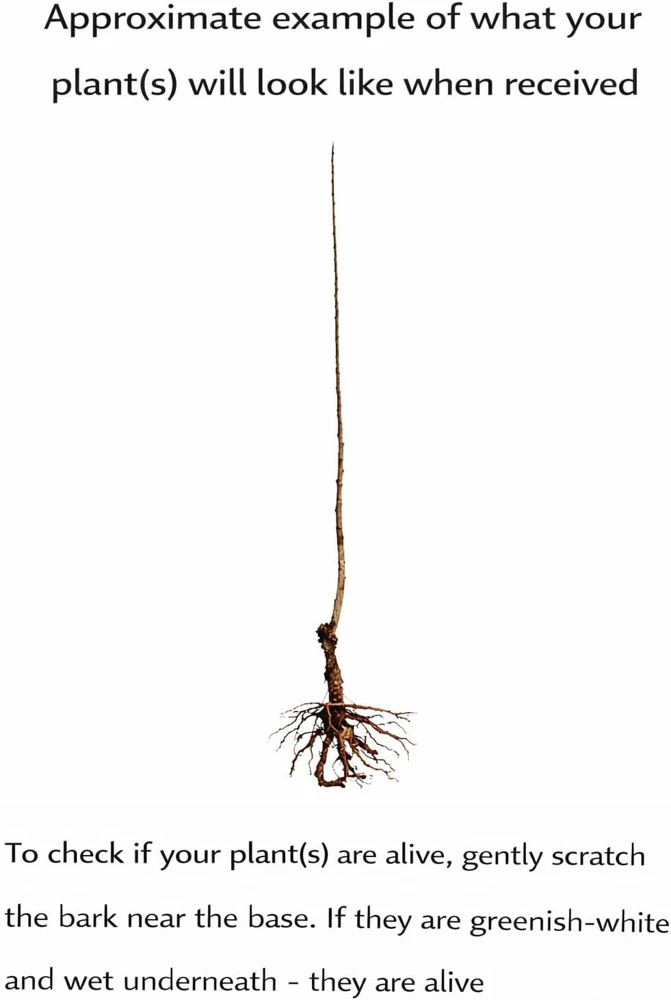
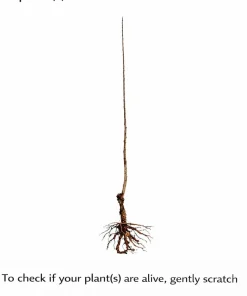
This offering includes two Red Oak live plant specimens, each measuring approximately 8-16 inches in height. These are young, bare root trees, meaning they will be shipped without soil around their roots, which is a common and effective method for transplanting deciduous trees. Once planted, these trees are known for their vigorous growth rate, quickly establishing themselves to become a prominent feature in your landscape. As a fast growing shade tree, you can expect several feet of growth per year under ideal conditions. Mature Red Oaks typically reach heights of 60-80 feet with a spread of 40-50 feet, forming a broad, rounded canopy. They are long-lived trees, capable of gracing your property for many decades, providing enduring beauty and ecological benefits. Expect the vibrant Red Oak fall color to become more pronounced as the tree matures.
Frequently Asked Questions
- Q: How big will these Red Oak trees get? A: Your Red Oak live plant specimens, once mature, can reach impressive heights of 60-80 feet with a spread of 40-50 feet, creating a substantial shade canopy. They are known for their long lifespan.
- Q: Are these trees suitable for my climate? A: The Quercus rubra tree is highly adaptable and thrives in USDA Hardiness Zones 3 through 8, making it suitable for a wide range of climates across the United States.
- Q: How much sunlight do Red Oaks need? A: For optimal growth and the best Red Oak fall color, these trees require full sun, meaning at least 6-8 hours of direct sunlight daily. They can tolerate some partial shade but prefer brighter conditions.
- Q: What condition will the trees arrive in? A: These are shipped as bare root plants, meaning they will arrive without soil around their roots. This is a standard and effective method for transporting young deciduous trees.
- Q: Is this a good tree for attracting wildlife? A: Absolutely! The acorns produced by the Red Oak live plant are a significant food source for various wildlife, including deer, squirrels, and many bird species, making it a fantastic choice for a wildlife friendly tree.
- Q: How quickly do Red Oaks grow? A: Red Oaks are considered a fast growing shade tree, often adding several feet of height per year under good growing conditions. You’ll see noticeable growth in just a few seasons.
- Q: When is the best time to plant a Red Oak? A: Bareroot trees are typically best planted in early spring after the last frost, or in the fall after the leaves have dropped, allowing them to establish their root system before extreme temperatures.
- Q: Do Red Oaks require a lot of maintenance? A: Once established, the Quercus rubra tree is relatively low-maintenance. Young trees will need consistent watering for the first year, but mature trees are quite resilient and drought-tolerant.
- Q: Can I plant these near my house? A: Due to their large mature size and extensive root systems, it’s advisable to plant Red Oaks a good distance from foundations, septic systems, and underground utilities to prevent potential damage.
- Q: What kind of soil does a Red Oak prefer? A: Red Oaks are adaptable but prefer well-draining soil, ranging from slightly acidic to neutral pH. They can grow in various soil types, including clay, loam, and sand, as long as drainage is adequate.
Be the first to review “Red Oak Trees – 2 Pack, 8-16″ Tall Live Bare Root Plants, Fast Growing Shade Tree”
People Also Viewed
Uncategorized
Reviews
There are no reviews yet.