

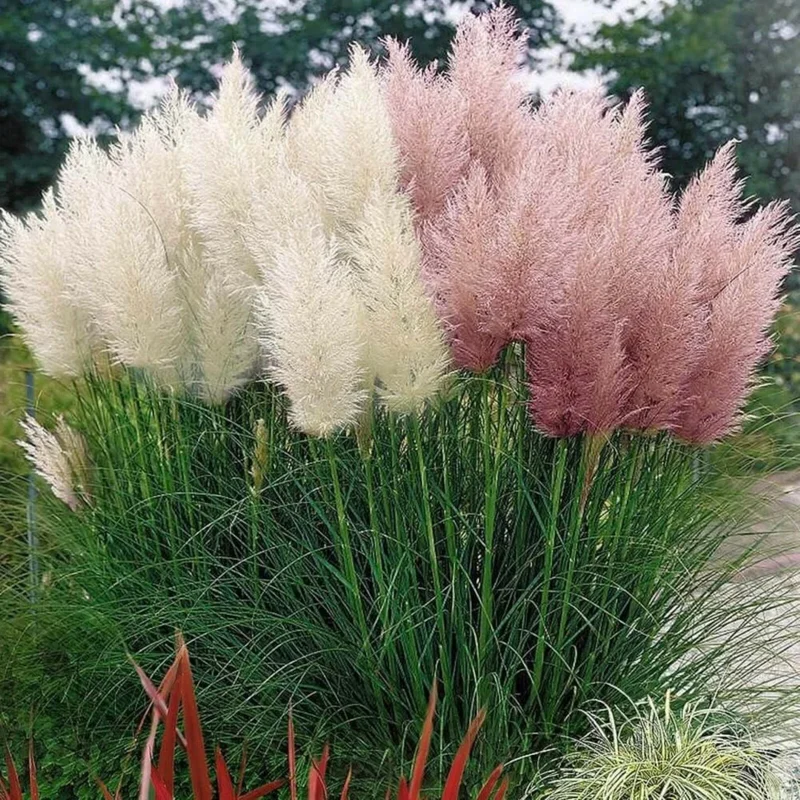
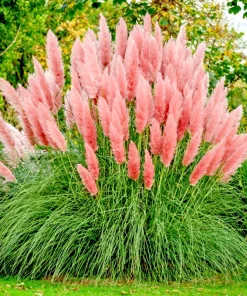
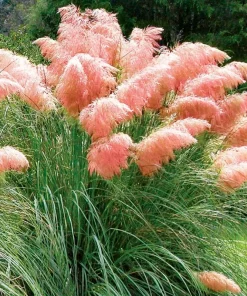
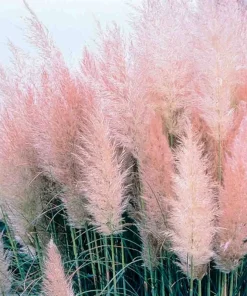
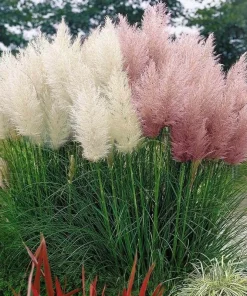
Pink Pampas Grass Seeds – Hardy Perennial Ornamental Flower Seeds
Original price was: $36.99.$11.99Current price is: $11.99.
Cultivate stunning landscapes with our pink pampas grass seeds. These hardy perennial ornamental grass seeds produce elegant plumes, perfect for adding texture and color to your garden. Ideal for full sun exposure and easy to grow.
Estimated arrival
Aug 31
Sep 05 - Sep 07
Sep 10 - Sep 14
Shop With Confidence
30-Day Plant Health Guarantee
Arrives damaged? We’ll replace it free — see our return policy.
Responsive Support
Email us anytime, we reply within 1 business day.
Expert Packaging
Temperature-controlled shipping to protect your plants in transit.
Secure Checkout
Pay safely with Visa, Mastercard, PayPal.
Plant Specifications
-
USDA Hardiness Zone
USDA Zones 7-11 -
Soil Type
Well-draining soil (Chalk, Clay, Loam, Peat, Sand) -
Sunlight Exposure
Full Sun -
Expected Planting Period
Spring to Late Summer
Overview
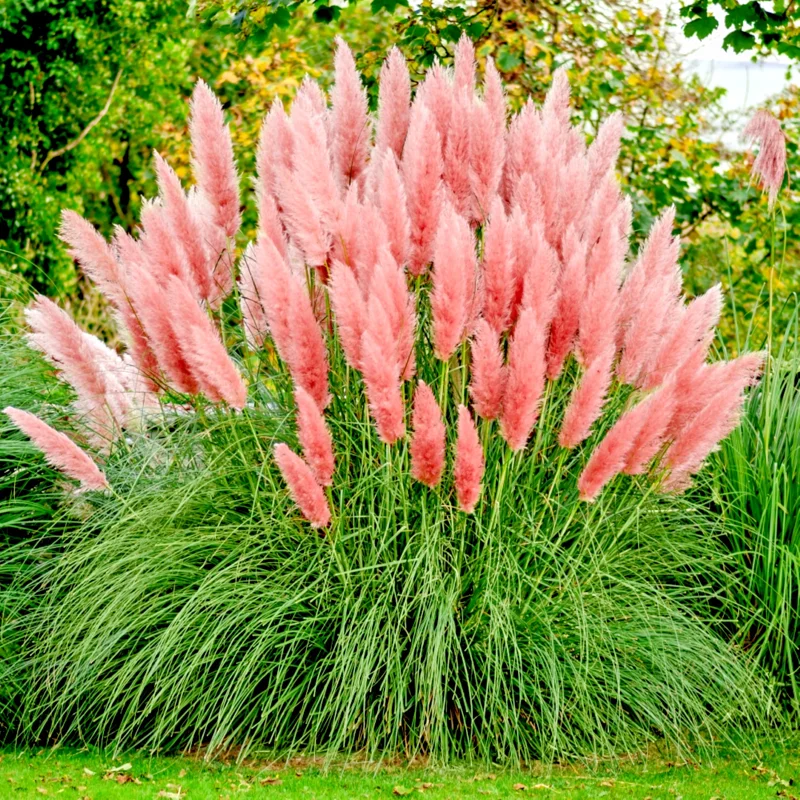
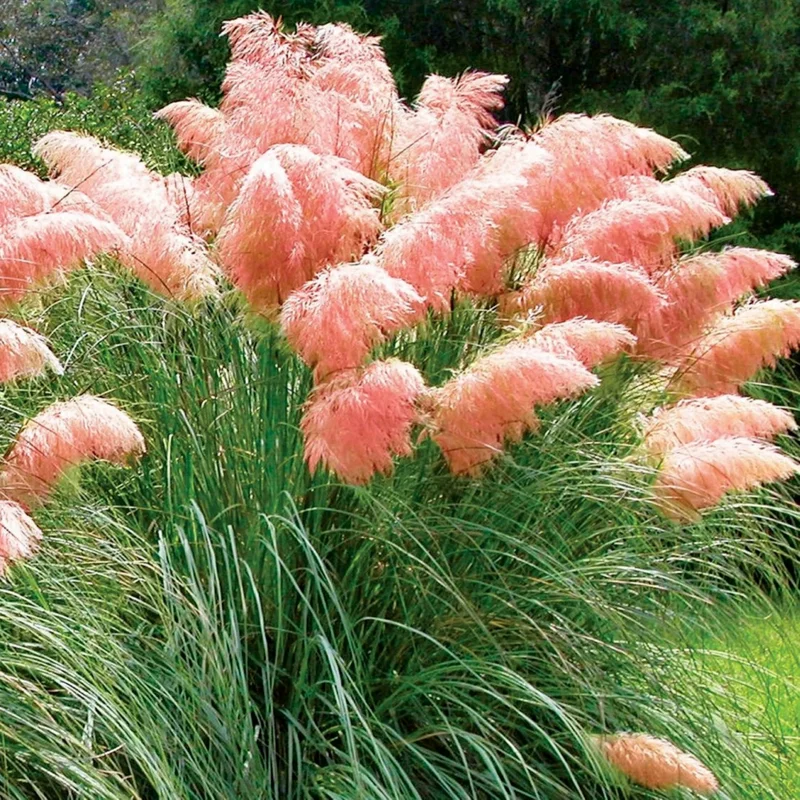
Transform your garden into a captivating display with our premium pink pampas grass seeds. This ornamental grass, scientifically known as Cortaderia selloana, is renowned for its majestic, feathery plumes that sway gracefully in the breeze. Originating from South America, pampas grass is a hardy perennial, meaning it will return year after year, offering enduring beauty with minimal effort. These seeds are specifically selected to produce plants with charming pink-hued plumes, adding a unique touch to traditional pampas grass varieties. Perfect for creating dramatic focal points, privacy screens, or adding texture to borders, pink pampas grass is a versatile and striking choice for any landscape. Whether you are an experienced gardener or just starting, growing pampas grass from seed is a rewarding experience that yields impressive results.
Our high-quality pink pampas grass seeds ensure a robust start for your plants, promising vibrant growth and abundant plumes. This ornamental grass thrives in various climates and soil conditions, making it a reliable addition to many garden styles. The mature plants create a lush, architectural presence that enhances curb appeal and provides visual interest throughout the seasons. Embrace the grandeur of pampas grass and introduce a touch of elegance to your outdoor living spaces with these exceptional seeds.
Key Benefits
Adding pink pampas grass to your garden offers a multitude of advantages, both aesthetic and practical. Its striking appearance and low maintenance requirements make it a favorite among landscapers and home gardeners alike. Cultivating these ornamental grass seeds provides lasting beauty.
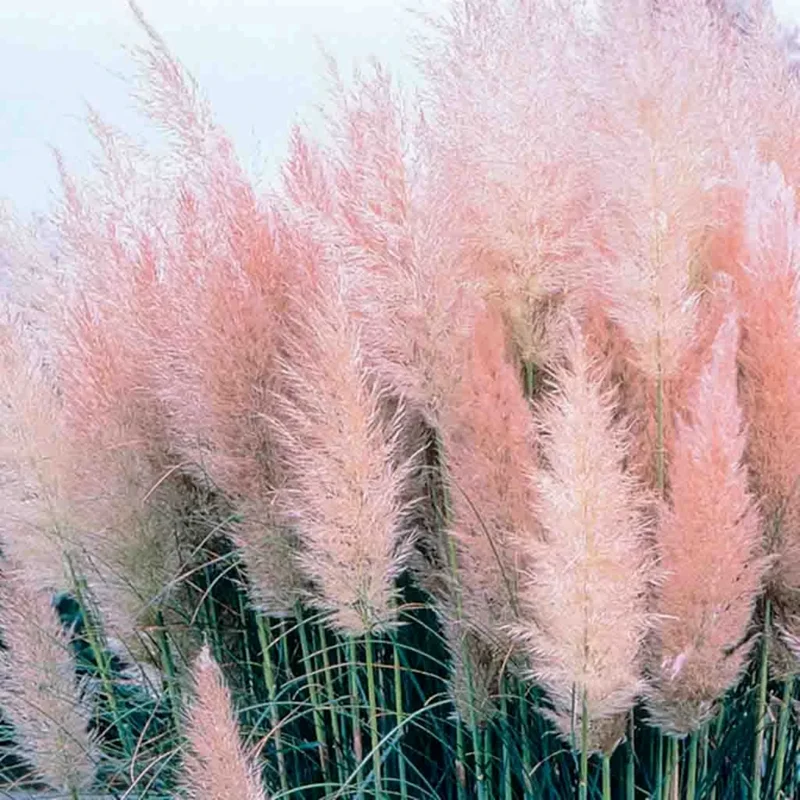
- Stunning Visual Impact: The large, feathery pink plumes create a dramatic and elegant statement in any garden, drawing attention and adding a sophisticated touch. These plumes are particularly beautiful when backlit by the sun.
- Hardy Perennial Growth: As a perennial, once established, pink pampas grass returns each year, eliminating the need for annual replanting and providing continuous beauty with minimal effort. This makes them a cost-effective and sustainable landscaping choice.
- Low Maintenance: This ornamental grass is remarkably drought-tolerant and adaptable to various soil types, requiring little water and care once established. It’s an excellent option for gardeners seeking high impact with low upkeep.
- Erosion Control: Its extensive root system helps stabilize soil, making it an effective choice for preventing erosion on slopes or in areas prone to runoff. This practical benefit contributes to the health of your garden.
- Versatile Landscaping Use: Ideal for creating privacy screens, windbreaks, borders, or as a standalone specimen plant, its tall stature and impressive spread offer numerous design possibilities. You can easily grow pampas grass to fit your specific landscaping needs.
- Year-Round Interest: Even after the plumes have faded, the architectural form of the grass provides winter interest, especially when dusted with snow or frost. The dried plumes can also be used in floral arrangements.
- Attracts Wildlife: The dense foliage provides shelter for small birds and other beneficial wildlife, contributing to a healthy garden ecosystem.
Plant Care & Growing Tips
Growing pink pampas grass seeds is a straightforward process, but understanding its specific needs will ensure robust growth and abundant plumes. Pampas grass (Cortaderia selloana) thrives in conditions that mimic its native South American habitat. For optimal growth, these perennial flower seeds require plenty of sunlight. Plant your pampas grass in a location that receives at least 6-8 hours of full sun daily. While it can tolerate some partial shade, too little sun will result in fewer, weaker plumes and less vigorous growth. The ideal soil for pampas grass is well-draining, as it dislikes sitting in soggy conditions. It is adaptable to various soil types, including chalk, clay, loam, peat, and sand, but good drainage is paramount. If your soil is heavy clay, consider amending it with organic matter like compost or sand to improve drainage.
Watering should be consistent during the establishment phase, typically for the first year after planting. Keep the soil evenly moist but not waterlogged. Once established, pink pampas grass is remarkably drought-tolerant and will only require supplemental watering during prolonged dry spells. Overwatering can lead to root rot, so it’s better to err on the side of underwatering. Fertilization is generally not heavily required; a light application of a balanced slow-release fertilizer in early spring can promote healthier growth, but avoid over-fertilizing, which can lead to excessive foliage at the expense of plumes. Pruning is essential for maintaining the plant’s health and appearance. In late winter or early spring, before new growth appears, cut back the old foliage to about 12-18 inches from the ground. Be cautious as the leaves have sharp edges, so wear gloves and long sleeves. Common problems are few, but watch out for rust or other fungal diseases in overly humid or poorly air-circulated conditions. Proper spacing and good drainage help prevent these issues. With these care tips, you’ll successfully grow pampas grass that flourishes in your garden.
Size & Details
These pink pampas grass seeds offer the opportunity to cultivate a large, impressive ornamental grass. When mature, pink pampas grass typically grows to a height of 5-10 feet with a spread of 4-6 feet, forming a distinctive clumping habit. The spectacular pink plumes can reach up to 10-12 feet tall, adding significant vertical interest to your landscape. The seeds are provided in a quantity suitable for starting a substantial planting, allowing for flexibility in garden design. Expect initial growth to be focused on developing a strong root system and foliage, with plumes typically appearing in the second or third year after planting. The planting time is generally in the spring after the last frost, or in late summer in warmer climates, allowing enough time for establishment before winter. These seeds are a cost-effective way to achieve a grand, established look in your garden.
Frequently Asked Questions
- Q: How big does this plant get? A: Pink Pampas Grass can grow quite large, typically reaching 5-10 feet in height and 4-6 feet in width. Its impressive plumes can extend even higher, up to 10-12 feet, creating a dramatic focal point in your garden.
- Q: Is this an indoor or outdoor plant? A: While young seedlings can be started indoors, pink pampas grass is primarily an outdoor ornamental grass. It thrives in open garden spaces where it has room to reach its full mature size and receive ample sunlight.
- Q: How much sunlight does it need? A: For the best growth and most abundant plumes, pink pampas grass requires full sun exposure, meaning at least 6-8 hours of direct sunlight per day. It can tolerate some partial shade, but performance may be reduced.
- Q: Is this plant easy to care for? A: Yes, pink pampas grass is considered very easy to care for once established. It is drought-tolerant, adaptable to various soil types, and generally low-maintenance, making it a good choice for both beginner and experienced gardeners.
- Q: What condition will the seeds arrive in? A: The pink pampas grass seeds will arrive in a protective packet, ensuring their viability for planting. They are carefully packaged to maintain their quality during transit.
- Q: When is the best time to plant these seeds? A: The ideal time to plant pink pampas grass seeds is in the spring after all danger of frost has passed, or in late summer in regions with mild winters. This allows the seedlings ample time to establish before extreme temperatures.
- Q: Will it survive winter in my zone? A: Pink pampas grass is a hardy perennial, generally suitable for USDA Zones 7-11. In colder zones, it may require winter protection or be treated as an annual, though the focus here is on its perennial nature.
- Q: What type of soil does pink pampas grass prefer? A: This ornamental grass is quite tolerant of different soil types, but it absolutely requires well-draining soil. It can adapt to chalk, clay, loam, peat, and sand, provided there is no standing water.
- Q: How long until it blooms or shows plumes? A: While foliage will develop in the first year, pink pampas grass typically produces its characteristic plumes in the second or third year after planting. Patience is rewarded with spectacular feathery displays.
- Q: Can I use the plumes for decoration? A: Absolutely! The dried plumes of pink pampas grass are highly sought after for indoor floral arrangements and home decor. They add a natural, elegant touch to any space and can last for a long time.
| Style | 100 Seeds, 1000 Seeds, 10000Seeds, 2500Seeds, 25G Seeds, 50 Seeds, 500 Seeds, 5000Seeds, Sample Pack (~5 Seeds), Starter Pack |
|---|
Be the first to review “Pink Pampas Grass Seeds – Hardy Perennial Ornamental Flower Seeds”
People Also Viewed


Reviews
There are no reviews yet.