










Lithops Living Stones Flower Succulent Cactus Seeds – Rare Varieties
Original price was: $39.99.$14.99Current price is: $14.99.
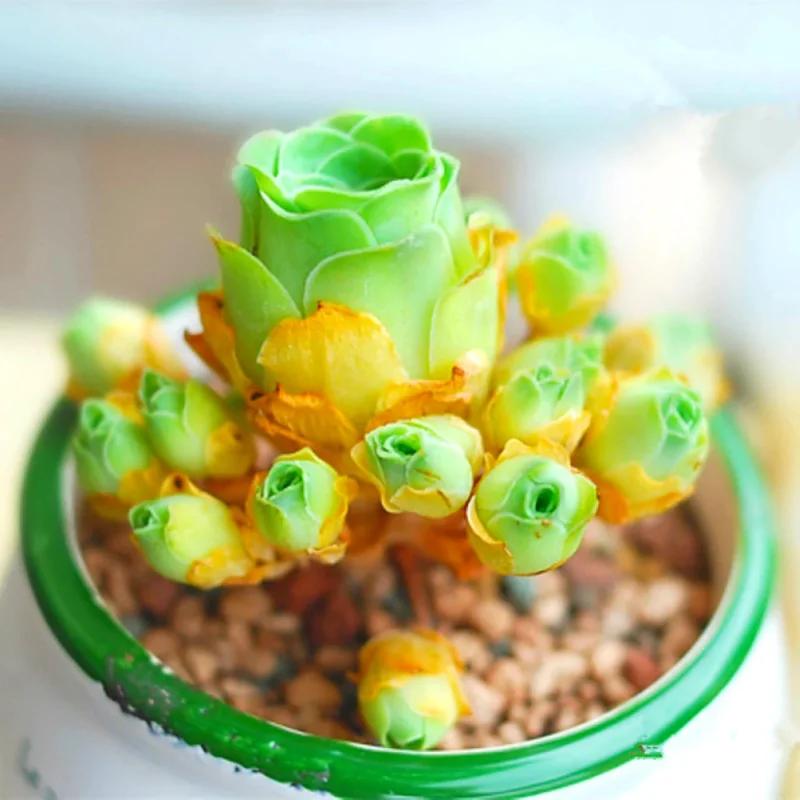
Cultivate your own unique collection of Lithops Living Stones seeds. These rare succulent seeds develop into fascinating, pebble-like plants, perfect for indoor or outdoor gardens. Enjoy easy growth and striking visual appeal with these drought-tolerant beauties.
Estimated arrival
Oct 15
Oct 20 - Oct 22
Oct 25 - Oct 29
Shop With Confidence
30-Day Plant Health Guarantee
Arrives damaged? We’ll replace it free — see our return policy.
Responsive Support
Email us anytime, we reply within 1 business day.
Expert Packaging
Temperature-controlled shipping to protect your plants in transit.
Secure Checkout
Pay safely with Visa, Mastercard, PayPal.
Plant Specifications
-
USDA Hardiness Zone
USDA zones 9-11 (or indoors) -
Soil Type
Well-draining succulent/cactus mix -
Sunlight Exposure
Bright direct to indirect light -
Expected Planting Period
Year-round indoors
Overview
Embark on a rewarding gardening journey with Lithops Living Stones seeds. These remarkable succulent seeds offer the opportunity to grow your own collection of ‘living stones’, plants renowned for their uncanny resemblance to pebbles and their vibrant, often patterned foliage. Each seed promises the potential for a unique and captivating specimen, making them a favorite among succulent enthusiasts and collectors. Also known as ‘Flowering Stones’, Lithops are a genus of highly succulent plants in the ice plant family, Aizoaceae. They are native to southern Africa and are masters of camouflage, evolving to blend seamlessly with their rocky surroundings. Growing these rare succulent seeds is a fascinating experience, allowing you to observe their unique growth cycle, including the splitting of leaves and the emergence of beautiful, daisy-like flowers. Whether you’re an experienced gardener or just starting, these seeds provide an accessible entry point into the world of exotic succulents.
Key Benefits
Growing Lithops from seed offers numerous benefits, from the joy of nurturing a plant from its earliest stage to the unique aesthetic appeal they bring to any space. These plants are truly one-of-a-kind.
- Unique Aesthetic Appeal: Lithops are celebrated for their distinctive appearance, mimicking small stones or pebbles. Their diverse patterns, colors, and textures make them an exceptional addition to any succulent collection, terrarium, or miniature garden, providing a conversation starter.
- Low Maintenance: Once established, Lithops Living Stones seeds mature into incredibly drought-tolerant plants that require minimal watering, making them ideal for busy individuals or those new to plant care. Their survival strategy involves storing water efficiently.
- Fascinating Growth Cycle: Observe the intriguing process of new leaves emerging, often splitting the old ones, and the surprising appearance of delicate, daisy-like flowers. This dynamic growth adds an engaging element to your gardening experience.
- Space-Saving: Due to their compact size, Lithops are perfect for small spaces such as windowsills, desks, or apartments. They don’t demand much room, allowing you to cultivate a diverse collection even with limited space.
- Educational Experience: Cultivating Lithops from seed provides an excellent educational opportunity, teaching patience and observation skills. It’s a great project for children and adults alike to learn about plant biology and adaptation.
- Drought Tolerance: These plants are naturally adapted to arid environments, requiring very little water. This makes them highly resilient and forgiving if you occasionally forget to water them, embodying true plant hardiness.
- Indoor & Outdoor Versatility: While often grown indoors, Lithops can also thrive outdoors in suitable climates with proper drainage and protection from extreme elements, adding exotic flair to rock gardens or arid landscapes.
Plant Care & Growing Tips
Successfully growing Lithops Living Stones seeds requires attention to specific conditions that mimic their natural desert habitat. While considered very easy to cultivate once established, the germination and initial growth phases require care. The key to successful Lithops cultivation lies in understanding their unique watering cycle and providing ample sunlight. Proper light is crucial for healthy growth and preventing etiolation, where plants stretch due to insufficient light.
For sunlight, Lithops require abundant bright light, ideally 4-5 hours of direct morning sun or bright indirect light throughout the day. A south-facing window is often ideal for indoor cultivation. If natural light is insufficient, consider using a grow light. Watering is the most critical aspect of living stone plant care. They have a distinct dormant and growth cycle. Water sparingly only when the plant shows signs of thirst (e.g., the top surface appears slightly sunken or wrinkled). Avoid watering during their dormant periods (usually summer and winter) or when new leaves are emerging and absorbing moisture from the old ones. Overwatering is the most common cause of Lithops failure. Use a well-draining soil mix specifically formulated for succulents and cacti, typically containing a high percentage of inorganic material like perlite, pumice, or grit. A soil pH of alkaline is preferred. Maintain temperatures between 65-80°F (18-27°C) during their growing season. They can tolerate cooler temperatures down to 50°F (10°C) during dormancy but should be protected from freezing. Fertilization is rarely needed; if desired, use a highly diluted succulent fertilizer once or twice during the active growing season (fall to spring). Common problems include rot from overwatering or etiolation from insufficient light. Ensure good air circulation to prevent fungal issues.
Size & Details
This product includes succulent cactus seeds for Lithops Living Stones, allowing you to cultivate these unique plants from their earliest stage. Each seed is tiny, reflecting the miniature nature of these fascinating succulents. When mature, Lithops typically grow to be small, approximately 0.5 to 1.5 inches in diameter, though some varieties can reach up to 2 inches. They maintain a compact, clumping growth habit. The seeds are suitable for planting year-round indoors, especially in controlled environments, or during early spring in appropriate outdoor climates. The germination period can vary, often taking a few weeks to several months, requiring patience. Once germinated, the tiny seedlings will slowly develop into their characteristic ‘living stone’ form over several months to a year. The seeds are supplied in a packet, ready for planting. These are an excellent choice for those looking to grow Lithops from seed and appreciate the delicate process of plant development.
Frequently Asked Questions
- Q: How big do these Lithops plants get when mature? A: When mature, Lithops plants typically range from 0.5 to 1.5 inches in diameter, though some rare varieties can grow slightly larger, up to 2 inches. They maintain a very compact size, making them ideal for small displays.
- Q: Is this an indoor or outdoor plant? A: Lithops are versatile and can be grown both indoors and outdoors. They are very popular as indoor houseplants due to their unique appearance and low water needs. If grown outdoors, they need a dry, arid climate with excellent drainage.
- Q: How much sunlight do Lithops seeds need to germinate and grow? A: For germination, Lithops seeds require bright, indirect light. Once germinated, the seedlings and mature plants need abundant bright light, ideally 4-5 hours of direct morning sun or consistently bright indirect light throughout the day. Insufficient light can lead to etiolation.
- Q: Is this plant easy to care for, especially for beginners? A: While germinating rare succulent seeds like Lithops requires some attention, mature Lithops plants are considered very easy to care for due to their extreme drought tolerance. The most important aspect of living stone plant care is to avoid overwatering.
- Q: What condition will the Lithops seeds arrive in? A: The Lithops seeds will arrive in a sealed packet, ready for planting. They are dormant and require proper germination conditions to sprout and grow into plants. This ensures they are fresh and viable upon arrival.
- Q: How long until Lithops grown from seed bloom? A: Lithops grown from seed typically take 2-3 years to reach maturity and begin to flower. Patience is key, but the beautiful, daisy-like blooms are a rewarding sight for growing these succulent cactus seeds.
- Q: What is the best time to plant these Lithops seeds? A: You can plant Lithops Living Stones seeds year-round indoors in a controlled environment with consistent temperature and light. If planting outdoors in a suitable climate, spring is generally the best time to allow seedlings to establish before extreme weather.
- Q: What type of soil is best for growing Lithops from seed? A: A very well-draining soil mix is crucial for growing Lithops. Use a specialized succulent and cactus mix, or create your own with a high percentage of inorganic materials like perlite, pumice, or coarse sand to ensure excellent drainage and prevent root rot.
- Q: Are Lithops pet-safe? A: Lithops are generally considered non-toxic to pets, making them a safe choice for households with curious animals. However, it’s always best to prevent pets from ingesting any plant material.
- Q: Will these Lithops seeds produce colorful varieties? A: Yes, these Lithops Living Stones seeds are often from mixed varieties, increasing the chance of growing a diverse collection of colors and patterns, reflecting the natural beauty and variation found in different Lithops species.
Be the first to review “Lithops Living Stones Flower Succulent Cactus Seeds – Rare Varieties”
People Also Viewed
Vegetables
Set of 2 Red Habanero Pepper Plants Live – Hot Chili Vegetable for Outdoor Garden 4-6 Inch Tall
Reviews
There are no reviews yet.