







5 Black Purple Plumeria Seeds – Hawaiian Flower Lei Perennial Bloom
Original price was: $44.99.$19.99Current price is: $19.99.
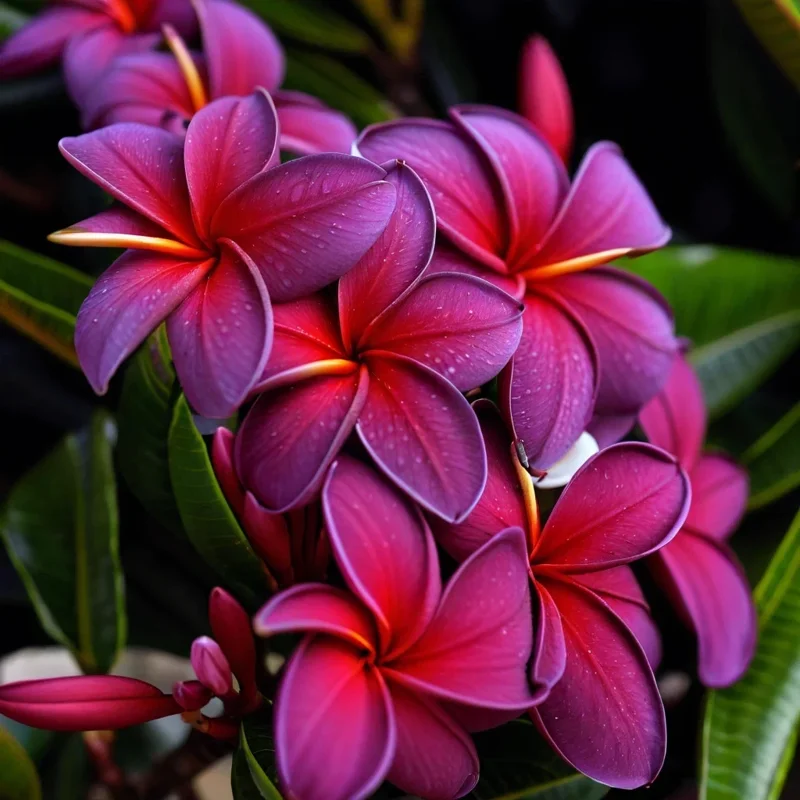
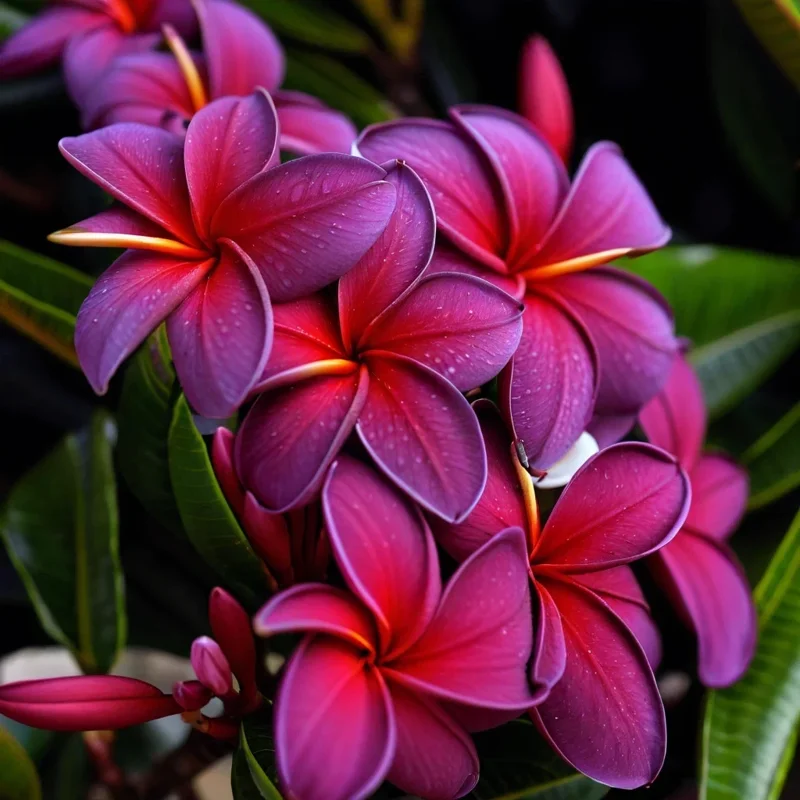
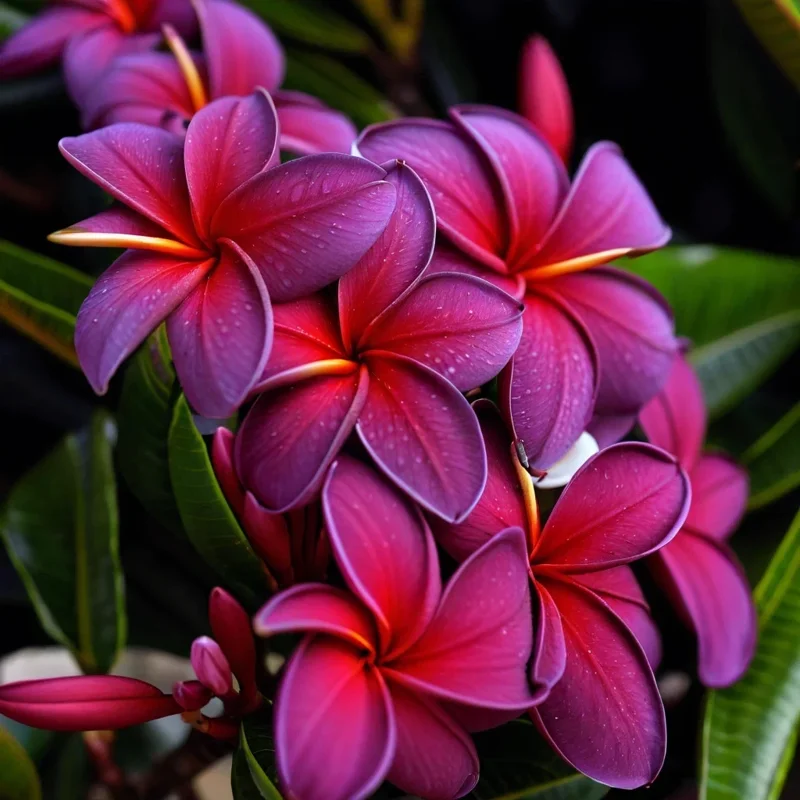
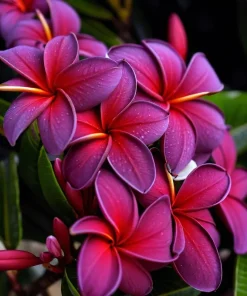
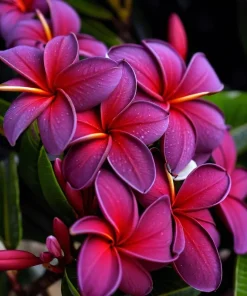
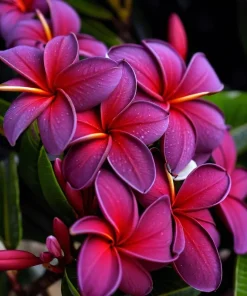
Cultivate exotic beauty with these black purple plumeria seeds. Known for their fragrant, Hawaiian flower lei blooms, these perennial seeds are perfect for creating a tropical oasis. Enjoy vibrant, rich purple flowers that add a touch of paradise to your indoor or outdoor garden.
Estimated arrival
Aug 31
Sep 05 - Sep 07
Sep 10 - Sep 14
Shop With Confidence
30-Day Plant Health Guarantee
Arrives damaged? We’ll replace it free — see our return policy.
Responsive Support
Email us anytime, we reply within 1 business day.
Expert Packaging
Temperature-controlled shipping to protect your plants in transit.
Secure Checkout
Pay safely with Visa, Mastercard, PayPal.
Plant Specifications
-
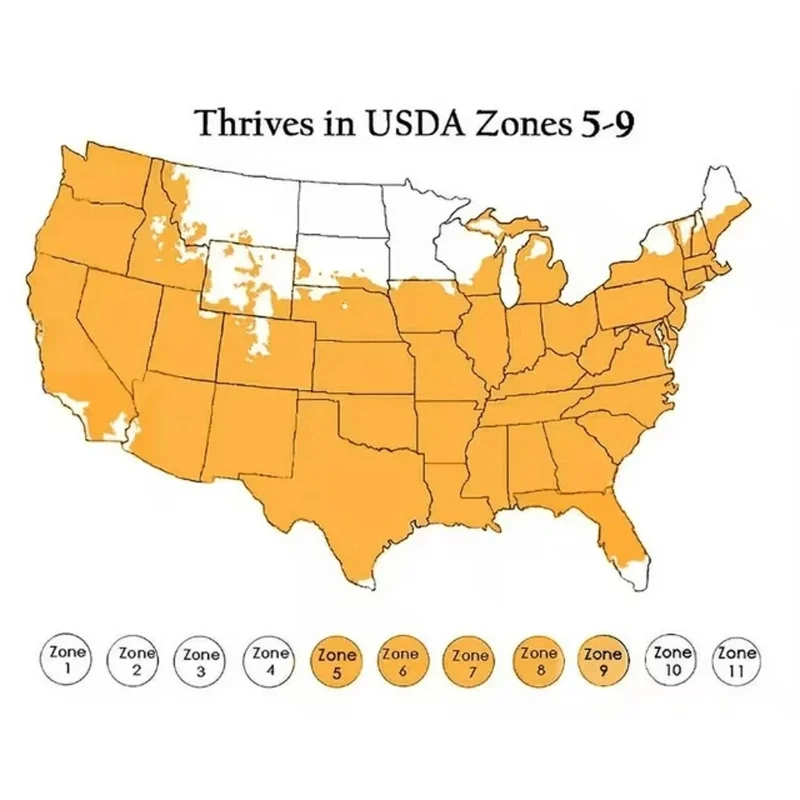
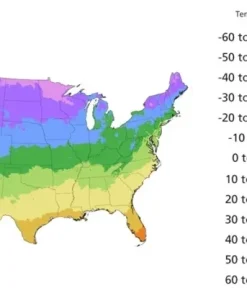
USDA Hardiness Zone
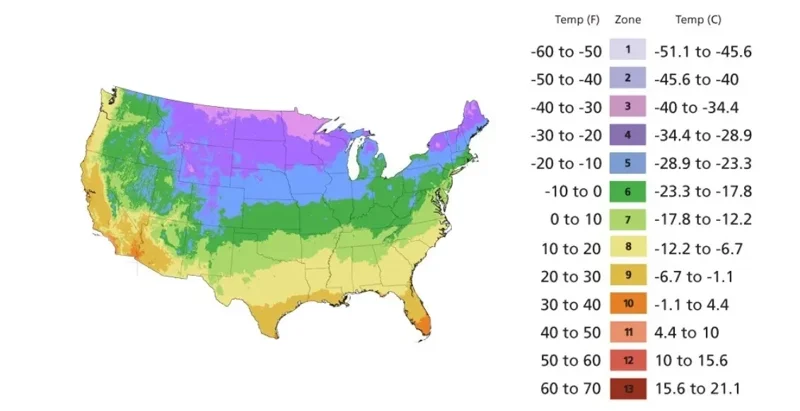
USDA zones 10-11 (outdoors); suitable for indoor cultivation in all zones -
Soil Type
Well-draining loamy soil -
Sunlight Exposure
Full Sun -
Expected Planting Period
Spring to early summer
Overview
Embark on a rewarding gardening journey by cultivating your own exotic flowers with these black purple plumeria seeds. Plumeria, commonly known as Frangipani, are renowned for their strikingly beautiful and highly fragrant blooms, often associated with Hawaiian leis. These particular seeds promise a captivating dark, almost black-purple hue, making them a unique and sought-after addition to any plant collection. Growing Hawaiian plumeria seeds allows you to bring a piece of tropical paradise directly to your home or garden, transforming your space with their vibrant colors and intoxicating scent. They are ideal for both seasoned gardeners and enthusiastic beginners looking to explore the world of tropical perennials.
Each packet contains 5 high-quality dark plumeria seeds, carefully selected to ensure the best possible germination rates. Plumeria are deciduous shrubs or small trees native to tropical and subtropical regions. Their waxy, five-petaled flowers bloom in clusters and release a sweet, alluring fragrance that is particularly strong at night. These perennial plants, once established, will provide years of enjoyment with their spectacular flowering displays. Whether you’re aiming to create a vibrant container garden or add a focal point to your landscape, these plumeria seeds offer an exciting opportunity to cultivate a truly magnificent plant.
Key Benefits
Growing black purple plumeria seeds offers numerous advantages for any plant enthusiast, from their aesthetic appeal to their captivating aroma:
- Exotic Beauty: Produce stunning, deep black-purple flowers that are rare and highly ornamental, adding a dramatic flair to your garden or patio. Each bloom is a work of art, offering a unique color palette that stands out.
- Fragrant Blooms: Enjoy the intoxicating, sweet fragrance characteristic of plumeria flowers, which is often used in perfumes and aromatherapy. The scent is particularly potent in the evenings, creating a magical ambiance.
- Tropical Appeal: Transform your living space into a tropical haven, reminiscent of Hawaiian islands, with these iconic flower lei plants. They evoke a sense of warmth and exotic charm.
- Perennial Life Cycle: Once established, these plants return year after year, providing continuous beauty and fragrance without the need for annual replanting. This makes them a sustainable choice for your garden.
- Versatile Growth: Suitable for both indoor container growing in cooler climates and outdoor landscaping in warmer, tropical regions. Their adaptability makes them a popular choice for various gardening styles.
- Rewarding Project: Experience the satisfaction of watching a beautiful tropical plant emerge and flourish from a tiny seed. Learning how to grow plumeria from seed is a fulfilling endeavor.
- Drought Tolerance: Plumeria plants are relatively drought-tolerant once mature, requiring less frequent watering compared to many other flowering plants. This makes them a low-maintenance option for busy gardeners.
Plant Care & Growing Tips
Successfully growing black purple plumeria seeds requires attention to specific environmental conditions, but the effort is well worth the reward. Plumeria thrive in warm, sunny environments, mimicking their native tropical habitats. For optimal growth, provide at least 6 hours of direct sunlight daily. If growing indoors, place them near a south-facing window or under grow lights. These plants are accustomed to a tropical wet and dry climate, so proper watering is crucial. Allow the soil to dry out completely between waterings, especially during their dormant period in winter. Overwatering is a common cause of root rot, so ensure excellent drainage.
The ideal soil for plumeria is a well-draining, slightly acidic to neutral (pH 6.0-7.0) loam. A good quality potting mix amended with perlite or sand works well for container planting. Plumeria are sensitive to cold and should be protected from temperatures below 40°F (4°C). In USDA zones 10-11, they can be grown outdoors year-round. In cooler zones, they should be brought indoors before the first frost. Fertilize regularly during the growing season (spring through fall) with a high-phosphorus fertilizer to encourage blooming. Reduce fertilization during dormancy. Watch out for common pests like spider mites and mealybugs; treat promptly with insecticidal soap if detected. Learning to care for these tropical perennial seeds ensures a vibrant and healthy plant.
Size & Details
This offering includes 5 individual black purple plumeria seeds, ready for planting. Plumeria plants typically grow into a large shrub or small tree, reaching heights of 10-20 feet (3-6 meters) outdoors in ideal conditions, and can be maintained at smaller sizes in containers. The spread can be similar, creating a rounded, bushy form. Growth rate is moderate, with plants often reaching flowering maturity within 2-3 years from seed, though some may bloom earlier. The seeds are typically shipped in a protective packet, ensuring they arrive in optimal condition for planting. Each seed holds the potential for a beautiful, fragrant bloom, making them an excellent choice for those who enjoy the process of nurturing plants from their earliest stages.
The mature leaves are generally dark green, leathery, and elongated, providing an attractive backdrop for the striking flowers. When planting, ensure each seed has adequate space to develop its root system. With proper care, these plumeria will develop strong stems and a robust structure capable of supporting abundant floral displays throughout the summer and fall seasons. The specific color of the blooms will develop as the plant matures, revealing the rich, deep black-purple hues. These Hawaiian plumeria seeds are a fantastic way to introduce a unique botanical specimen to your home garden.
Frequently Asked Questions
- Q: How big does a plumeria plant get from these seeds? A: Outdoors in tropical climates, plumeria can grow into small trees 10-20 feet tall. When grown in containers, their size can be managed through pruning, typically staying within 3-8 feet, making them suitable for patios or indoor spaces.
- Q: Is this an indoor or outdoor plant? A: Plumeria can be grown outdoors in USDA zones 10-11. In cooler climates, they are best grown in containers and brought indoors during the colder months, making them versatile for various environments.
- Q: How much sunlight do these black purple plumeria seeds need? A: Plumeria thrive in full sun, requiring at least 6 hours of direct sunlight per day to encourage robust growth and abundant flowering. Indoors, place them in the brightest available window.
- Q: Is it good for beginners to grow plumeria from seed? A: While growing plumeria from seed requires patience and specific conditions, it is a rewarding process that beginners can undertake with proper research and care. The joy of seeing the first bloom is immense.
- Q: What condition will the seeds arrive in? A: The dark plumeria seeds are typically shipped in a dry, protective packet to ensure their viability and safe arrival, ready for immediate planting upon receipt.
- Q: How long until these tropical perennial seeds bloom? A: Plumeria grown from seed typically take 2-3 years to produce their first blooms, though some varieties or individual plants may flower earlier or later depending on growing conditions.
- Q: What is the best time to plant plumeria seeds? A: The best time to plant plumeria seeds is in late winter or early spring, allowing the seedlings to establish themselves during the warmer months and benefit from ample sunlight.
- Q: What kind of soil is best for plumeria? A: Plumeria prefer a well-draining, slightly acidic to neutral soil. A mix formulated for cacti and succulents, or a standard potting mix amended with perlite and sand, works very well.
- Q: How often should I water my plumeria? A: During the active growing season, water thoroughly when the top few inches of soil are dry. During dormancy in winter, significantly reduce watering, only providing a small amount if the soil becomes bone dry.
- Q: Do these Hawaiian plumeria seeds need special care in winter? A: Yes, if you live in a climate with cold winters, plumeria should be brought indoors before temperatures drop below 40°F (4°C) and kept in a dormant state with minimal water until spring.
Be the first to review “5 Black Purple Plumeria Seeds – Hawaiian Flower Lei Perennial Bloom”
People Also Viewed
Flower Plants
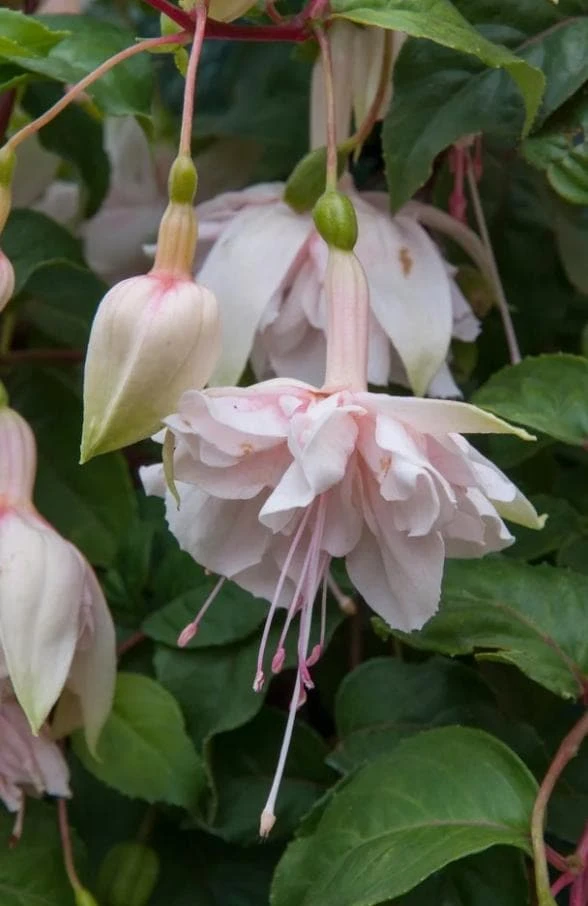
Pink Marshmallow Fuchsia Live Plant – 6″ Pot – Soft Pink Flowers – Shade-Loving Hanging Basket

Reviews
There are no reviews yet.