
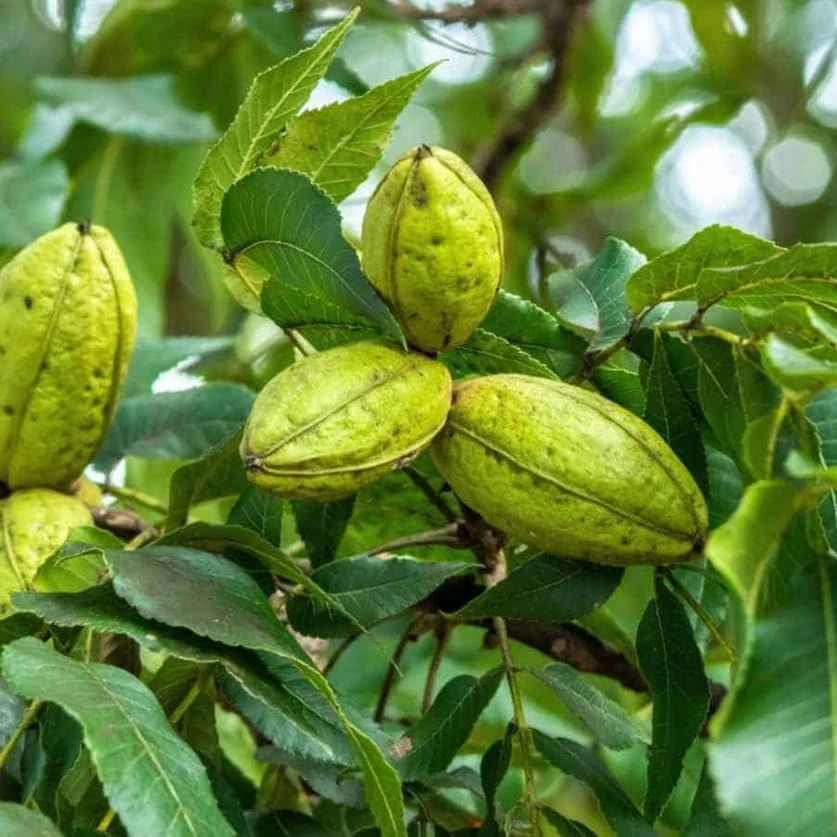
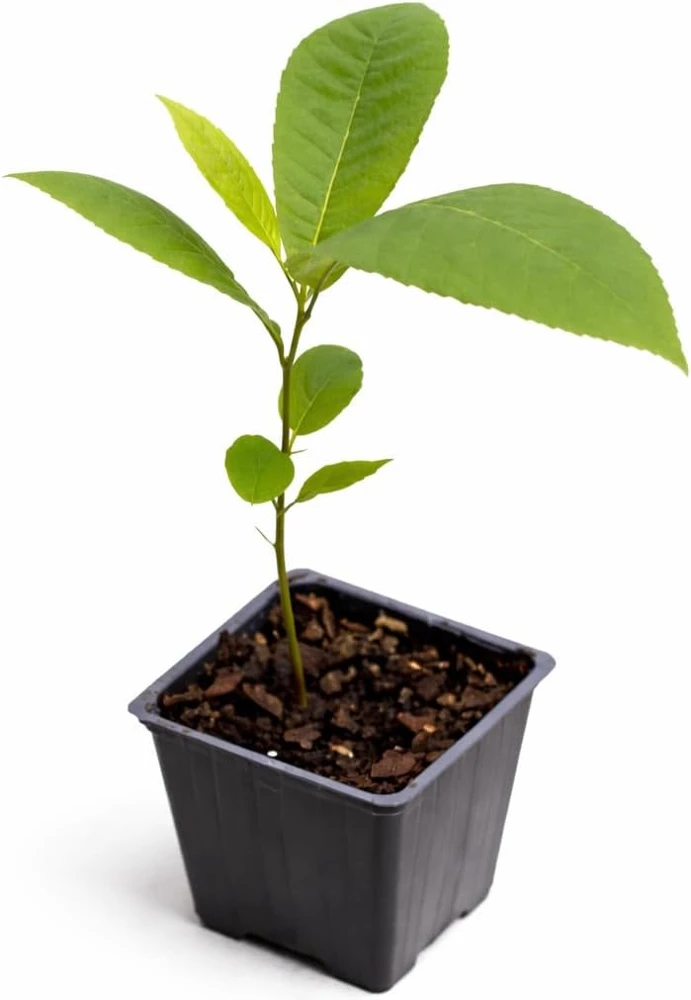
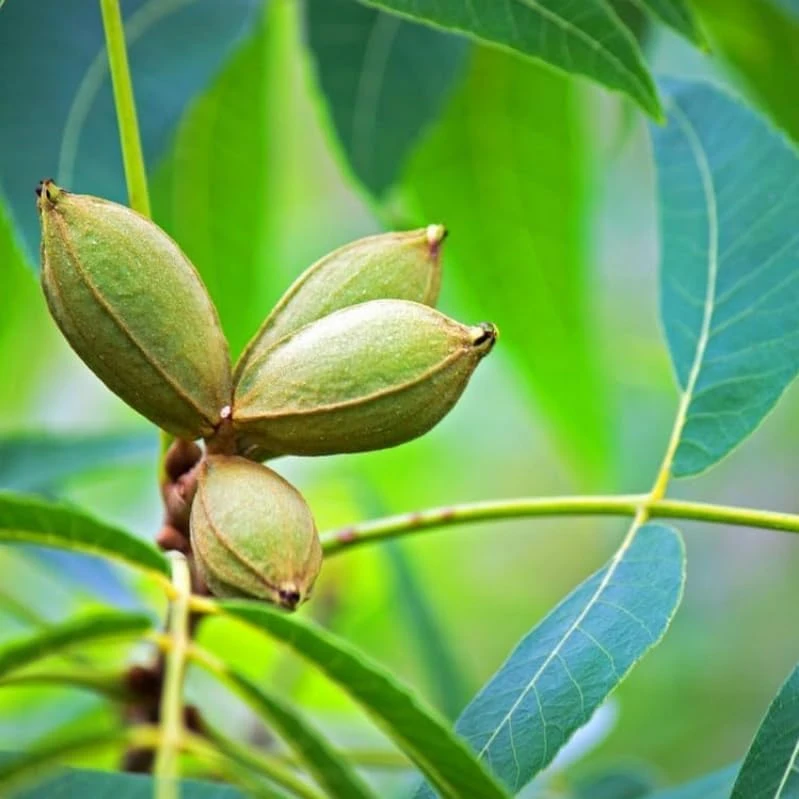
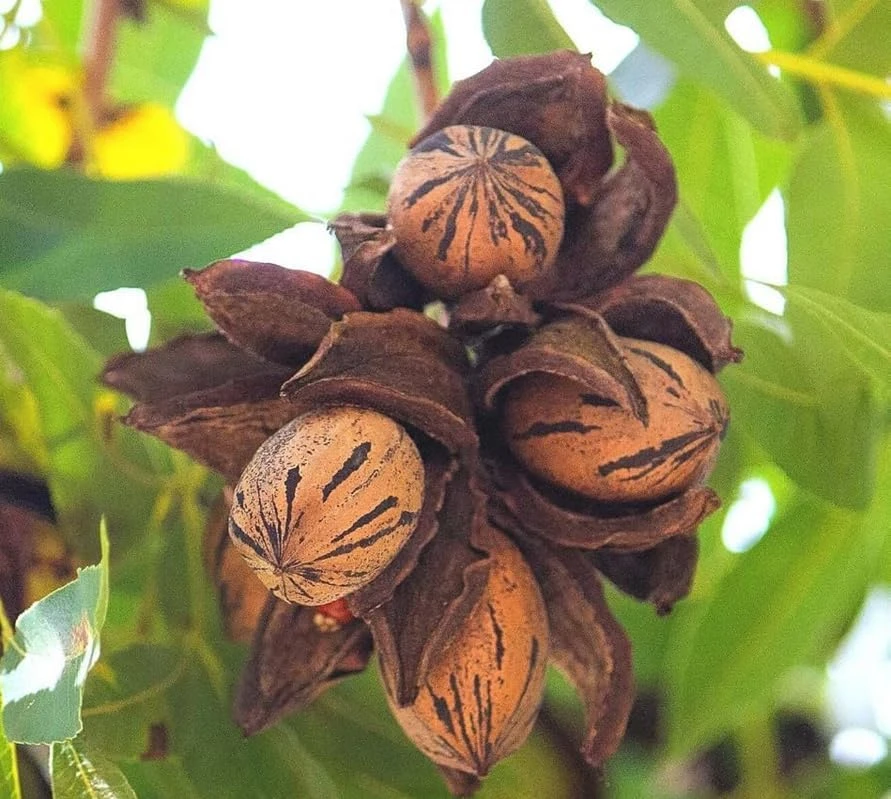
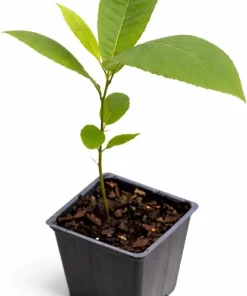
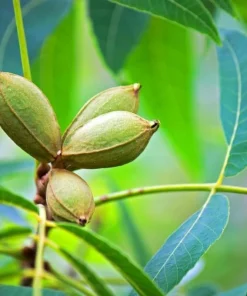
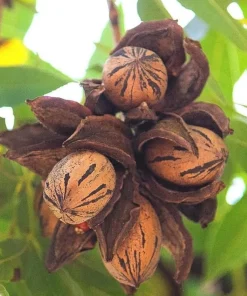
Pecan Nut Trees Live Plants – 2 Pack, 6-12 inches Tall, Quart Pot
Original price was: $49.98.$27.99Current price is: $27.99.
Cultivate your own delicious nuts with this 2-pack of pecan nut tree live plant specimens. These 6-12 inch trees are shipped in quart pots, ready to establish and provide shade, beauty, and abundant harvests of flavorful pecans.
Estimated arrival
Oct 14
Oct 19 - Oct 21
Oct 24 - Oct 28
Shop With Confidence
30-Day Plant Health Guarantee
Arrives damaged? We’ll replace it free — see our return policy.
Responsive Support
Email us anytime, we reply within 1 business day.
Expert Packaging
Temperature-controlled shipping to protect your plants in transit.
Secure Checkout
Pay safely with Visa, Mastercard, PayPal.
Plant Specifications
-
USDA Hardiness Zone
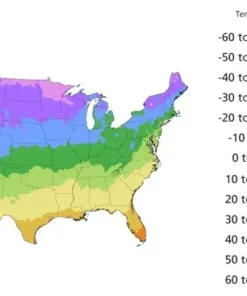
USDA zones 5-9 -
Soil Type
Deep, well-draining loamy soil -
Sunlight Exposure
Full sun -
Expected Planting Period
Late winter to early spring
Overview
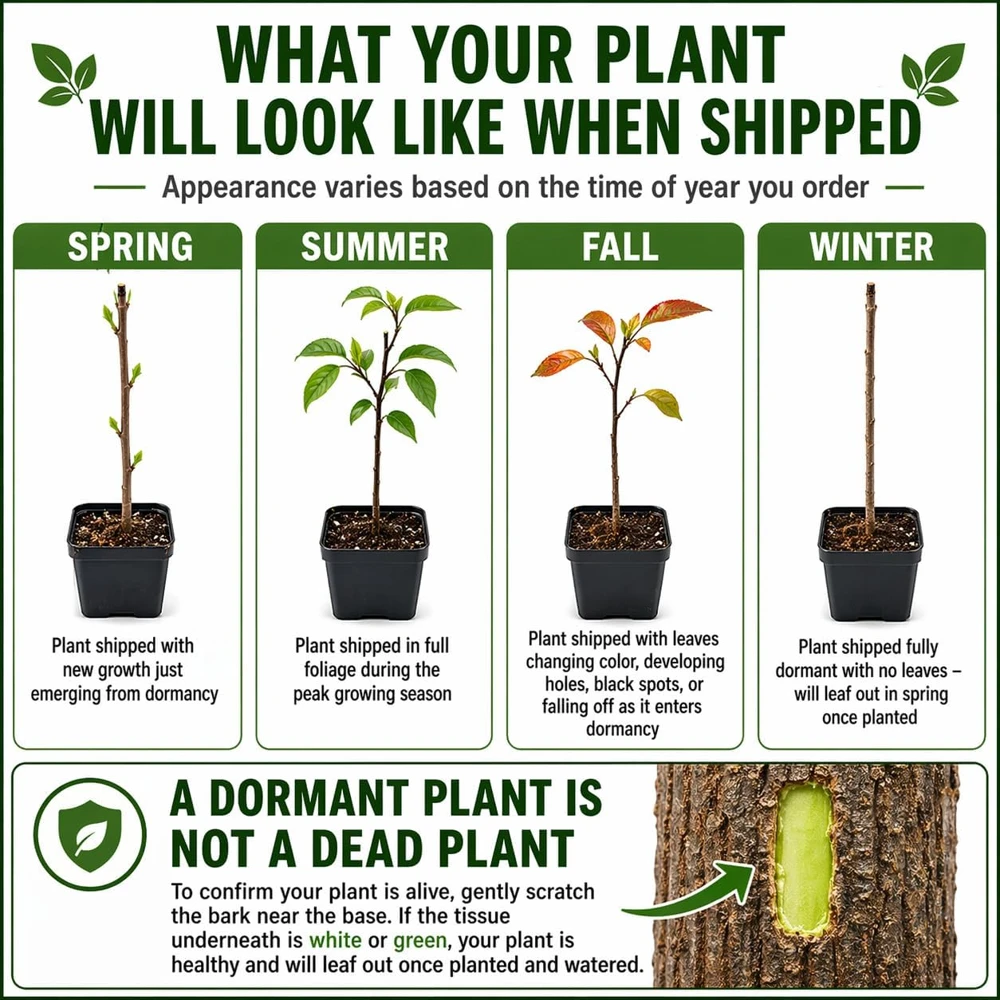
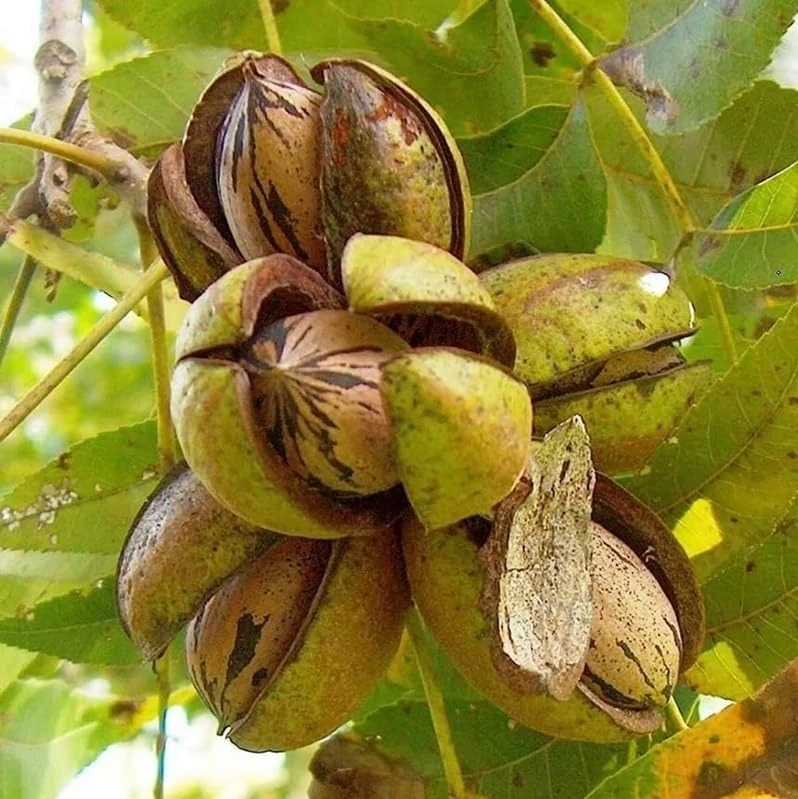
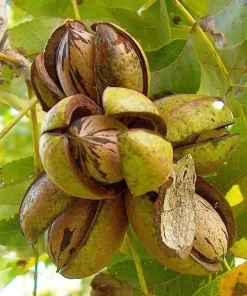
Embark on a rewarding horticultural journey with the pecan nut tree live plant, specifically a duo of Carya illinoinensis. These majestic trees are renowned for their ability to produce an abundant harvest of delicious and nutritious pecans, a prized nut for baking, snacking, and various culinary delights. Our offering includes two healthy young trees, each approximately 6 to 12 inches tall and delivered in quart pots, ready for planting. While they arrive dormant and leafless, indicating their readiness for transplantation and growth, they hold the promise of becoming stately shade trees with stunning fall foliage. Starting your own pecan legacy is an investment in both your landscape and your palate, ensuring a supply of fresh, homegrown nuts for years to come. Remember, at least two pecan trees are essential for proper pollination and a successful harvest, making this 2-pack an ideal choice for establishing a productive grove.
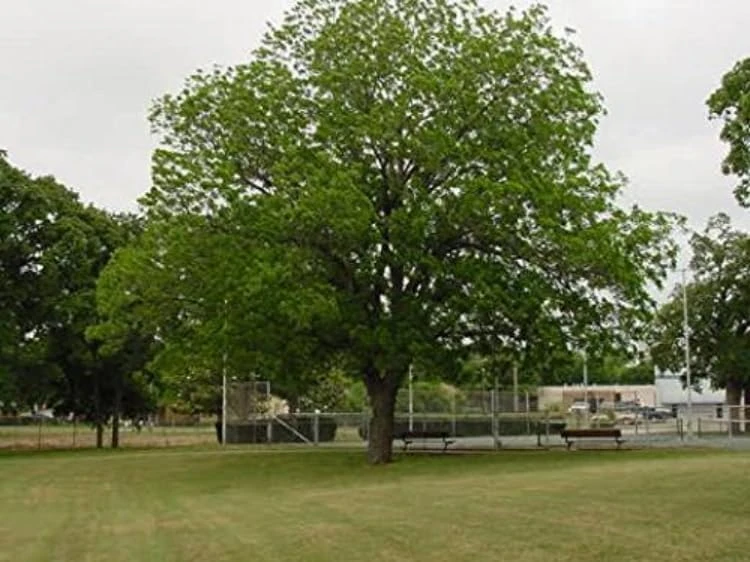
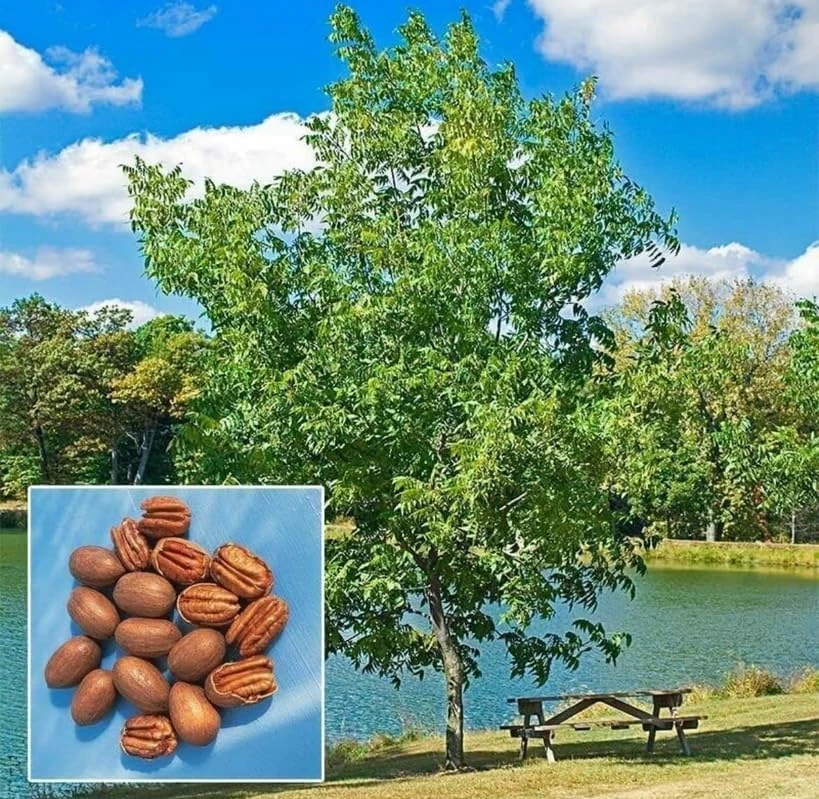
The pecan nut tree live plant, or Carya illinoinensis, is a deciduous tree native to the south-central United States and Mexico. It’s not just a source of food; it’s a significant landscape feature, offering considerable shade during hot summers and a brilliant display of golden-yellow leaves in autumn. These northern pecan varieties are selected for their hardiness and adaptability, making them suitable for a wide range of climates within their recommended zones. Growing your own pecans is a deeply satisfying experience, connecting you directly to nature’s bounty.
Key Benefits
Investing in a pecan nut tree live plant brings a multitude of advantages to your garden and lifestyle. These trees are not only producers of valuable nuts but also contribute significantly to the aesthetic and ecological value of your property. Here are some key benefits:
- Nutritious Harvest: Enjoy an annual bounty of high-quality, flavorful pecans. Perfect for healthy snacking, enhancing baked goods, or as thoughtful homemade gifts.
- Generous Shade Provider: As they mature, these trees develop into large, stately specimens, offering extensive and cooling shade during warm months, creating comfortable outdoor living spaces.
- Stunning Fall Foliage: Experience a beautiful display of vibrant yellow and golden hues in autumn, adding significant curb appeal and seasonal interest to your landscape.
- Long-Term Investment: Pecan trees are long-lived, providing decades, even centuries, of harvests and beauty, making them a valuable addition to any property.
- Low Maintenance Once Established: Adaptable to various soil types, these trees require minimal specialized care once they have firmly established their root system, thriving with basic watering and occasional fertilization.
- Wildlife Attraction: The nuts provide a natural food source for local wildlife, contributing to the biodiversity of your garden ecosystem.
- Environmental Contribution: Like all trees, pecan trees help to improve air quality, reduce carbon dioxide, and support local ecosystems.
Plant Care & Growing Tips
Proper care is essential for ensuring your pecan nut tree live plant thrives and produces abundant harvests. While these trees are generally robust once established, attention to their needs during the initial years will set them up for long-term success. Understanding the specific requirements for growing pecan trees will help you cultivate a healthy and productive grove.
Sunlight and Location: Pecan trees require full sun exposure, meaning at least 6-8 hours of direct sunlight per day. Choose a planting site that receives ample sun throughout the day and allows for the tree’s mature size, as they can grow very large. Avoid planting too close to buildings or other large trees that might cast excessive shade. Soil Requirements: These trees prefer deep, well-draining, fertile soil with a pH between 6.0 and 7.0. While adaptable to various soil types, they do best in loamy soils. Improve heavy clay soils by amending with organic matter to enhance drainage. Ensure the planting hole is wide enough to accommodate the roots without bending. Watering: Consistent moisture is crucial, especially during the first few years after planting and during dry spells. Water deeply and regularly, ensuring the soil remains moist but not waterlogged. Reduce watering frequency as the tree matures, but continue to water during prolonged droughts. Young trees may need 1-2 inches of water per week, either from rain or irrigation. Fertilization: Begin fertilizing your Carya illinoinensis after the first year. Use a balanced fertilizer in late winter or early spring before new growth begins. As the trees mature, you may need to apply fertilizers that are higher in nitrogen, phosphorus, and potassium, as well as micronutrients like zinc, which is vital for pecan production. Follow product instructions carefully to avoid over-fertilization.
Pruning: Prune dormant trees in late winter to remove dead, diseased, or crossing branches. For young trees, focus on establishing a strong central leader and well-spaced scaffold branches. Pest and Disease Management: Monitor your trees for common pecan pests like pecan weevils, aphids, and pecan scab disease. Implement integrated pest management strategies, including good sanitation and appropriate treatments, if necessary. Pollination: As noted, at least 2 pecan trees are needed for pollination to ensure a good nut set. Pecans are wind-pollinated and often require cross-pollination between different cultivars for optimal yield. While these trees are northern varieties, checking for compatibility with other pecan trees in your area can enhance production. Pecan tree care also includes protecting young trees from deer and other wildlife that may browse on tender shoots.
Size & Details
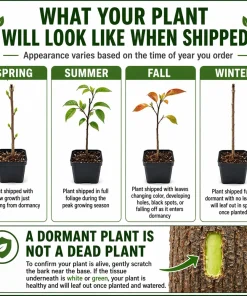
This offering includes two individual pecan nut tree live plant specimens, each approximately 6 to 12 inches in height. They are shipped in quart-sized pots, providing a healthy root system for successful transplanting. These young trees are provided dormant and without leaves, which is the ideal state for planting and minimizes transplant shock. Upon arrival, they will be ready to be planted in their permanent location, where they can begin to establish and grow. The growth rate of northern pecan trees can vary depending on climate, soil conditions, and care, but they are generally considered fast-growing once established, quickly developing into significant shade trees.
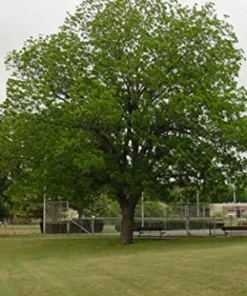
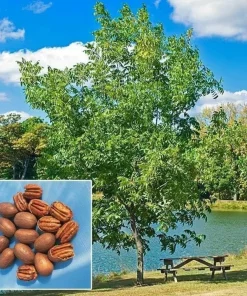
A mature pecan tree can reach impressive heights of 70-100 feet or more, with a spread of 40-75 feet, making them a dominant feature in any landscape. They typically begin producing nuts within 5-10 years, with significant yields increasing as the tree matures. These trees are long-lived, often producing for over 100 years. The quart pot size is convenient for initial planting and allows for easy handling before they are transferred to their final growing site. These trees are robust and resilient, designed for successful establishment and long-term production of delicious pecans.
Frequently Asked Questions
- Q: How big are the pecan nut trees when they arrive? A: The pecan nut tree live plant specimens you receive will be approximately 6 to 12 inches tall. They are shipped in quart-sized pots, ensuring a healthy root ball for planting.
- Q: What condition will the trees be in upon arrival? A: Your pecan trees will be shipped dormant and without leaves. This is a natural state for young trees during certain seasons and is ideal for transplanting, as it reduces stress.
- Q: Do I need more than one pecan tree for nuts? A: Yes, it is crucial for growing pecan trees that you plant at least two trees for proper cross-pollination. This ensures a successful and abundant nut harvest.
- Q: Is this an indoor or outdoor plant? A: The pecan nut tree live plant is an outdoor tree. It requires ample space to grow and full sun exposure to thrive and produce nuts.
- Q: How much sunlight does a pecan tree need? A: Pecan trees need full sun, which means at least 6-8 hours of direct sunlight per day, to grow strong and produce a good crop of pecans.
- Q: What kind of soil is best for pecan trees? A: Pecan trees prefer deep, well-draining, fertile soil with a slightly acidic to neutral pH. Good drainage is key to preventing root issues.
- Q: How long until these trees start producing pecans? A: While growth rates vary, northern pecan trees typically begin producing nuts within 5 to 10 years after planting, with yields increasing significantly as the trees mature.
- Q: Are these trees easy to care for? A: Once established, pecan trees are relatively low-maintenance. The initial years require consistent watering and proper site selection, but they become quite self-sufficient thereafter.
- Q: What is the ideal planting time for these trees? A: The best time to plant dormant pecan nut trees is typically in late winter or early spring, before new growth begins, to allow them to establish roots before summer heat.
- Q: What are the benefits of planting this variety of pecan tree? A: This pecan nut tree live plant offers delicious and nutritious nuts, provides excellent shade, displays beautiful fall foliage, and contributes to the ecosystem, making it a valuable addition to your landscape.
Be the first to review “Pecan Nut Trees Live Plants – 2 Pack, 6-12 inches Tall, Quart Pot”
People Also Viewed

Reviews
There are no reviews yet.