

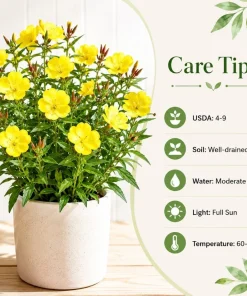
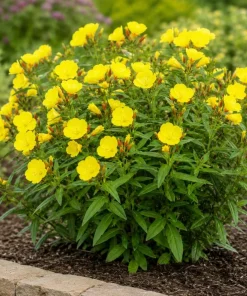
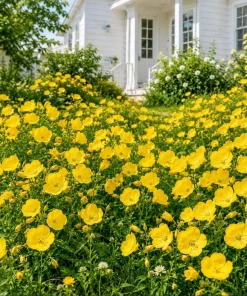
Evening Primrose Live Plant – Yellow Flowers, 2-4 Inch Tall, 3 Inch Pot
Original price was: $39.99.$14.99Current price is: $14.99.
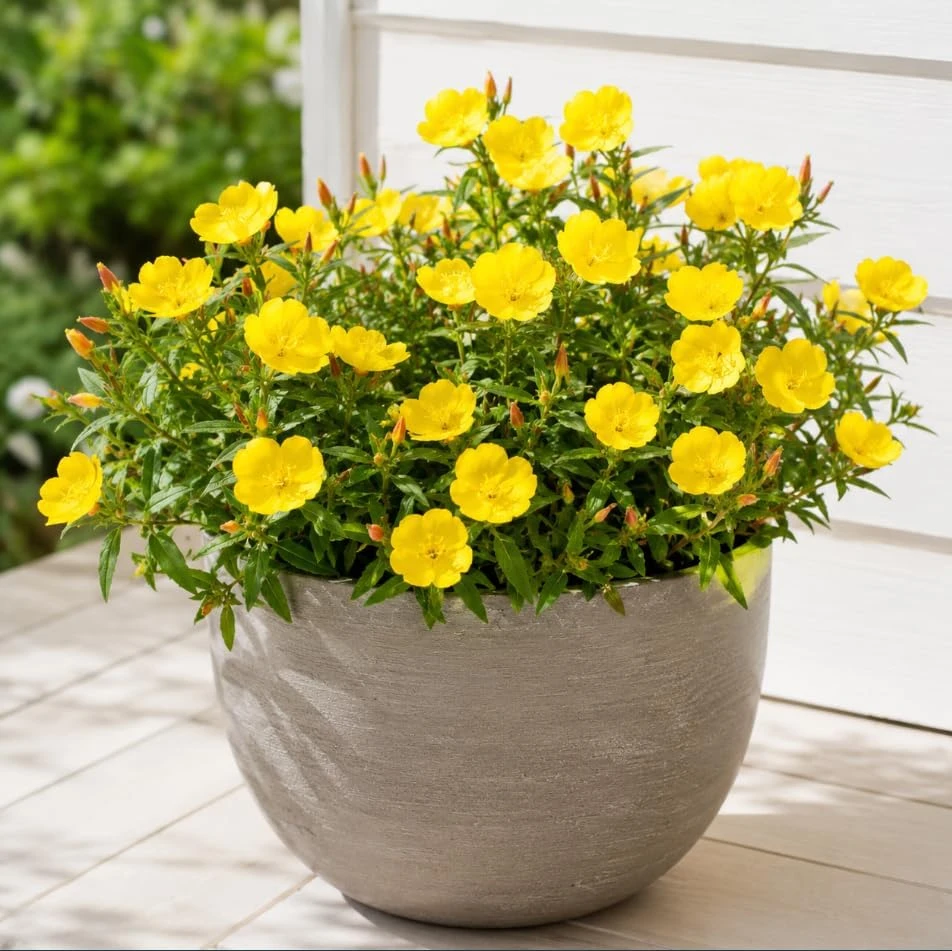
Introduce vibrant charm to your garden with this beautiful evening primrose live plant. Known for its bright yellow, cup-shaped flowers that open in the evening, this perennial is a low-maintenance, drought-tolerant choice for attracting pollinators. Arrives healthy, 2-4 inches tall in a 3-inch pot, ready for planting.
Estimated arrival
Oct 10
Oct 15 - Oct 17
Oct 20 - Oct 24
Shop With Confidence
30-Day Plant Health Guarantee
Arrives damaged? We’ll replace it free — see our return policy.
Responsive Support
Email us anytime, we reply within 1 business day.
Expert Packaging
Temperature-controlled shipping to protect your plants in transit.
Secure Checkout
Pay safely with Visa, Mastercard, PayPal.
Plant Specifications
-
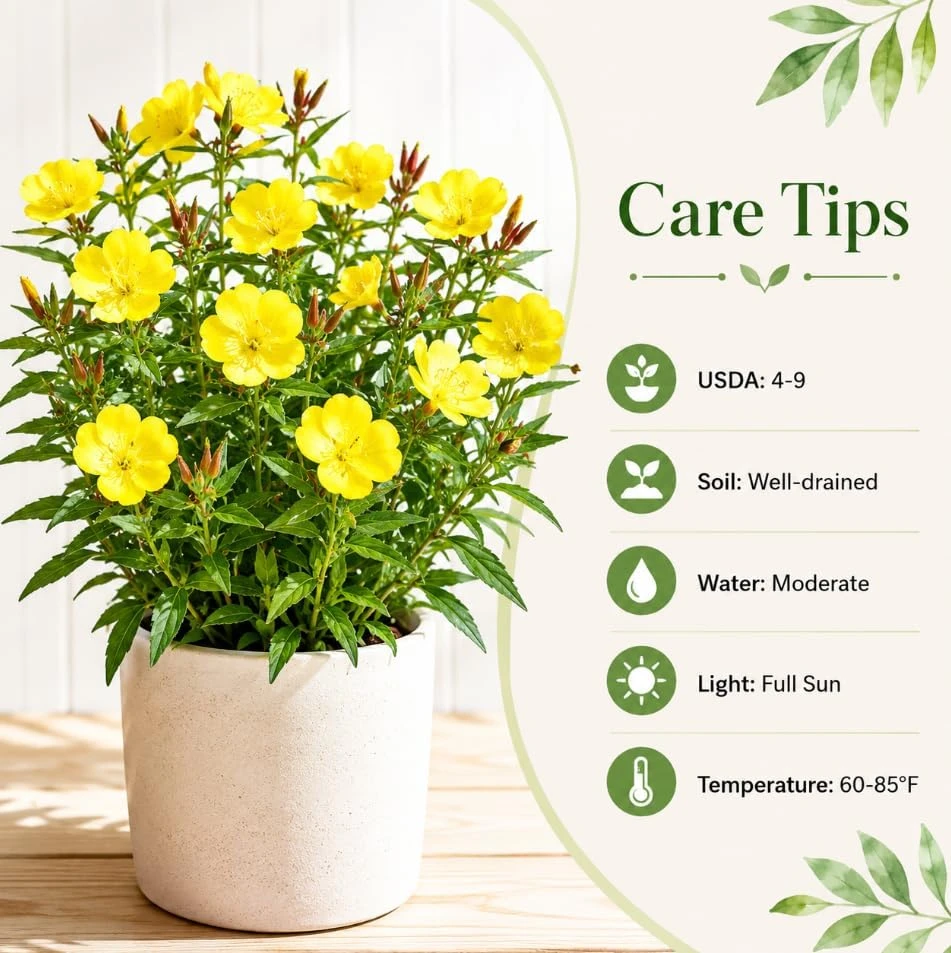
USDA Hardiness Zone
USDA Zones 4-9 -
Soil Type
Well-draining, sandy or loamy soil -
Sunlight Exposure
Full sun to partial shade -
Expected Planting Period
Spring to early fall
Overview
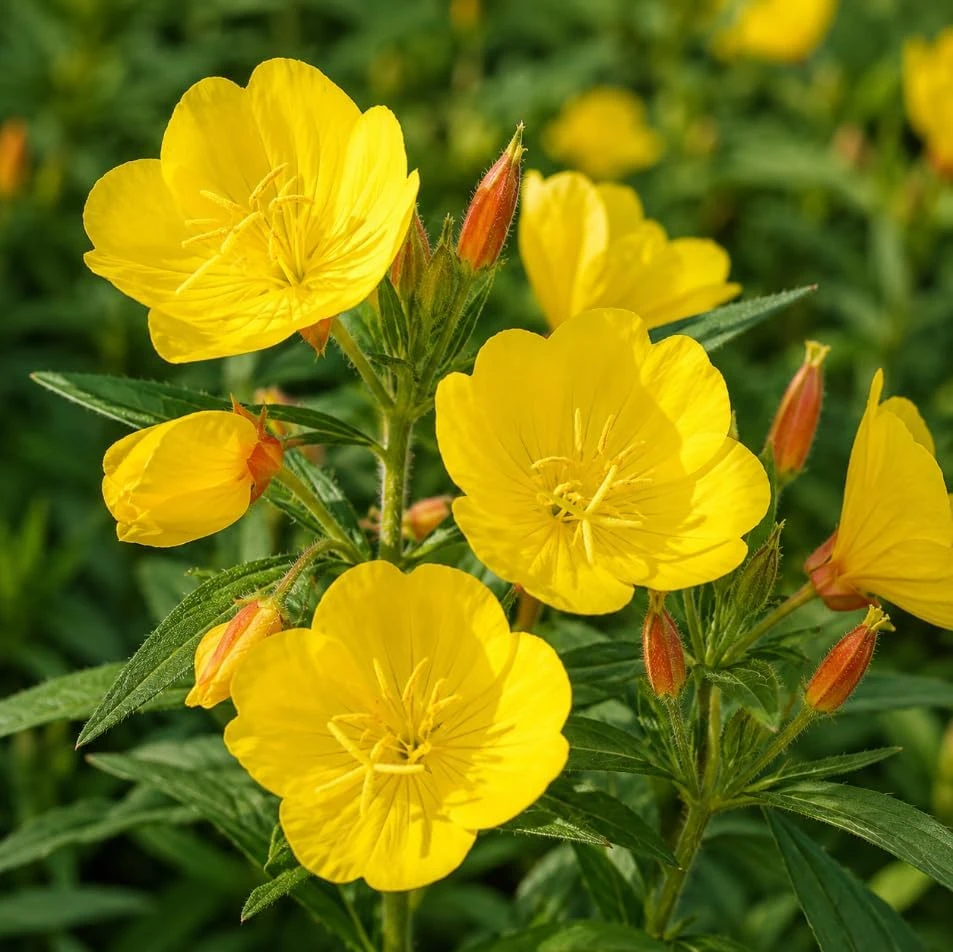
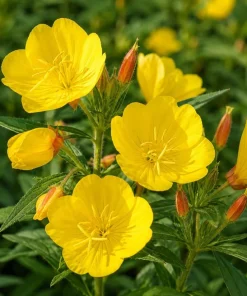
Introduce a burst of sunshine to your landscape with the delightful evening primrose live plant. This charming perennial, scientifically known as Oenothera biennis, is renowned for its bright yellow, cup-shaped flowers that typically open in the evening and last through the night, sometimes staying open into the morning on cloudy days. Our evening primrose live plant arrives healthy and ready for planting, measuring 2-4 inches tall in a convenient 3-inch pot. It’s an excellent choice for gardeners looking for a low-maintenance yet visually stunning addition to their flower beds, borders, or naturalized areas. Its cheerful disposition and long blooming season make it a favorite for attracting pollinators like bees and moths, adding life and movement to your outdoor spaces. Discover the joy of growing this resilient and beautiful flower that makes an excellent garden primrose plant.
The yellow evening primrose offers a unique spectacle as its flowers unfurl, creating an enchanting display as dusk settles. Perfect for various garden styles, from cottage gardens to naturalized settings, this plant contributes significantly to local biodiversity by providing nectar for a range of beneficial insects. Its adaptability and robust nature ensure a successful and rewarding gardening experience for both novice and experienced plant enthusiasts. This particular evening primrose live plant is carefully cultivated to ensure strong root development and vigorous growth upon arrival, guaranteeing a smooth transition into its new home.
Key Benefits
The evening primrose live plant offers numerous advantages for both your garden and the local ecosystem. Its vibrant blooms and adaptability make it a gardener’s delight. Here are some of the key benefits:
- Extended Blooming Season: Enjoy continuous vibrant yellow evening primrose flowers from late spring all the way through fall, providing consistent color when many other plants are fading. This long blooming period ensures your garden remains lively and attractive for months.
- Attracts Pollinators: The bright flowers and nectar are a magnet for beneficial insects, including bees, butterflies, and night-flying moths, supporting local biodiversity. This makes the evening primrose live plant an essential component for a healthy, thriving ecosystem.
- Drought Tolerance: Once established, the yellow evening primrose is remarkably drought-tolerant, making it an excellent choice for water-wise gardening. This resilience means less worry about consistent watering during dry spells.
- Low Maintenance: This hardy plant requires minimal care, thriving with basic watering and occasional feeding, perfect for busy gardeners. Its easy-going nature makes it a stress-free addition to any landscape.
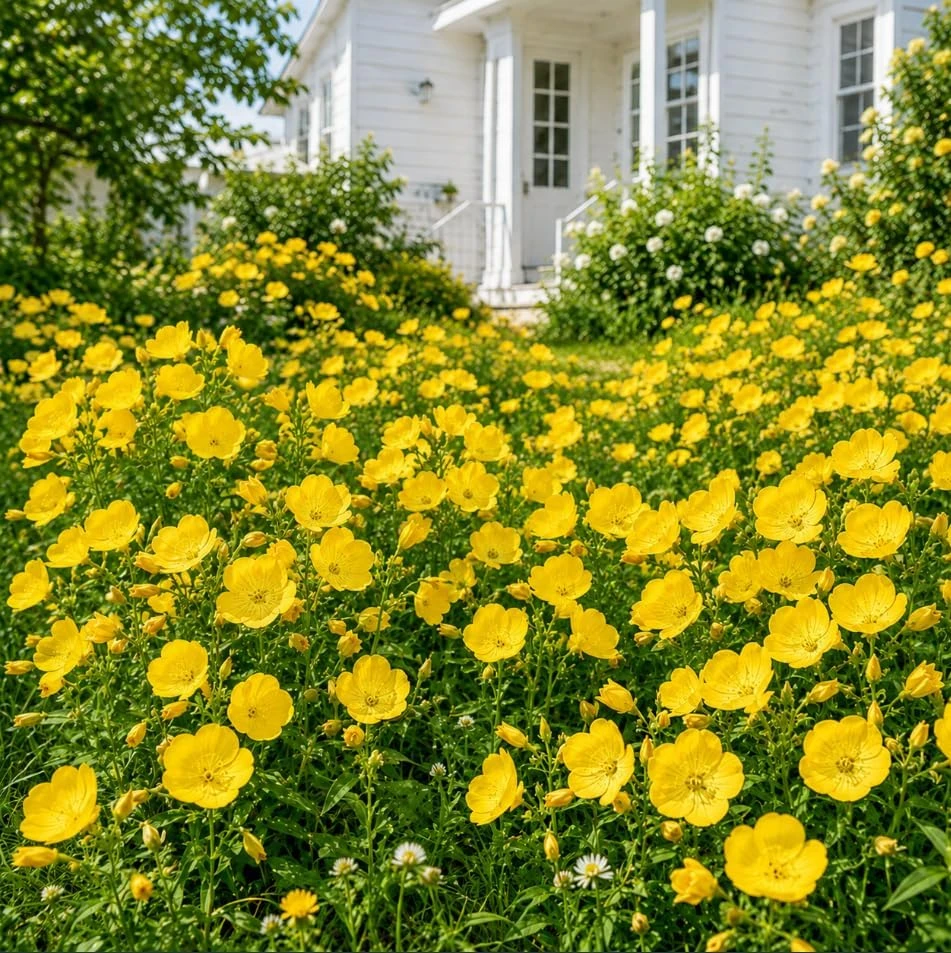
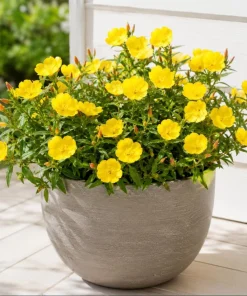
- Versatile Landscaping: Ideal for various garden settings, from cottage gardens and perennial borders to rock gardens and naturalized areas, adding a touch of wild beauty. The versatility of the garden primrose plant allows for creative planting designs.
- Adaptable to Light Conditions: Tolerates a range of light from full sun to partial shade, offering flexibility in planting locations. This adaptability helps ensure success in diverse garden environments.
- Hardy Perennial: Returns year after year in USDA Zones 4-9, providing reliable beauty without the need for annual replanting. This perennial nature offers lasting enjoyment from your evening primrose live plant.
Plant Care & Growing Tips
Caring for your evening primrose live plant is straightforward, making it a rewarding addition to almost any garden. For optimal growth and prolific blooming, consider the following guidelines. This plant thrives in a location that receives full sun to partial shade. Full sun (at least 6 hours of direct sunlight per day) will encourage the most abundant flowering, while partial shade can be beneficial in hotter climates to protect the plant from intense afternoon sun. Ensure the soil is well-draining; evening primrose does not tolerate soggy feet. A sandy or loamy soil enriched with some organic matter is ideal. When establishing the plant, water regularly to keep the soil consistently moist but not waterlogged. Once established, allow the soil to dry somewhat between waterings, as the plant is quite drought-tolerant. Temperatures between 55 and 80 degrees Fahrenheit are optimal for growth. Fertilization is generally not heavily required; a light application of a balanced slow-release granular fertilizer in spring can promote vigorous growth and blooming. Deadheading spent flowers can encourage more blooms and prevent excessive self-seeding. Watch out for common garden pests, though evening primrose care typically involves minimal pest issues. Good air circulation helps prevent fungal diseases, ensuring your evening primrose flower remains healthy.
Proper soil preparation is key for a thriving evening primrose live plant. Amending heavy clay soils with organic matter like compost or sand will improve drainage significantly. For sandy soils, incorporating compost will help retain moisture and nutrients. While generally hardy, protecting young plants from late spring frosts can help them establish better. In colder regions, applying a layer of mulch around the base of the plant in late fall can provide extra insulation for winter. Regular observation for any signs of stress or disease will allow for early intervention, though these plants are known for their resilience. Following these simple steps for evening primrose care will ensure a beautiful and long-lasting display in your garden.
Size & Details
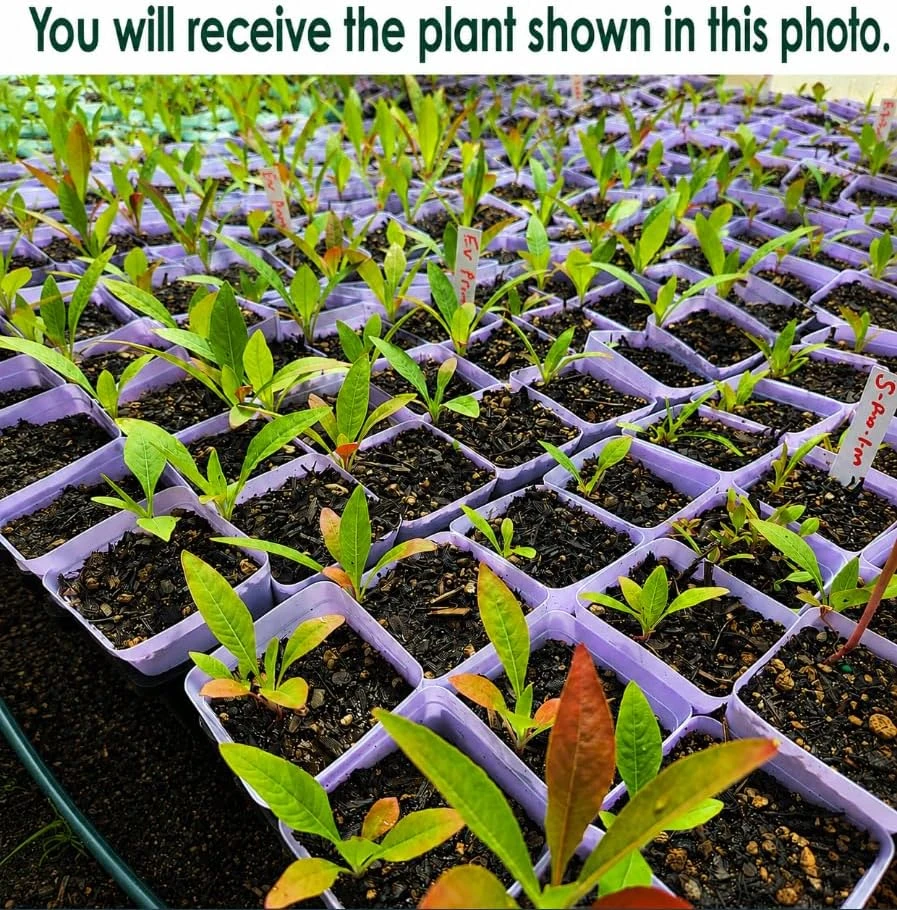
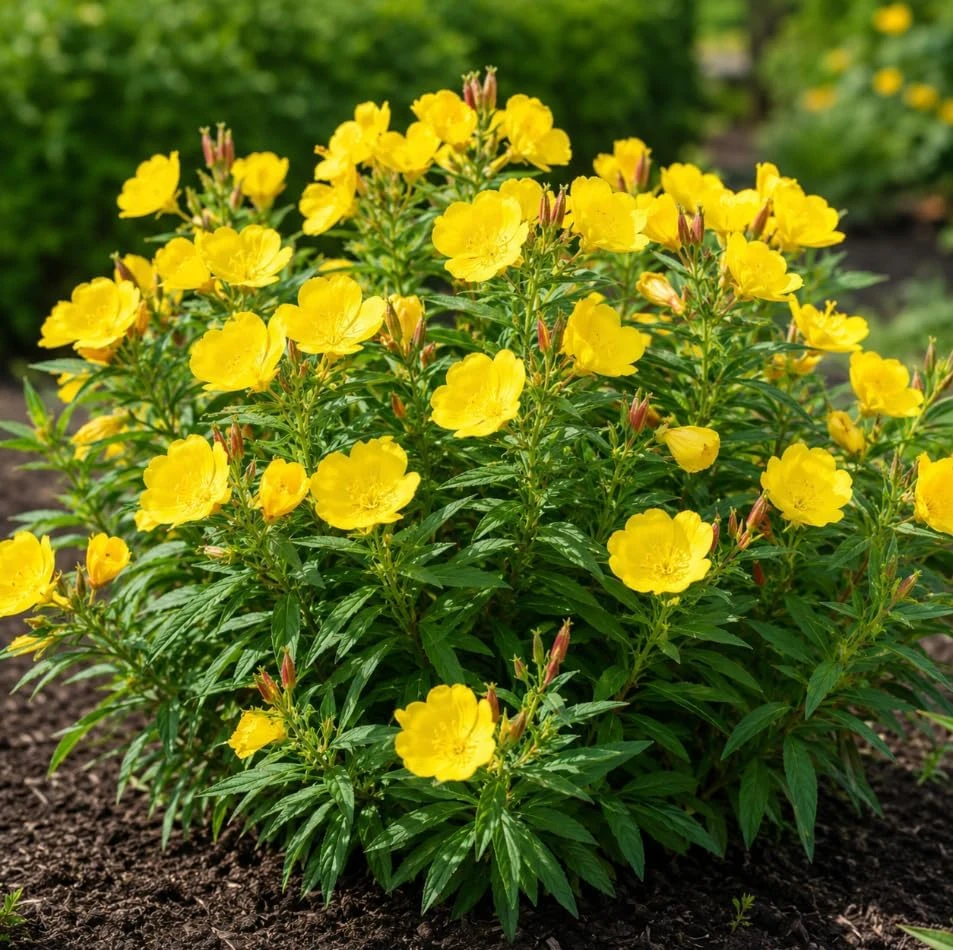
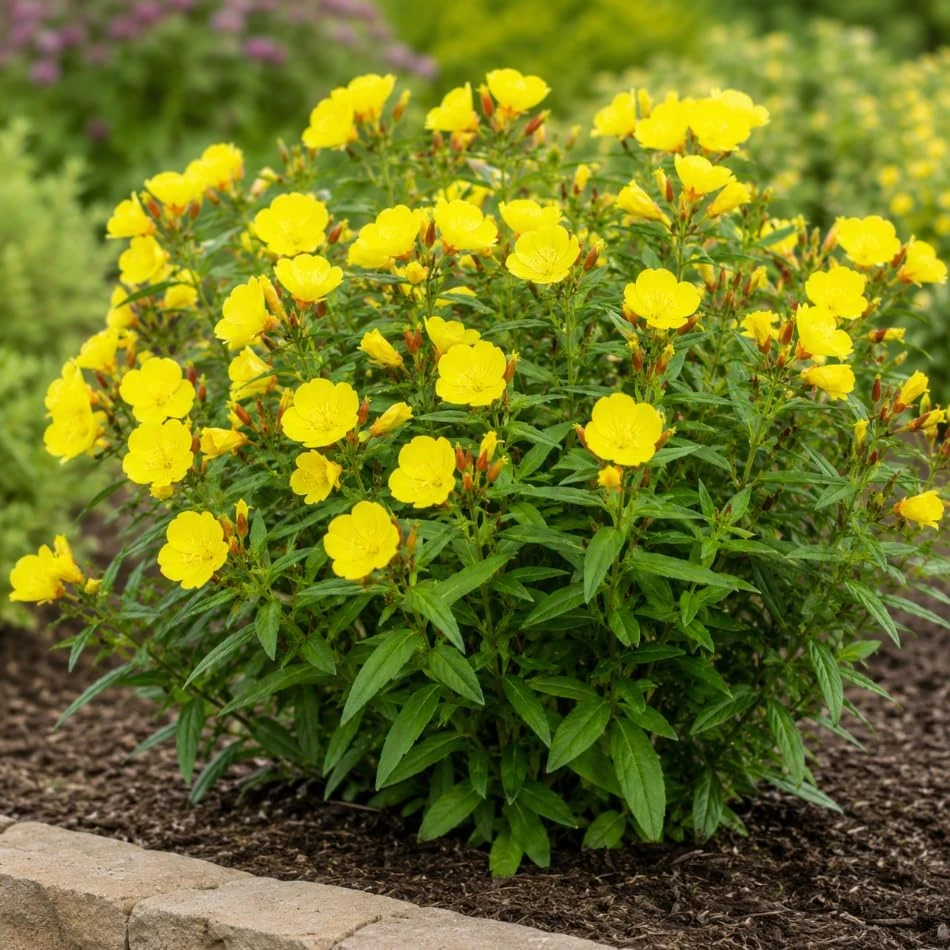
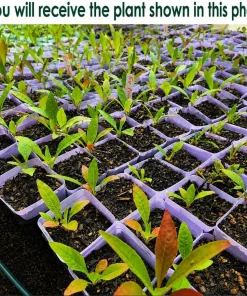
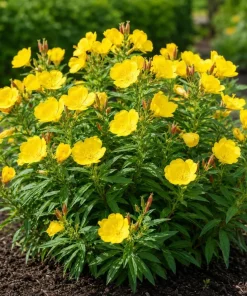
This offering includes one healthy evening primrose live plant, which stands approximately 2-4 inches tall from the base of the soil. It is carefully grown in a 3-inch nursery pot, ensuring a well-developed root system ready for transplanting into your garden. These plants are typically compact upon arrival but will quickly establish and grow to a mature height of 1-5 feet and a spread of 1-3 feet, depending on growing conditions and variety. The vibrant yellow evening primrose flowers are typically 1-2 inches in diameter. Expect blooming from late spring through fall, providing continuous color. This garden primrose plant is shipped securely to minimize stress during transit, arriving ready for immediate planting in its permanent location. Its robust nature makes it an ideal addition for gardeners seeking reliable performance and stunning visual appeal.
Frequently Asked Questions
- Q: How big does this evening primrose live plant get? A: This plant typically grows to a mature height of 1 to 5 feet and spreads 1 to 3 feet, depending on the specific variety and growing conditions. It arrives as a young plant, 2-4 inches tall in a 3-inch pot.
- Q: Is this an indoor or outdoor plant? A: The evening primrose live plant is primarily an outdoor perennial, thriving in garden beds, borders, and naturalized areas. It is hardy in USDA Zones 4-9.
- Q: How much sunlight does the yellow evening primrose need? A: It prefers full sun (at least 6 hours of direct sunlight daily) but can tolerate partial shade, especially in hotter climates. Full sun generally encourages the most abundant flowering.
- Q: Is this plant easy to care for? A: Yes, the evening primrose live plant is known for being low-maintenance and drought-tolerant once established, making evening primrose care quite straightforward for gardeners of all experience levels.
- Q: What condition will the evening primrose flower arrive in? A: Your plant will arrive healthy and well-rooted in its 3-inch nursery pot, carefully packaged to ensure minimal stress during shipping and ready for immediate planting.
- Q: When is the best time to plant an evening primrose live plant? A: The best time to plant is in spring or early fall, allowing the plant sufficient time to establish its root system before extreme weather.
- Q: Can the garden primrose plant attract pollinators? A: Absolutely! Its bright yellow flowers are a magnet for bees, butterflies, and night-flying moths, making it an excellent choice for supporting local wildlife and biodiversity.
- Q: What type of soil does it prefer? A: Evening primrose thrives in well-draining soil, ideally sandy or loamy, enriched with some organic matter. It does not tolerate soggy conditions.
- Q: Will this plant return every year? A: Yes, as a hardy perennial, the evening primrose live plant will return year after year in USDA Zones 4-9, providing reliable beauty without the need for annual replanting.
- Q: What temperatures does this plant tolerate? A: Optimal growth occurs between 55 and 80 degrees Fahrenheit, but it is hardy in USDA Zones 4-9, tolerating a range of temperatures once established.
Be the first to review “Evening Primrose Live Plant – Yellow Flowers, 2-4 Inch Tall, 3 Inch Pot”
People Also Viewed
Shrubs
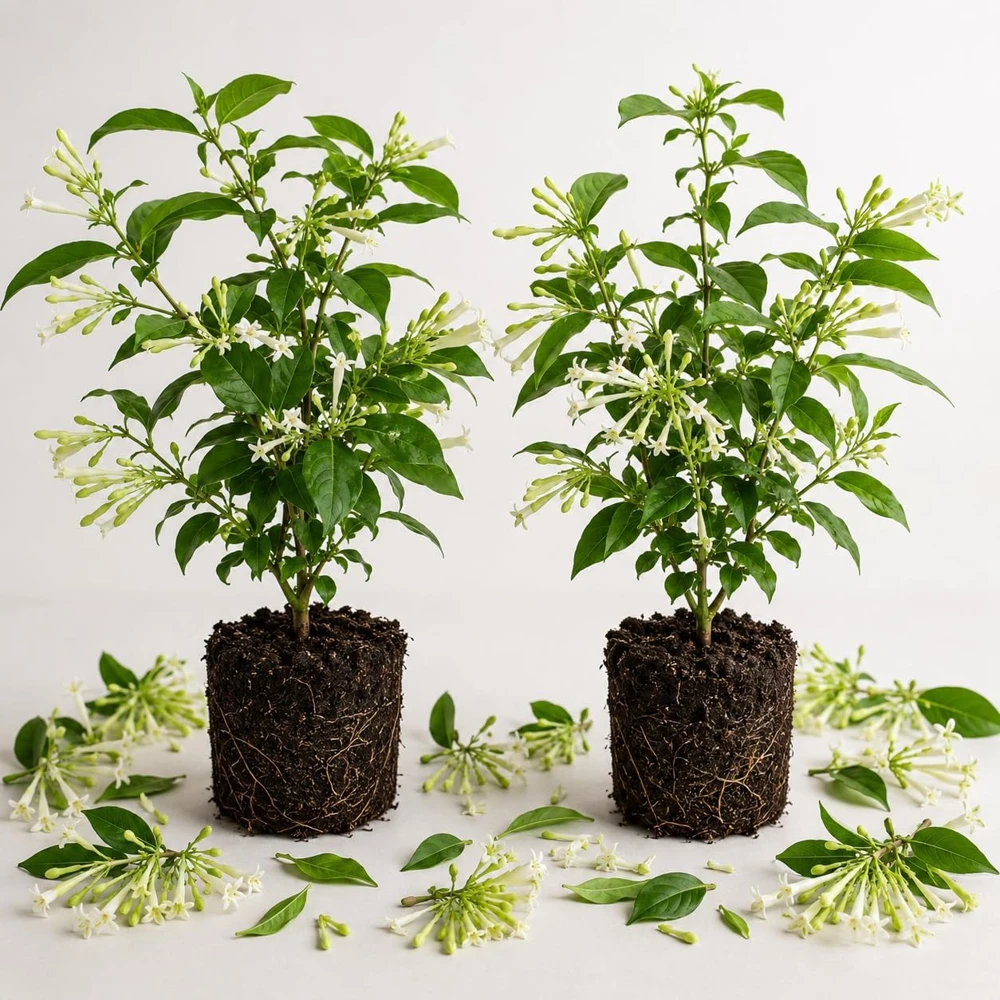
Night Blooming Jasmine Live Plants, Set of 2, 4-6 Inch Tall, Fragrant White Flowers, Outdoor Shrub



Reviews
There are no reviews yet.