

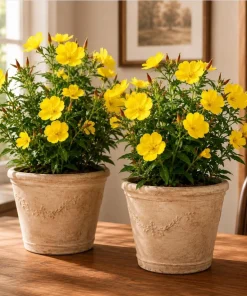
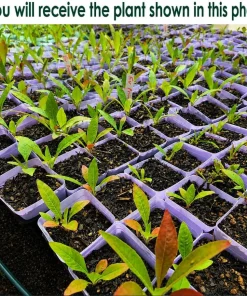
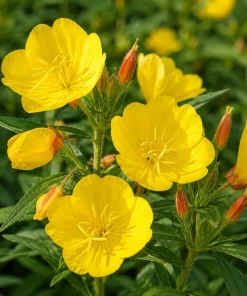
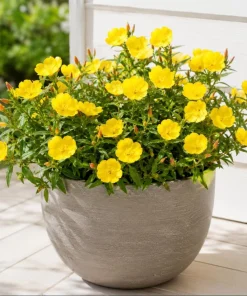
Yellow Evening Primrose Live Plant Set – 2-4 Inch Tall in 3 Inch Pot – Outdoor Perennial
Original price was: $49.99.$24.99Current price is: $24.99.
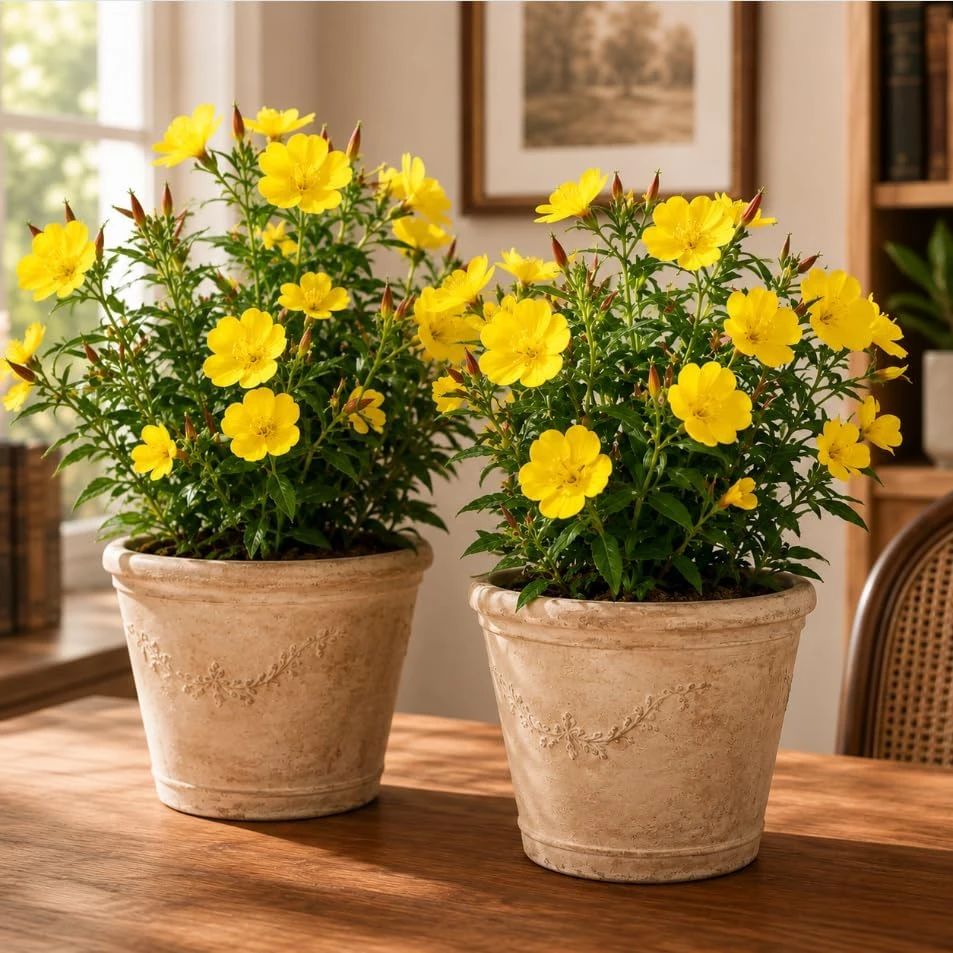
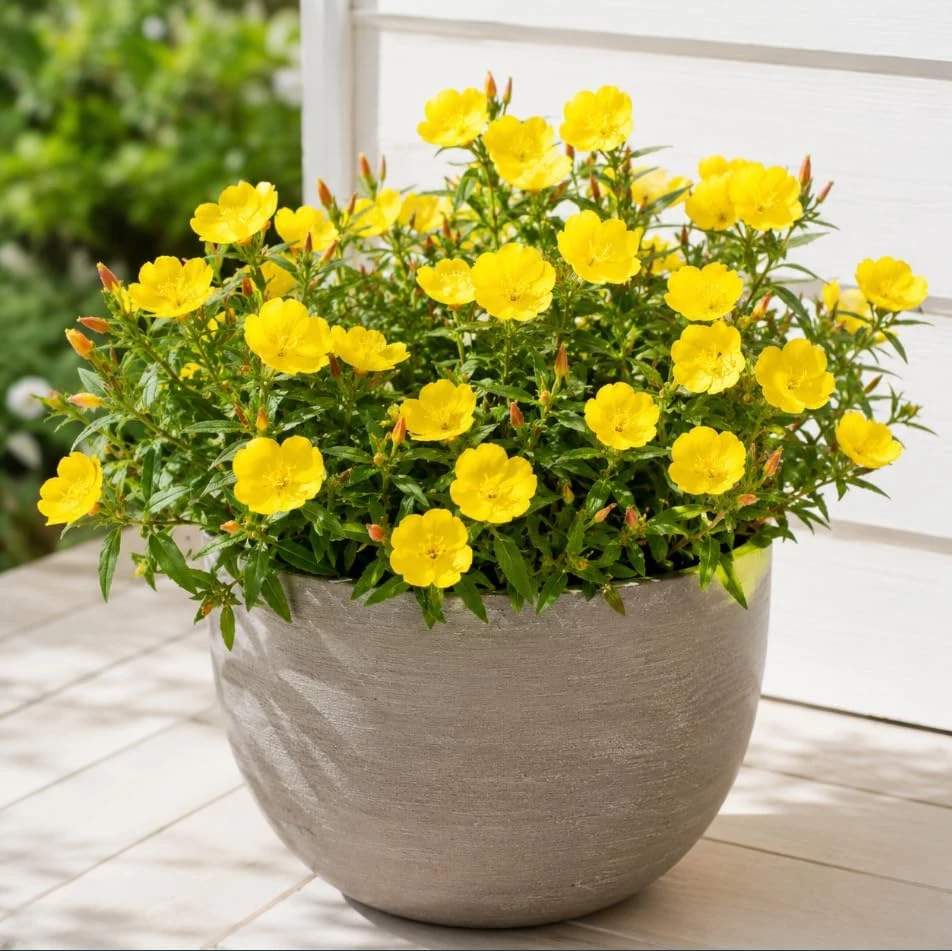
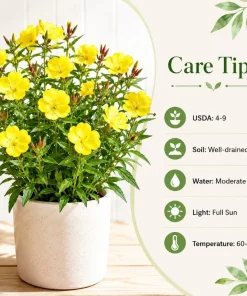
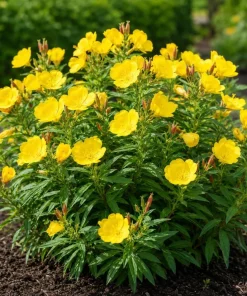
Introduce vibrant charm to your garden with this set of two yellow evening primrose live plant specimens. Known for their cheerful blooms and low-maintenance nature, these 2-4 inch tall perennials in 3-inch pots are perfect for borders, rock gardens, and attracting pollinators. Enjoy extended flowering from late spring through fall.
Estimated arrival
Oct 10
Oct 15 - Oct 17
Oct 20 - Oct 24
Shop With Confidence
30-Day Plant Health Guarantee
Arrives damaged? We’ll replace it free — see our return policy.
Responsive Support
Email us anytime, we reply within 1 business day.
Expert Packaging
Temperature-controlled shipping to protect your plants in transit.
Secure Checkout
Pay safely with Visa, Mastercard, PayPal.
Plant Specifications
-
USDA Hardiness Zone
USDA Zones 4-9 -
Soil Type
Well-draining soil -
Sunlight Exposure
Full sun to partial shade -
Expected Planting Period
Spring to early fall
Overview
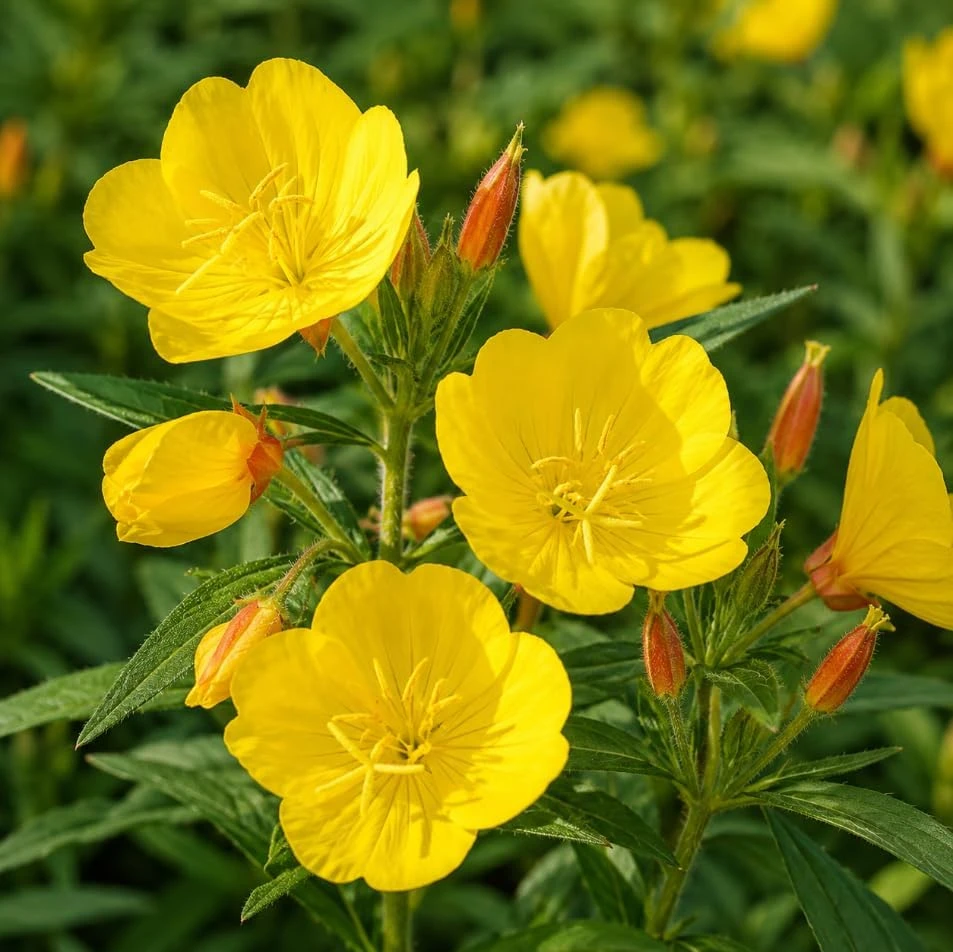
Introduce a burst of radiant color and delicate beauty to your outdoor space with this exceptional set of two yellow evening primrose live plant specimens. Known for their cheerful yellow blooms that often open in the late afternoon and evening, these plants are a delightful addition to any garden. Scientifically known as Oenothera biennis, the evening primrose is a beloved perennial that provides extended flowering throughout the warmer months. These vigorous plants are supplied as yellow evening primrose live plant in 3-inch pots, standing 2-4 inches tall, ensuring they are well-established and ready for successful planting in your home garden. Perfect for borders, rock gardens, or naturalized areas, the evening primrose is a resilient and attractive choice for gardeners seeking continuous visual appeal and low-maintenance charm. Their vibrant hues will create a stunning contrast and attract beneficial pollinators, enhancing the biodiversity of your landscape.
The evening primrose is not just a pretty face; it’s a plant with a rich history and numerous benefits. Its adaptability to various conditions makes it a popular choice for both novice and experienced gardeners. Prepare to enjoy a spectacular display of bright yellow garden flowers that will illuminate your garden from late spring all the way through fall, providing an extended season of enjoyment.
Key Benefits
Cultivating yellow evening primrose live plant varieties offers a multitude of advantages for your garden and well-being. These plants are celebrated for their vibrant aesthetic and robust nature, making them a fantastic choice for any gardener.
- Extended Bloom Season: Enjoy a continuous display of bright yellow flowers from late spring through fall, providing consistent color and interest in your garden. This prolonged blooming period makes them a standout among other yellow garden flowers.
- Attracts Pollinators: The cheerful blooms are a magnet for bees, butterflies, and other beneficial insects, contributing to a healthier and more vibrant ecosystem in your yard.
- Low Maintenance: Once established, the evening primrose is incredibly hardy and requires minimal care, making it an ideal choice for busy gardeners or those new to planting. Learning proper evening primrose care is straightforward and rewarding.
- Drought Tolerant: These plants are remarkably resilient and can withstand periods of drought, making them suitable for water-wise gardening strategies. Their hardiness ensures they thrive even in less-than-ideal conditions.
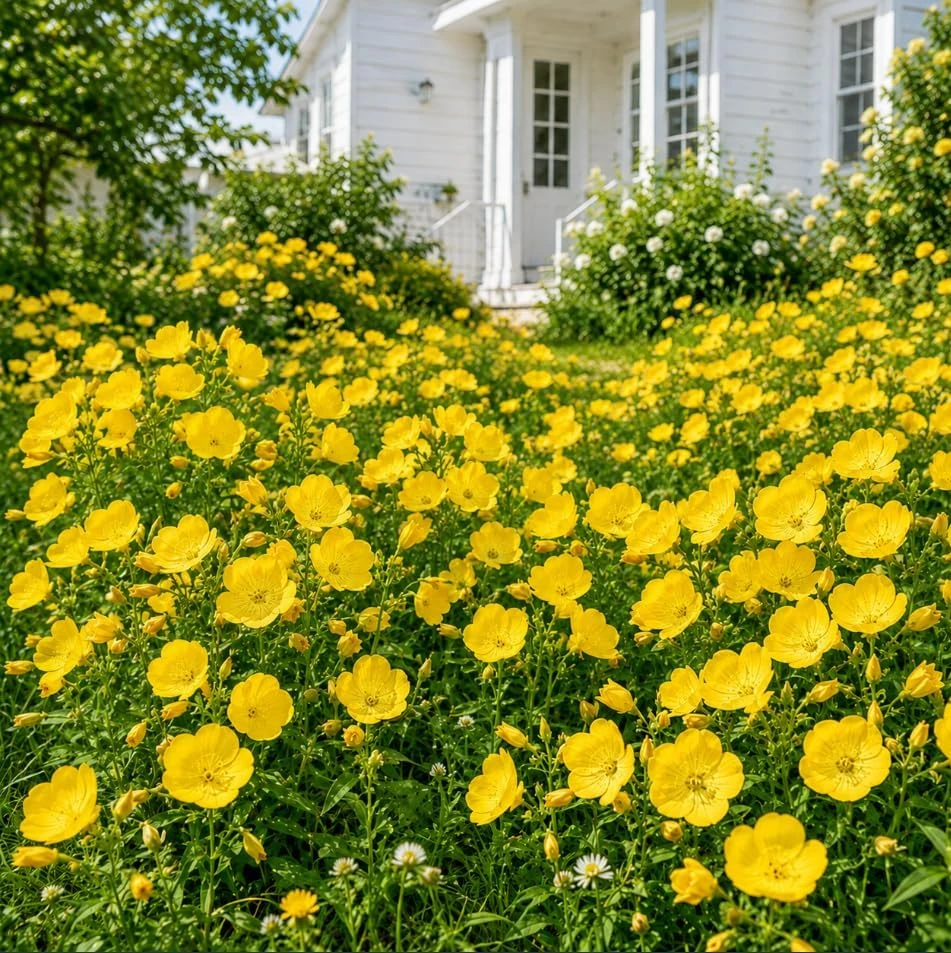
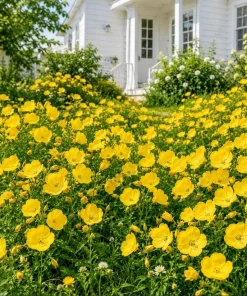
- Versatile Landscaping: Perfect for borders, mass plantings, rock gardens, or naturalized areas, they adapt well to various garden designs and settings. Many gardeners find growing evening primrose to be a rewarding experience due to its adaptability.
- Adds Cheerful Ambiance: The bright yellow petals create a warm and inviting atmosphere, brightening up any corner of your garden and lifting spirits.
- Naturalizes Easily: Evening primroses can self-seed and spread gently, creating beautiful drifts of color over time without becoming overly aggressive. This characteristic contributes to their reputation as a resilient perennial primrose.
Plant Care & Growing Tips
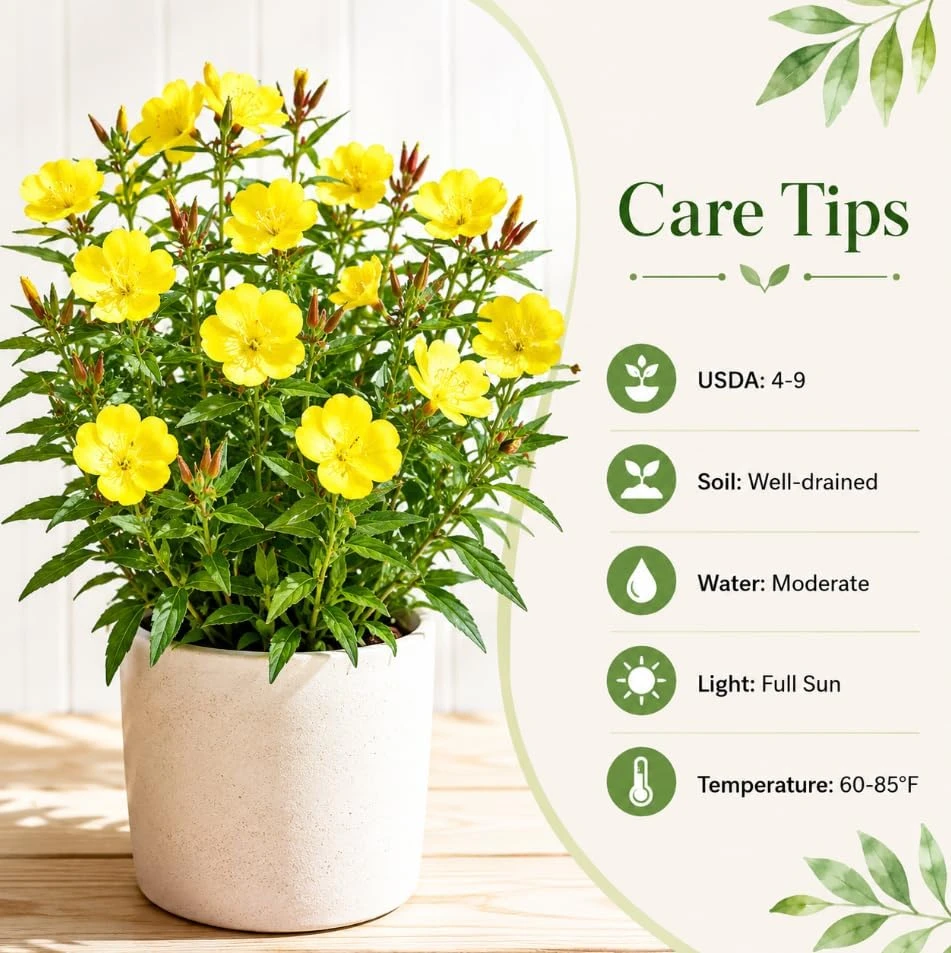
Ensuring the success of your yellow evening primrose live plant is straightforward with a few key care practices. These resilient plants thrive with proper attention to light, water, and soil conditions. For optimal growth and prolific flowering, choose a location that receives full sun to partial shade. Full sun (at least 6 hours of direct sunlight per day) will encourage the most abundant blooms, while partial shade can be tolerated in hotter climates to protect the plant from intense afternoon heat. Adequate light is crucial for vibrant yellow garden flowers.
When it comes to watering, the evening primrose prefers consistently moist soil when establishing, but once mature, it becomes quite drought tolerant. Water deeply and regularly, especially during dry spells, but allow the top inch or two of soil to dry out between waterings to prevent root rot. Good drainage is essential, so amend heavy clay soils with organic matter. These plants are not particularly fussy about soil pH but prefer well-draining soil. For optimal evening primrose care, a light application of balanced granular fertilizer in early spring can promote vigorous growth and abundant blooms. Deadheading spent flowers will encourage more blooms and prevent excessive self-seeding if desired. These plants are generally pest and disease resistant, making growing evening primrose a low-stress endeavor. They are hardy in USDA Zones 4-9.
Size & Details
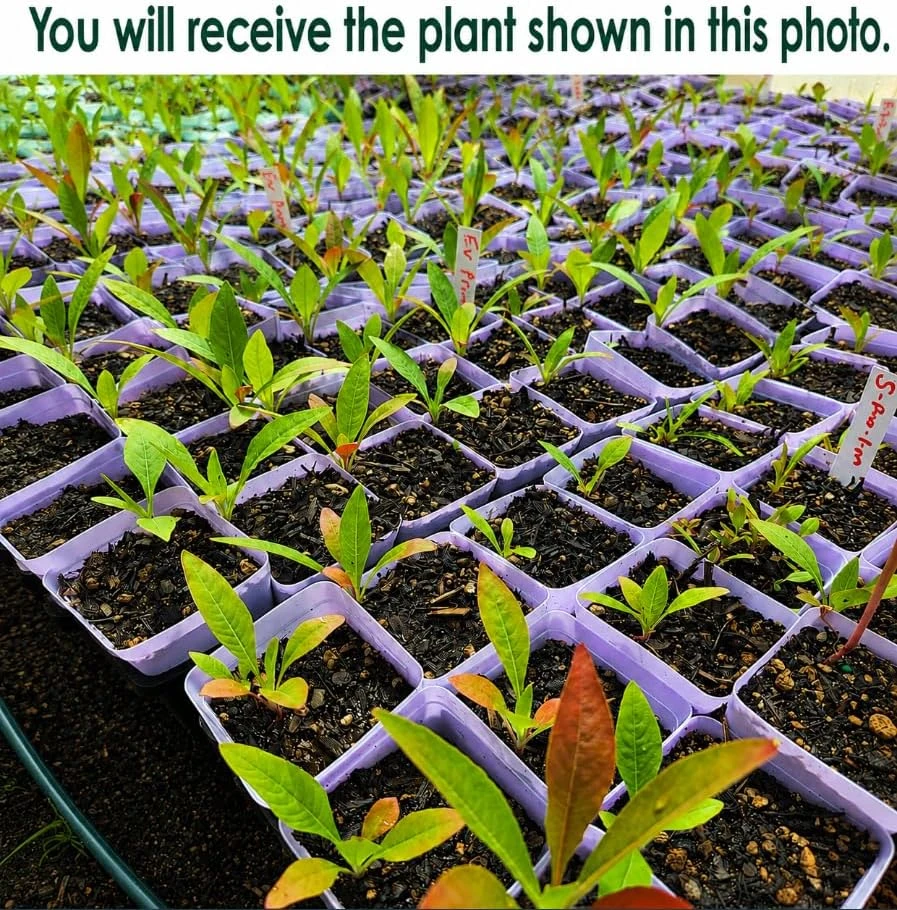
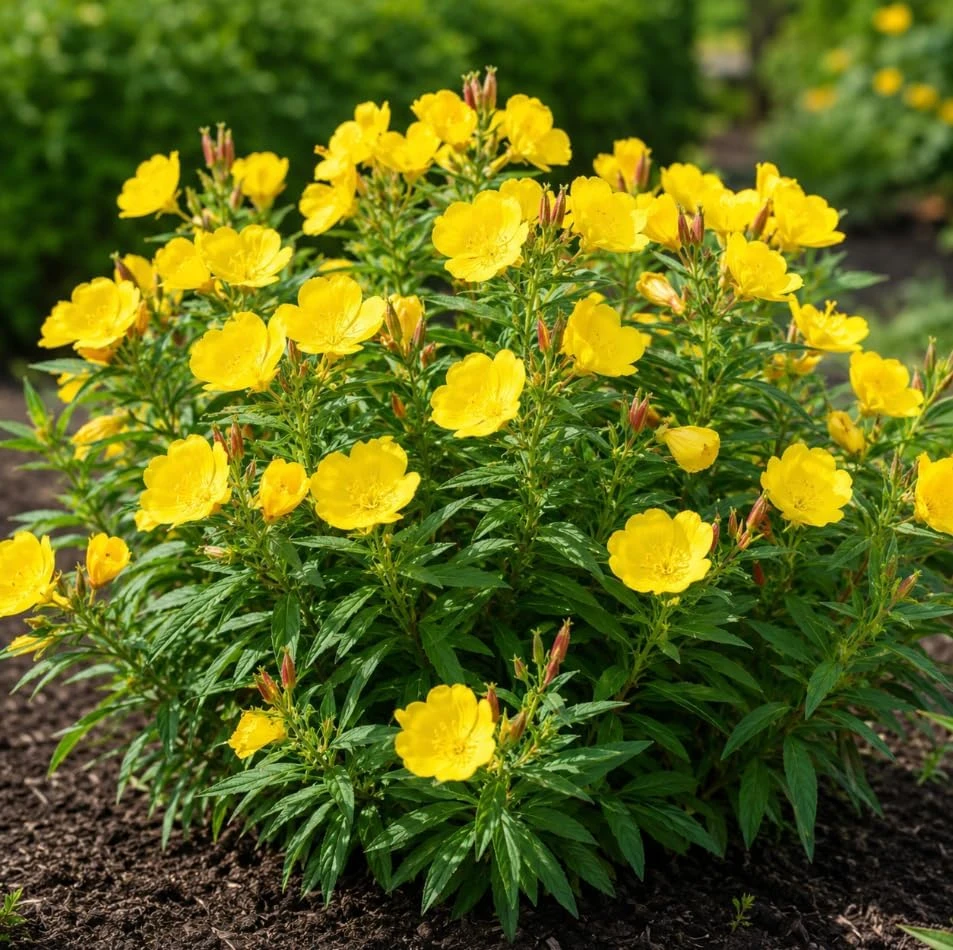
This offering includes a set of two yellow evening primrose live plant specimens. Each plant is supplied in a 3-inch nursery pot, providing a well-developed root system ready for transplanting. At the time of shipment, the plants stand approximately 2-4 inches tall, making them ideal young starts for your garden. Evening primrose typically grows to a mature height of 1-3 feet and can spread 1-2 feet wide, forming attractive clumps. They have a moderate growth rate, establishing quickly and beginning to bloom in their first year when planted in suitable conditions. Expect beautiful yellow garden flowers from late spring through fall, providing an extended season of enjoyment.
These plants are shipped as live, healthy starts, carefully packaged to ensure their safe arrival. They are ideal for creating borders, adding to rock gardens, or naturalizing areas where their cheerful blooms can spread gently over time. As a robust perennial primrose, they will return year after year, offering continuous beauty with minimal effort.
Frequently Asked Questions
- Q: How big will my yellow evening primrose live plant get? A: Your plants will arrive 2-4 inches tall in 3-inch pots. Once mature, they typically grow to a height of 1-3 feet and spread 1-2 feet wide, forming lovely clumps of vibrant blooms.
- Q: Is this an indoor or outdoor plant? A: The yellow evening primrose live plant is primarily an outdoor perennial, thriving in garden beds, borders, and naturalized areas. It is cold-hardy and prefers to be grown outdoors.
- Q: How much sunlight does this plant need? A: For the best blooming performance, evening primrose requires full sun (at least 6 hours of direct sunlight daily). It can tolerate partial shade, especially in hotter climates, but may produce fewer flowers.
- Q: Is this plant easy to care for? A: Yes, evening primrose care is considered low-maintenance. Once established, these plants are quite hardy, drought-tolerant, and generally resistant to pests and diseases, making them excellent for both beginner and experienced gardeners.
- Q: What condition will my plants arrive in? A: Your plants will be carefully packaged and shipped as healthy, live starts in their 3-inch nursery pots with soil, ready for transplanting into your garden.
- Q: When is the best time to plant yellow evening primrose? A: The best time for growing evening primrose is in spring after the last frost, or in early fall in warmer climates. This allows the plants to establish their root systems before extreme temperatures.
- Q: Will this perennial primrose survive winter in my zone? A: The evening primrose is a hardy perennial suitable for USDA Zones 4-9. In these zones, it will typically die back to the ground in winter and re-emerge in spring.
- Q: Do these plants attract pollinators? A: Yes, the cheerful yellow blooms of the evening primrose are known to attract a variety of beneficial pollinators, including bees and butterflies, enhancing the biodiversity of your garden.
- Q: Can I grow evening primrose in containers? A: While primarily a garden plant, you can grow evening primrose in large containers with good drainage. Ensure the pot is big enough to accommodate its mature size and provide consistent watering.
- Q: How often should I fertilize my yellow evening primrose? A: A light application of a balanced, slow-release granular fertilizer in early spring is usually sufficient. Over-fertilizing can lead to lush foliage but fewer flowers.
Be the first to review “Yellow Evening Primrose Live Plant Set – 2-4 Inch Tall in 3 Inch Pot – Outdoor Perennial”
People Also Viewed
Flower Bulbs
2 Live Elephant Ear Taro Bulbs – Colocasia esculenta Gabi Kalo Eddo Edible Root Vegetable Tropical
Reviews
There are no reviews yet.