
Live Pumpkin Plant for Planting – 1 Plant, 2-4 Inch Tall – Outdoor Vegetable
Original price was: $43.99.$18.99Current price is: $18.99.
Embark on a rewarding gardening journey with our premium pumpkin plant live. This vigorous seedling is ready for transplanting into your garden, offering the promise of abundant, homegrown pumpkins. Perfect for any vegetable patch, it provides fresh produce for cooking, baking, or festive decorations.
Estimated arrival
Oct 10
Oct 15 - Oct 17
Oct 20 - Oct 24
Shop With Confidence
30-Day Plant Health Guarantee
Arrives damaged? We’ll replace it free — see our return policy.
Responsive Support
Email us anytime, we reply within 1 business day.
Expert Packaging
Temperature-controlled shipping to protect your plants in transit.
Secure Checkout
Pay safely with Visa, Mastercard, PayPal.
Plant Specifications
-
USDA Hardiness Zone
USDA zones 3-9 (as an annual) -
Soil Type
Well-draining, rich loamy soil -
Sunlight Exposure
Full sun -
Expected Planting Period
Spring to early summer
Overview
Embark on a rewarding gardening journey with our premium pumpkin plant live. This vigorous seedling arrives ready to be transplanted into your garden, offering the promise of abundant, homegrown pumpkins. Whether you’re an experienced gardener or just starting out, growing your own pumpkins is a delightful experience, yielding fresh produce perfect for cooking, baking, or festive decorations. Our live pumpkin plants are carefully nurtured to ensure they are healthy and robust, providing you with the best possible start for a successful harvest. Imagine the satisfaction of picking your very own pumpkins, knowing they were grown with care right in your backyard. This particular variety is chosen for its reliability and ease of growth, making it an excellent choice for a productive vegetable patch. If you’re looking to grow pumpkins at home, this plant is an ideal choice.
A live pumpkin seedling is a fantastic addition to any vegetable garden. These plants are known for their sprawling growth habit and impressive fruit production, transforming your garden into a vibrant, productive space. With proper care, your pumpkin plants will thrive, producing numerous pumpkins that are not only delicious but also a beautiful sight as they mature. Get ready to cultivate a bountiful harvest and enjoy the fresh taste of homemade pumpkin dishes. We provide everything you need to begin your journey of grow pumpkins at home successfully.
Key Benefits
Cultivating your own pumpkins offers a multitude of benefits, both for your garden and your table. Our pumpkin plant live provides an excellent foundation for a successful harvest, ensuring you can enjoy these advantages:
- Fresh, Organic Produce: Enjoy the unparalleled taste of pumpkins grown without commercial pesticides, right in your own garden. You control the growing conditions, leading to healthier, more flavorful vegetables. This is a primary advantage of choosing a pumpkin plant live.
- Rewarding Gardening Experience: Watching a small seedling mature into a sprawling vine laden with pumpkins is incredibly satisfying. It’s a fantastic project for gardeners of all skill levels, offering a tangible reward for your efforts.
- Versatile Culinary Uses: Homegrown pumpkins are perfect for pies, soups, roasted dishes, and more. The possibilities are endless when you have fresh pumpkins at your fingertips, encouraging culinary creativity.
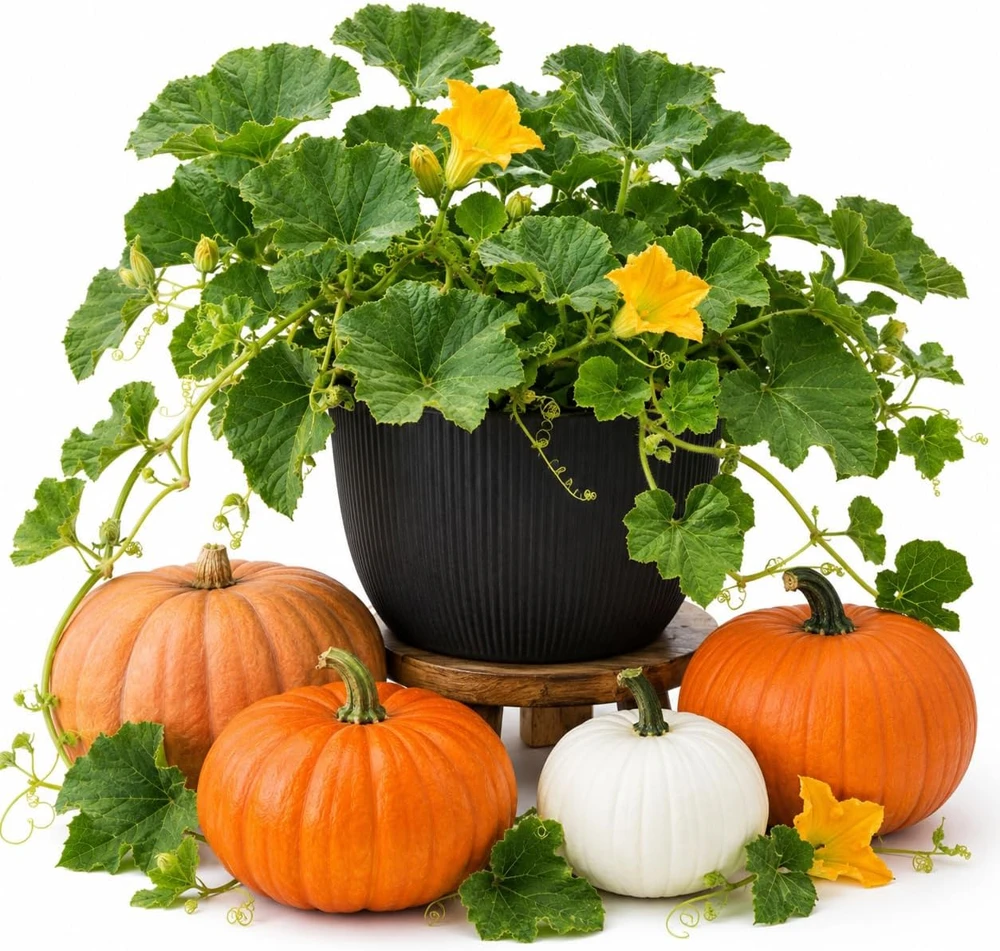
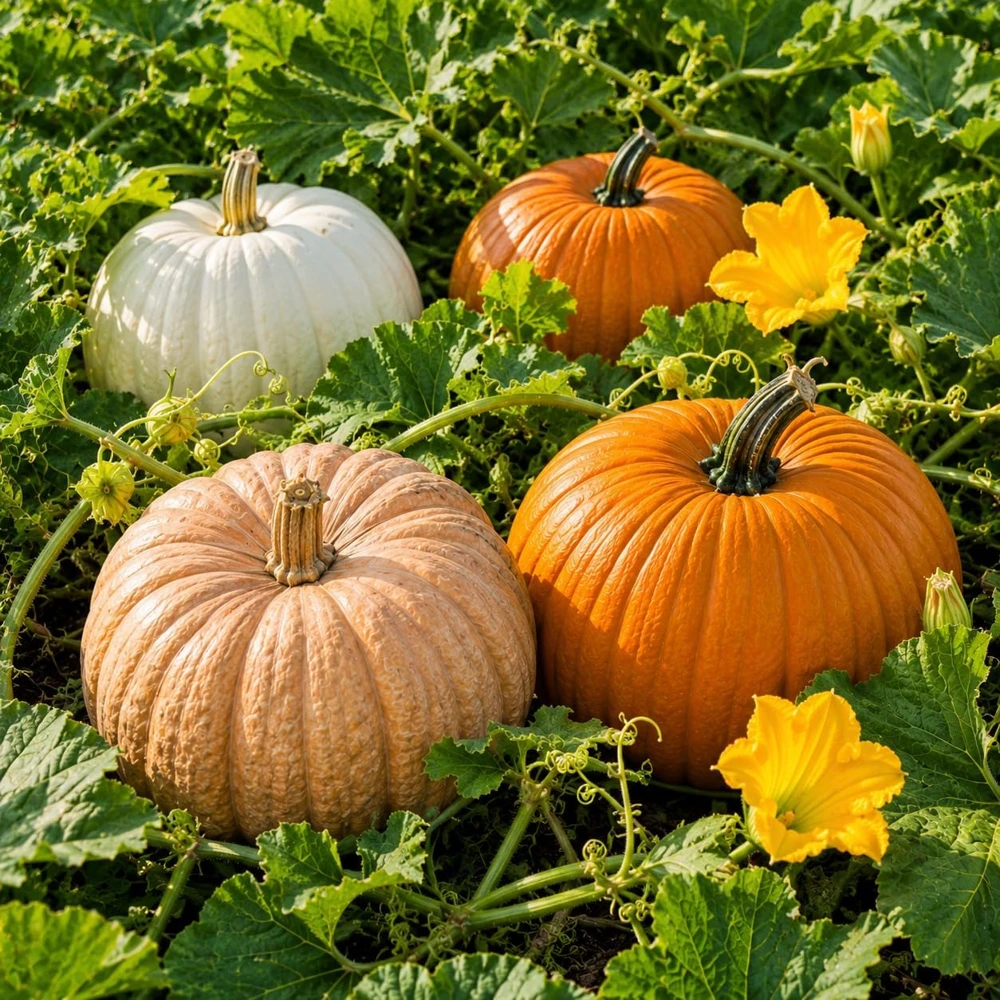
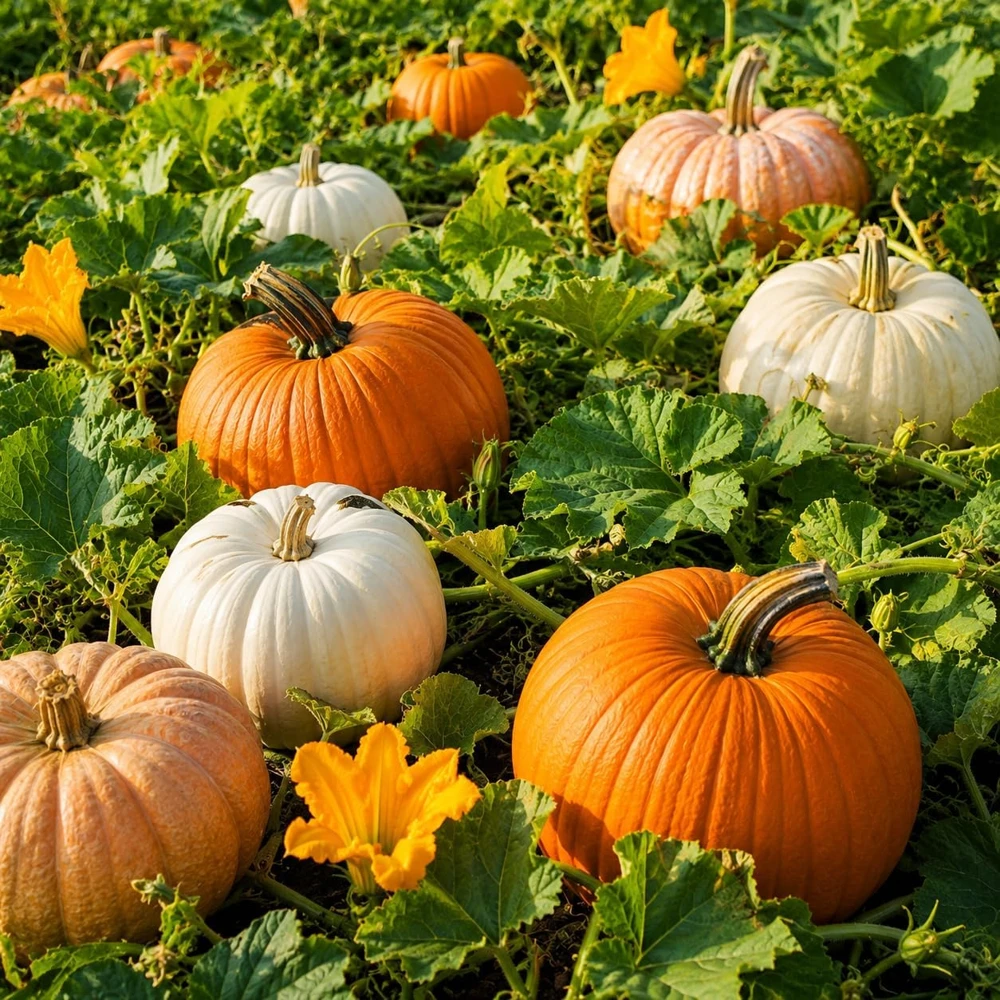
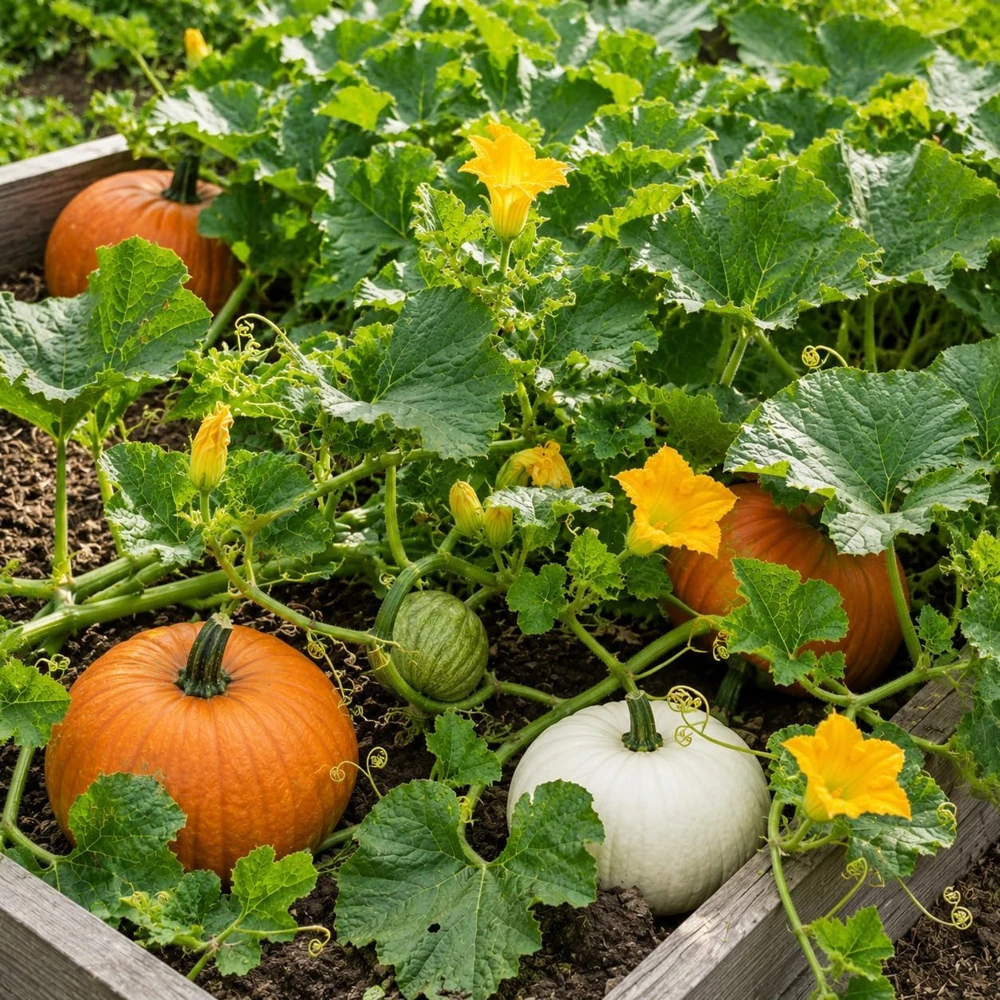
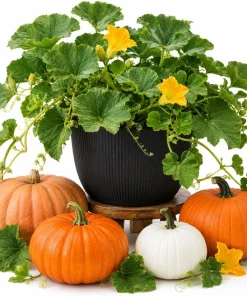
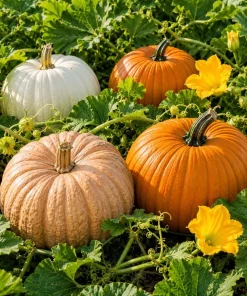
- Attractive Garden Addition: The large leaves and vibrant orange fruits of pumpkin plants add a beautiful, natural aesthetic to your vegetable patch, creating a lush and inviting environment. They become a focal point in any garden.
- Educational for Families: Growing pumpkins is a wonderful activity for children, teaching them about plant life cycles, healthy eating, and the origins of their food. It’s a hands-on learning experience for the whole family.
- Cost-Effective Harvesting: Producing your own pumpkins can be more economical than regularly purchasing them from stores, especially during peak season. A single pumpkin plant live can yield multiple fruits.
- Environmental Benefits: Growing your own food reduces your carbon footprint and supports local ecosystems by attracting pollinators to your garden. It contributes to a more sustainable lifestyle.
Plant Care & Growing Tips
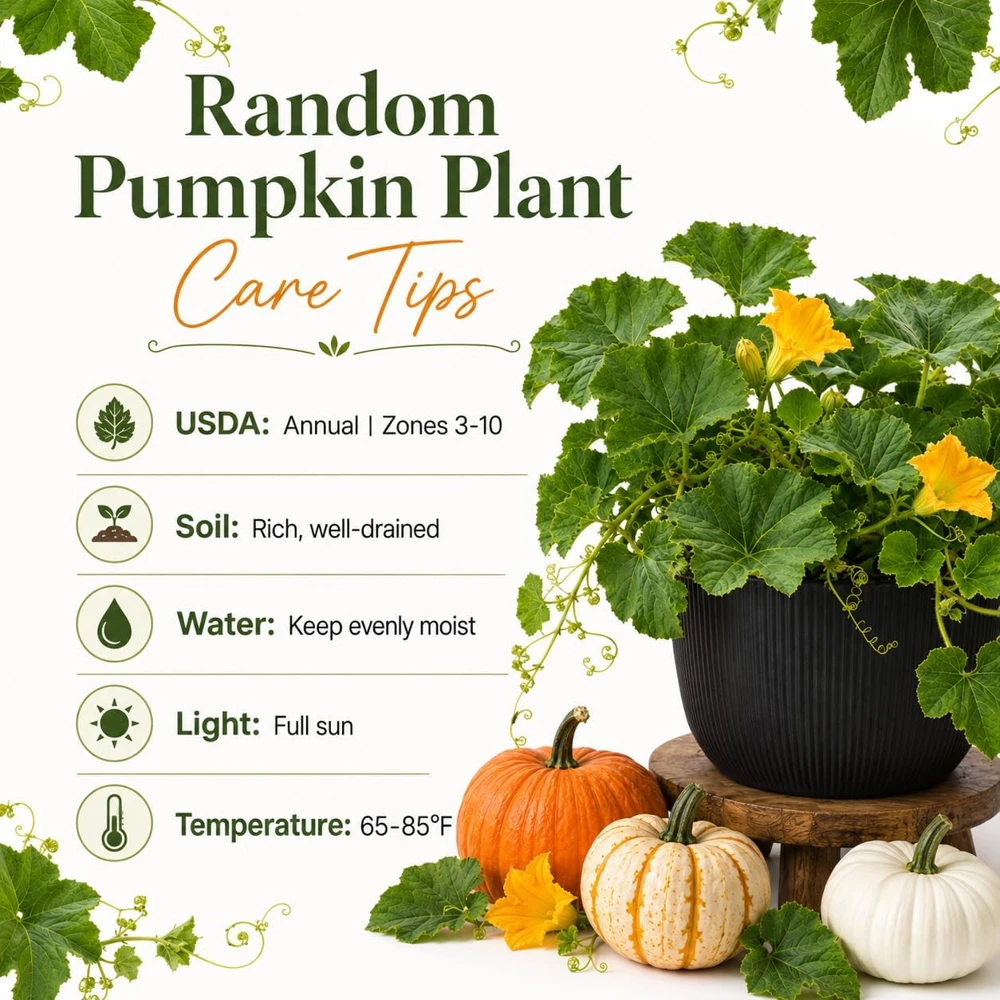
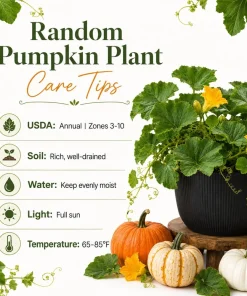
Caring for your pumpkin plant live is straightforward, and with a little attention, you’ll be well on your way to a successful harvest. Pumpkins are warm-season crops that require plenty of sunlight and consistent moisture to thrive. Plant your seedling in a location that receives full sun, meaning at least 6-8 hours of direct sunlight per day. Ensure the soil is well-draining to prevent root rot, as pumpkins do not like soggy feet. Amending your soil with compost or well-rotted manure before planting will provide essential nutrients and improve soil structure, crucial for optimal pumpkin plant care.
Water deeply and consistently, aiming for 1–2 inches (2.5–5 cm) of water per week, especially during dry spells and when the fruits are developing. Avoid overhead watering to minimize the risk of fungal diseases; instead, water at the base of the plant. Pumpkins thrive in temperatures between 70-90°F (21-32°C). For effective pumpkin plant care, consider providing a balanced fertilizer every few weeks once the plant starts to vine. Protect young plants from pests like squash bugs and cucumber beetles. Proper spacing is also vital, as these plants spread significantly. Ensure adequate air circulation to prevent powdery mildew. For those who want to grow pumpkins at home, understanding these basics will lead to a successful harvest.
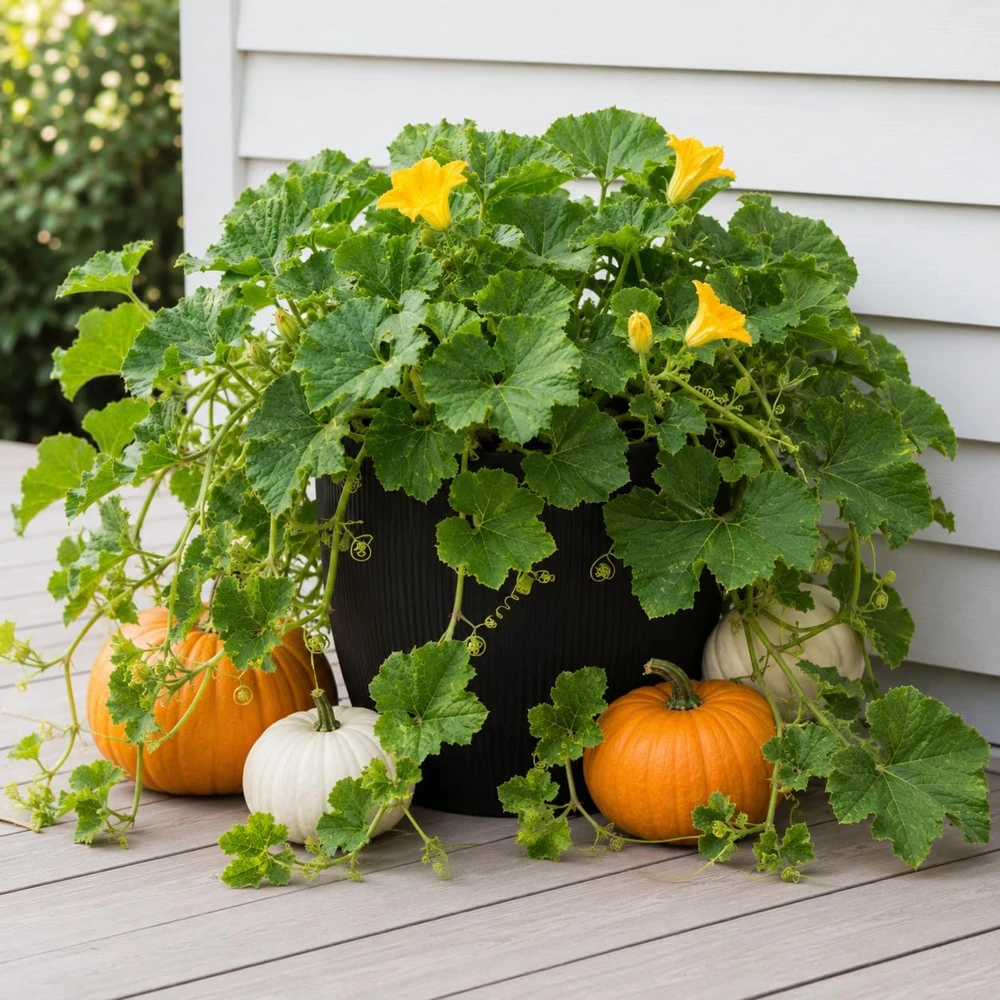
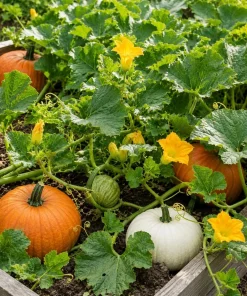
As your live pumpkin seedling grows, it will produce long vines. You can allow them to ramble or train them to grow in a specific direction to manage garden space. Pollination is essential for fruit set, so ensure your garden attracts bees or consider hand-pollinating if necessary. Once pumpkins begin to form, you might place a piece of cardboard or straw beneath them to prevent rot from contact with damp soil. With diligent pumpkin plant care, you’ll enjoy a bountiful harvest.
Size & Details
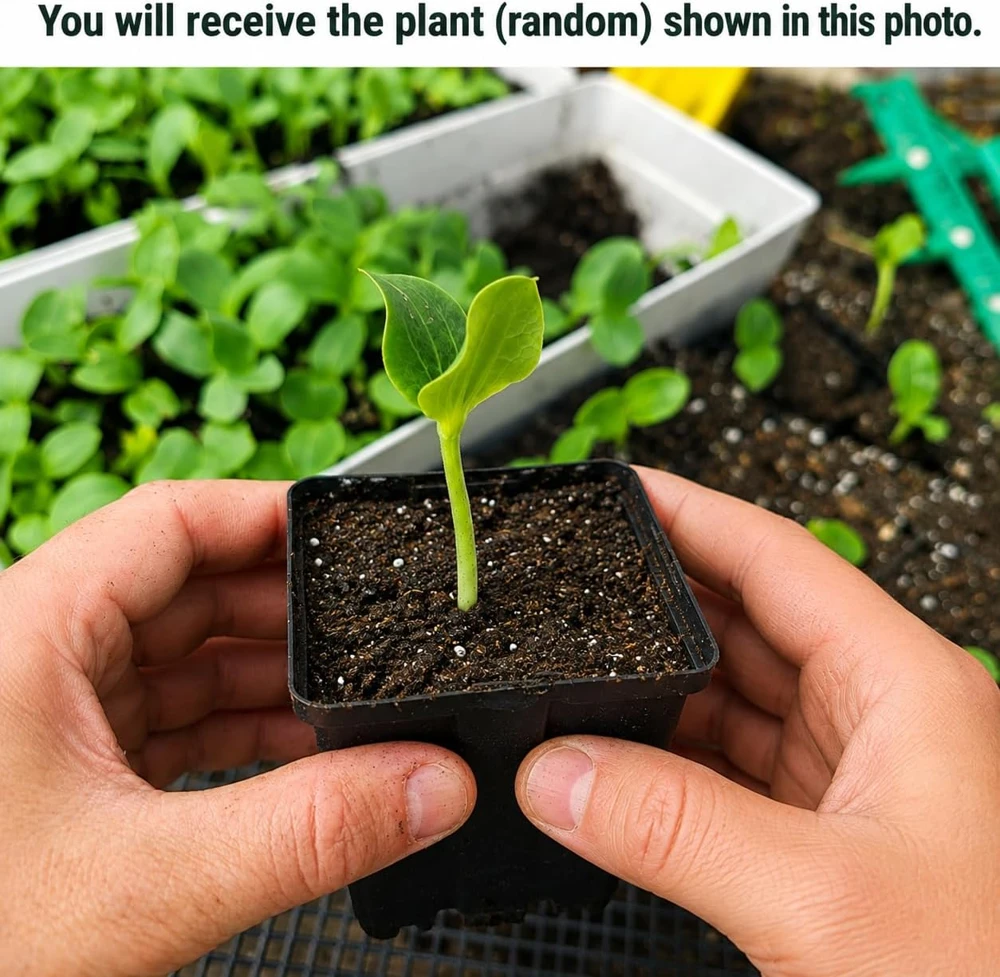
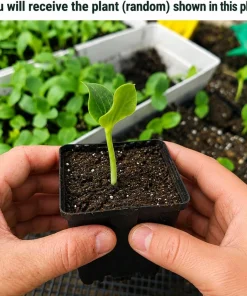
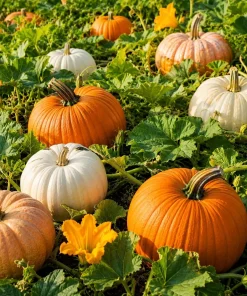
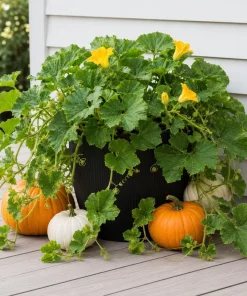
This offering includes one healthy pumpkin plant live, typically measuring between 2-4 inches tall upon arrival. These young, vigorous plants are carefully cultivated to ensure a strong start in your garden. They are shipped in a nursery pot with established roots, ready for immediate transplanting. Pumpkins are known for their fast growth rate and can quickly develop into large, sprawling vines, often reaching lengths of 10-20 feet or more. The fruits themselves vary in size depending on the specific variety, but most garden pumpkins range from 5 to 20 pounds. Expect your plant to produce fruit in late summer to early fall, approximately 90-120 days after transplanting, provided it receives adequate sunlight and water. This is an excellent start for any gardener looking to add vegetable garden plants to their collection.
Upon receipt, promptly unpackage your live pumpkin seedling and water it if the soil feels dry. It’s recommended to transplant it into its final garden location after the last frost date in your area when soil temperatures are consistently warm. With proper care, this single plant has the potential to yield several delicious pumpkins, making it a highly productive addition to your garden.
Frequently Asked Questions
- Q: How big does this pumpkin plant get? A: A single pumpkin plant live can produce vines that spread 10-20 feet or more. The pumpkins themselves can range from 5 to 20 pounds, depending on the variety and growing conditions.
- Q: What size pot does it come in? A: The live pumpkin seedling arrives in a small nursery pot, typically 2-4 inches in diameter, with a well-developed root system, ready for transplanting.
- Q: Is this an indoor or outdoor plant? A: Pumpkins are outdoor plants that require full sun to thrive. They are not suitable for indoor cultivation due to their large size and high light requirements.
- Q: How much sunlight does it need? A: This pumpkin plant live requires at least 6-8 hours of direct sunlight per day to produce a good harvest. Full sun exposure is crucial for fruit development.
- Q: Is this plant easy to care for? A: Pumpkins are relatively easy to care for, especially with good pumpkin plant care practices. They need consistent watering, full sun, and well-draining soil. They are suitable for gardeners of all skill levels.
- Q: What condition will it arrive in? A: Your live pumpkin seedling will arrive healthy and robust, carefully packaged to protect it during transit. It will be in a small pot with soil to ensure its vitality.
- Q: When is the best time to plant? A: The best time to plant your pumpkin plant live is after the last frost in spring, when the soil has warmed up and all danger of cold temperatures has passed. This allows the plant to establish itself in warm conditions, ideal for those who want to grow pumpkins at home.
- Q: Can I use this pumpkin plant for decorative pumpkins? A: Yes, while these pumpkins are excellent for culinary uses, they also make wonderful festive decorations for fall, adding a natural touch to your home.
- Q: What kind of soil is best for this plant? A: Pumpkins prefer rich, well-draining soil with a pH between 6.0 and 6.8. Amending your garden soil with compost or aged manure before planting is highly beneficial for a healthy pumpkin plant live.
- Q: Will it survive winter in my zone? A: Pumpkins are annual plants and will not survive winter frosts. They complete their life cycle in one growing season. You will need to replant each spring if you wish to grow pumpkins at home annually.
Be the first to review “Live Pumpkin Plant for Planting – 1 Plant, 2-4 Inch Tall – Outdoor Vegetable”
People Also Viewed

Houseplants
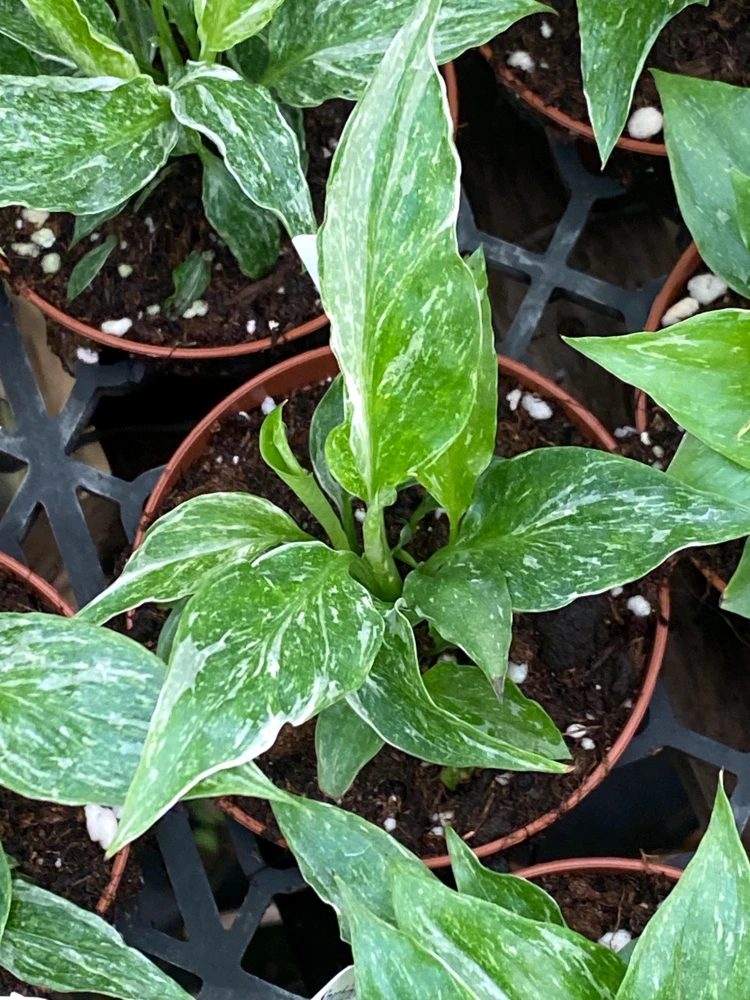
Variegated Peace Lily Domino Live Plant – Spathiphyllum – Rooted in 3 inch Pot – Indoor Air Purifier
Reviews
There are no reviews yet.