
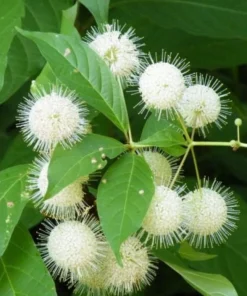
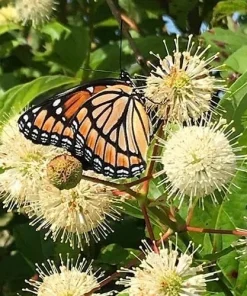
Buttonbush Shrub – 8-18″ Tall Live Plant | Native Wetland Flowering Seedling
Original price was: $53.98.$29.99Current price is: $29.99.
Bring home a buttonbush live plant, approximately 8-18 inches tall, shipped in a pot. This native wetland shrub features unique spherical white flowers, perfect for attracting bees, butterflies, and hummingbirds. Ideal for rain gardens and moist areas.
Estimated arrival
Oct 14
Oct 19 - Oct 21
Oct 24 - Oct 28
Shop With Confidence
30-Day Plant Health Guarantee
Arrives damaged? We’ll replace it free — see our return policy.
Responsive Support
Email us anytime, we reply within 1 business day.
Expert Packaging
Temperature-controlled shipping to protect your plants in transit.
Secure Checkout
Pay safely with Visa, Mastercard, PayPal.
Plant Specifications
-
USDA Hardiness Zone
USDA zones 5-9 -
Soil Type
Moist to wet, rich, loamy soil -
Sunlight Exposure
Full sun to partial shade -
Expected Planting Period
Spring to early fall
Overview
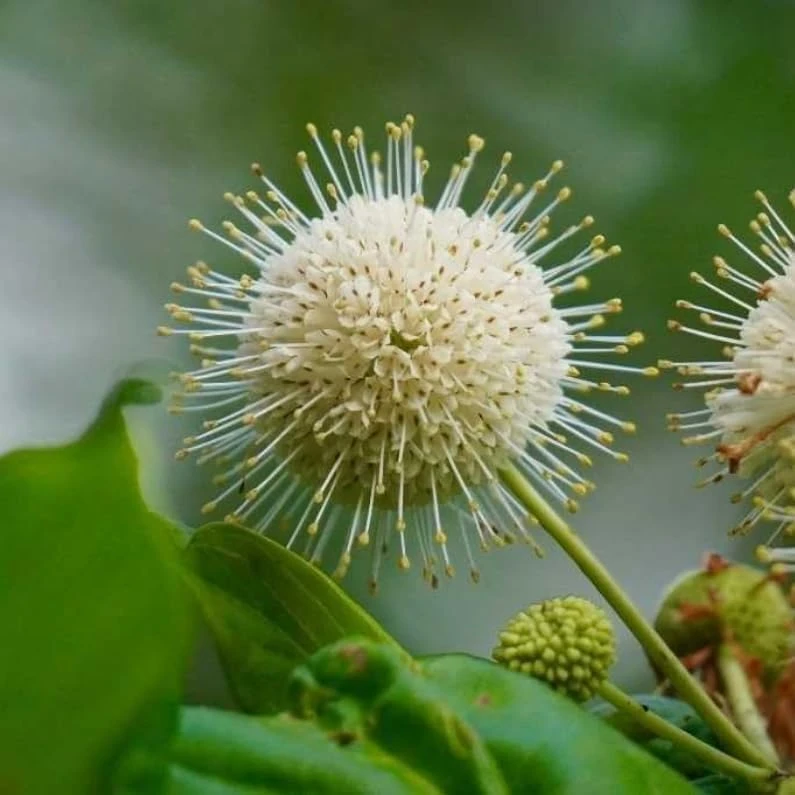
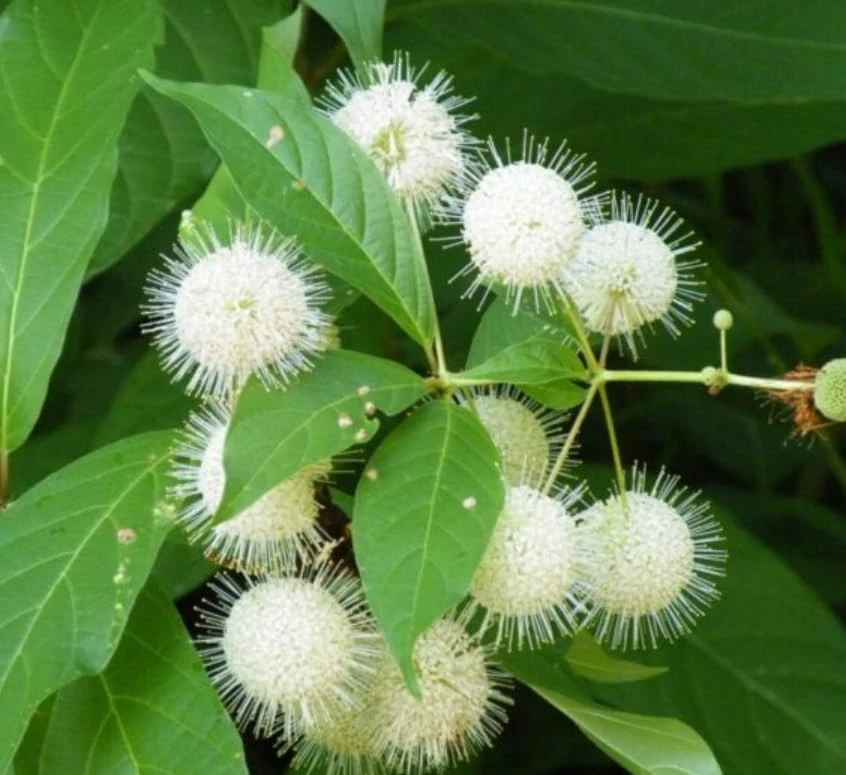
Introduce a touch of native beauty to your landscape with the buttonbush live plant. This approximately 8-18 inch tall live plant, scientifically known as Cephalanthus occidentalis, is a unique and highly valued deciduous shrub. Renowned for its distinctive, spherical white flowers that bloom in summer, the buttonbush is a magnet for beneficial pollinators, making it an excellent choice for supporting local ecosystems. Shipped in a pot, this seedling is ready to be planted and will quickly establish itself, transforming your garden into a vibrant habitat. Its adaptability to wet conditions makes it a perfect addition for challenging moist areas where other plants might struggle, offering both aesthetic appeal and ecological benefits.
The buttonbush live plant is not just a pretty face; it’s a resilient and versatile addition to any garden, especially those with an emphasis on native flora and wildlife support. Its striking blooms and glossy green foliage provide year-round interest, culminating in a beautiful golden hue in the fall. If you’re looking for a low-maintenance, high-impact plant that contributes positively to your local environment, the buttonbush is an excellent choice.
Key Benefits
The buttonbush live plant offers a multitude of advantages for gardeners and nature enthusiasts alike. Its unique characteristics make it a standout choice for various landscape designs and ecological projects.
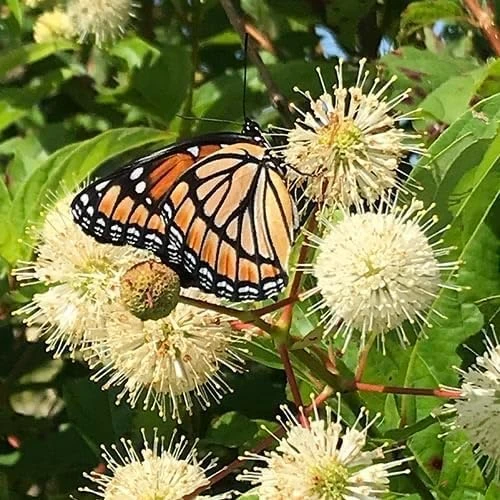
- Attracts Pollinators: The globular white flowers of the buttonbush live plant are highly fragrant and a favorite food source for a wide array of pollinators, including bees, butterflies, and hummingbirds. Planting this shrub actively supports local biodiversity and helps sustain essential insect populations.
- Ideal for Wet Areas: This native wetland shrub naturally thrives in moist to wet soils, making it perfect for rain gardens, pond edges, stream banks, and other areas where water tends to collect. It’s a fantastic solution for managing water runoff and preventing erosion in damp parts of your yard.
- Unique Aesthetic Appeal: Beyond its ecological value, the buttonbush offers distinctive beauty with its unusual pincushion-like flowers. These blooms create a captivating visual interest throughout the summer, followed by attractive seed heads that persist into winter, providing continued appeal.
- Low Maintenance: Once established, the Cephalanthus occidentalis is remarkably hardy and requires minimal care. It’s tolerant of various soil types and can withstand both occasional flooding and moderate drought, making it a robust choice for busy gardeners.
- Seasonal Interest: Enjoy a dynamic display throughout the year. The glossy green leaves provide lush summer foliage, which then transitions to a beautiful golden-yellow in the fall, adding vibrant color to your autumn landscape.
- Wildlife Habitat: Not only does it attract pollinators, but the buttonbush also provides shelter and food for various bird species, further enhancing your garden’s role as a wildlife haven.
- Native Plant Benefits: As a native wetland shrub, it is perfectly adapted to local conditions, requiring less intervention and contributing to the health of native ecosystems.
Plant Care & Growing Tips
Caring for your buttonbush live plant is relatively straightforward, thanks to its hardy and adaptable nature. This plant thrives in conditions that mimic its natural wetland habitat, making it an excellent choice for specific areas in your garden. For optimal growth, ensure it receives full sun to partial shade; it performs best with at least 6 hours of direct sunlight per day, but can tolerate some afternoon shade in hotter climates. Adequate sunlight promotes abundant flowering and strong, healthy growth.
Watering is crucial, especially during the establishment phase. The buttonbush prefers consistently moist to wet soil, making it ideal for planting near water features or in rain gardens. While it can tolerate some dry spells once mature, regular watering will ensure vigorous growth and lush foliage. The ideal soil type is rich, loamy, and well-draining, but it is highly adaptable and can grow in clay or sandy soils as long as moisture is consistently available. Fertilization is generally not necessary in rich soils, but a balanced, slow-release fertilizer can be applied in early spring if your soil is poor. This pollinator friendly plant is incredibly resilient, but watch out for common garden pests like aphids, which can typically be managed with organic insecticidal soaps. The buttonbush is hardy in USDA zones 5-9, tolerating a wide range of temperatures.
Pruning can be done in late winter or early spring to maintain shape, remove dead or damaged branches, and encourage new growth. The Cephalanthus occidentalis is a vigorous grower, so don’t be afraid to cut it back if it becomes too large for its space. With proper care, your buttonbush will flourish, providing a vibrant focal point and a haven for wildlife in your garden, especially if you’re looking for moist soil plants.
Size & Details
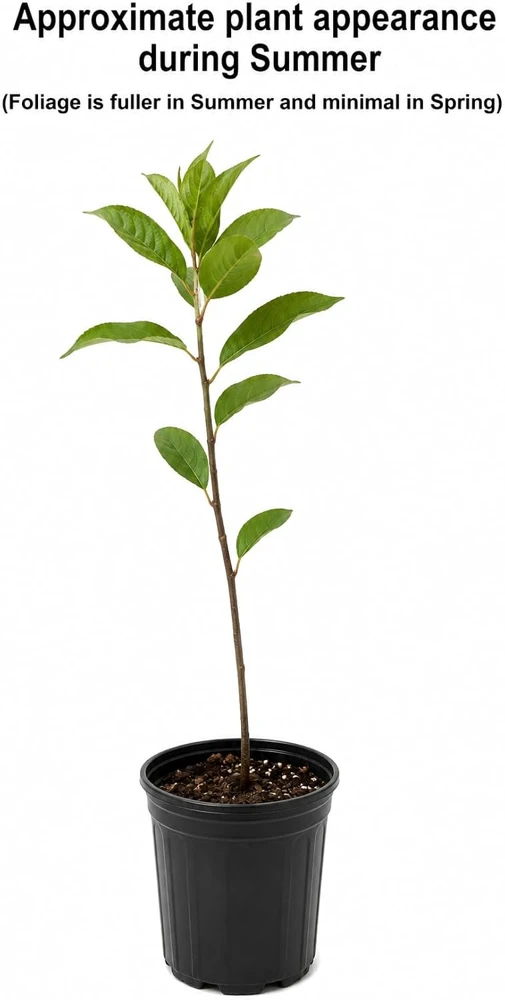
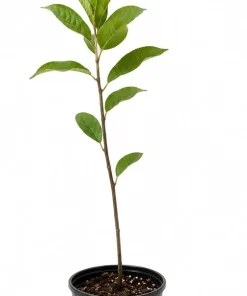
This offering is for one buttonbush live plant, which stands approximately 8 to 18 inches tall from the base of the plant to the tip of its tallest stem. Each plant is carefully shipped in a nursery pot, ensuring its roots are protected and hydrated during transit, allowing for a smooth transition to your garden. The buttonbush typically grows into a rounded shrub, reaching a mature height and spread of 5 to 12 feet, though it can be maintained at a smaller size with regular pruning. It exhibits a moderate to fast growth rate, quickly establishing itself in suitable conditions.
Expect to see its unique, fragrant white flowers appear in early to mid-summer, attracting a flurry of pollinators. The glossy green foliage provides a lush appearance throughout the growing season, turning a beautiful golden yellow in the fall. This native wetland shrub is a long-lived plant, providing many years of beauty and ecological benefit to your landscape. It’s a wonderful choice if you’re specifically looking for robust moist soil plants that offer significant seasonal interest.
Frequently Asked Questions
- Q: How big does this plant get? A: The buttonbush live plant typically grows to a mature height and spread of 5 to 12 feet. Its size can be managed with seasonal pruning, allowing it to fit into various garden spaces.
- Q: What size pot does it come in? A: The buttonbush plant is shipped in a nursery pot, ensuring the root ball is intact and the plant is well-protected during transit, ready for planting upon arrival.
- Q: Is this an indoor or outdoor plant? A: The buttonbush is an outdoor plant, best suited for garden beds, rain gardens, or along pond edges where it can thrive in full sun to partial shade conditions. It is a native wetland shrub.
- Q: How much sunlight does it need? A: This plant prefers full sun to partial shade, ideally receiving at least 6 hours of direct sunlight daily for the best flowering and growth.
- Q: Is this plant easy to care for? A: Yes, the buttonbush live plant is considered low-maintenance once established. It’s quite hardy and adaptable, making it a good choice for both experienced and novice gardeners looking for moist soil plants.
- Q: What condition will it arrive in? A: Your buttonbush will arrive as a healthy, approximately 8-18 inch tall live plant, carefully packaged in its nursery pot to ensure minimal stress during shipping.
- Q: Is it shipped in soil? A: Yes, the plant is shipped in its original nursery pot with soil to keep its roots moist and protected, ensuring it’s ready for immediate planting.
- Q: How long until it blooms? A: Depending on planting time and maturity, your buttonbush can start producing its unique white flowers in its first or second growing season, typically in early to mid-summer.
- Q: When is the best time to plant? A: The best time to plant your buttonbush is in spring or early fall, allowing it ample time to establish its root system before extreme weather.
- Q: Will it survive winter in my zone? A: The Cephalanthus occidentalis is hardy in USDA zones 5-9, meaning it can tolerate winter temperatures within these zones. It is deciduous and will lose its leaves in colder climates.
- Q: Is the buttonbush a good plant for attracting wildlife? A: Absolutely! It’s an excellent pollinator friendly plant, attracting bees, butterflies, and hummingbirds with its fragrant flowers. It also provides food and shelter for birds.
Be the first to review “Buttonbush Shrub – 8-18″ Tall Live Plant | Native Wetland Flowering Seedling”
People Also Viewed
Vegetable Seeds
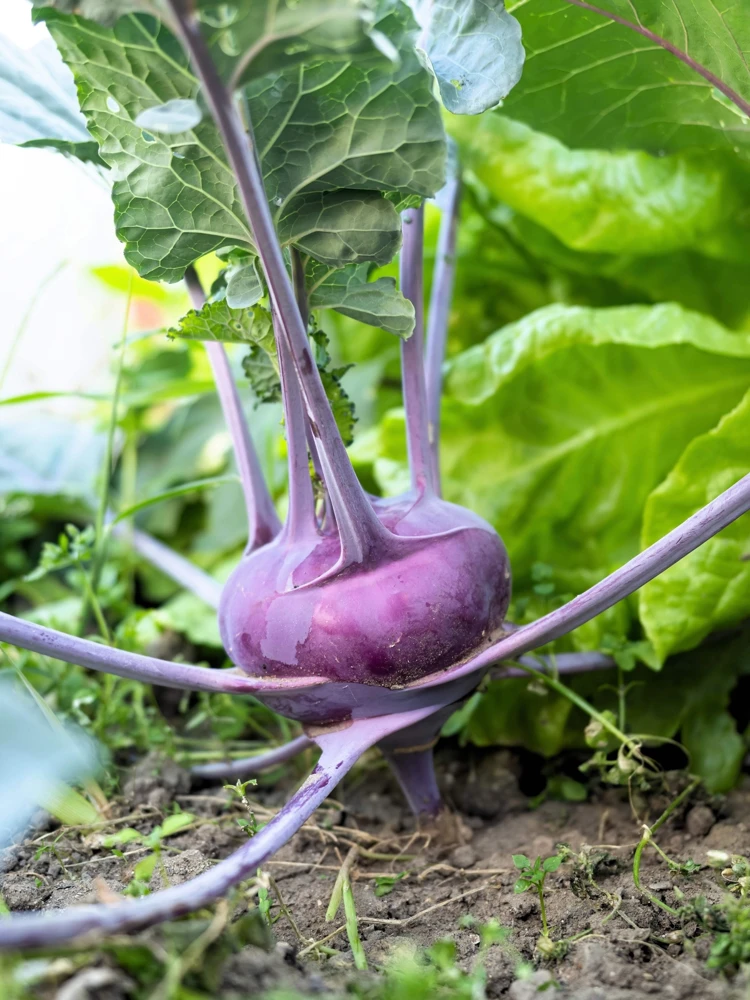
2000 Purple Vienna Kohlrabi Vegetable Seeds – Brassica Oleracea
Uncategorized
Dryopteris Jurassic Gold Perennial Fern Live Starter Plant Ships in Pot, Shade Fern Plant
Reviews
There are no reviews yet.