

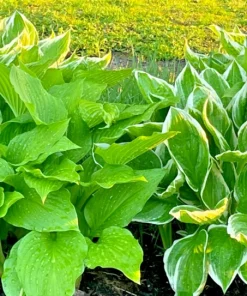
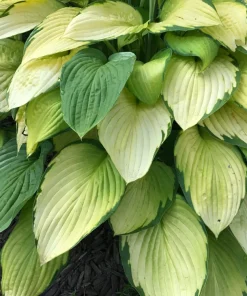
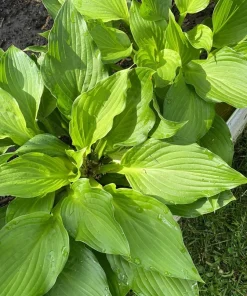
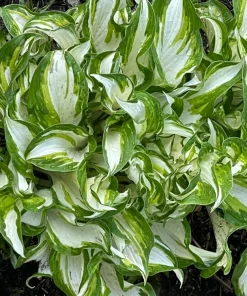
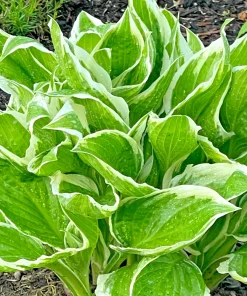
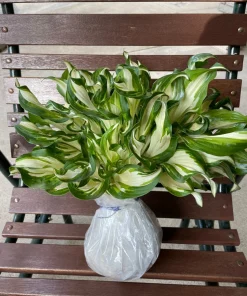
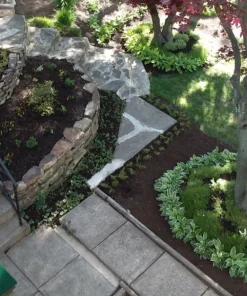
Perennial Hosta Bare Root Plants – Mixed 4 Varieties, 3-Year Old Roots, Outdoor Shade
Original price was: $64.00.$54.99Current price is: $54.99.
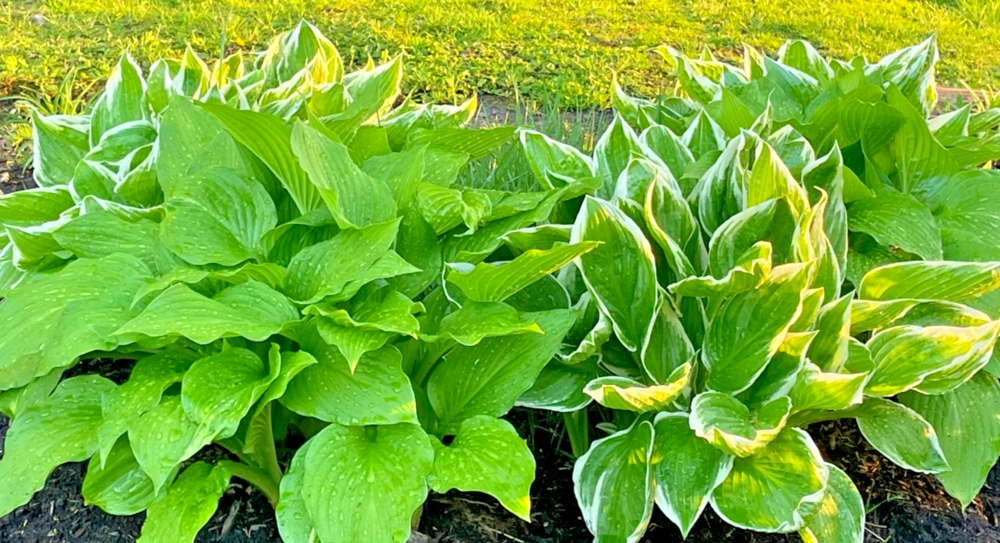
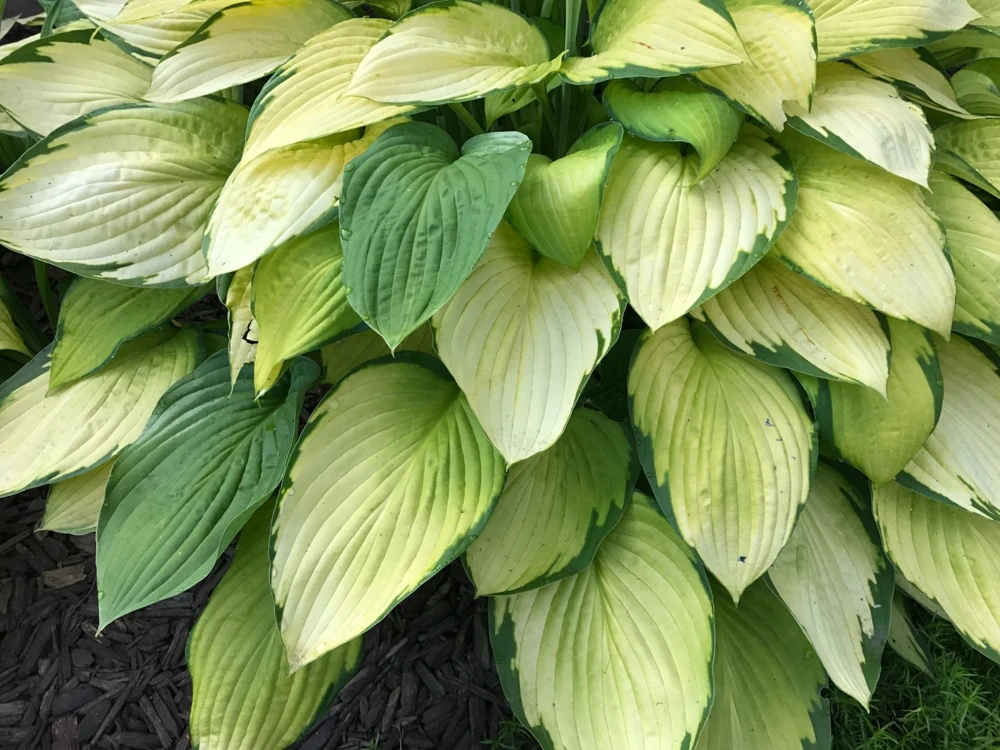
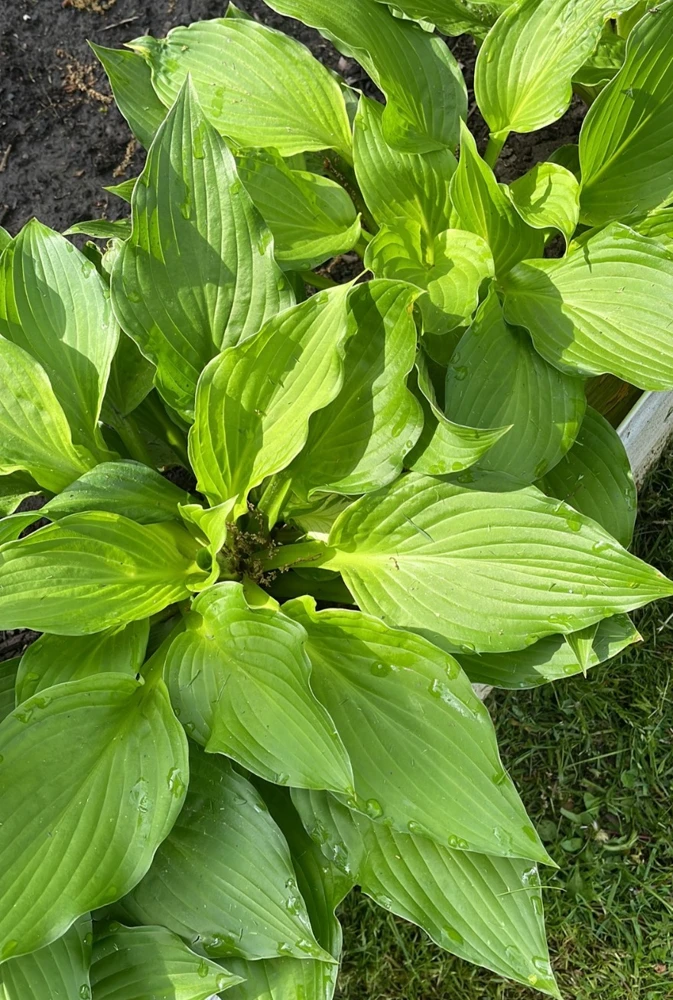
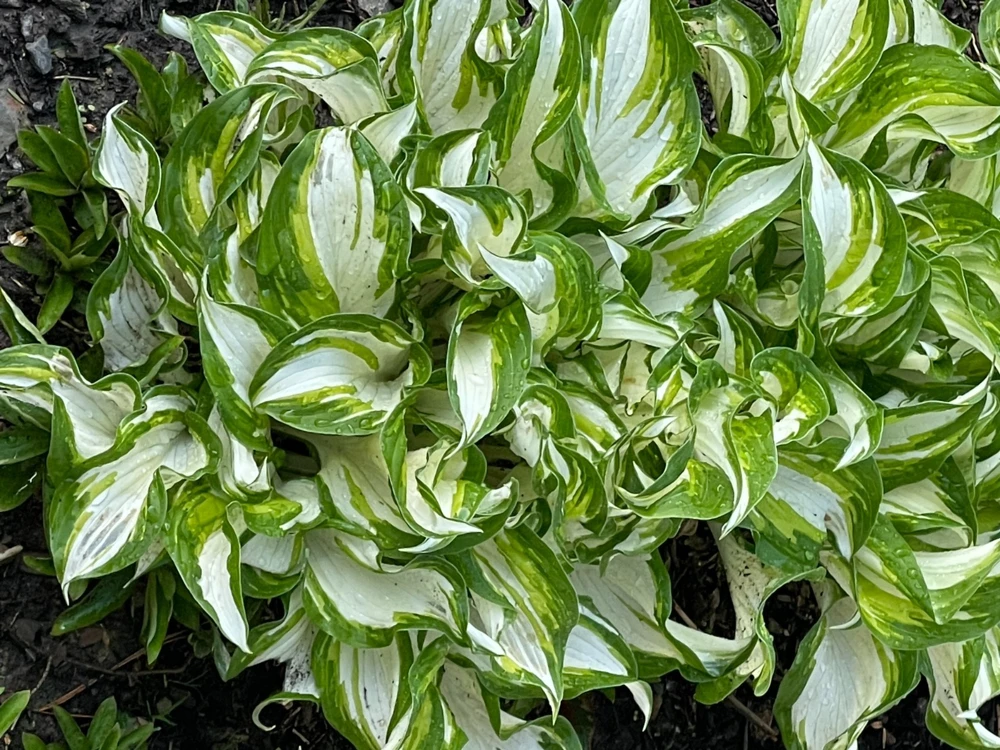
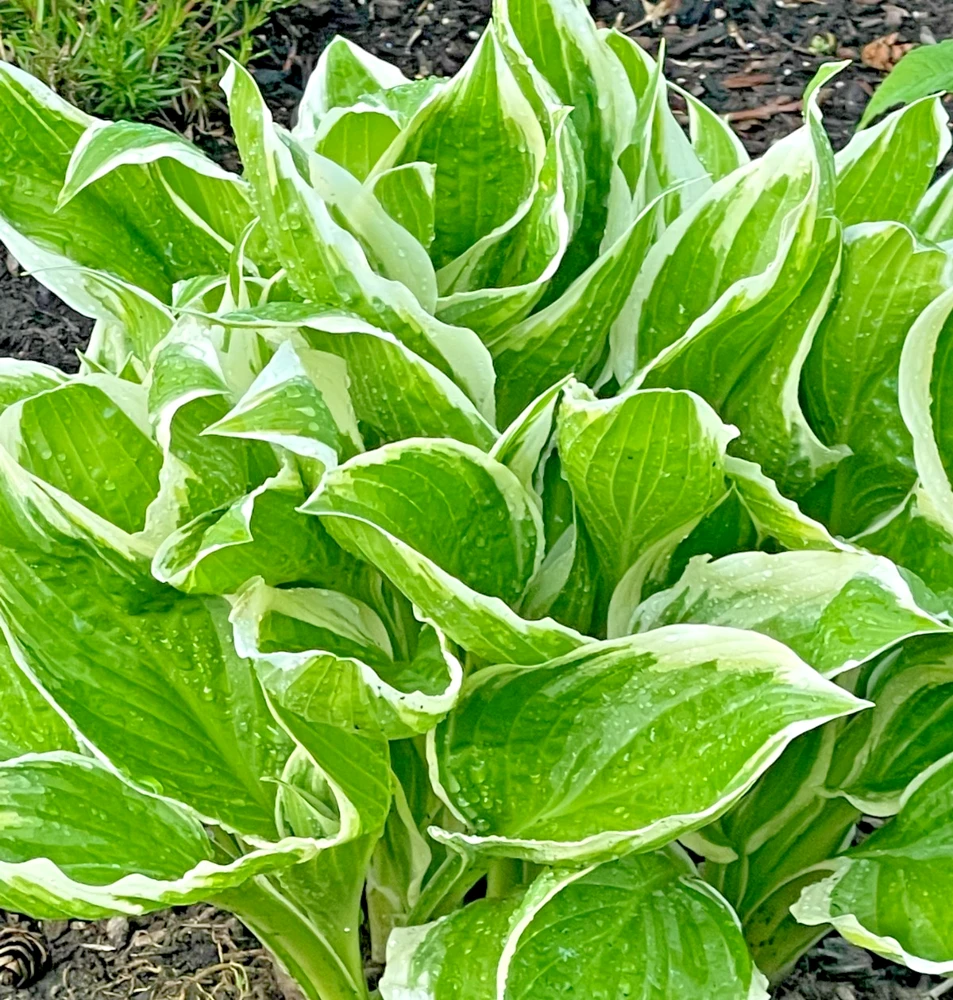
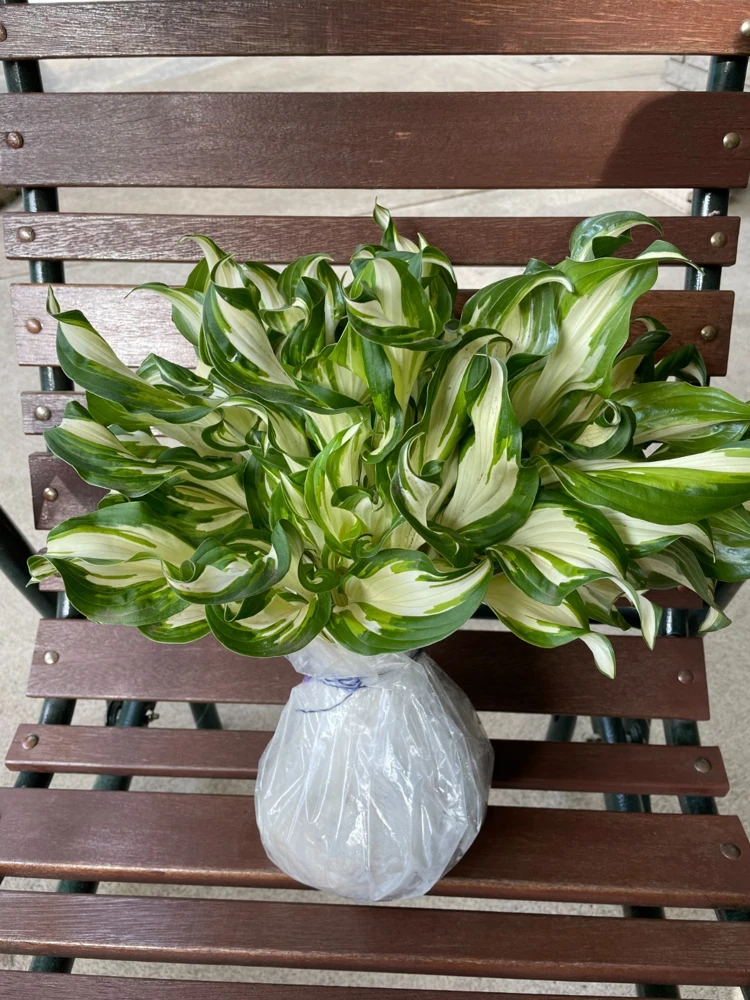
Enhance your shade garden with our collection of perennial hosta bare root plants. This mix includes 4 distinct varieties, offering diverse foliage colors and textures. These 3-year old roots are healthy and ready to establish, providing beautiful ground cover and accent for outdoor areas.
Estimated arrival
Oct 10
Oct 15 - Oct 17
Oct 20 - Oct 24
Shop With Confidence
30-Day Plant Health Guarantee
Arrives damaged? We’ll replace it free — see our return policy.
Responsive Support
Email us anytime, we reply within 1 business day.
Expert Packaging
Temperature-controlled shipping to protect your plants in transit.
Secure Checkout
Pay safely with Visa, Mastercard, PayPal.
Plant Specifications
-
USDA Hardiness Zone
USDA zones 3-9 -
Soil Type
Rich, well-draining soil, high in organic matter -
Sunlight Exposure
Partial to full shade -
Expected Planting Period
Early spring to early summer
Overview
Transform your shaded garden spaces into lush oases with our exceptional selection of perennial hosta bare root plants. This curated collection features a mix of four distinct Hosta varieties, each chosen for its unique foliage, texture, and growth habit. Often referred to as the ‘Queen of the Shade Garden,’ Hostas are beloved for their vibrant green, blue, and variegated leaves that bring elegance and tranquility to any landscape. These are not merely young sprouts; you receive robust, 3-year old bare roots, ensuring a strong start and quicker establishment in your garden. Hostas are renowned for their low maintenance and ability to thrive in less sunny spots where many other plants struggle, making them an ideal choice for both novice and experienced gardeners seeking reliable and beautiful shade-loving perennials. Our healthy perennial hosta bare root plants are ready to be planted and will provide years of enjoyment.
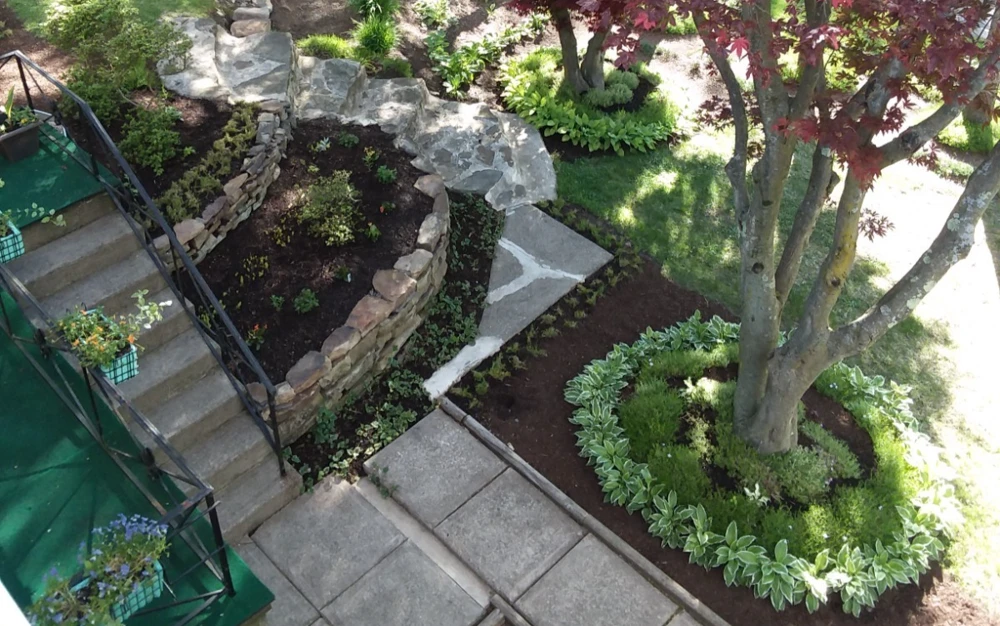
Each variety in this mixed set contributes a different dimension to your garden, from broad, heart-shaped leaves to more elongated, rippled forms, and captivating color combinations of green and green with white margins. These shade plants are perfect for creating dynamic borders, mass plantings, or as striking specimens in containers. They are particularly effective when planted under trees or along north-facing walls, where their verdant foliage can truly shine. With their robust root systems, these perennial hosta bare root offerings promise vigorous growth and a stunning display through spring and summer, returning year after year with increasing beauty.
Key Benefits
Investing in these perennial hosta bare root plants brings a multitude of advantages to your garden and your gardening experience. Their adaptability and aesthetic appeal make them a top choice for various landscaping needs.
- Exceptional Shade Tolerance: Hostas are among the best plants for shaded areas, thriving where sunlight is limited. They bring life and color to otherwise challenging garden spots, allowing you to maximize the beauty of your entire yard.
- Diverse Foliage Appeal: With a mix of 4 varieties, you’ll enjoy a range of leaf shapes, sizes, and captivating color patterns, including classic green and stunning green and white variegation. This diversity creates visual interest and texture in your garden.
- Low Maintenance & Easy Care: Once established, Hostas require minimal attention, making them perfect for busy gardeners. They are relatively pest-resistant and generally only need consistent moisture and occasional feeding to flourish. This makes hosta plant care straightforward.
- Long-Lived Perennials: As perennials, these Hostas will return year after year, growing larger and more impressive with each season. This provides lasting beauty and value, reducing the need for annual replanting.
- Versatile Garden Use: Ideal for groundcover, borders, mass plantings, or container gardening. Their lush foliage provides an excellent backdrop for flowering plants or can stand alone as a focal point.
- Robust 3-Year Old Roots: Starting with mature, 3-year old bare roots gives these plants a significant advantage, promoting faster establishment and more vigorous growth compared to younger plants or seeds. You’ll see beautiful foliage sooner.
- Enhances Garden Ecosystem: Hostas provide excellent habitat for beneficial insects and add to the overall biodiversity and aesthetic appeal of your outdoor space, contributing to a healthy garden environment.
Plant Care & Growing Tips
Caring for your perennial hosta bare root plants is straightforward, ensuring they establish well and provide years of beautiful foliage. Hostas are generally robust and forgiving, especially when planted in their preferred conditions. Upon arrival, soak the bare roots in water for a few hours before planting to rehydrate them. Dig a hole wide enough to spread the roots out comfortably and deep enough so that the crown (where the roots meet the stem) is level with the soil surface. Backfill with soil, gently firming around the roots, and water thoroughly.
Sunlight Requirements: Hostas are quintessential hosta shade plants. While some varieties can tolerate a few hours of morning sun, most prefer partial to full shade. Too much direct sun, especially in the afternoon, can scorch their leaves, causing browning and fading of variegation. Aim for a location that receives dappled sunlight all day or morning sun followed by afternoon shade. The greener varieties tend to tolerate more light than the blue or variegated types.
Watering Schedule & Soil Moisture: Consistent moisture is key for healthy Hostas. They prefer evenly moist soil but do not like to sit in standing water, which can lead to root rot. Water regularly, especially during dry spells and when the plants are establishing. Aim for about 1 inch of water per week, either from rainfall or irrigation. Reduce watering in cooler, dormant periods. Proper watering is a crucial aspect of hosta plant care.
Soil Type & Drainage: Hostas thrive in rich, well-draining soil that is high in organic matter. A slightly acidic to neutral pH (6.0-7.0) is ideal. Amend heavy clay soils with compost or other organic material to improve drainage and aeration. For sandy soils, adding organic matter will help retain moisture and nutrients. Good drainage is paramount to prevent disease.
Temperature Range & USDA Hardiness Zone: These Hostas are hardy perennials, typically thriving in USDA Zones 3-9. They require a cold dormancy period to perform their best. They are tolerant of a wide range of temperatures within these zones, emerging in spring as temperatures rise and dying back to the ground in fall with the first hard frost.
Fertilization Schedule & Type: Fertilize your Hostas in early spring as new growth emerges. Use a balanced, slow-release granular fertilizer or an all-purpose liquid feed diluted to half strength. Avoid over-fertilizing, as this can lead to leggy growth and reduced vigor. A top dressing of compost around the base of the plants in spring can also provide a gentle, continuous supply of nutrients. This supports the growth of healthy hosta roots.
Common Problems & Solutions: Slugs and snails are the most common pests for Hostas. Use bait, hand-pick them, or create barriers. Deer and rabbits can also be an issue; consider repellent sprays or physical barriers. Crown rot can occur in overly wet, poorly drained conditions; ensure good drainage and avoid overwatering. Proper hosta plant care can mitigate most issues.
Size & Details
This offering includes a selection of perennial hosta bare root plants, comprising 4 distinct varieties. Each root ball is approximately 3 years old, indicating a well-developed and robust root system ready for planting. While specific mature sizes vary by variety, most Hostas in this mix are expected to grow to a mature height of 18-24 inches and spread 24-36 inches, creating a substantial and attractive clump over several seasons. Growth rate is medium, meaning they will establish and reach a good size within a few years of planting.
Upon receipt, the plants will be in their dormant bare root form, optimized for safe shipping and successful transplantation. They are typically shipped without soil or foliage, conserving energy for new growth once planted. Expect new shoots and leaves to emerge in spring after planting, with the plants reaching their full potential in subsequent years. This collection of mixed hosta varieties is designed to provide a cohesive yet diverse display.
Frequently Asked Questions
- Q: How big do these Hosta plants get? A: While exact sizes vary by variety, the Hostas in this mixed collection typically grow to a mature height of 18-24 inches and can spread up to 24-36 inches wide. They will form substantial clumps over time, providing excellent coverage.
- Q: Is this an indoor or outdoor plant? A: These are primarily outdoor plants, specifically hosta shade plants. They thrive in garden beds, borders, and containers placed in shaded outdoor environments. While they can be grown indoors temporarily, they require a cold dormancy period that is difficult to replicate indoors.
- Q: Is this plant easy to care for? A: Yes, Hostas are known for being very easy to care for, making them suitable for gardeners of all experience levels. Once established, they require minimal maintenance, primarily consistent watering and protection from common pests like slugs. This makes hosta plant care quite simple.
- Q: What condition will the plants arrive in? A: Your Hostas will arrive as dormant, 3-year old perennial hosta bare root plants. They will not have leaves or soil but will have a healthy, robust root system ready for planting. This is the optimal condition for successful transplanting and establishment.
- Q: When is the best time to plant these bare roots? A: The best time to plant Hosta bare roots is in early spring after the danger of hard frost has passed, or in early fall. This allows the roots to establish before extreme summer heat or winter cold.
- Q: What kind of soil do Hostas prefer? A: Hostas prefer rich, well-draining soil that is high in organic matter. A slightly acidic to neutral pH is ideal. Amending your soil with compost will greatly benefit their growth and ensure healthy hosta roots.
- Q: Are these plants deer resistant? A: Unfortunately, Hostas are often a favorite food source for deer and rabbits. While no plant is entirely deer-proof, you may need to implement deterrents like repellents or physical barriers if deer are a common issue in your area.
- Q: How much sunlight do these Hostas need? A: These are hosta shade plants and prefer partial to full shade. They can tolerate a few hours of morning sun, but direct afternoon sun should be avoided as it can scorch their leaves and fade their vibrant colors.
- Q: Will these Hostas come back every year? A: Yes, Hostas are hardy perennials. Once planted, they will die back to the ground in the fall and re-emerge bigger and more beautiful each spring, providing years of enjoyment.
- Q: What are the main advantages of planting 3-year old roots? A: Planting 3-year old roots means you are starting with more mature, established plants. This results in faster growth, quicker establishment, and a more substantial display in your garden much sooner than with younger bare roots or potted plants. You get to enjoy your mixed hosta varieties sooner.
Be the first to review “Perennial Hosta Bare Root Plants – Mixed 4 Varieties, 3-Year Old Roots, Outdoor Shade”
People Also Viewed
Vegetable Seeds
Large Red Cherry Tomato Seeds – Sweet & Juicy Fruit, 300 Seeds

Reviews
There are no reviews yet.