


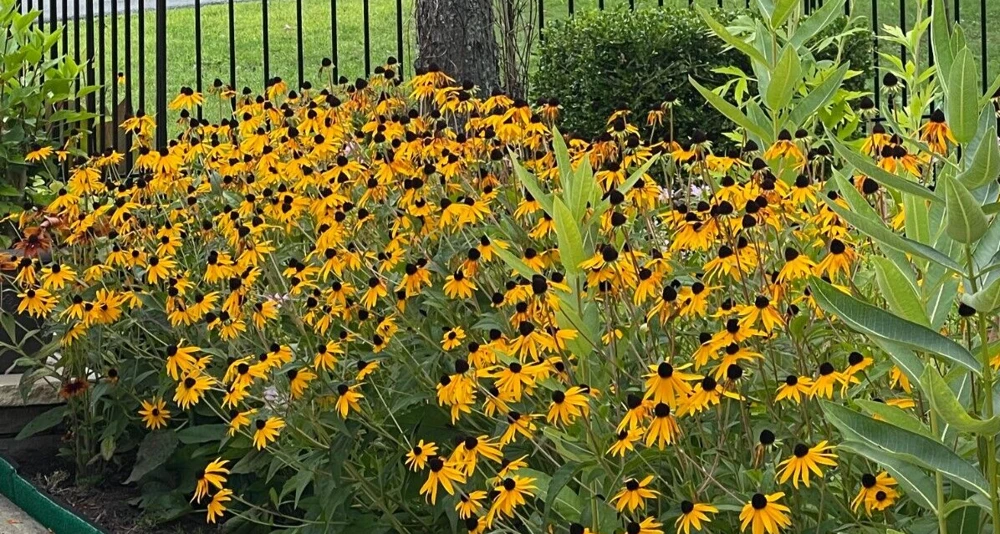
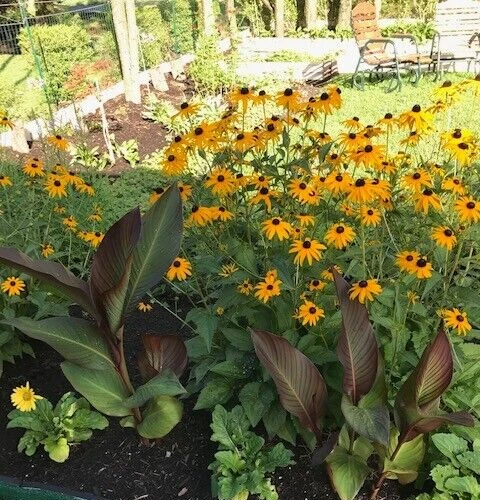
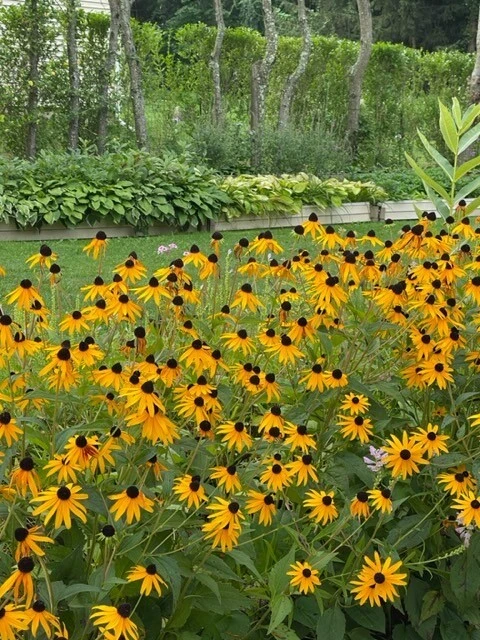
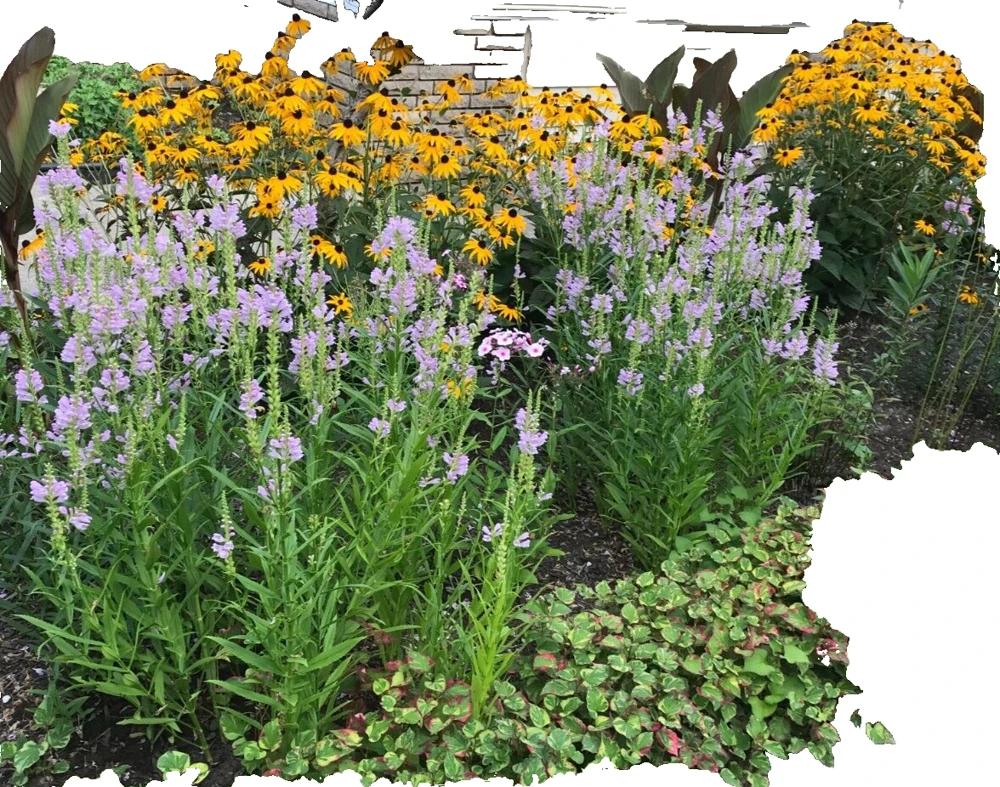
5 Black-Eyed Susan Bare Roots Perennial Plants – Outdoor, Yellow Flowers
Original price was: $56.00.$46.99Current price is: $46.99.
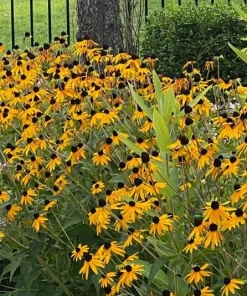
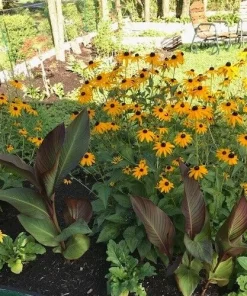
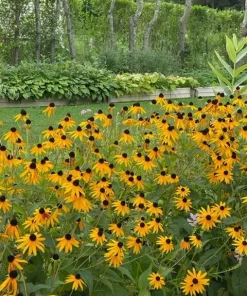
Bring a burst of sunshine to your garden with this 5 Black-Eyed Susan bare roots pack. These vibrant Rudbeckia hirta perennial plants are known for their cheerful yellow petals and dark centers, perfect for adding long-lasting color to outdoor spaces. Easy to establish and maintain, they thrive in full sun and attract pollinators.
Estimated arrival
Oct 10
Oct 15 - Oct 17
Oct 20 - Oct 24
Shop With Confidence
30-Day Plant Health Guarantee
Arrives damaged? We’ll replace it free — see our return policy.
Responsive Support
Email us anytime, we reply within 1 business day.
Expert Packaging
Temperature-controlled shipping to protect your plants in transit.
Secure Checkout
Pay safely with Visa, Mastercard, PayPal.
Plant Specifications
-
USDA Hardiness Zone
USDA Zones 2-9 -
Soil Type
Well-draining soil -
Sunlight Exposure
Full Sun -
Expected Planting Period
Spring to Early Summer
Overview
Transform your garden into a vibrant haven with our premium Black-Eyed Susan bare roots. This offering includes 5 healthy, two-year-old bare roots of the beloved Rudbeckia hirta perennial, ready to establish and flourish in your outdoor landscape. Known for their iconic daisy-like flowers with bright yellow petals surrounding a dark, prominent center, Black-Eyed Susans are a classic choice for adding cheerful, long-lasting color from summer through fall. These robust plants are a favorite among gardeners for their resilience, ease of care, and ability to attract beneficial pollinators like bees and butterflies. Perfect for borders, mass plantings, or naturalized areas, these perennials will return year after year, growing stronger and more abundant with each passing season. Cultivating these beautiful flowers from bare roots is a rewarding experience, offering a cost-effective way to create a stunning display.
The Black-Eyed Susan bare roots are an excellent choice for gardeners seeking reliable, low-maintenance flowering plants. Their vigorous growth habit and profuse blooming make them a standout in any garden design. Whether you’re a seasoned gardener or just starting, these bare roots provide a fantastic foundation for a colorful and lively garden. Enjoy the beauty and charm of these quintessential American wildflowers.
Key Benefits
Our Black-Eyed Susan bare roots offer numerous advantages for enhancing your garden and simplifying your gardening journey:
- Abundant, Cheerful Blooms: Enjoy a prolific display of bright yellow, daisy-like flowers with dark centers that provide continuous color from mid-summer into fall, brightening any landscape.
- Attracts Pollinators: These flowers are a magnet for bees, butterflies, and other beneficial insects, helping to support local ecosystems and improve garden biodiversity.
- Low Maintenance & Drought Tolerant: Once established, Black-Eyed Susans are incredibly hardy and require minimal care, tolerating periods of drought and various soil conditions. This makes Black-Eyed Susan plant care exceptionally easy.
- Deer and Rabbit Resistant: Their foliage is generally unappealing to deer and rabbits, allowing your blooms to remain untouched and vibrant.
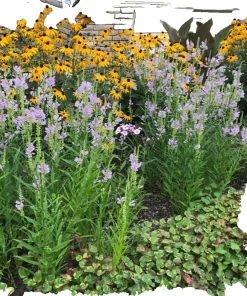
- Versatile Garden Use: Ideal for perennial borders, cottage gardens, naturalized areas, meadows, or even containers, adding a touch of rustic charm wherever they grow.
- Excellent Cut Flowers: The long-lasting blooms make beautiful additions to floral arrangements, bringing the joy of your garden indoors.
- Perennial Reliability: As a robust perennial, these plants will return year after year, often spreading gently to create larger, more impressive clumps over time. This is a key aspect of how to grow Black-Eyed Susan successfully.
Plant Care & Growing Tips
Caring for your Black-Eyed Susan bare roots is straightforward, making them an excellent choice for gardeners of all experience levels. To ensure successful establishment and vibrant blooms, plant your bare roots in a location that receives full sun, meaning at least six hours of direct sunlight per day. While they can tolerate partial shade, full sun promotes the most vigorous growth and abundant flowering. The ideal soil type is well-draining, moderately fertile soil. Black-Eyed Susans are quite adaptable and can thrive in sandy, loamy, or clay soils, as long as drainage is adequate. Avoid heavy, waterlogged conditions, as this can lead to root rot. When planting, dig a hole large enough to accommodate the roots without bending them, spreading them out gently. Cover with soil, ensuring the crown (where the roots meet the stem) is at soil level. Water thoroughly after planting to settle the soil around the roots.
For watering, keep the soil consistently moist during the first growing season to help the bare roots establish. Once established, Black-Eyed Susans are remarkably drought-tolerant and will only need supplemental watering during prolonged dry spells. Overwatering should be avoided. These plants are cold-hardy and thrive in USDA Hardiness Zones 2-9, tolerating a wide range of temperatures. Fertilization is generally not necessary in rich garden soil; however, a light application of a balanced, slow-release granular fertilizer in early spring can promote more vigorous growth and flowering in poorer soils. Deadhead spent blooms regularly to encourage continuous flowering and prevent self-seeding, which can lead to excessive spreading. If you notice any signs of powdery mildew or leaf spot, ensure good air circulation and consider a fungicide if severe. Overall, Black-Eyed Susan plant care is minimal, allowing you to enjoy their beauty with little effort.
Size & Details
This offering provides 5 Black-Eyed Susan bare roots, each being a healthy, two-year-old specimen ready for planting. Bare roots are a cost-effective and resilient way to start new plants, allowing them to establish quickly in their new environment. Upon planting, these bare roots will begin to develop foliage and grow into mature plants. Rudbeckia hirta perennial plants typically grow to a height of 2 to 3 feet (60-90 cm) and spread about 1 to 2 feet (30-60 cm) wide, forming attractive clumps. They have a medium growth rate, with blooms appearing in the first season after spring planting, or more prolifically in the second year. The flowers themselves are typically 2-3 inches in diameter. These plants are shipped as dormant bare roots, ensuring they arrive in optimal condition for successful transplantation. Expect a vibrant display of yellow flowers from summer through fall, adding cheerful color to your landscape for many years to come.
Frequently Asked Questions
- Q: How big do these Black-Eyed Susan plants get? A: Once established, these Black-Eyed Susan bare roots will grow into mature plants typically reaching 2 to 3 feet tall and spreading 1 to 2 feet wide. Their size can vary slightly depending on growing conditions.
- Q: Are these an indoor or outdoor plant? A: Black-Eyed Susans are primarily outdoor perennial plants. They thrive in garden beds, borders, and naturalized areas with ample sunlight.
- Q: How much sunlight do Black-Eyed Susans need? A: These plants require full sun, which means at least 6 hours of direct sunlight per day, to achieve their best growth and most abundant flowering.
- Q: Is this plant easy to care for? A: Yes, Black-Eyed Susan plant care is considered easy. They are very hardy, drought-tolerant once established, and require minimal attention, making them great for beginners.
- Q: What condition will the bare roots arrive in? A: Your order will arrive as 5 healthy, two-year-old dormant bare roots, carefully packaged to ensure they are ready for planting upon arrival.
- Q: When is the best time to plant Black-Eyed Susan bare roots? A: The best time to plant Black-Eyed Susan bare roots is in early spring after the last frost, or in early fall in warmer climates.
- Q: Will Black-Eyed Susans survive winter in my zone? A: Yes, these Rudbeckia hirta perennials are hardy in USDA Zones 2-9, meaning they are well-equipped to survive most winter conditions and return each spring.
- Q: Do these flowers attract pollinators? A: Absolutely! Black-Eyed Susans are well-known for attracting a variety of pollinators, including bees and butterflies, to your garden.
- Q: What kind of soil is best for these bare roots? A: They prefer well-draining soil, but are adaptable to various soil types including sandy, loamy, or clay, as long as drainage is good.
- Q: How long until I see blooms from these bare roots? A: You can often see some blooms in the first growing season after spring planting, with more prolific flowering typically occurring in the second year as the plant establishes. This is part of how to grow Black-Eyed Susan successfully.
Be the first to review “5 Black-Eyed Susan Bare Roots Perennial Plants – Outdoor, Yellow Flowers”
People Also Viewed
Reviews
There are no reviews yet.