

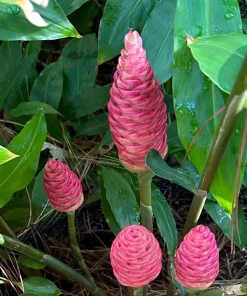
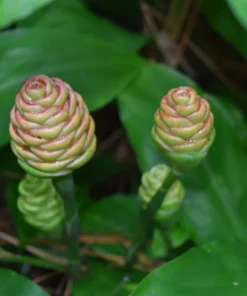
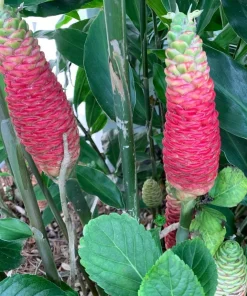
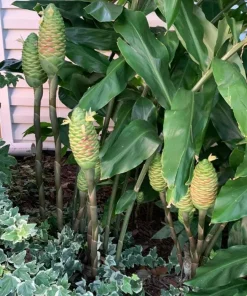
Hawaiian Awapuhi Ginger Rhizomes – Shampoo Ginger Tubers (6 Pack) for Home Garden
Original price was: $45.99.$20.99Current price is: $20.99.
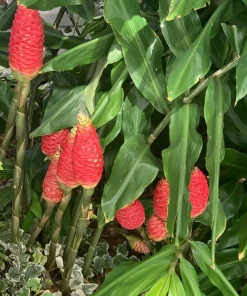
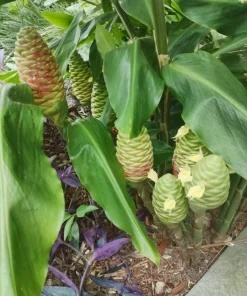
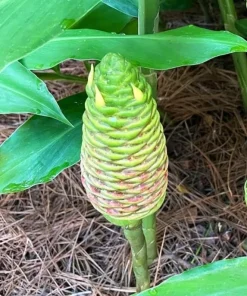
Cultivate your own Hawaiian Awapuhi Ginger rhizomes with this convenient 6-pack. Also known as Shampoo Ginger plant (Zingiber Zerumbet), these tubers produce fragrant pinecone-like inflorescences. Ideal for tropical and subtropical climates, they’re perfect for natural hair care.
Estimated arrival
Oct 14
Oct 19 - Oct 21
Oct 24 - Oct 28
Shop With Confidence
30-Day Plant Health Guarantee
Arrives damaged? We’ll replace it free — see our return policy.
Responsive Support
Email us anytime, we reply within 1 business day.
Expert Packaging
Temperature-controlled shipping to protect your plants in transit.
Secure Checkout
Pay safely with Visa, Mastercard, PayPal.
Plant Specifications
-
USDA Hardiness Zone
USDA zones 8-11 -
Soil Type
Rich, well-draining, slightly acidic soil -
Sunlight Exposure
Partial to full shade -
Expected Planting Period
Spring, after last frost
Overview
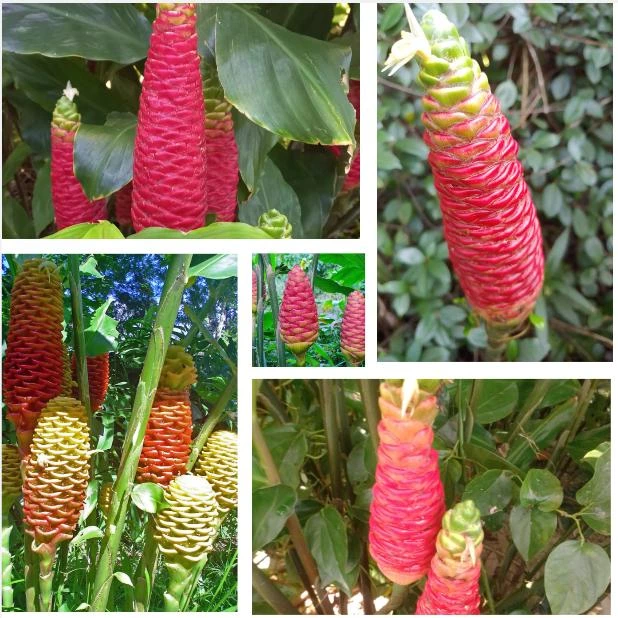
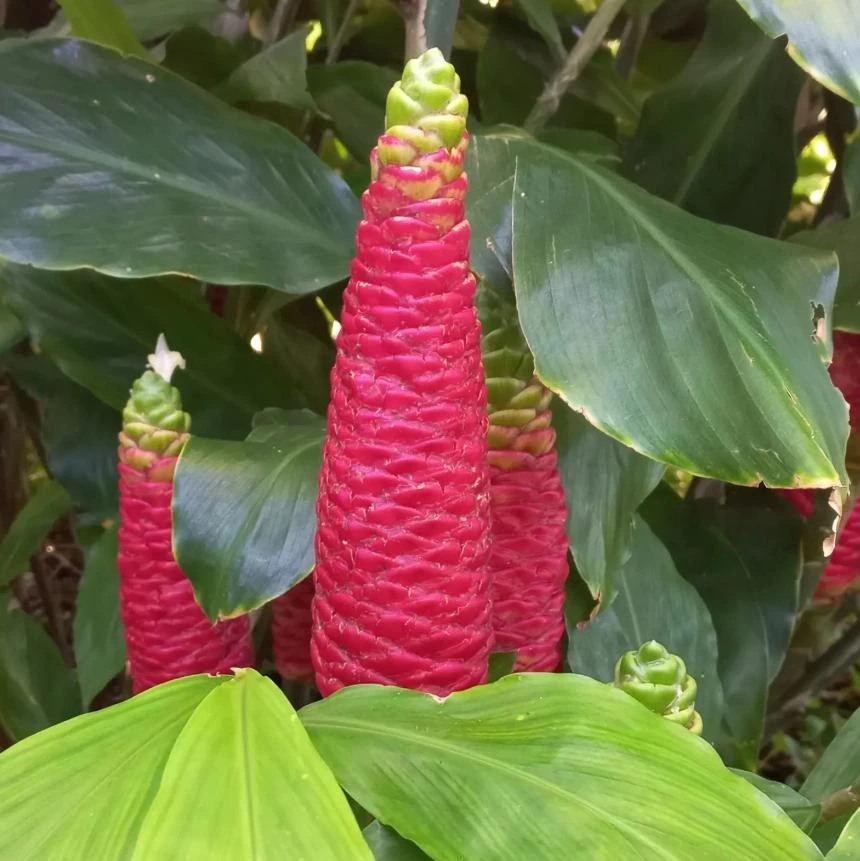
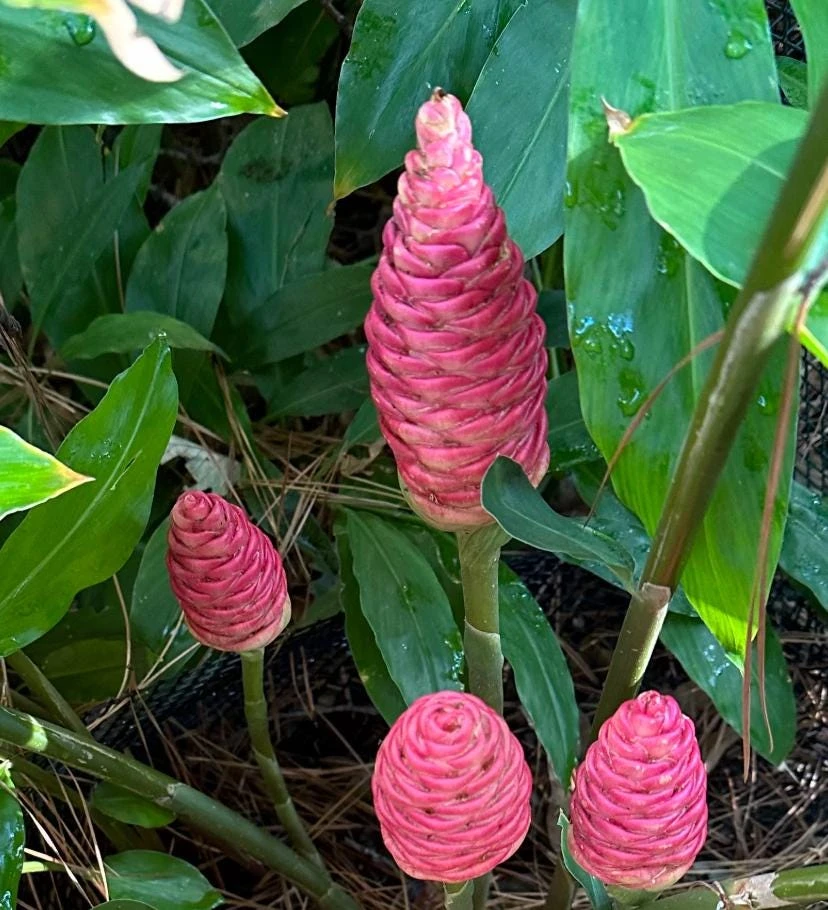
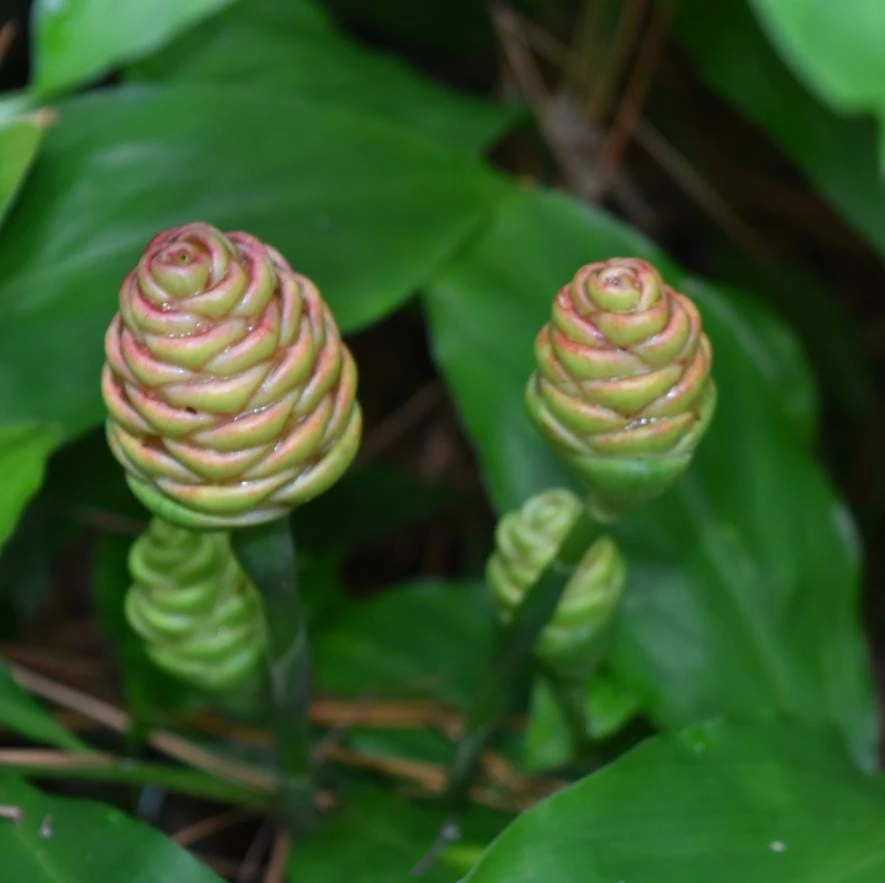
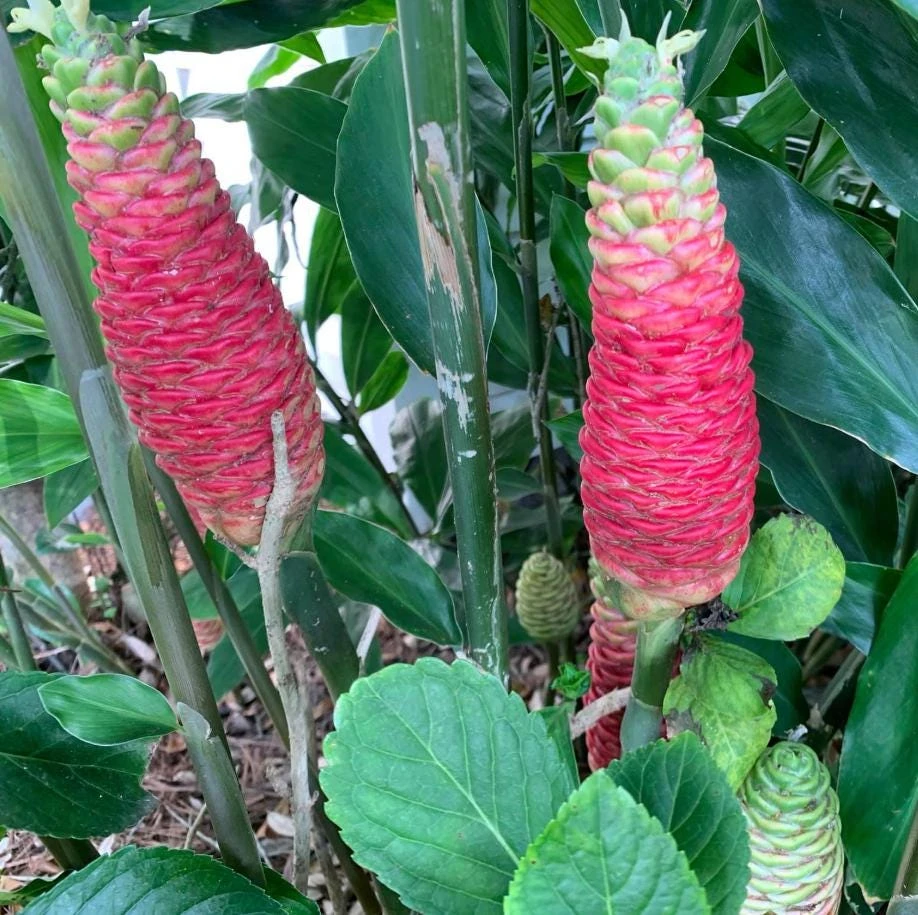
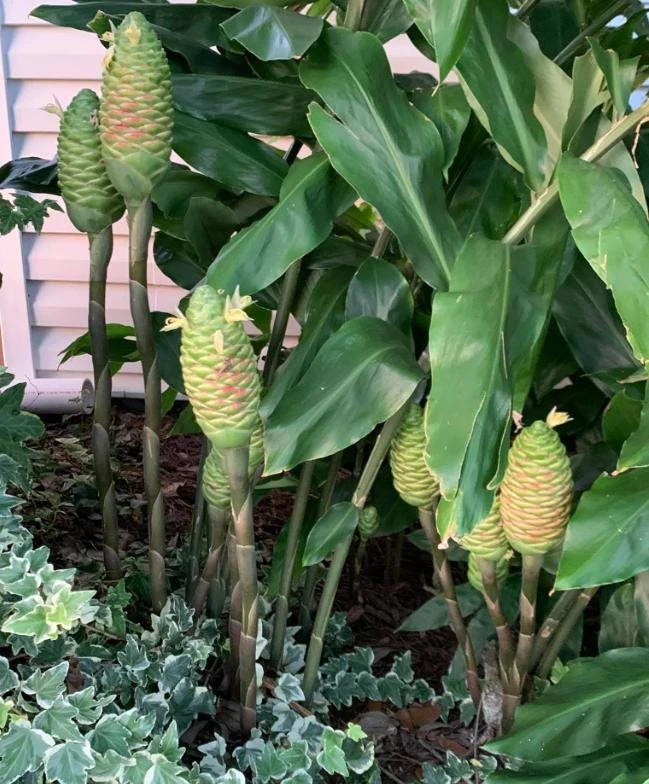
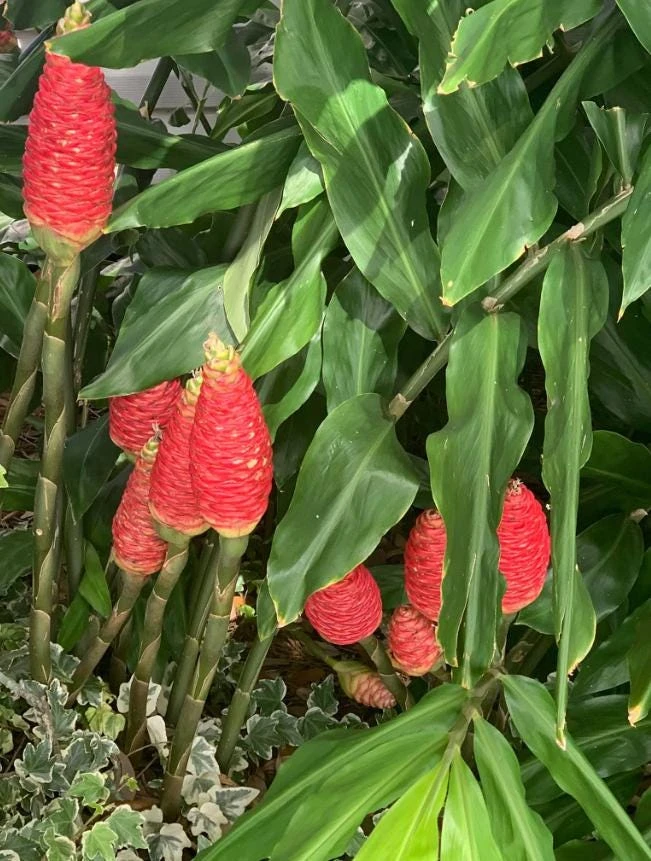
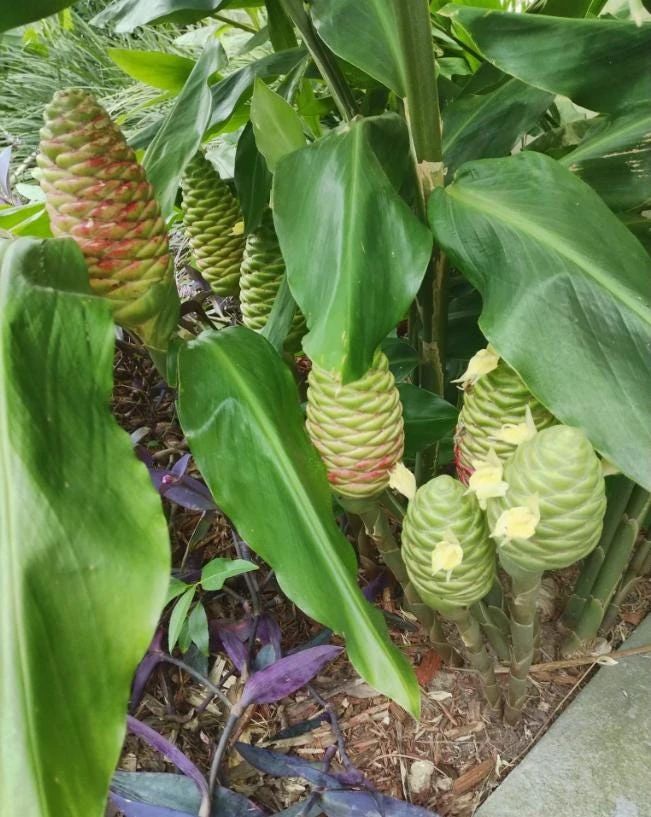
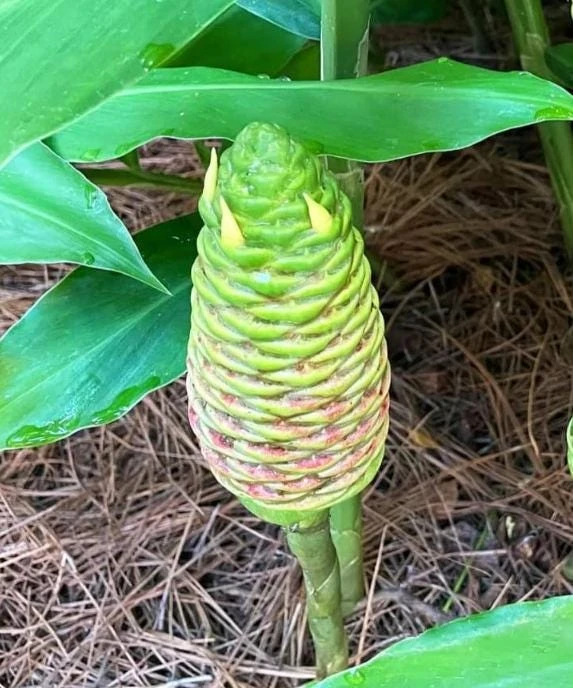
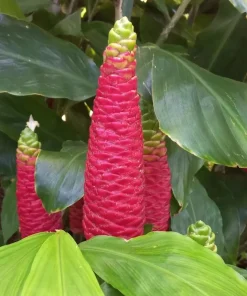
Discover the unique beauty and natural benefits of the Hawaiian Awapuhi Ginger rhizomes, offered in a convenient 6-pack. This distinctive plant, scientifically known as Zingiber zerumbet, is commonly referred to as Shampoo Ginger plant, Pinecone Ginger, or Red Ginger Lily. Native to tropical Asia but widely naturalized in Hawaii, it’s celebrated for its cone-shaped flower heads that emerge green and gradually turn a vibrant red, filled with a fragrant, slippery liquid traditionally used as a natural shampoo and conditioner. Growing these rhizomes can be a deeply rewarding experience, bringing a touch of the tropics and a natural beauty secret to your garden. Whether you’re an experienced gardener or just starting, these Zingiber Zerumbet tubers are a fantastic choice for creating an exotic and functional landscape feature.
Each pack contains 6 healthy Hawaiian Awapuhi Ginger rhizomes, ready for planting. These tubers are the underground stems from which new plants will sprout, ensuring robust growth and a vibrant display. The plant itself boasts lush, tropical foliage, making it an attractive addition even before its unique flowers appear. Its ease of cultivation in appropriate climates and its versatile uses make it a highly sought-after botanical specimen. Prepare to enjoy the lush greenery and the delightful, aromatic ‘shampoo’ this wonderful plant provides.
Key Benefits
The Shampoo Ginger plant offers a multitude of benefits, from its aesthetic appeal to its practical applications. Cultivating these Hawaiian Awapuhi Ginger rhizomes in your garden or containers will enrich your environment in several ways:
- Natural Hair Care: The most prominent benefit is the clear, fragrant liquid found in the mature pinecone-like inflorescences. This sap has been traditionally used as a natural shampoo and conditioner, leaving hair soft and shiny. It’s a truly unique and organic beauty product straight from your garden.
- Exotic Ornamental Value: With its tall, leafy stalks and distinctive cone-shaped flowers that transition from green to deep red, the Awapuhi Ginger adds a stunning tropical element to any garden or patio. It creates a lush, vibrant focal point.
- Fragrant Blooms: The mature flower heads emit a pleasant, light ginger fragrance, enhancing the sensory experience of your garden space. The aroma is subtle but distinct, adding to its allure.
- Pollinator Attraction: While not heavily emphasized, the flowers can attract certain pollinators, contributing to the biodiversity of your garden ecosystem.
- Low Maintenance in Ideal Conditions: Once established in a suitable tropical or subtropical climate, this plant is relatively easy to care for, requiring consistent moisture and protection from harsh sun. It’s a resilient choice for the right environment.
- Edible Rhizomes (Limited Use): While primarily grown for its flowers and sap, the rhizomes themselves are technically edible, though they are much more bitter than common ginger and not typically consumed. The focus remains on its shampoo properties and ornamental appeal.
- Great for Containers: For gardeners in cooler zones, the pinecone ginger thrives in containers, allowing you to bring it indoors during colder months and enjoy its tropical charm year-round. This flexibility makes it accessible to a wider range of growers.
Plant Care & Growing Tips
To successfully grow Awapuhi Ginger from your Hawaiian Awapuhi Ginger rhizomes, understanding its specific needs is crucial. This tropical plant thrives in conditions that mimic its native habitat. Start by selecting healthy, fresh rhizomes with visible buds or ‘eyes’ where new shoots will emerge. The best time to plant is in the spring, after the last frost, when temperatures are consistently warm.
Sunlight requirements:Shampoo Ginger plant prefers partial to full shade, especially in hotter climates. Too much direct sun can scorch its leaves. Morning sun is generally tolerated, but afternoon shade is essential for optimal growth. If growing indoors, place it in a location with bright, indirect light. Watering schedule: Consistent moisture is key, particularly during the growing season. The soil should be kept moist but never waterlogged, as this can lead to rhizome rot. Allow the top inch or two of soil to dry out slightly between waterings. Ensure good drainage, especially for container-grown plants. Soil type and drainage: This plant thrives in rich, well-draining, slightly acidic soil with a pH of 5.5 to 6.5. Amend your soil with plenty of organic matter like compost or peat moss to improve fertility and drainage. Temperature range and USDA hardiness zone:Zingiber Zerumbet tubers are tropical plants, best suited for USDA hardiness zones 8-11. They prefer warm, humid conditions and are not frost-tolerant. If you live in a cooler region, grow them in containers that can be moved indoors during winter. Fertilization: During the active growing season (spring through fall), fertilize every 4–6 weeks with a balanced liquid fertilizer (e.g., 10-10-10) or slow-release organic options like compost tea or fish emulsion. Common problems: Watch out for root rot if the soil is too wet. Pests are generally not a major issue, but occasional inspection for common garden pests is advisable. Ensure good air circulation to prevent fungal issues in humid environments. Regular mulching around the base helps retain moisture, keeps roots cool, and suppresses weeds, further aiding in how to grow Awapuhi Ginger successfully.
Size & Details
Your purchase includes 6 viable Hawaiian Awapuhi Ginger rhizomes, ready for planting. Each rhizome is carefully selected to ensure health and vigor, offering the best start for your plants. When fully grown, the Shampoo Ginger plant typically reaches a height of 3 to 7 feet, with a spread of 2 to 4 feet, creating a significant presence in the garden. The lush foliage consists of long, lance-shaped leaves arranged in an attractive manner along the stalks. The distinctive pinecone-like inflorescences, from which the ‘shampoo’ is harvested, usually appear in late summer to early fall. The growth rate is moderate to fast under ideal conditions, with plants often producing flowers within their first or second year from the Zingiber Zerumbet tubers. These plants ship as dormant or semi-dormant rhizomes, carefully packaged to ensure their safe arrival and readiness for planting. Expect vigorous growth once planted in warm soil with consistent moisture, transforming into a beautiful and functional addition to your tropical garden or a striking container specimen.
Frequently Asked Questions
- Q: How big do these Hawaiian Awapuhi Ginger plants get? A: When mature, the Hawaiian Awapuhi Ginger rhizomes will grow into plants typically reaching 3 to 7 feet tall and spreading 2 to 4 feet wide, creating a substantial tropical display.
- Q: Is this an indoor or outdoor plant? A: While primarily an outdoor plant for USDA Zones 8-11, it can be grown indoors in containers in cooler climates. Ensure it receives bright, indirect light and consistent humidity if kept as an indoor plant.
- Q: How much sunlight does it need? A: The Shampoo Ginger plant prefers partial to full shade. It can tolerate some morning sun, but direct afternoon sun, especially in hot climates, should be avoided to prevent leaf scorch.
- Q: Is this plant easy to care for? A: Yes, once established in the right warm and humid conditions with consistent moisture and proper drainage, the pinecone ginger is relatively low-maintenance.
- Q: What condition will the Zingiber Zerumbet tubers arrive in? A: The Zingiber Zerumbet tubers will arrive as healthy, fresh rhizomes, ready for planting. They are carefully inspected and packed to ensure they reach you in optimal condition.
- Q: How long until it blooms? A: Under ideal growing conditions, you can expect the Hawaiian Awapuhi Ginger rhizomes to produce their distinctive pinecone flowers within the first one to two growing seasons after planting.
- Q: When is the best time to plant these rhizomes? A: The best time to plant the Hawaiian Awapuhi Ginger rhizomes is in the spring, after all danger of frost has passed and soil temperatures have warmed up.
- Q: Can I really use the sap as shampoo? A: Yes, the clear, fragrant liquid found in the mature red flower cones of the Shampoo Ginger plant has been traditionally used in Hawaii as a natural shampoo and conditioner.
- Q: Will it survive winter in my zone if I live outside USDA zones 8-11? A: If you live in a cooler zone, you will need to grow your pinecone ginger in a container and bring it indoors before the first frost, or treat it as an annual.
- Q: What kind of soil is best for growing Awapuhi Ginger? A: The plant prefers rich, well-draining, slightly acidic soil (pH 5.5-6.5) that is amended with organic matter like compost. This helps for healthy development of the Hawaiian Awapuhi Ginger rhizomes.
Be the first to review “Hawaiian Awapuhi Ginger Rhizomes – Shampoo Ginger Tubers (6 Pack) for Home Garden”
People Also Viewed


Aquatic Plant Seeds
Aquarium Plant Seeds – Fish Tank Water Grass Ground Covering Seeds
Reviews
There are no reviews yet.