
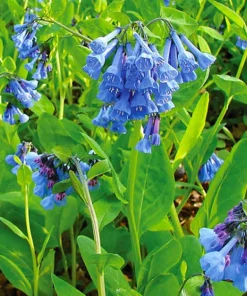
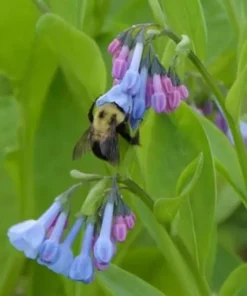
10 Virginia Bluebells Bare Root – Mertensia virginica Native Wildflower
Original price was: $49.99.$34.99Current price is: $34.99.
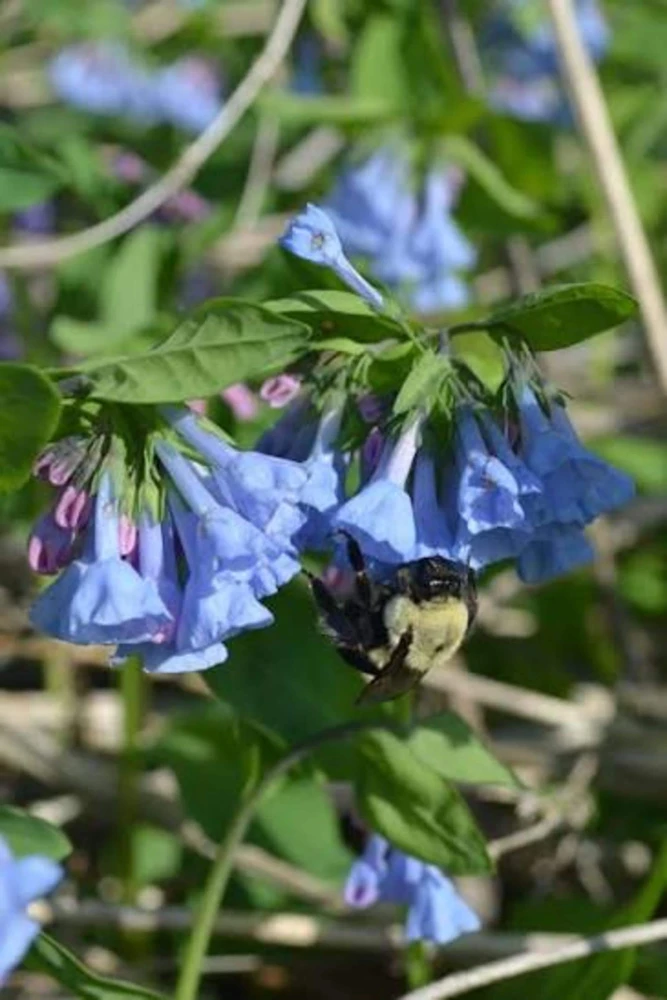
Bring early spring magic to your garden with Virginia Bluebells bare root plants. These Mertensia virginica plants offer unique, color-changing blooms from pink buds to sky-blue flowers, perfect for woodland gardens. Enjoy easy planting and vibrant native beauty.
Estimated arrival
Oct 10
Oct 15 - Oct 17
Oct 20 - Oct 24
Shop With Confidence
30-Day Plant Health Guarantee
Arrives damaged? We’ll replace it free — see our return policy.
Responsive Support
Email us anytime, we reply within 1 business day.
Expert Packaging
Temperature-controlled shipping to protect your plants in transit.
Secure Checkout
Pay safely with Visa, Mastercard, PayPal.
Plant Specifications
-
USDA Hardiness Zone
USDA Zones 3-8 -
Soil Type
Rich, well-draining soil, high in organic matter -
Sunlight Exposure
Partial to full shade -
Expected Planting Period
Fall or early spring
Overview
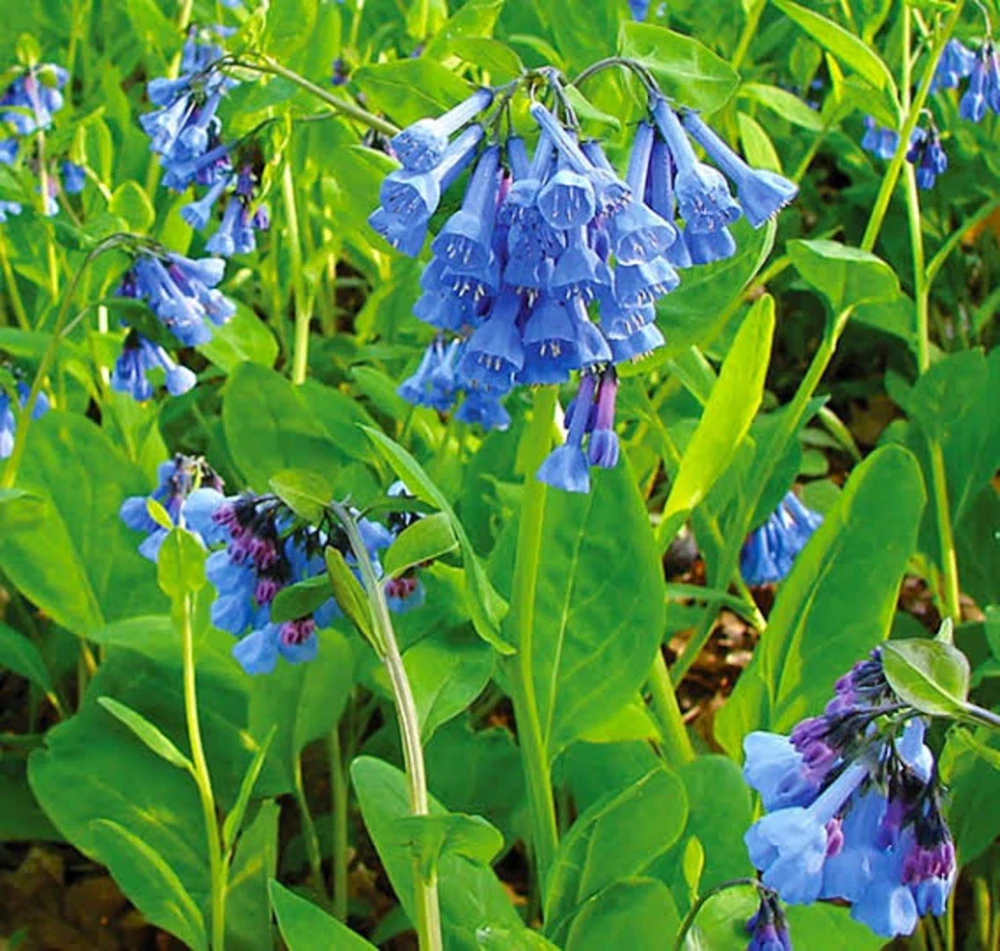
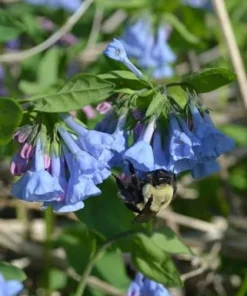
Introduce the captivating beauty of early spring to your garden with our premium Virginia Bluebells bare root plants. Known scientifically as Mertensia virginica, these exquisite perennials are cherished for their unique, bell-shaped flowers that undergo a delightful color transformation. Starting as soft pink buds, they gradually unfurl into striking, sky-blue blossoms, creating a truly enchanting display. As one of North America’s most beloved native wildflower roots, Virginia Bluebells are not only beautiful but also vital for early pollinators, making them an excellent choice for a vibrant and ecologically friendly garden. These bare roots are dormant and ready to establish quickly, ensuring a spectacular show in the seasons to come. Planting these Mertensia virginica plants is a simple way to add a touch of natural elegance and historical charm to your landscape, transforming shaded areas into a haven of color.
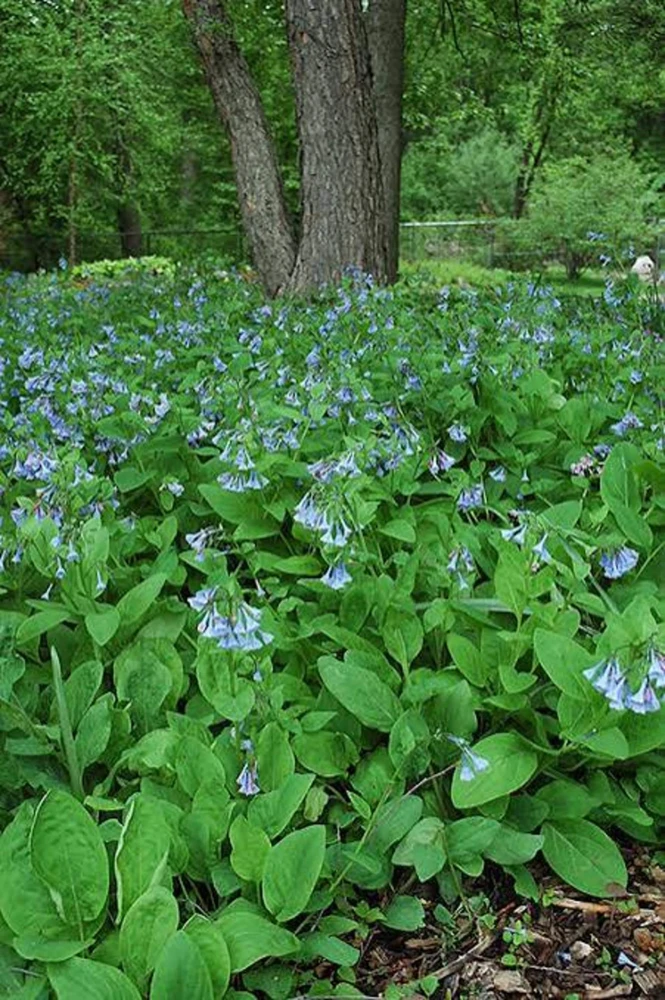
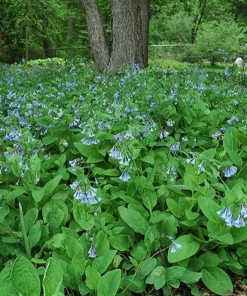
Our Virginia Bluebells bare root offerings are carefully selected to ensure health and vigor. Each root is packed with stored energy, poised to burst into growth and bloom once planted in your garden. They are particularly well-suited for woodland settings, shaded borders, or naturalized areas where they can spread and create breathtaking carpets of blue. The ephemeral nature of their foliage, which disappears by mid-summer, allows other plants to take center stage later in the season. This makes them perfect companions for ferns, hostas, and other shade-loving perennials, providing a dynamic and ever-evolving garden tapestry. Embrace the opportunity to cultivate these stunning early spring blooms and enjoy a spectacular natural show year after year.
Key Benefits
Planting Virginia Bluebells bare root offers a multitude of advantages for gardeners seeking both beauty and ecological value. These resilient plants are a wonderful addition to any shade garden, providing effortless elegance and significant environmental contributions.
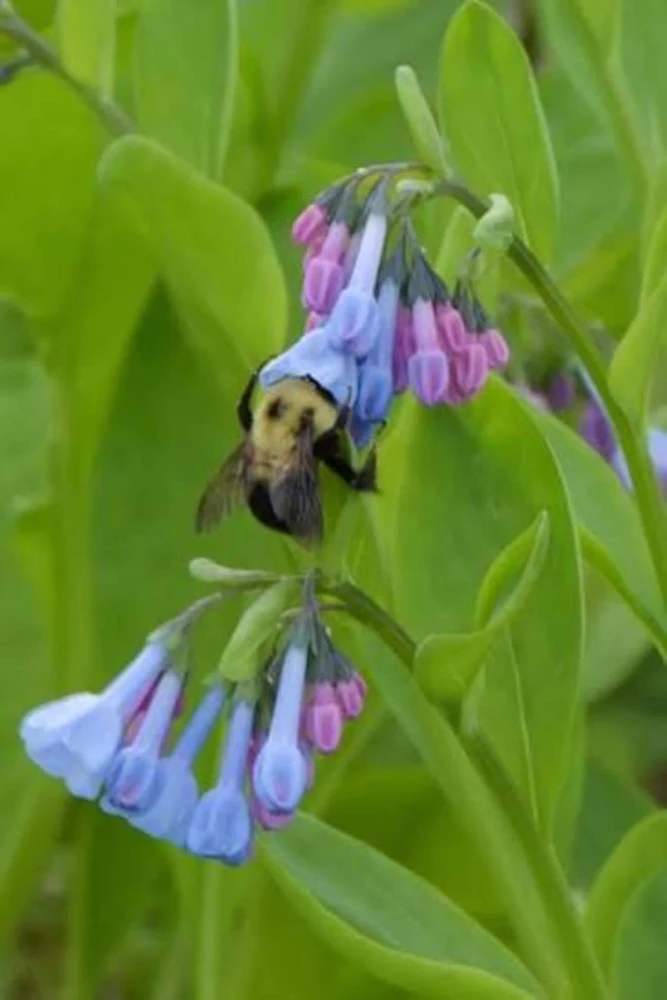
- Stunning Color-Changing Blooms: Witness a magical transformation as buds open from delicate pink to vibrant sky-blue, providing a unique visual spectacle that captivates and delights. These Mertensia virginica plants are truly a garden marvel.
- Essential Early Pollinator Support: As one of the first flowers to emerge in spring, Virginia Bluebells bare root provide a crucial nectar source for early-rising bees, butterflies, and other beneficial insects, supporting local ecosystems.
- Low Maintenance & Easy Care: Once established, these native wildflower roots require minimal attention, thriving in their preferred shady, moist environments. They are a perfect choice for gardeners looking for high impact with low effort.
- Naturalizes Beautifully: Virginia Bluebells readily self-seed and spread to form charming colonies, creating a lush, naturalized look in woodland gardens or shaded borders without becoming invasive.
- Ephemeral Foliage: The foliage gracefully disappears by mid-summer, allowing space for other shade perennials to shine and preventing overcrowding in your garden beds. This makes them versatile companions.
- Drought Tolerant Once Established: While they prefer consistent moisture during their growth period, mature Virginia Bluebells bare root plants exhibit good drought tolerance once their foliage has died back for the summer.
- Deer and Rabbit Resistant: Generally unpalatable to deer and rabbits, these plants are an excellent choice for gardens in areas where wildlife browsing is a concern, protecting your beautiful early spring blooms.
Plant Care & Growing Tips
To ensure your Virginia Bluebells bare root thrive and produce their spectacular early spring blooms, understanding their specific care requirements is key. These beautiful Mertensia virginica plants are relatively easy to grow once established, preferring conditions that mimic their natural woodland habitat.
Sunlight Requirements: Virginia Bluebells flourish in partial to full shade. They are ideal for planting under deciduous trees, where they receive ample sunlight in early spring before the tree canopy leafs out, and then benefit from the shade during the warmer months. Avoid planting them in full, scorching sun, as this can lead to leaf scorch and early dormancy. For optimal performance, aim for 4-6 hours of morning sun or dappled light throughout the day.
Watering Schedule and Soil Moisture: Consistent moisture is crucial, especially during their active growth period in spring. The soil should be kept evenly moist but not waterlogged. Once the foliage begins to die back in early summer, the plants enter dormancy, and watering can be reduced. Established plants are fairly drought-tolerant during dormancy. Ensure good drainage to prevent root rot, particularly in heavier soils. A thorough watering once or twice a week during dry spring periods is usually sufficient.
Soil Type and Drainage Requirements: These native wildflower roots prefer rich, well-draining soil that is high in organic matter. A slightly acidic to neutral pH (6.0-7.0) is ideal. Amending your soil with compost, leaf mold, or other organic materials will improve soil structure, fertility, and drainage. Good drainage is paramount; avoid heavy clay soils that retain too much moisture, which can lead to fungal issues. When following a bluebell planting guide, preparing the soil properly is a critical first step.
Temperature Range and USDA Hardiness Zone:Virginia Bluebells bare root are hardy perennials, thriving in USDA Zones 3-8. They require a cold dormancy period to perform well. They are tolerant of cold winter temperatures and can withstand late spring frosts. The ideal growing temperatures for active growth are cool to mild, typically between 40°F and 65°F (4°C and 18°C).
Fertilization Schedule and Type: Generally, Virginia Bluebells do not require heavy fertilization, especially if planted in rich, organic soil. An annual top-dressing with a layer of compost or a balanced, slow-release granular fertilizer in early spring as new growth emerges is usually sufficient. Avoid over-fertilizing, which can lead to excessive foliage at the expense of flowers. Use a fertilizer formulated for flowering perennials or general garden use.
Common Problems and Solutions: Virginia Bluebells are relatively pest and disease-free. The most common issues arise from improper growing conditions. Overwatering or poor drainage can lead to root rot; ensure adequate drainage and adjust watering practices. Slugs and snails may occasionally feed on young foliage; organic slug baits or hand-picking can manage this. If leaves yellow prematurely, it could indicate too much sun or insufficient moisture. Adjust placement or watering as needed to keep your Mertensia virginica plants healthy.
Size & Details
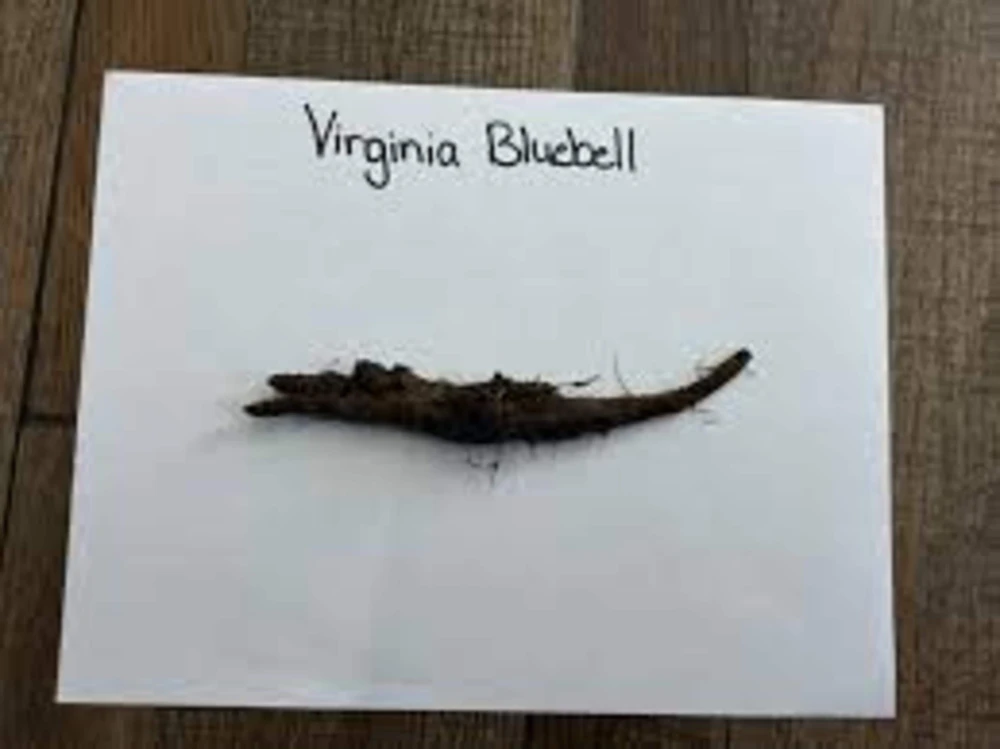
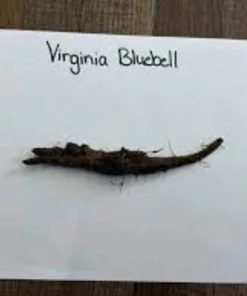
Our Virginia Bluebells bare root plants are shipped in a dormant, bare-root format, ensuring they are ready for successful establishment in your garden. Upon planting, these native wildflower roots will quickly develop a strong root system, preparing them for their spectacular early spring blooms. Each bare root is carefully selected for its health and vigor, packed with the stored energy needed for robust growth.
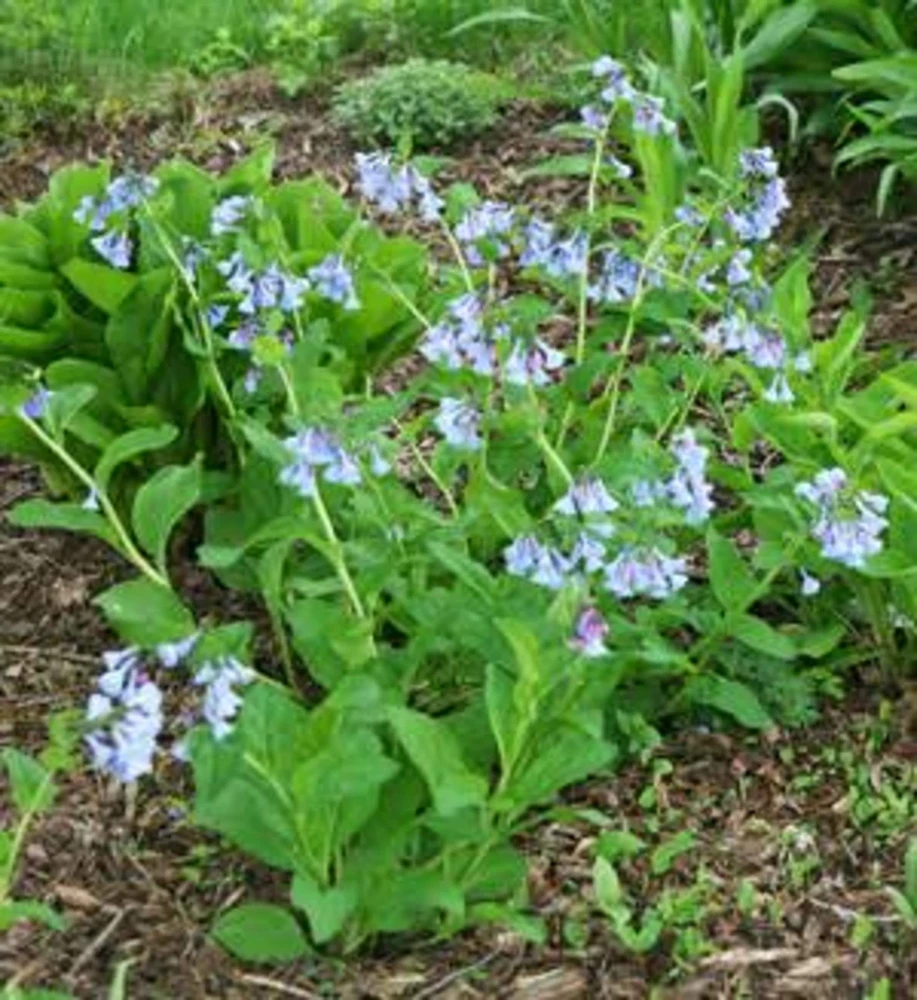
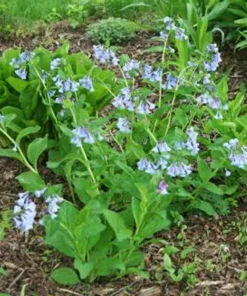
Typically, Virginia Bluebells bare root plants grow to a height of 18-24 inches (45-60 cm) and spread about 12-18 inches (30-45 cm) wide, forming attractive clumps. They have a moderate growth rate, establishing well in their first year and expanding their presence in subsequent seasons. The ephemeral nature of their foliage means that by mid-summer, the plant will die back to the ground, leaving space for other plants to fill. Expect blooms to appear in early to mid-spring, usually from April to May, depending on your specific climate and USDA zone. These plants are shipped with no foliage, only the bare roots nestled in some peat to maintain moisture and freshness, following a proven bluebell planting guide for successful transplanting.
Frequently Asked Questions
- Q: How big do these Virginia Bluebells get? A: Virginia Bluebells bare root plants typically grow to about 18-24 inches (45-60 cm) tall and spread 12-18 inches (30-45 cm) wide. They form beautiful clumps that naturalize over time, creating a stunning display of early spring blooms.
- Q: Is this an indoor or outdoor plant? A: Virginia Bluebells bare root plants are outdoor perennials. They require a period of winter dormancy and thrive in woodland garden settings, shaded borders, or naturalized areas. They are not suitable as indoor houseplants.
- Q: How much sunlight do Virginia Bluebells need? A: These Mertensia virginica plants prefer partial to full shade. They do best with morning sun or dappled light throughout the day, especially in early spring before deciduous trees fully leaf out. Avoid hot, direct afternoon sun.
- Q: Is this plant easy to care for? A: Yes, Virginia Bluebells bare root are considered low-maintenance once established. They thrive with minimal intervention in their preferred shady, moist, and well-draining soil conditions, making them a great choice for both novice and experienced gardeners.
- Q: What condition will the bare roots arrive in? A: Your Virginia Bluebells bare root will arrive dormant, with no foliage, and packaged securely in peat to ensure freshness and viability. They are ready to plant directly into your garden upon arrival.
- Q: When is the best time to plant Virginia Bluebells bare root? A: The ideal time for bluebell planting guide is in the fall or very early spring, allowing the roots to establish before the plant’s active growth period. This timing helps ensure a successful display of early spring blooms.
- Q: Can I grow Virginia Bluebells in containers? A: While primarily suited for in-ground planting where they can naturalize, Mertensia virginica plants can be grown in large containers. Ensure the container has excellent drainage and is placed in a shaded location, mimicking their natural habitat.
- Q: Are Virginia Bluebells deer and rabbit resistant? A: Yes, native wildflower roots like Virginia Bluebells are generally resistant to deer and rabbit browsing, making them a good option for gardens in areas with wildlife activity.
- Q: What kind of soil is best for Virginia Bluebells? A: Virginia Bluebells prefer rich, well-draining soil with plenty of organic matter. A slightly acidic to neutral pH is ideal. Amending with compost or leaf mold will provide the best growing conditions for your Virginia Bluebells bare root.
- Q: How long until Virginia Bluebells bloom after planting? A: If planted in fall or early spring, you can expect your Virginia Bluebells bare root to produce their first early spring blooms in the very first spring after planting, with more robust displays in subsequent years as they establish.
Be the first to review “10 Virginia Bluebells Bare Root – Mertensia virginica Native Wildflower”
People Also Viewed
Houseplants
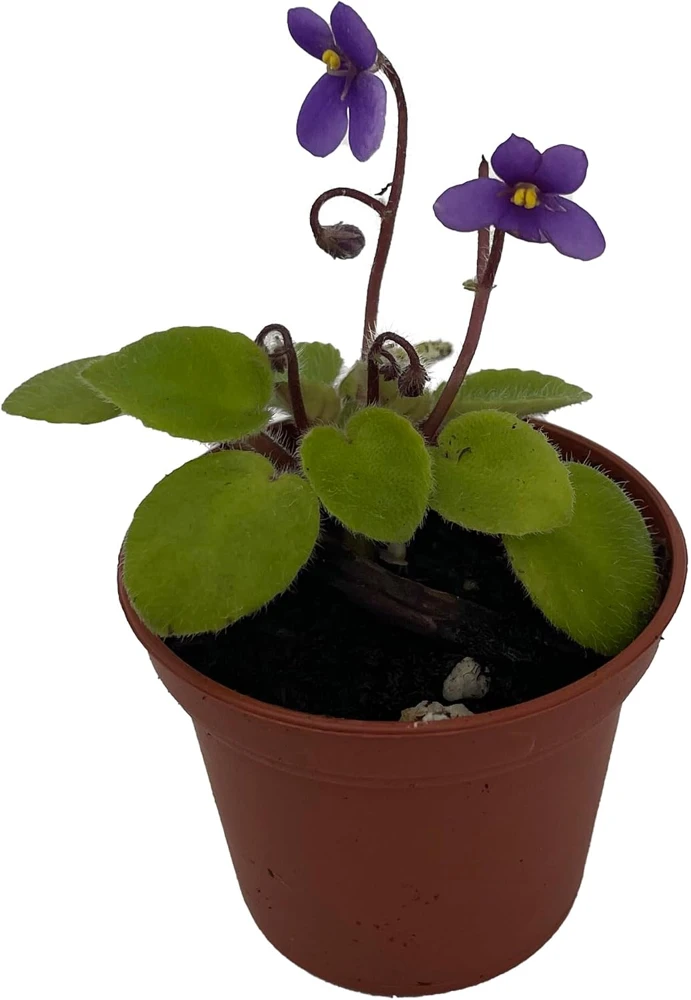
Pixie Blue Micro Miniature African Violet Live Plant – 2.5″ Pot – Blue-Purple Blooms – Indoor
Reviews
There are no reviews yet.