
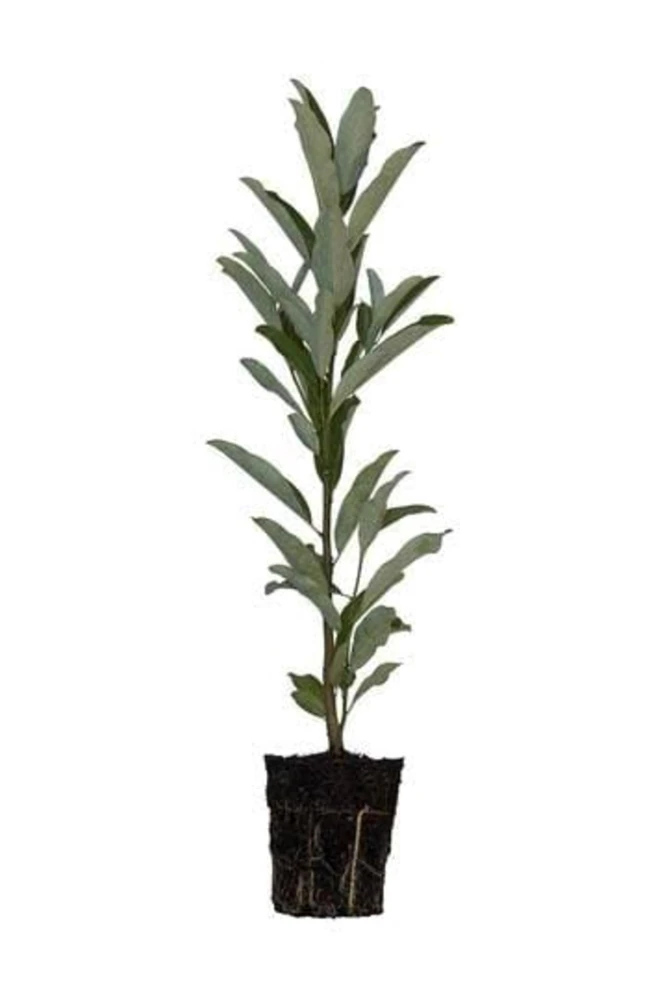
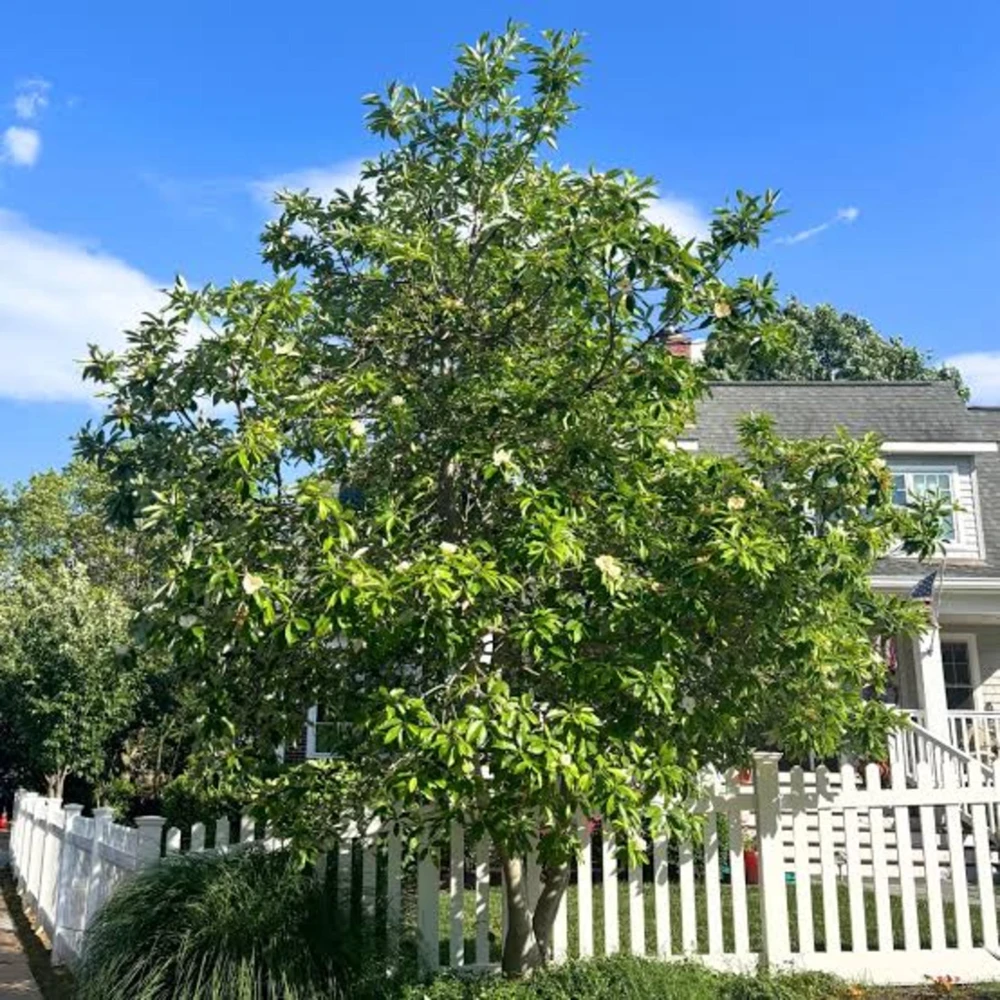
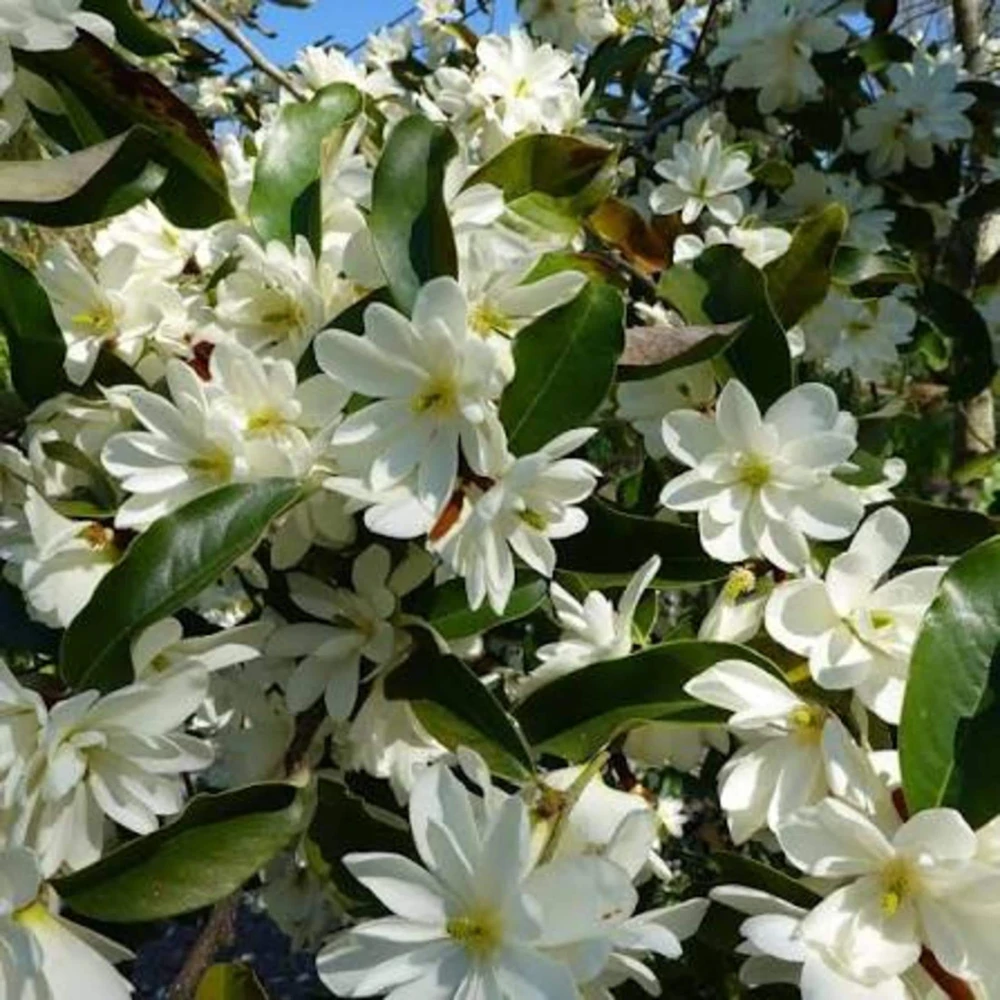
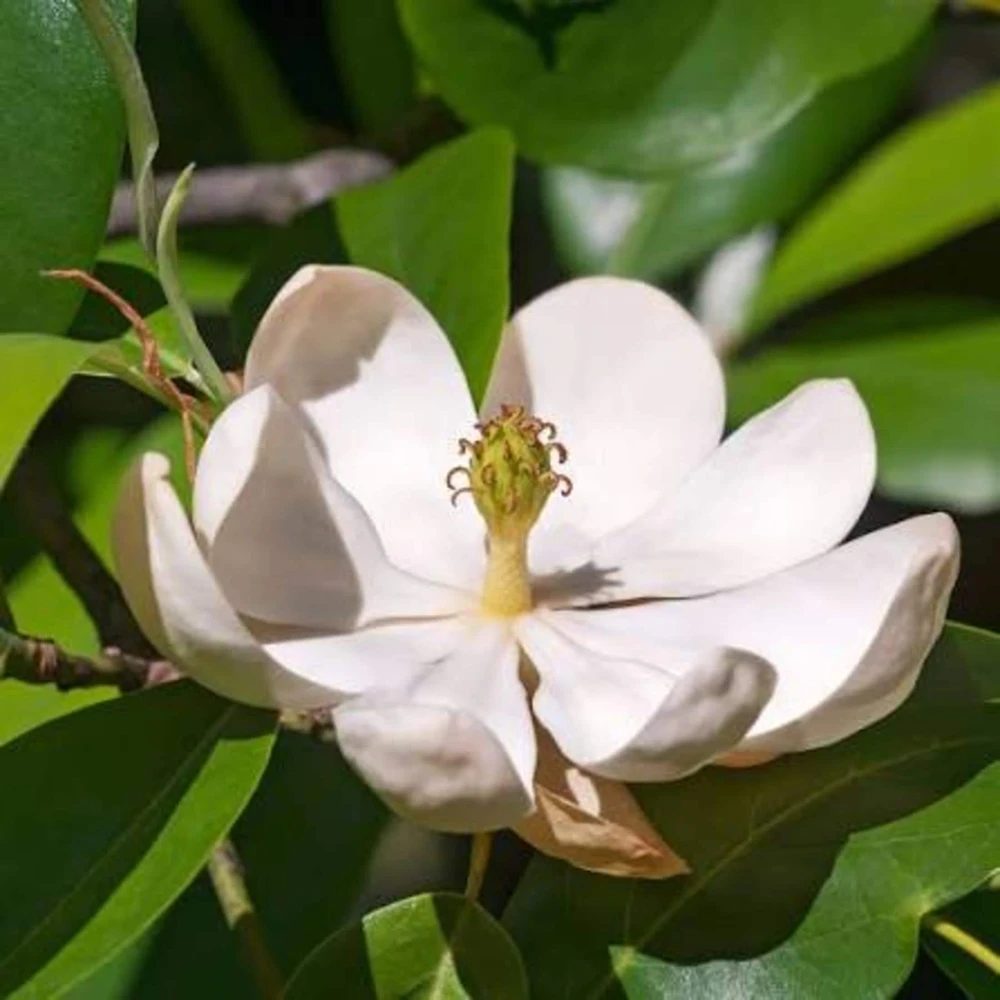
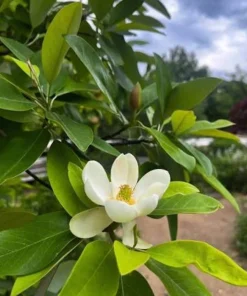
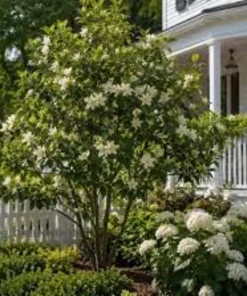
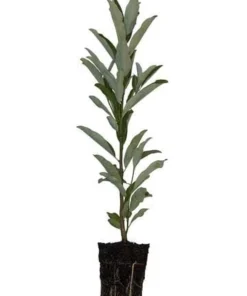
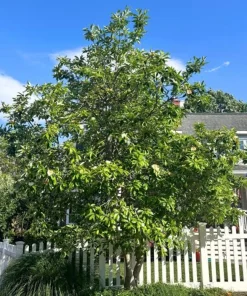
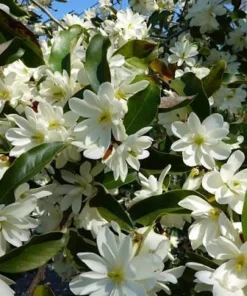
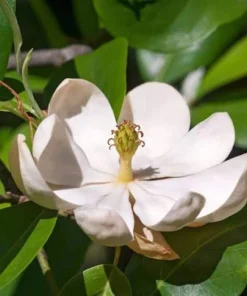
Sweetbay Magnolia Live Tree – 8-12in Tall Potted Plant, Magnolia virginiana
Original price was: $67.99.$52.99Current price is: $52.99.
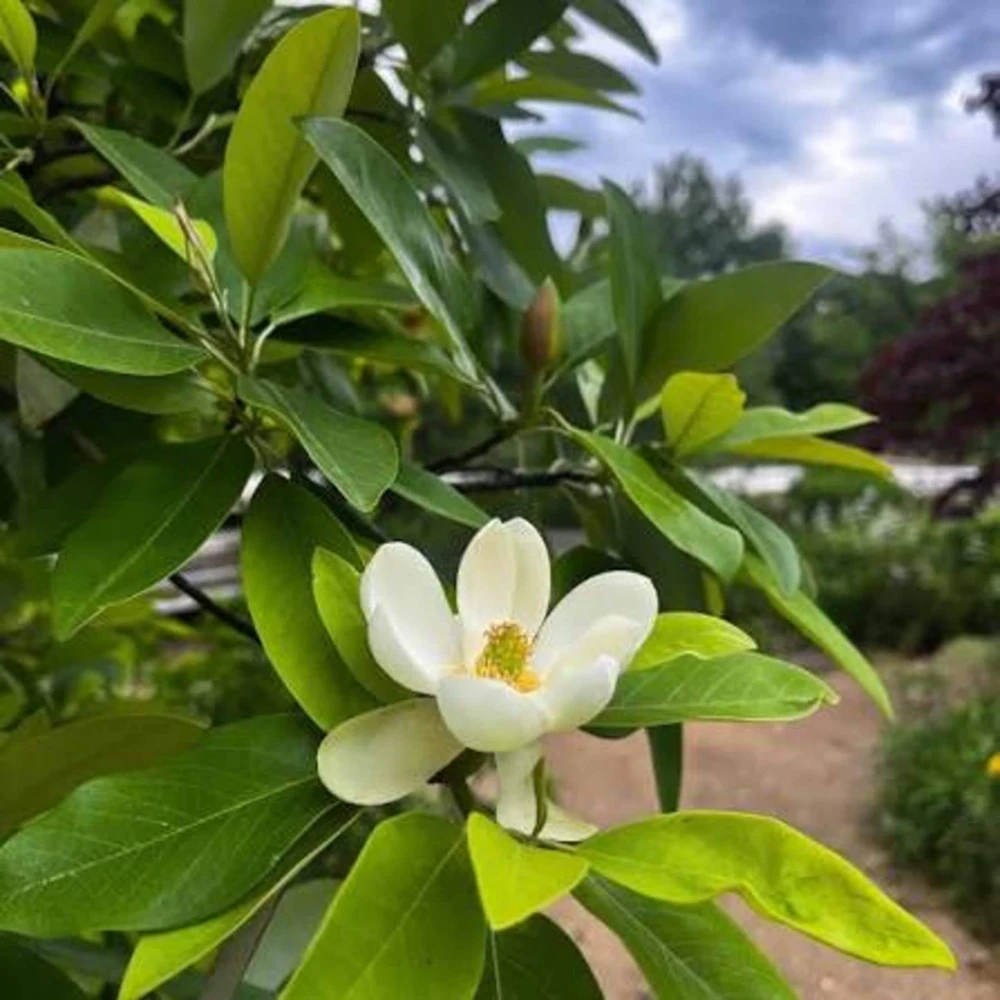
Bring elegant beauty to your yard with this sweetbay magnolia live plant. This 8-12 inch magnolia virginiana tree arrives potted, ensuring an easy transition to your garden. Enjoy its fragrant white flowers and shimmering foliage.
Estimated arrival
Oct 10
Oct 15 - Oct 17
Oct 20 - Oct 24
Shop With Confidence
30-Day Plant Health Guarantee
Arrives damaged? We’ll replace it free — see our return policy.
Responsive Support
Email us anytime, we reply within 1 business day.
Expert Packaging
Temperature-controlled shipping to protect your plants in transit.
Secure Checkout
Pay safely with Visa, Mastercard, PayPal.
Plant Specifications
-
USDA Hardiness Zone
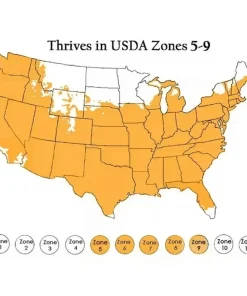
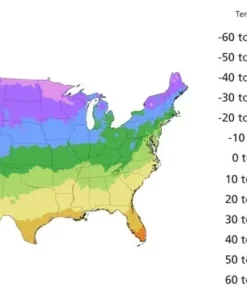
USDA Zones 5-9 -
Soil Type
Well-draining, acidic to neutral soil -
Sunlight Exposure
Full sun to partial shade -
Expected Planting Period
Spring or early fall
Overview
Transform your outdoor space with a beautiful sweetbay magnolia live plant. This healthy, established starter tree, scientifically known as Magnolia virginiana, is celebrated for its elegant beauty and unique characteristics. Originating as a native species, the sweetbay magnolia is a versatile and resilient addition to various garden styles, from rain gardens to accent plantings. Each live plant is carefully grown and shipped directly in its pot, ensuring an intact, undisturbed root system upon arrival. This container-grown method significantly minimizes shipping stress and promotes a much faster, healthier transition into your garden beds compared to bare-root alternatives. Prepare to enjoy the delightful lemon-honey fragrance and the visual splendor of its creamy white flowers and shimmering leaves.
The sweetbay magnolia live plant is not just a visual delight; it’s also a boon for local ecosystems. Its fragrant blooms attract native pollinators, including bees and butterflies, and its dense foliage provides shelter and food for songbirds. This makes it an excellent choice for those looking to create a vibrant and biodiverse garden. Whether you’re an experienced gardener or just starting, this robust tree offers a rewarding planting experience and years of natural beauty.
Key Benefits
The sweetbay magnolia live plant offers a multitude of advantages for any gardener looking to enhance their landscape. Its unique attributes make it a standout choice for both aesthetic appeal and ecological contribution.
- Fragrant Blooms: Enjoy the intoxicating lemon-honey fragrance emitted by its creamy, glistening white flowers from late spring through summer. These exquisite blossoms add a sensory delight to your garden.
- Shimmering Foliage: The glossy green leaves feature a stunning, silvery-white underside that creates a beautiful shimmering effect as it sways gently in the breeze, providing dynamic visual interest.
- Native & Resilient: As a native species, the magnolia virginiana tree is highly resilient to local pests and diseases, requiring less intervention and making it an excellent, low-maintenance choice for sustainable gardening.
- Attracts Wildlife: Its fragrant flowers and dense canopy make it a favorite among native pollinators and songbirds, helping to boost biodiversity in your garden.
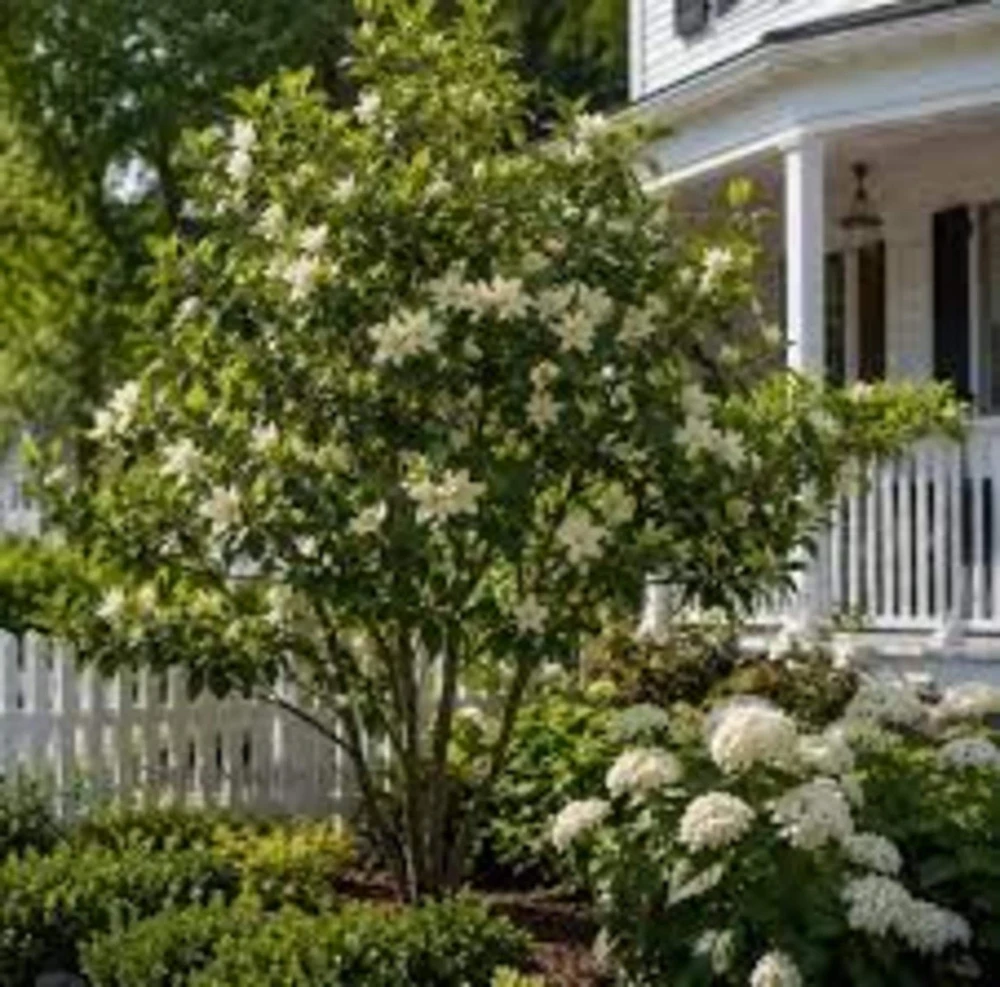
- Versatile Landscaping: Ideal for rain gardens, accent plantings, or creating natural privacy screens. Its adaptable nature allows it to thrive in various garden settings.
- Easy Establishment: Shipped in its pot with an intact root system, this sweetbay magnolia live plant experiences minimal transplant shock, leading to quicker establishment and healthier growth in your garden.
- Year-Round Appeal: Depending on your climate, the sweetbay magnolia can be evergreen or semi-evergreen, offering beautiful foliage and structure even outside of its blooming season.
Plant Care & Growing Tips
Caring for your sweetbay magnolia live plant is relatively straightforward, making it a rewarding experience for gardeners of all levels. This resilient tree thrives with proper attention to its basic needs, ensuring it grows into a magnificent specimen. For optimal growth, select a site that receives full sun to partial shade. While it can tolerate some shade, more sunlight generally leads to more prolific flowering. Aim for at least 4-6 hours of direct sunlight daily. The magnolia virginiana tree prefers consistently moist soil, especially during its establishment period. Water regularly, ensuring the soil remains damp but not waterlogged. Good drainage is crucial to prevent root rot, so avoid planting in areas where water tends to collect.
When it comes to soil, the sweetbay magnolia is adaptable but prefers acidic to neutral, well-draining soil rich in organic matter. Amending heavy clay soils with compost or peat moss can significantly improve drainage and nutrient availability. The tree is hardy in USDA zones 5-9, making it suitable for a wide range of climates. Fertilize in early spring with a balanced, slow-release fertilizer formulated for acid-loving plants, following the product’s instructions. Pruning is generally minimal, focusing on removing dead, damaged, or crossing branches to maintain its natural shape and promote healthy growth. With proper sweetbay magnolia care, your tree will flourish, providing years of beauty and fragrance.
While generally pest-resistant, keep an eye out for common issues like aphids or scale insects, which can be treated with horticultural oil or insecticidal soap if necessary. Ensure good air circulation around the plant to prevent fungal diseases. During dry spells, supplemental watering is essential, especially for newly planted trees. Mulching around the base of the tree helps retain soil moisture, regulate soil temperature, and suppress weeds, contributing to the overall health of your fragrant magnolia tree.
Size & Details
This offering includes one sweetbay magnolia live plant, typically measuring 8-12 inches in height upon arrival. Each plant is carefully grown and shipped in its nursery pot, ensuring the root system is undisturbed and ready for transplanting. While the initial height is modest, the sweetbay magnolia is a moderately fast-growing tree, capable of reaching heights of 10-20 feet and a spread of 10-15 feet in a garden setting, or even larger in ideal conditions. It develops a multi-stemmed habit, which can be pruned into a single trunk if desired. The tree is delivered as a well-rooted starter plant, providing a strong foundation for future growth.
The mature size of this native flowering tree can vary based on growing conditions and climate, but it generally forms an attractive small tree or large shrub. Expect to see its first fragrant blooms within a few years of planting, with increasing abundance as the tree matures. This container-grown method ensures a robust start, allowing the plant to establish quickly in your landscape. Its adaptable nature means it can thrive in various soil types, provided they are well-draining and kept consistently moist.
Frequently Asked Questions
- Q: How big does this sweetbay magnolia live plant get? A: This starter plant arrives 8-12 inches tall. In ideal conditions, a mature sweetbay magnolia can reach heights of 10-20 feet with a similar spread, forming a beautiful small tree or large shrub.
- Q: Is this an indoor or outdoor plant? A: The sweetbay magnolia is an outdoor plant, best suited for planting in your garden or landscape. It thrives in various outdoor conditions and is a hardy native flowering tree.
- Q: How much sunlight does the sweetbay magnolia need? A: This tree prefers full sun to partial shade, meaning it needs at least 4-6 hours of direct sunlight per day for optimal growth and flowering.
- Q: Is this plant easy to care for? A: Yes, the sweetbay magnolia is known for being relatively easy to care for. With proper watering and sunlight, it is a resilient and low-maintenance addition to your garden, making sweetbay magnolia care simple.
- Q: What condition will the plant arrive in? A: Your magnolia virginiana tree will arrive as a healthy, established starter plant, carefully shipped in its pot with an intact root system to ensure a smooth transition to your garden.
- Q: When is the best time to plant a sweetbay magnolia? A: The best time to plant is typically in spring or early fall, allowing the plant to establish its root system before extreme summer heat or winter cold.
- Q: Will this fragrant magnolia tree attract pollinators? A: Absolutely! The sweetbay magnolia’s fragrant, creamy white flowers are highly attractive to native pollinators like bees and butterflies, contributing to a healthy garden ecosystem.
- Q: What USDA hardiness zones is this tree suitable for? A: The sweetbay magnolia is hardy in USDA Zones 5-9, making it adaptable to a wide range of climates across the United States.
- Q: How often should I water my sweetbay magnolia? A: Keep the soil consistently moist, especially during the first year of establishment. Water regularly, ensuring the soil is damp but not waterlogged, and adjust frequency based on weather conditions.
- Q: What kind of soil does this native flowering tree prefer? A: It thrives in acidic to neutral, well-draining soil that is rich in organic matter. Amending with compost can improve soil quality.
Be the first to review “Sweetbay Magnolia Live Tree – 8-12in Tall Potted Plant, Magnolia virginiana”
People Also Viewed
Flower Seeds
Reviews
There are no reviews yet.