
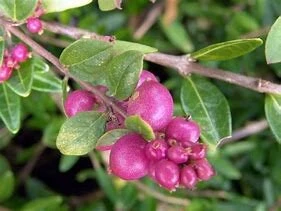
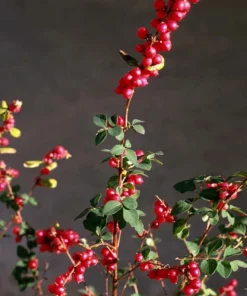
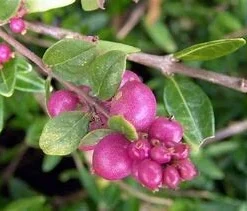
Coral Berry Live Plant – Symphoricarpos orbiculatus Shrub – 1 Gallon Pot
Original price was: $66.99.$46.99Current price is: $46.99.
Bring vibrant color to your garden with a coral berry live plant. This beautiful Symphoricarpos orbiculatus native shrub, rooted in a 1 gallon pot, is known for its persistent, eye-catching pink berries that provide excellent winter interest plants and erosion control.
Estimated arrival
Oct 10
Oct 15 - Oct 17
Oct 20 - Oct 24
Shop With Confidence
30-Day Plant Health Guarantee
Arrives damaged? We’ll replace it free — see our return policy.
Responsive Support
Email us anytime, we reply within 1 business day.
Expert Packaging
Temperature-controlled shipping to protect your plants in transit.
Secure Checkout
Pay safely with Visa, Mastercard, PayPal.
Plant Specifications
-
USDA Hardiness Zone
4-8 -
Soil Type
Neutral to alkaline, well-draining clay or loam soil -
Sunlight Exposure
Partial sun to shade -
Expected Planting Period
Spring or Fall
Overview
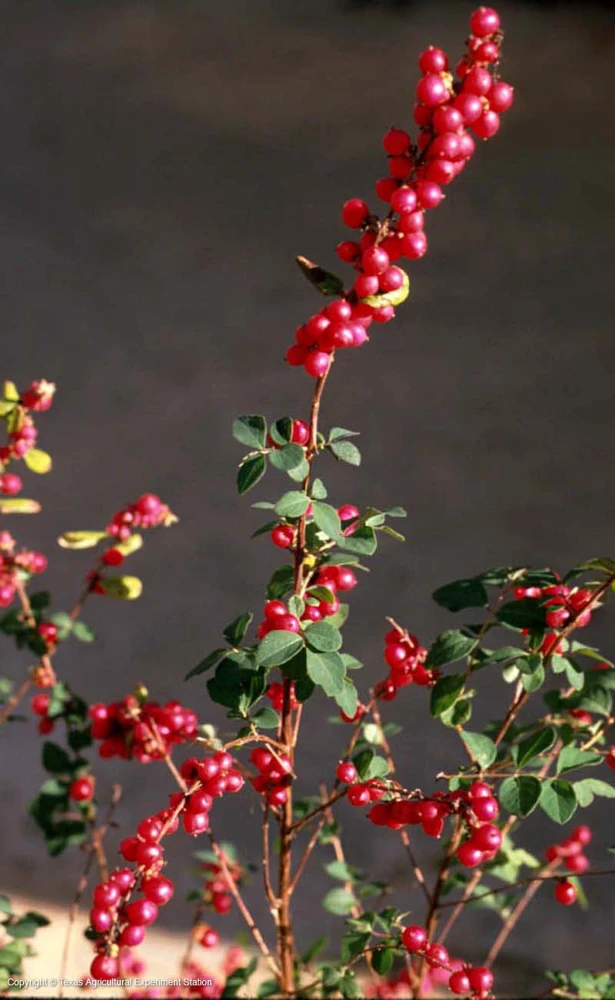
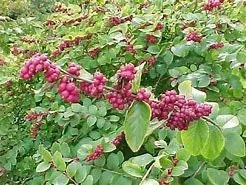
Introduce a splash of vibrant color and ecological benefit to your landscape with the coral berry live plant (Symphoricarpos orbiculatus). This exceptional native shrub is celebrated for its distinctive, long-lasting pink to fuchsia berries that mature in autumn and often persist through winter, providing a crucial food source for birds and stunning visual interest during the colder months. Also known as Indian Currant or Buckbrush, Symphoricarpos orbiculatus is a hardy, deciduous plant that thrives across a wide range of climates, making it a versatile choice for many garden styles. Our coral berry live plant comes well-rooted in a 1 gallon nursery pot, ready to establish quickly in your garden. Its spreading, arching habit makes it an excellent choice for naturalized areas, woodland gardens, or as an effective groundcover for erosion control.
The beauty of this native berry shrub extends beyond its winter berries. In spring and summer, it produces small, inconspicuous greenish-white to pink flowers that are attractive to pollinators. Its green to blue-green leaves provide a pleasant backdrop throughout the growing season and often turn a lovely red in the fall, adding another layer of seasonal appeal. This adaptable plant is perfect for gardeners seeking low-maintenance options that deliver significant aesthetic and ecological value. Whether you’re aiming to enhance wildlife habitats, control soil erosion, or simply enjoy its unique seasonal charm, the Symphoricarpos orbiculatus is a fantastic addition to any outdoor space.
Key Benefits
The coral berry live plant offers a multitude of advantages for both the gardener and the environment, making it a highly desirable addition to diverse landscapes. Its robust nature and striking appearance ensure it stands out in any setting while providing practical benefits.
- Exceptional Winter Interest: The most striking feature of this shrub is its abundant, persistent fuchsia-pink berries that ripen in autumn and remain vibrant throughout winter and into spring. These berries offer a magnificent contrast against new lime-green leaves, providing much-needed color during the dormant season. This makes it an ideal choice for winter interest plants in your garden.
- Native and Wildlife Friendly: As a native berry shrub, Symphoricarpos orbiculatus supports local ecosystems by providing a vital food source for birds and other wildlife, especially when other food sources are scarce. It contributes to biodiversity and creates a natural habitat.
- Effective Erosion Control: With its spreading, arching growth habit and ability to spread by stolons, the coral berry live plant is an excellent groundcover. It helps stabilize soil on slopes and in other areas prone to erosion, making it a practical choice for challenging landscapes.
- Adaptable and Low Maintenance: This hardy shrub is known for its resilience and ability to thrive in various soil types and light conditions, from partial sun to full shade. Once established, it requires minimal care, making it perfect for busy gardeners or those seeking low-effort landscaping solutions.
- Seasonal Foliage Color: Beyond its berries, the green to blue-green mature leaves of the Symphoricarpos orbiculatus transform into attractive shades of red in the fall, adding another layer of seasonal beauty to your garden.
- Versatile Landscape Use: Ideal for woodland gardens, naturalized areas, borders, and as an understory plant. Its unique characteristics make it suitable for a wide range of landscape designs, enhancing both formal and informal settings.
Plant Care & Growing Tips
Caring for your coral berry live plant is straightforward, thanks to its robust and adaptable nature. This plant is well-suited for a variety of conditions, making it a forgiving choice for both novice and experienced gardeners. For optimal growth and berry production, understanding its basic needs is key. The Symphoricarpos orbiculatus prefers partial sun to shade, mimicking its natural woodland understory habitat. While it can tolerate some direct morning sun, intense afternoon sun, especially in warmer climates, may cause stress. Aim for at least 3-6 hours of filtered sunlight or dappled shade daily.
When it comes to watering, the native berry shrub is moderately drought-tolerant once established but performs best with consistent moisture. Water regularly during dry spells, especially during its first year in the ground, to encourage a strong root system. Ensure the soil is well-draining to prevent waterlogging, which can lead to issues like mildew, particularly on heavy clay soils. The Coral Berry thrives in neutral to alkaline soil pH. It is highly heat tolerant and hardy in USDA Zones 4-8. Fertilization is generally not necessary in rich soils, but a balanced slow-release fertilizer can be applied in spring if your soil is poor. For thicker, bushier growth, it can be cut back to the ground in winter, promoting vigorous new growth in spring. Regular pruning can also help maintain its shape and size, and encourage more berry production.
Monitoring your coralberry plant care involves occasional checks for pests or diseases. While generally resistant, it can sometimes experience mildew on very heavy clay or drier limey soils. Ensuring good air circulation and appropriate soil conditions can help mitigate these issues. Overall, this shrub is a resilient and low-maintenance choice that will reward you with its unique beauty and ecological benefits for years to come.
Size & Details
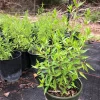
This coral berry live plant is supplied in a standard 1 gallon nursery pot, providing a well-established root system ready for planting. The plant typically reaches a height of 2 to 6 feet at maturity, with a spreading width of up to 2 feet, creating a dense, arching shrub. Its growth rate is moderate, allowing it to establish and fill out within a few seasons. As a deciduous plant, it will shed its leaves in the fall, revealing the stunning clusters of berries that are its hallmark. The plant you receive will be a healthy, actively growing specimen, though its exact size may vary slightly depending on the season and growth cycle. We ensure that all plants are fully rooted in their containers, providing a strong foundation for successful transplanting into your garden.
The small, greenish-white to pink flowers bloom in spring and summer, followed by the distinctive fuchsia-pink, berry-like drupes that are the main attraction. These berries persist through autumn and winter, offering prolonged visual interest. The plant’s ability to spread by stolons makes it an excellent choice for naturalizing areas or for use as a groundcover where its spreading habit is desirable. Its high heat tolerance and adaptability to various soil types (neutral to alkaline) further enhance its appeal as a robust and reliable garden plant. Expect your Symphoricarpos orbiculatus to become a cherished part of your landscape, providing both beauty and ecological value.
Frequently Asked Questions
- Q: How big does this coral berry live plant get? A: This shrub typically grows to a height of 2 to 6 feet and spreads about 2 feet wide. Its mature size can vary depending on growing conditions and whether it’s pruned for a more compact habit.
- Q: Is this an indoor or outdoor plant? A: The Symphoricarpos orbiculatus is an outdoor shrub, best suited for garden beds, naturalized areas, or as an understory plant. It is not recommended for indoor cultivation.
- Q: How much sunlight does the native berry shrub need? A: It prefers partial sun to shade, ideally receiving 3-6 hours of filtered sunlight or dappled shade per day. It can tolerate more sun in cooler climates but may need protection from intense afternoon sun in warmer regions.
- Q: Is this plant easy to care for? A: Yes, the Coral Berry is considered low-maintenance and easy to care for. It’s adaptable to various soil types and light conditions, and once established, it’s quite drought-tolerant. Regular watering during dry spells and optional winter pruning are its main requirements.
- Q: What condition will it arrive in? A: Your coral berry live plant will arrive well-rooted in a 1 gallon nursery pot. We take care to ensure plants are healthy and robust for shipping, though minor leaf drop can sometimes occur during transit.
- Q: When is the best time to plant a coralberry plant care? A: The best time to plant is in spring or fall, allowing the plant to establish its root system before extreme summer heat or winter cold. However, container-grown plants can often be planted successfully throughout the growing season.
- Q: Will it survive winter in my zone? A: Yes, the Coral Berry is very cold hardy and thrives in USDA Hardiness Zones 4 through 8, making it suitable for a wide range of climates and providing excellent winter interest plants.
- Q: What are the berries used for? Are they edible? A: The berries are primarily ornamental and provide food for birds. While not considered toxic, they are generally not consumed by humans and can cause mild digestive upset if ingested in large quantities.
- Q: Can I use this plant for erosion control? A: Absolutely! Its spreading habit and ability to produce stolons make it an excellent choice for stabilizing soil on slopes and preventing erosion.
- Q: What kind of soil does it prefer? A: It is quite adaptable but prefers well-draining soil with a neutral to alkaline pH. It can tolerate clay and loam soils, but ensure good drainage to prevent mildew issues.
Be the first to review “Coral Berry Live Plant – Symphoricarpos orbiculatus Shrub – 1 Gallon Pot”
People Also Viewed
Trees
Mimosa Silk Tree Live Plant – 2 Pink Persian Silk Tree Seedlings 6-10″ Tall in 3.5″ Pots, Outdoor
Reviews
There are no reviews yet.