
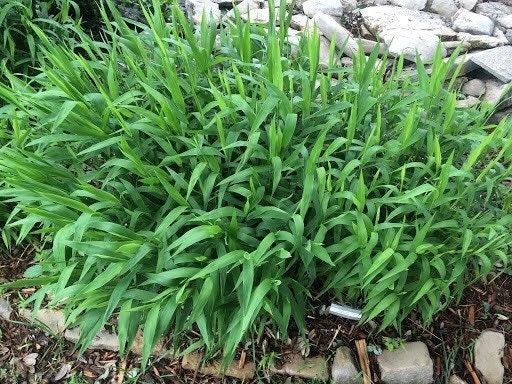
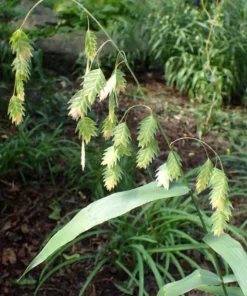
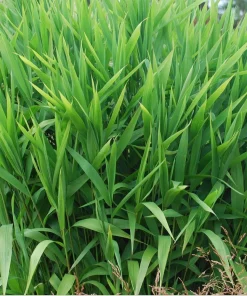
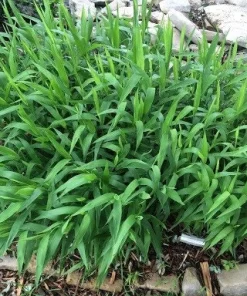
Inland Sea Oats Live Plant – Chasmanthium latifolium Ornamental Grass, 1 Gallon
Original price was: $66.99.$46.99Current price is: $46.99.
Discover the beauty of the inland sea oats live plant, also known as chasmanthium latifolium grass. This attractive ornamental grass for shade is a versatile addition to any garden, offering unique seed heads and lush foliage. Perfect for native plant landscapes and woodland gardens.
Estimated arrival
Oct 10
Oct 15 - Oct 17
Oct 20 - Oct 24
Shop With Confidence
30-Day Plant Health Guarantee
Arrives damaged? We’ll replace it free — see our return policy.
Responsive Support
Email us anytime, we reply within 1 business day.
Expert Packaging
Temperature-controlled shipping to protect your plants in transit.
Secure Checkout
Pay safely with Visa, Mastercard, PayPal.
Plant Specifications
-
USDA Hardiness Zone
USDA zones 3-9 -
Soil Type
Well-draining loamy soil -
Sunlight Exposure
Partial to full shade -
Expected Planting Period
Spring to early fall
Overview
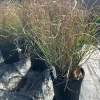
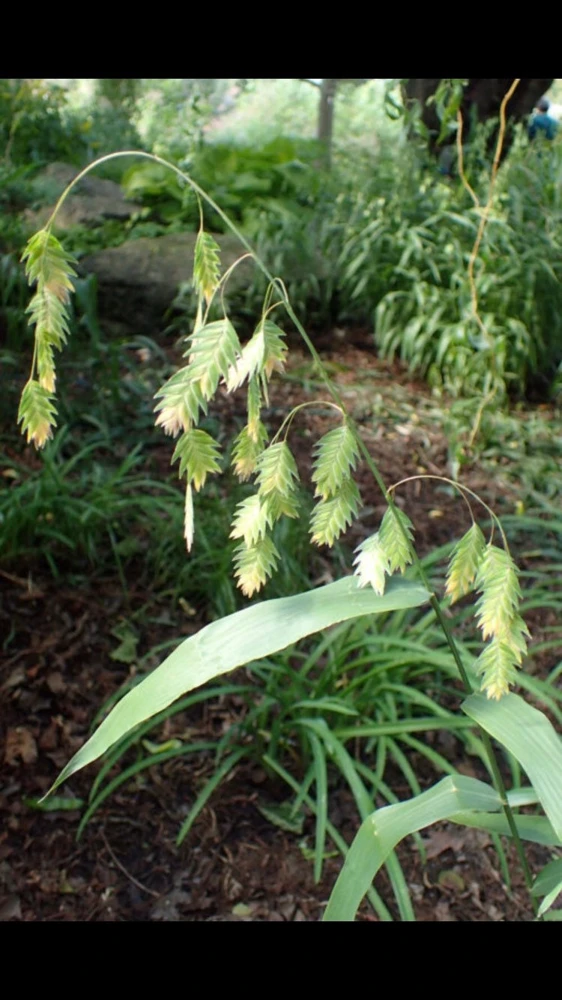
Introduce a touch of natural elegance to your landscape with the inland sea oats live plant. This captivating perennial grass, scientifically known as Chasmanthium latifolium, is a true garden gem. Often referred to by common names such as woodoats, northern sea oats, and river oats, it is celebrated for its distinctive, flattened, oat-like seed heads that shimmer in the breeze, especially in late summer and fall. As a native species to the central and eastern United States, this chasmanthium latifolium grass is well-adapted to various climates and soil types, making it a robust and low-maintenance choice for gardeners. Its graceful foliage and unique seed pods provide year-round interest, offering both visual appeal and a gentle rustling sound that adds to the tranquility of your outdoor space. This inland sea oats live plant is an excellent option for those seeking a unique and resilient ornamental grass.
Our inland sea oats live plant comes fully rooted in a 1 gallon container, ready to be transplanted into your garden. This beautiful ornamental grass grows to an average height of about 3 feet, providing a striking vertical element without overwhelming smaller spaces. Its versatility allows it to thrive in a range of light conditions, making it an ideal ornamental grass for shade gardens, woodland borders, or naturalized areas where it can spread gracefully. The unique seed heads are not only ornamental but also provide food for birds, enhancing the biodiversity of your garden. Embrace the charm and ecological benefits of this wonderful native grass.
Key Benefits
The inland sea oats live plant offers a multitude of benefits, making it a highly desirable addition to diverse garden settings. Its adaptability and aesthetic appeal contribute significantly to creating a vibrant and dynamic landscape.
- Unique Ornamental Appeal: The flattened, oat-like seed heads are the star of this plant, starting green and maturing to a bronze color in fall. They remain attractive through winter, providing continuous visual interest and a gentle rustling sound in the breeze, making this chasmanthium latifolium grass a standout feature.
- Shade Tolerance: Unlike many ornamental grasses that demand full sun, inland sea oats live plant thrives in partial to full shade. This makes it an invaluable choice for planting under trees, in woodland gardens, or on the north side of buildings where other grasses might struggle. It is truly an exceptional ornamental grass for shade.
- Low Maintenance: Once established, this plant requires minimal care. It is drought-tolerant and generally pest and disease-free, reducing the need for constant attention and chemical treatments, allowing you more time to enjoy your garden.
- Native Plant Benefits: As a native species, northern sea oats plant supports local ecosystems. It provides habitat and food for various wildlife, including birds that feed on its seeds, contributing to the biodiversity of your garden.
- Erosion Control: Its strong, fibrous root system helps to stabilize soil, making it an excellent choice for planting on slopes or in areas prone to erosion, effectively holding the soil in place.
- Versatile Landscape Use: Perfect for borders, mass plantings, naturalized areas, and even as a specimen plant, the river oats native grass adapts well to various design schemes. Its upright form and cascading seed heads create a dynamic texture.
- Deer Resistant: Deer typically avoid this grass, which is a significant advantage for gardeners in areas with deer populations, ensuring your plant remains untouched and beautiful.
Plant Care & Growing Tips
Caring for your inland sea oats live plant is relatively straightforward, as this native grass is quite resilient and adaptable. For optimal growth, choose a location that receives partial to full shade. While it can tolerate some morning sun, intense afternoon sun, especially in warmer climates, can scorch its foliage. This makes it an ideal ornamental grass for shade gardens or beneath the dappled light of trees. Ensure good air circulation to prevent fungal issues, particularly in humid environments. The plant’s ability to thrive in varied light conditions makes it a versatile choice for many garden designs.
When it comes to watering, chasmanthium latifolium grass prefers consistently moist soil but can tolerate periods of drought once established. Water deeply a few times a week during dry spells, especially during its first growing season, to encourage a strong root system. Well-draining soil is crucial to prevent root rot; a mix of loamy soil enriched with organic matter is ideal. This inland sea oats live plant is not particularly fussy about soil pH. Fertilization is generally not required, as this native plant thrives on its own. If your soil is particularly poor, a light application of a balanced, slow-release granular fertilizer in early spring can be beneficial. Avoid over-fertilizing, which can lead to excessive, floppy growth.
This hardy northern sea oats plant is generally pest and disease-free. In late winter or early spring, before new growth appears, cut back the old foliage to about 4-6 inches from the ground. This rejuvenates the plant and allows for fresh, vibrant growth. While it’s a clumping grass, it can self-seed readily in ideal conditions, so be prepared to manage volunteer seedlings if you don’t want it to spread. The unique seed heads are best left on the plant through winter for their ornamental value and as a food source for birds. The river oats native grass is a truly low-maintenance addition that offers year-round beauty.
Size & Details
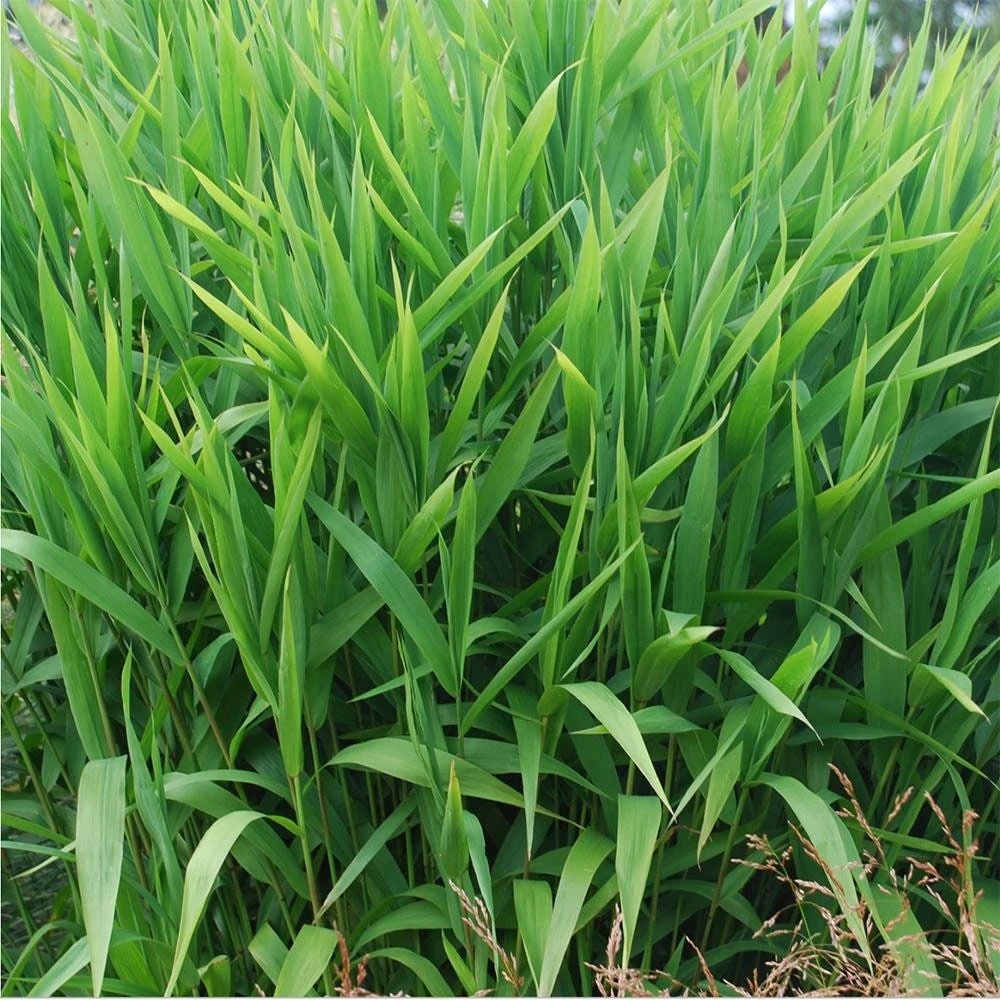
Your inland sea oats live plant will arrive as a healthy, fully rooted specimen in a 1 gallon nursery container. These containers are designed to ensure the plant has established a robust root system, ready for successful transplantation into your garden. The average height of the plants we ship is typically 6-12 inches, though this can vary slightly based on the time of year and growth stage. Once established in your garden, this chasmanthium latifolium grass will grow to a mature height of approximately 2 to 3 feet tall, with a similar spread, forming an attractive clump. The foliage is strap-like and green, turning to a lovely bronze in the fall.
The unique, flattened seed heads, which are the plant’s most distinctive feature, emerge in late summer and persist through winter, adding texture and movement to the landscape. These plants are grown in standard nursery trade pots, which measure approximately 6 inches high and 6 inches in diameter. While these are referred to as 1-gallon containers by industry standards, they typically hold about 0.664 gallons of soil. This ensures the plant has ample space to establish before reaching your garden. Expect a moderate growth rate, with the plant reaching its mature size within 2-3 years after planting. This inland sea oats live plant provides a reliable and beautiful addition to any garden.
Frequently Asked Questions
- Q: How big does this plant get? A: The inland sea oats live plant typically grows to a mature height of about 2 to 3 feet tall with a similar spread, forming an attractive clump. Its size makes it suitable for various garden applications without becoming overwhelming.
- Q: What size pot does it come in? A: Your inland sea oats live plant will arrive rooted in a standard 1-gallon nursery container. This size ensures the plant has a well-developed root system, ready for planting.
- Q: Is this an indoor or outdoor plant? A: This is primarily an outdoor plant. While it can be grown in containers, it thrives best in garden beds, woodlands, or naturalized areas as a resilient ornamental grass for shade.
- Q: How much sunlight does it need? A: Chasmanthium latifolium grass prefers partial to full shade. It can tolerate some morning sun but should be protected from intense afternoon sun, especially in hot climates.
- Q: Is this plant easy to care for? A: Yes, the inland sea oats live plant is considered very easy to care for. It is drought-tolerant once established, generally pest-free, and requires minimal maintenance, making it good for beginners.
- Q: What condition will it arrive in? A: Your plant will arrive as a healthy, fully rooted specimen in its nursery container, carefully packed to minimize stress during transit. We ensure the plant is inspected for quality before shipping.
- Q: When is the best time to plant? A: The best time to plant northern sea oats plant is in spring or early fall, allowing the roots to establish before extreme temperatures. However, container-grown plants can often be planted throughout the growing season.
- Q: Will it survive winter in my zone? A: River oats native grass is hardy in USDA zones 3-9. It is quite cold-tolerant and will typically die back to the ground in winter, re-emerging vigorously in spring.
- Q: Does this plant attract wildlife? A: Yes, the seeds of the inland sea oats live plant are a food source for birds, and the plant provides cover, contributing to local wildlife and ecosystem health.
- Q: Can I use it in a container? A: While it is primarily a landscape plant, chasmanthium latifolium grass can be grown in large containers, provided it has adequate drainage and is watered regularly. Ensure the container is large enough to accommodate its root system.
Be the first to review “Inland Sea Oats Live Plant – Chasmanthium latifolium Ornamental Grass, 1 Gallon”
People Also Viewed
Flower Seeds
Shrubs
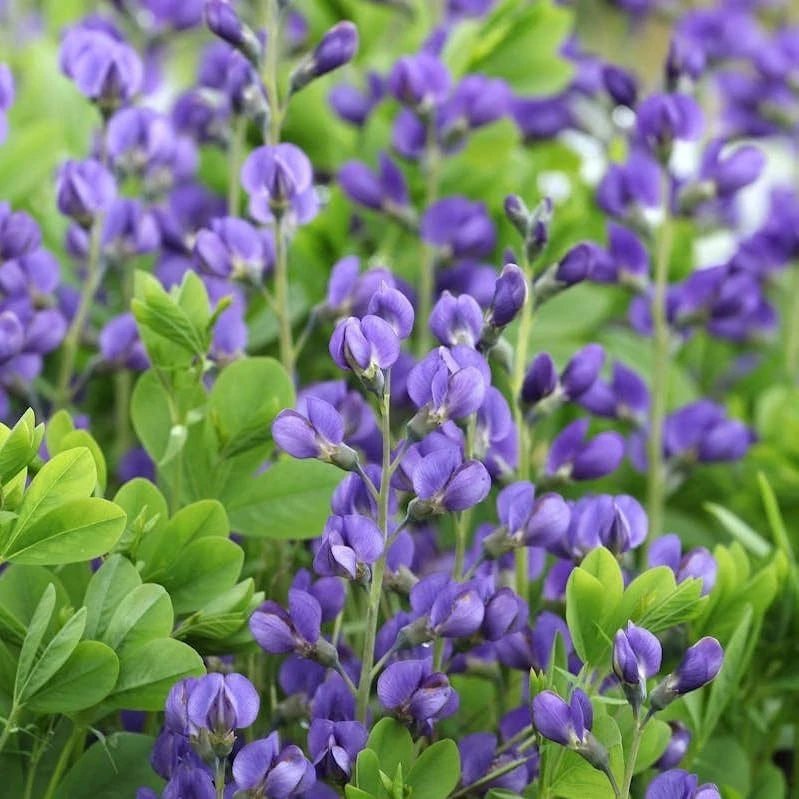
Blue False Indigo Live Plant – 2 Bush Set – 10-16″ Tall – Wild Indigo Perennial Shrub – Outdoor
Houseplants
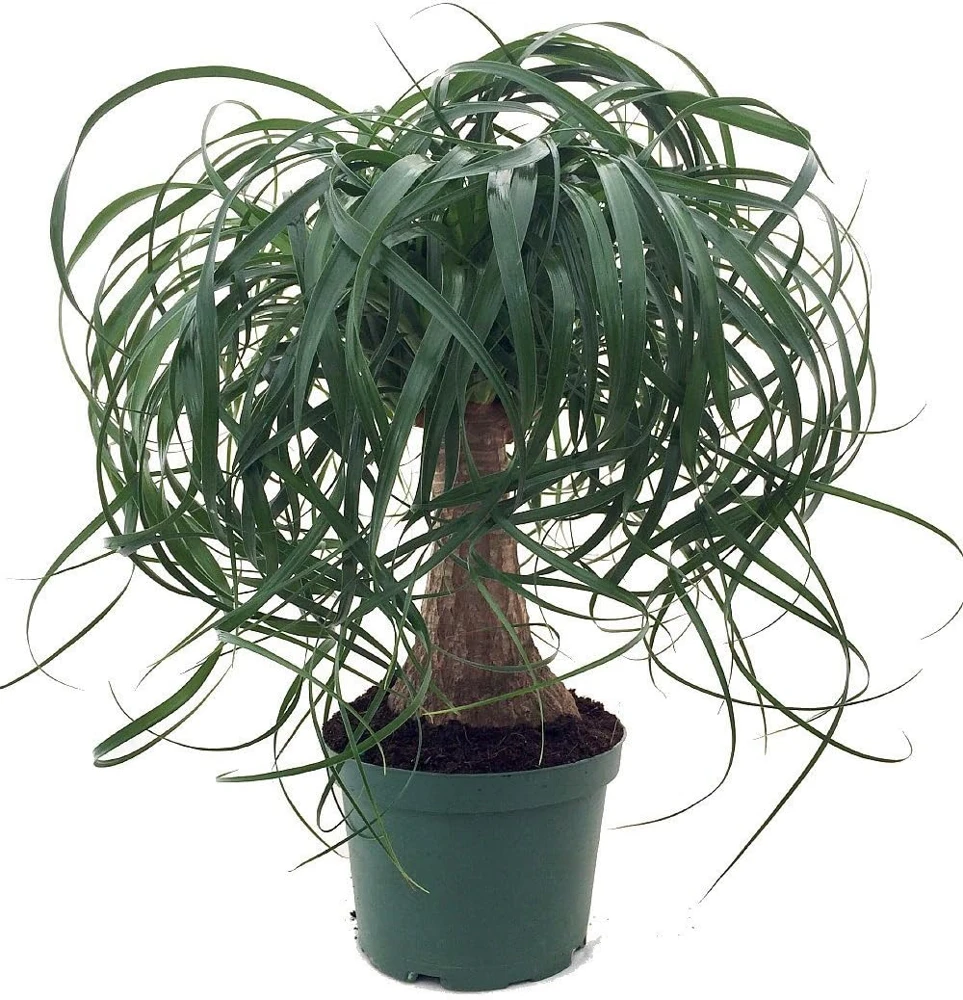
Guatemalan Red Ponytail Palm Live Plant – Beaucarnea guatemalensis – 6″ Pot – Indoor/Outdoor

Reviews
There are no reviews yet.