

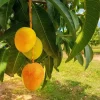
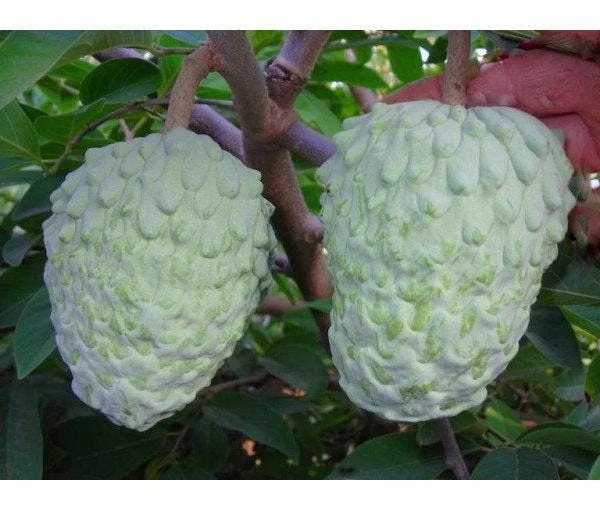
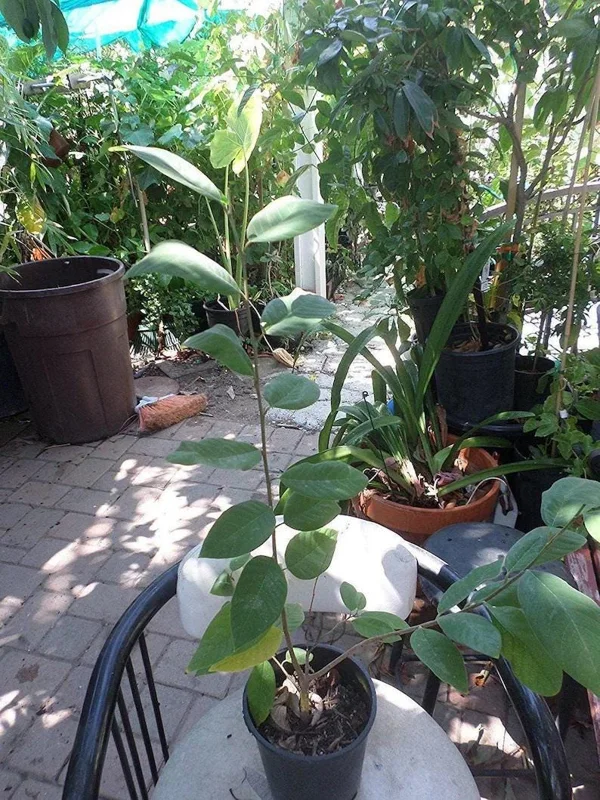
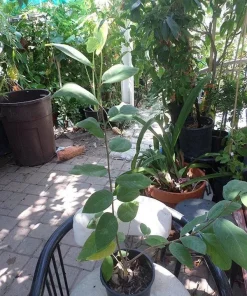
Atemoya AP2 Grafted Tree – Live Fruit Plant – 2 to 3 Feet Tall – 3 Gallon Pot
$163.76
Cultivate your own exotic fruit with this healthy atemoya AP2 grafted tree, standing 2 to 3 feet tall and shipped in a 3 gallon pot. Known for its delicious, creamy fruit, this tropical plant is perfect for enjoying fresh from your garden. Grafted for faster fruiting and improved vigor.
Estimated arrival
Sep 14
Sep 19 - Sep 21
Sep 24 - Sep 28
Shop With Confidence
30-Day Plant Health Guarantee
Arrives damaged? We’ll replace it free — see our return policy.
Responsive Support
Email us anytime, we reply within 1 business day.
Expert Packaging
Temperature-controlled shipping to protect your plants in transit.
Secure Checkout
Pay safely with Visa, Mastercard, PayPal.
Plant Specifications
-
USDA Hardiness Zone
USDA Zones 9-11 -
Soil Type
Well-draining, rich, loamy sandy soil -
Sunlight Exposure
Full sun (6-8 hours direct sunlight) -
Expected Planting Period
Spring to early summer
Overview
Bring the taste of the tropics to your home with the exquisite atemoya AP2 grafted tree. This exceptional variety is a hybrid of cherimoya and sugar apple, renowned for its sweet, custardy flesh and unique flavor profile. Our live plant is carefully grafted to ensure robust growth and earlier fruit production, offering you the joy of harvesting your own exotic fruit. Standing at a healthy 2 to 3 feet tall and shipped in a 3 gallon pot, this plant is ready to thrive in your garden or a suitable container. The Atemoya AP2 is a prized selection among fruit enthusiasts, celebrated for its consistent quality and delectable taste. Whether you’re an experienced gardener or just starting, growing an atemoya AP2 grafted tree promises a rewarding culinary adventure.
The atemoya fruit is a true delight, offering a creamy texture similar to custard, with hints of pineapple, mango, and vanilla. It’s a nutritious treat, rich in vitamins and minerals. This particular ‘AP2’ cultivar is known for its excellent fruit quality and adaptability, making it a fantastic choice for home growers. By choosing a grafted tree, you bypass the longer waiting period associated with seed-grown plants, bringing you closer to enjoying your first harvest. Experience the satisfaction of cultivating this magnificent tropical fruit right in your own space.
Key Benefits
The atemoya AP2 grafted tree offers numerous advantages, from its delicious fruit to its ornamental appeal. Here are some of the key benefits you’ll enjoy when you choose to grow this remarkable plant:
- Delicious, Exotic Fruit: Enjoy the unique, sweet, and creamy flavor of atemoya fruit, a delightful blend of cherimoya and sugar apple. Perfect for fresh consumption, smoothies, or desserts, providing a tropical treat.
- Faster Fruiting: As a grafted tree, it will produce fruit much sooner than a seed-grown plant, allowing you to enjoy harvests in a shorter timeframe. This ensures a quicker return on your gardening efforts.
- Robust Growth and Vigor: Grafting promotes stronger, healthier growth and better disease resistance, ensuring your atemoya fruit plant establishes well and thrives. This technique enhances the plant’s overall resilience.
- Beautiful Ornamental Value: With its lush green foliage and attractive form, the atemoya AP2 grafted tree adds a touch of tropical elegance to any garden or patio space. It creates a visually appealing focal point.
- Nutrient-Rich Harvest: Atemoya fruit is packed with essential vitamins and minerals, offering a healthy and delicious addition to your diet. It’s a natural source of antioxidants and dietary fiber.
- Adaptable to Containers: While it can be planted in the ground in warm climates, this tree also performs exceptionally well when you grow atemoya in pots, making it suitable for patios or indoor growing in cooler regions.
- Unique Flavor Profile: The AP2 variety is particularly celebrated for its superior taste, offering a complex and satisfying tropical flavor that stands out from other fruit trees. It’s a true connoisseur’s choice.
Plant Care & Growing Tips
Caring for your atemoya AP2 grafted tree is straightforward with the right approach, ensuring a bountiful harvest of delicious fruit. This tropical plant thrives in warm, humid conditions. When considering atemoya tree care, sunlight is paramount. Provide at least 6-8 hours of direct sunlight per day. In very hot climates, some afternoon shade can prevent leaf scorch, especially for younger plants. If growing indoors, place it near a south-facing window or use supplemental grow lights to ensure adequate light exposure.
Watering is crucial, particularly during the growing season. Keep the soil consistently moist but never waterlogged. Allow the top inch or two of soil to dry out slightly before watering again. Reduce watering during cooler, dormant periods. Well-draining soil is essential to prevent root rot; a rich, loamy sandy soil with good organic matter content is ideal. You can use a high-quality potting mix blended with perlite or coarse sand if you grow atemoya in pots. Fertilize your atemoya tree every 2-3 months during the growing season (spring through fall) with a balanced, slow-release fertilizer or one specifically formulated for tropical fruit trees. Reduce fertilization in winter.
Atemoyas are sensitive to cold temperatures. They are best suited for USDA Zones 9-11. If you live in a colder zone, container growing is recommended so the plant can be moved indoors during winter. Protect young trees from frost. Pruning should be done to maintain shape, remove dead or diseased branches, and encourage fruit production. Light pruning after harvest is generally sufficient. Watch out for common pests like aphids or mealybugs and treat them with organic insecticidal soap if necessary. Proper atemoya tree care will reward you with years of delicious fruit.
Size & Details
This atemoya AP2 grafted tree is a live, healthy plant that stands approximately 2 to 3 feet tall upon arrival, providing a substantial head start for your home orchard. It is shipped securely in a 3 gallon pot, complete with a well-established root system, which minimizes transplant shock and promotes vigorous growth. Atemoya trees typically grow to a height of 15-20 feet in the ground if left unpruned, but can be maintained at a smaller, more manageable size through regular pruning, especially when grown in containers. The growth rate is moderate, allowing you to enjoy fruit within 2-4 years of planting, thanks to the grafting process.
The ‘AP2’ variety is known for its excellent fruit size and quality. The fruit typically matures in late summer to fall, offering a delightful harvest. Each tree is carefully selected and nurtured to ensure it meets our high standards before being shipped directly from our garden to yours. This particular cherimoya sugar apple hybrid is a fantastic investment for anyone looking to cultivate unique and delicious tropical fruit.
Frequently Asked Questions
- Q: How big will this atemoya AP2 grafted tree get? A: In optimal conditions, an atemoya tree can reach 15-20 feet tall. However, it can be kept smaller through regular pruning, especially if you grow atemoya in pots, making it suitable for various garden sizes and container growing.
- Q: Is this an indoor or outdoor plant? A: The atemoya AP2 grafted tree is a tropical plant best grown outdoors in USDA Zones 9-11. In colder zones, it thrives as a container plant that should be brought indoors during winter to protect it from frost.
- Q: How much sunlight does the atemoya tree need? A: This tree requires at least 6-8 hours of direct sunlight daily for optimal growth and fruit production. In extremely hot climates, some afternoon shade can be beneficial to prevent leaf burn.
- Q: What condition will the atemoya AP2 grafted tree arrive in? A: Your atemoya fruit plant will arrive as a live, healthy specimen, 2 to 3 feet tall, rooted in a 3 gallon pot. It will be carefully packaged to ensure its safe journey and minimal stress during transit.
- Q: How long until this grafted atemoya tree produces fruit? A: Due to being a grafted tree, you can generally expect your first harvest within 2-4 years after planting, significantly faster than seed-grown trees.
- Q: Is this cherimoya sugar apple hybrid easy to care for? A: With proper sunlight, consistent watering, and protection from frost, atemoya tree care is relatively straightforward. It’s a rewarding plant for gardeners willing to provide its specific tropical needs.
- Q: What kind of soil is best for growing atemoya? A: Atemoya trees prefer well-draining, rich, loamy sandy soil with a slightly acidic to neutral pH. If growing in a pot, use a high-quality potting mix amended with perlite for excellent drainage.
- Q: What is the minimum temperature an atemoya tree can tolerate? A: Atemoya trees are tender tropicals and are generally sensitive to temperatures below 30°F (-1°C). They should be protected from frost and moved indoors if temperatures are expected to drop below freezing.
- Q: When is the best time to plant an atemoya tree? A: The best time to plant is in spring or early summer after all danger of frost has passed, allowing the tree ample time to establish before cooler weather.
- Q: How often should I fertilize my atemoya AP2 grafted tree? A: Fertilize your atemoya fruit plant every 2-3 months during the active growing season (spring through fall) with a balanced fertilizer formulated for tropical fruit trees, following the product’s instructions.
Be the first to review “Atemoya AP2 Grafted Tree – Live Fruit Plant – 2 to 3 Feet Tall – 3 Gallon Pot”
People Also Viewed

Uncategorized
Reviews
There are no reviews yet.