
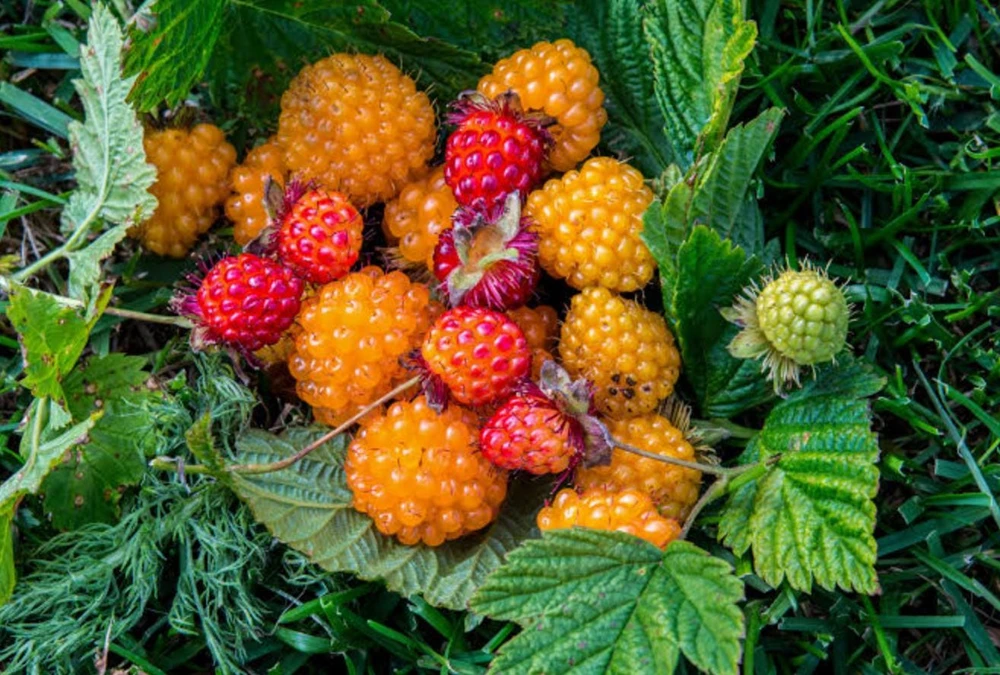
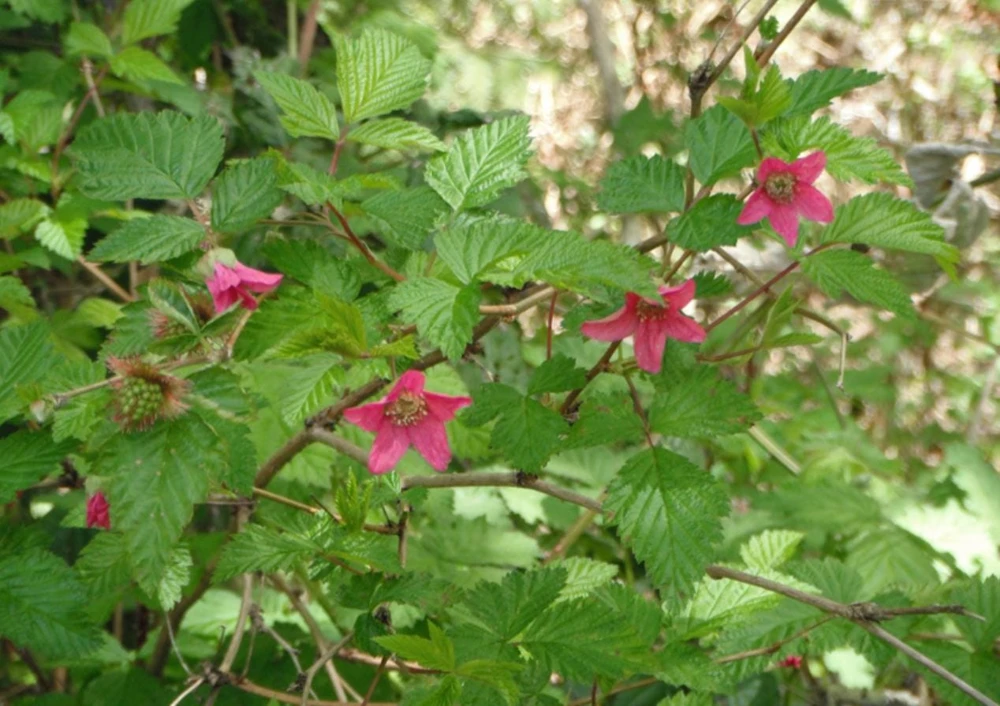
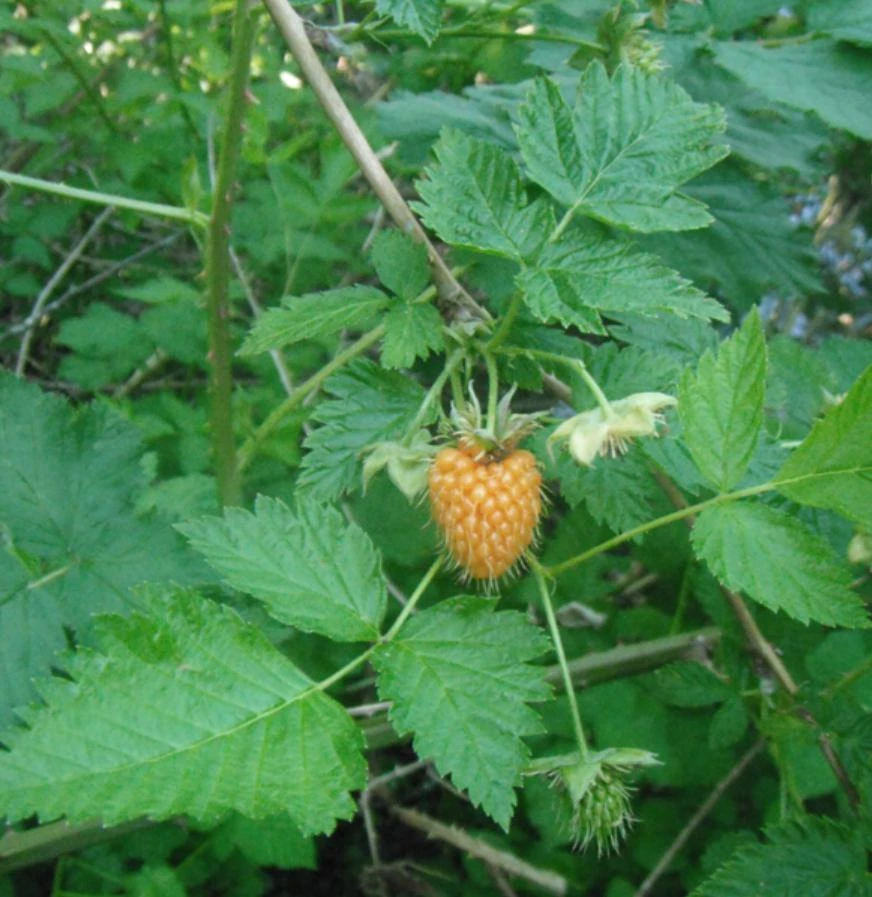
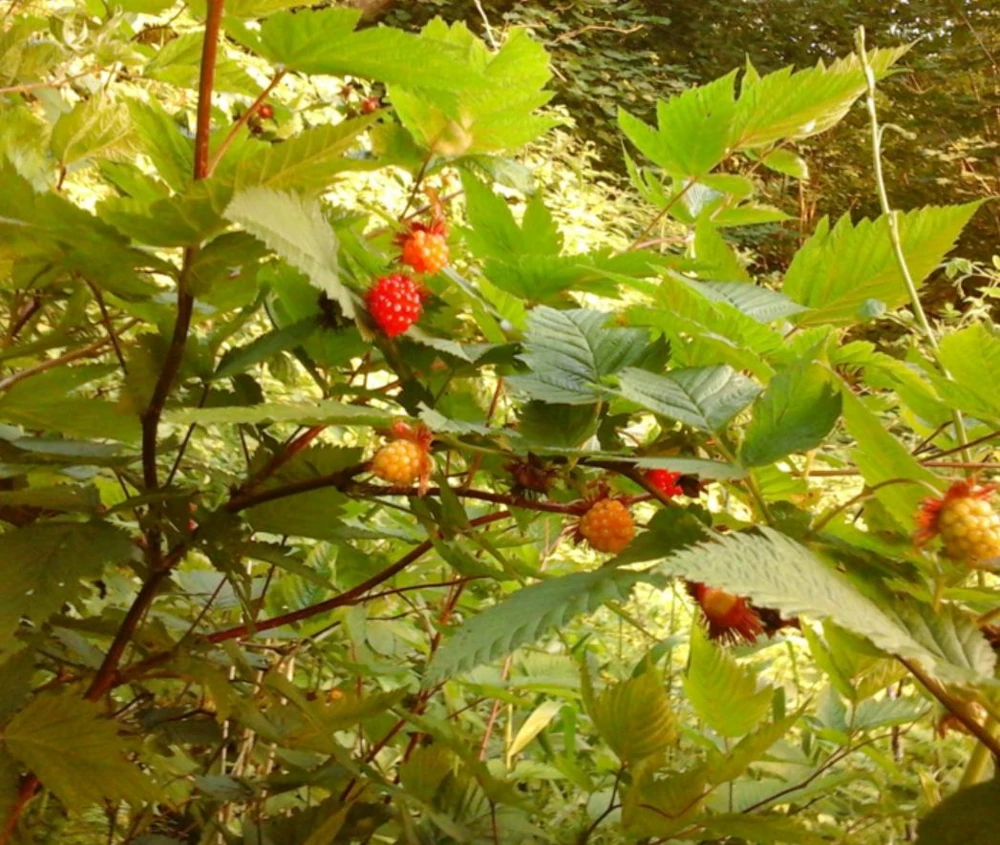
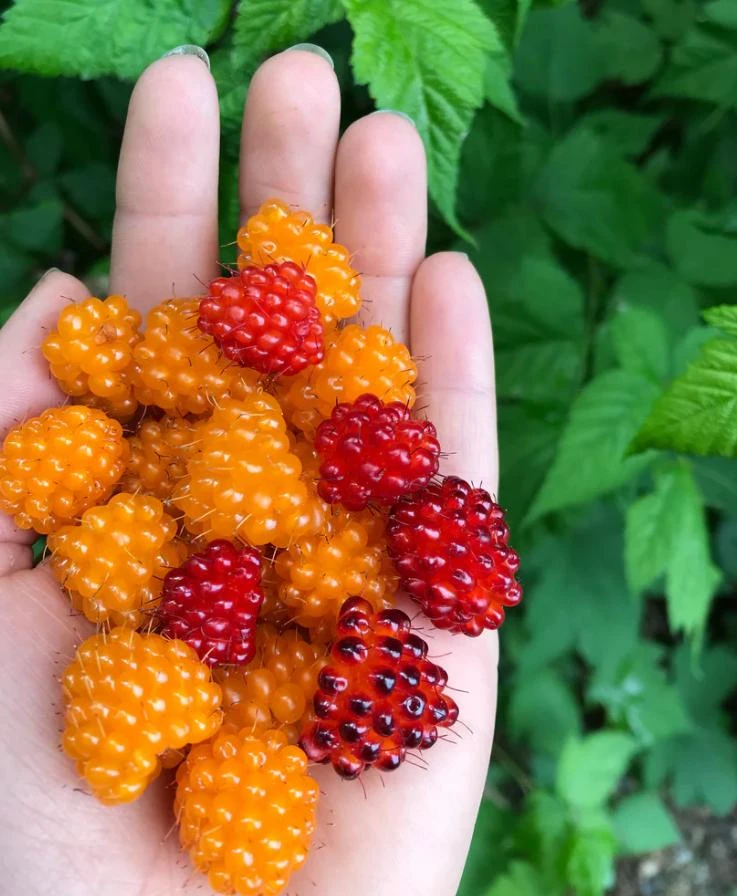
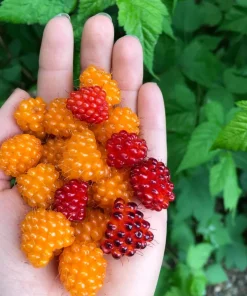
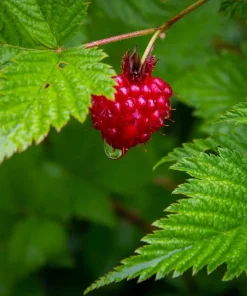
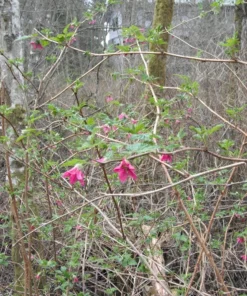
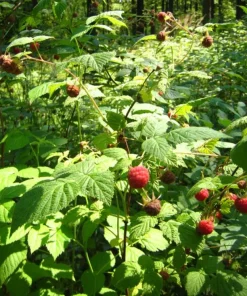
Live Salmonberry Plant – Rubus spectabilis – Deciduous Native Berry Shrub – Edible Orange-Red Berries
Original price was: $56.99.$36.99Current price is: $36.99.
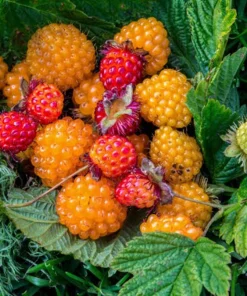
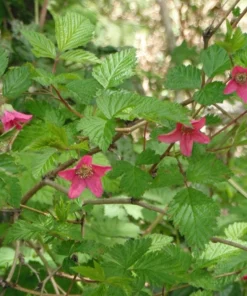
Bring home a salmonberry live plant (Rubus spectabilis), a beautiful deciduous native berry shrub. Enjoy vibrant pink spring blooms and delicious orange to red berries. This wildlife-friendly plant thrives in various landscapes, offering both ornamental beauty and edible fruit. Perfect for hedgerows and naturalized gardens.
Estimated arrival
Sep 29
Oct 04 - Oct 06
Oct 09 - Oct 13
Shop With Confidence
30-Day Plant Health Guarantee
Arrives damaged? We’ll replace it free — see our return policy.
Responsive Support
Email us anytime, we reply within 1 business day.
Expert Packaging
Temperature-controlled shipping to protect your plants in transit.
Secure Checkout
Pay safely with Visa, Mastercard, PayPal.
Plant Specifications
-
USDA Hardiness Zone
USDA zones 4-9 -
Soil Type
Rich, moist, well-draining soil with organic matter -
Sunlight Exposure
Full sun to partial shade -
Expected Planting Period
Spring to early fall
Overview
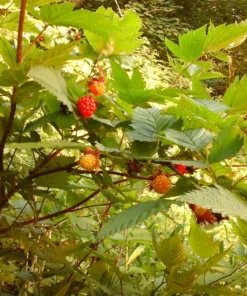
Cultivate a unique and beneficial addition to your landscape with this salmonberry live plant. Known botanically as Rubus spectabilis, the Salmonberry is a vigorous deciduous native berry shrub celebrated for its vibrant pink spring flowers and delicious orange to red berries that appear during the growing season. This resilient plant not only adds significant ornamental value to your garden but also provides a vital food source for local wildlife. Originating from western North America, the Salmonberry is perfectly adapted to woodland edges, naturalized gardens, and moist landscape areas, making it an excellent choice for those looking to enhance biodiversity and enjoy homegrown fruit. Its upright, arching canes create an attractive form, suitable for various garden designs.
Choosing a salmonberry live plant means investing in a resilient and rewarding species. This plant is a fantastic option for gardeners who appreciate native flora and desire a low-maintenance, fruit-bearing shrub. The Salmonberry’s early spring blooms are a welcome sight, signaling the end of winter, and its subsequent berries offer a delightful treat that can be enjoyed fresh or used in jams and jellies. It’s a robust plant that quickly establishes itself, contributing to a healthy ecosystem by providing shelter and food for birds and other small animals.
Key Benefits
Adding a salmonberry live plant to your garden offers a multitude of advantages, blending aesthetic appeal with practical benefits. This native shrub is a fantastic choice for supporting local ecosystems and enjoying fresh, edible berries right from your backyard.
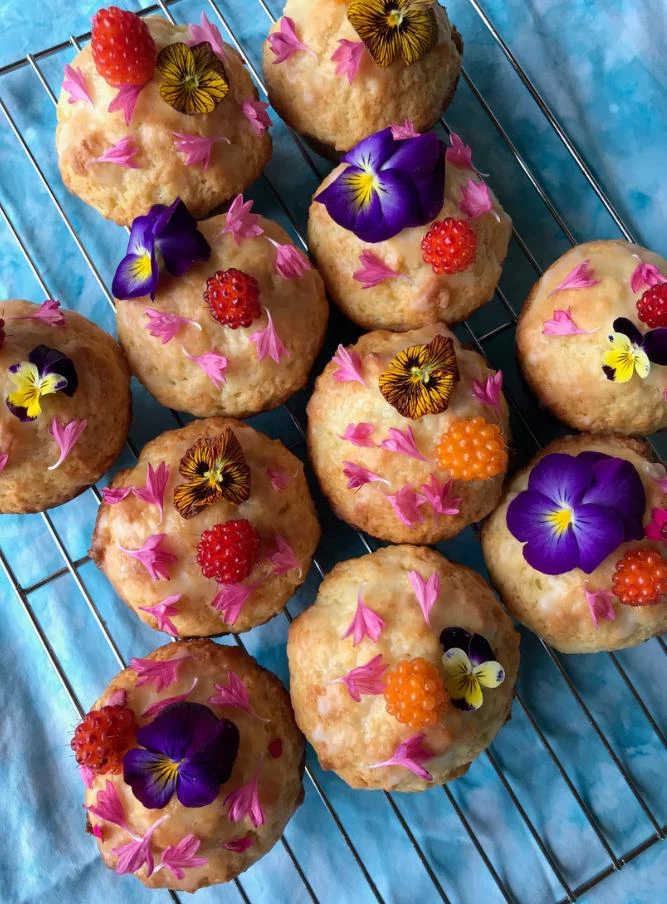
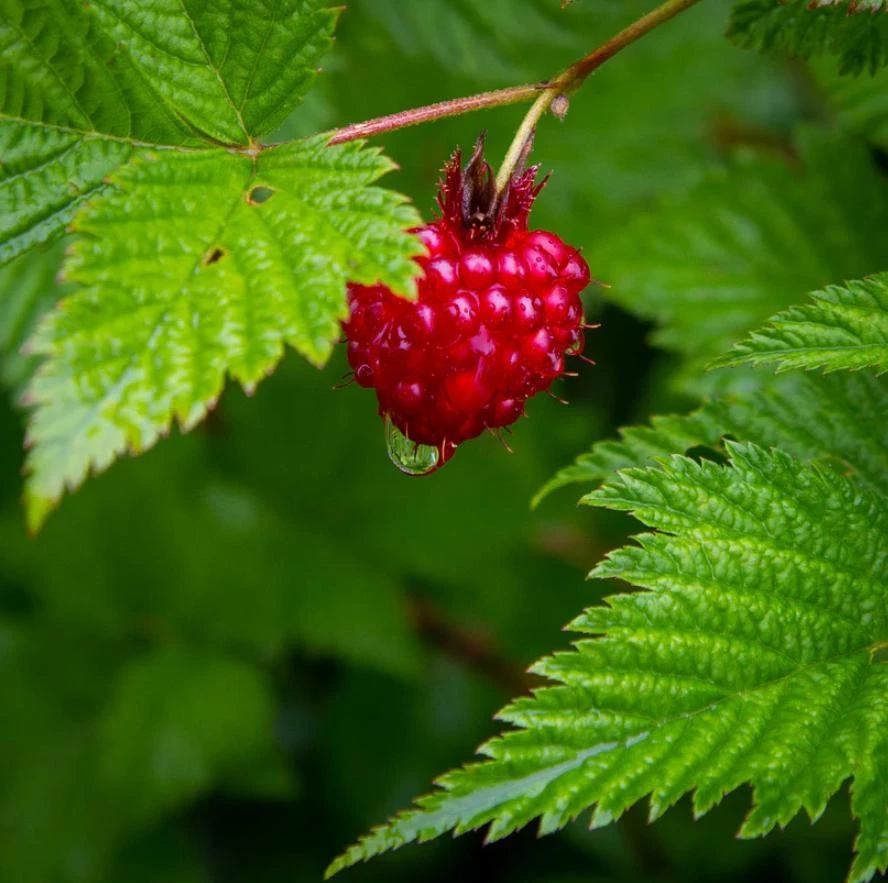
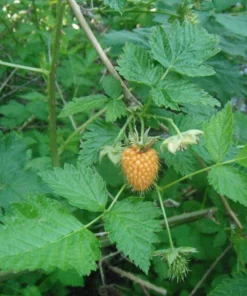
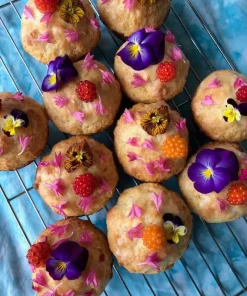
- Edible & Delicious Berries: Enjoy a bounty of sweet and slightly tart orange to red berries from late spring to mid-summer. These berries are perfect for fresh eating, baking, jams, or jellies, offering a unique flavor profile often compared to raspberries.
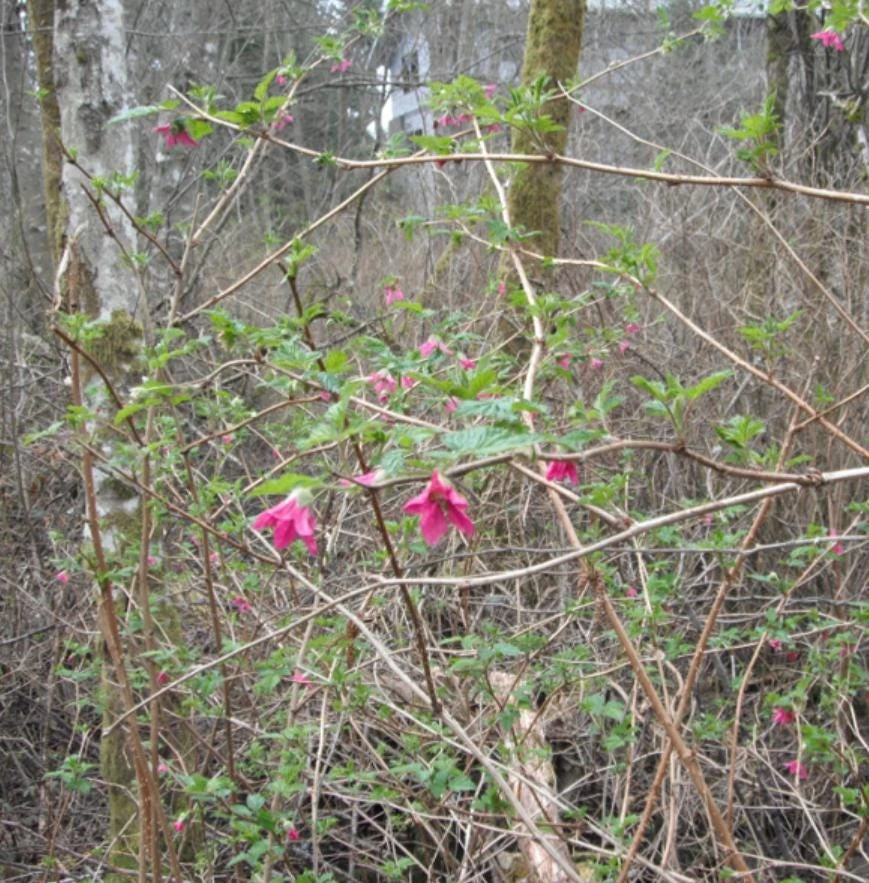
- Vibrant Spring Blooms: The plant produces showy, bright pink to magenta flowers in early spring, providing an early source of nectar for pollinators and adding a splash of color to your garden when little else is blooming.
- Attracts Wildlife: Salmonberry is a magnet for birds, bees, and other beneficial insects, making it an excellent choice for creating a wildlife-friendly habitat. The berries provide sustenance, and the dense foliage offers shelter.
- Native & Adaptable: As a native species (Rubus spectabilis plant), it is well-suited to local climates and soils, requiring less intervention once established. It thrives in various conditions, from full sun to partial shade.
- Low Maintenance: Once established, the Salmonberry is relatively low-maintenance, tolerating a range of soil types and requiring minimal care beyond occasional pruning. It’s a robust and vigorous grower.
- Erosion Control: Its extensive root system makes it an excellent plant for stabilizing soil on slopes and preventing erosion, particularly in moist areas.
- Year-Round Interest: From its striking spring flowers and summer berries to its arching canes providing winter structure, the edible salmonberry offers visual interest throughout the seasons.
Plant Care & Growing Tips
Ensuring the success of your salmonberry live plant involves understanding its specific needs, especially during establishment. This hardy native shrub is generally forgiving, but optimal conditions will lead to the best fruit production and plant vigor. When considering salmonberry plant care, focus on providing adequate moisture and appropriate sunlight.
For planting, choose a location that receives full sun to partial shade. While it can tolerate some shade, more sunlight generally leads to a more abundant harvest of edible salmonberry. The plant prefers rich, moist, and well-draining soil with ample organic matter. Prepare the planting site by amending the soil with compost to improve fertility and drainage. Dig a hole twice as wide as the nursery pot and just as deep, ensuring the plant’s crown is level with the surrounding soil. Water thoroughly after planting to settle the soil around the roots.
Watering is crucial, particularly during the establishment phase and dry periods. Salmonberry naturally thrives in moist environments, so consistent moisture is key. Avoid letting the soil dry out completely. Once established, it becomes more drought-tolerant but will still benefit from irrigation during extended dry spells. Apply a balanced fertilizer in early spring to support vigorous growth and fruit development. Pruning should be done after fruiting or in late winter to remove old, unproductive canes and maintain the plant’s structure and health. This Rubus spectabilis plant is cold-hardy, typically requiring no special winter protection in most climates within its native range. Monitor for common pests and diseases, though native plants are often more resistant. Addressing any issues promptly will ensure your native berry shrub remains healthy and productive.
Size & Details
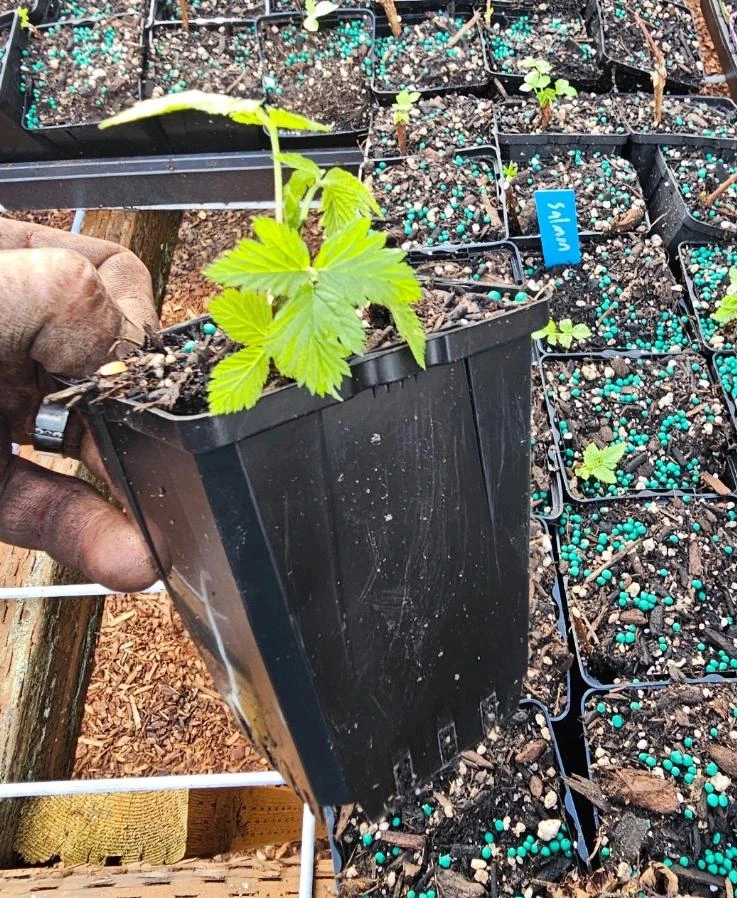
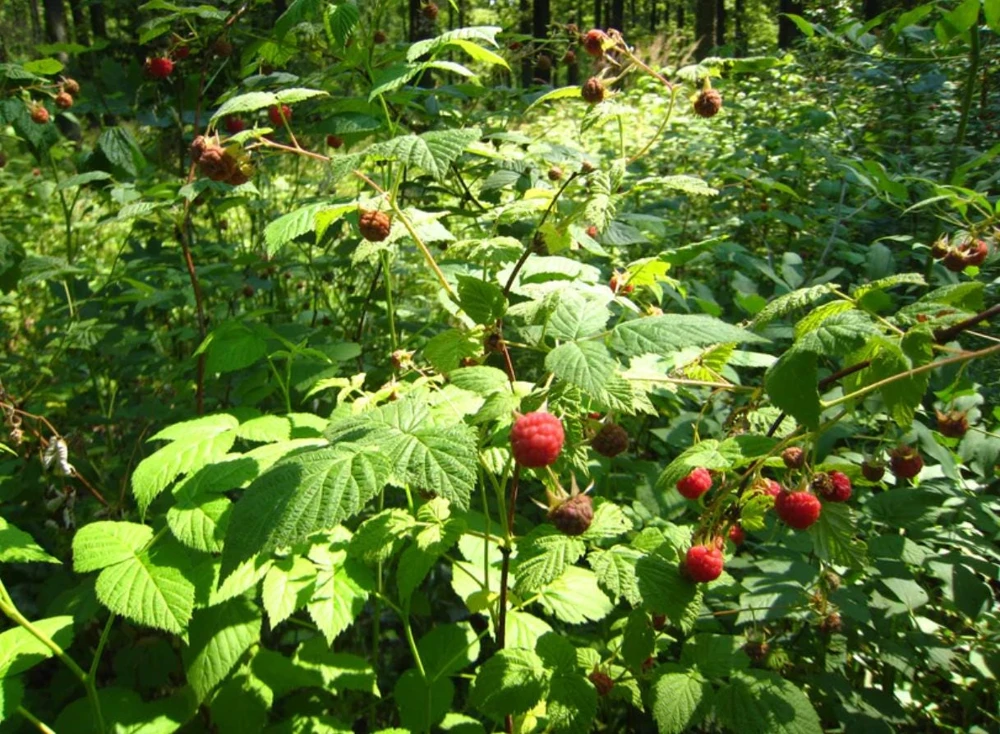
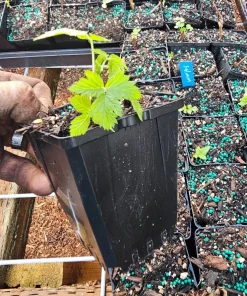
This offering is for one salmonberry live plant, shipped as a medium starter plant in a standard nursery pot. The exact pot size may vary based on availability, but it is chosen to ensure a well-developed root system suitable for transplanting. While images may depict mature plants, your shipped plant will be a smaller, young specimen, ready to establish itself in your garden. The plant’s height at shipping is an approximate estimate, as root development is the primary indicator for pot sizing. This deciduous perennial shrub exhibits a vigorous growth habit, with upright, arching canes that can reach several feet in height and spread once mature. Expect pink spring blooms and the development of edible salmonberry fruits in the growing season. The plant is suitable for long-term enjoyment and will grow into a substantial native berry shrub over time, providing both aesthetic appeal and a valuable food source.
Frequently Asked Questions
- Q: How big does this plant get? A: A salmonberry live plant typically grows into a medium-sized shrub, reaching heights of 5-10 feet with a similar spread. Its arching canes create a dense, attractive form once mature.
- Q: What size pot does it come in? A: The plant is shipped as a medium starter plant in a standard nursery pot. The exact pot size may vary but is selected based on the root system’s development, not necessarily the plant’s height.
- Q: Is this an indoor or outdoor plant? A: Salmonberry (Rubus spectabilis plant) is an outdoor native shrub. It thrives in garden settings, woodland edges, and naturalized landscapes, and is not suitable for indoor cultivation.
- Q: How much sunlight does it need? A: This plant prefers full sun to partial shade. For the best fruit production, aim for at least 6 hours of direct sunlight per day, though it can tolerate shadier conditions.
- Q: Is this plant easy to care for? A: Yes, once established, the salmonberry live plant is considered relatively easy to care for, especially since it is a native species adapted to local conditions. It requires consistent moisture, especially when young.
- Q: What condition will it arrive in? A: Your plant will arrive as a young, live specimen in a nursery pot. It will be carefully packaged to ensure it reaches you in good health, though some variation in size and appearance is normal.
- Q: Can I eat the berries from this plant? A: Absolutely! The Salmonberry produces delicious orange to red berries that are perfectly safe and enjoyable to eat fresh or used in various culinary applications. It’s a true edible salmonberry.
- Q: When is the best time to plant? A: The best time to plant your native berry shrub is in spring or early fall, allowing the plant sufficient time to establish its root system before extreme temperatures.
- Q: Will it survive winter in my zone? A: Salmonberry is a cold-hardy native shrub, typically thriving in USDA zones 4-9. It does not require special winter protection in most climates within these zones.
- Q: What kind of soil does it prefer? A: It prefers rich, moist, and well-draining soil with a good amount of organic matter. Amending your garden soil with compost will provide ideal growing conditions for your salmonberry plant care.
Be the first to review “Live Salmonberry Plant – Rubus spectabilis – Deciduous Native Berry Shrub – Edible Orange-Red Berries”
People Also Viewed
Vegetable Seeds
Green Tint Bush Scallop Squash Seeds – 20 Summer Vegetable Seeds
Uncategorized
Organic Banana Gran Nain Musa Live Starter Plant Ships in Pot, Banana Tree, Tropical Fruit Plant
Reviews
There are no reviews yet.