
Thimbleberry Live Plant – 3-4″ Tall – 4″ Pot – Native Berry Shrub – Shade-Fruit
Original price was: $81.99.$61.99Current price is: $61.99.
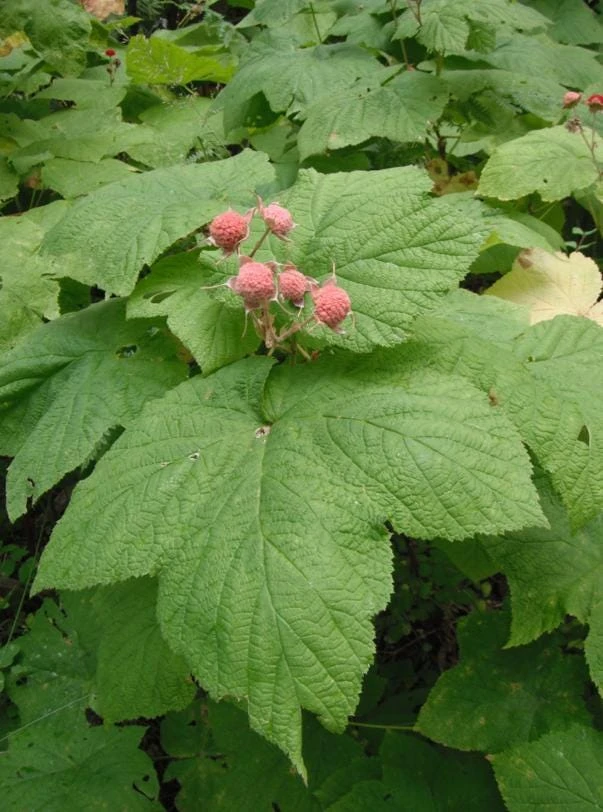
Bring home a thimbleberry live plant, a unique native berry shrub perfect for shaded areas. This 3-4″ tall plant comes in a 4″ pot, ready to grow. Enjoy soft, red edible berries and attractive maple-like foliage from this resilient native berry shrub.
Estimated arrival
Sep 29
Oct 04 - Oct 06
Oct 09 - Oct 13
Shop With Confidence
30-Day Plant Health Guarantee
Arrives damaged? We’ll replace it free — see our return policy.
Responsive Support
Email us anytime, we reply within 1 business day.
Expert Packaging
Temperature-controlled shipping to protect your plants in transit.
Secure Checkout
Pay safely with Visa, Mastercard, PayPal.
Plant Specifications
-
USDA Hardiness Zone
USDA Zones 3-9 -
Soil Type
Well-draining, rich, organic, loamy soil -
Sunlight Exposure
Partial to full shade -
Expected Planting Period
Spring to early fall
Overview
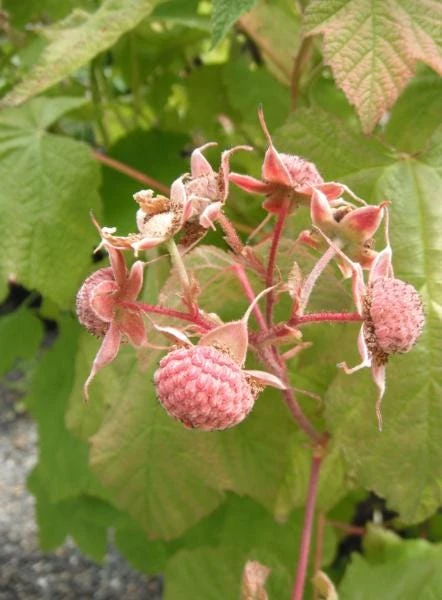
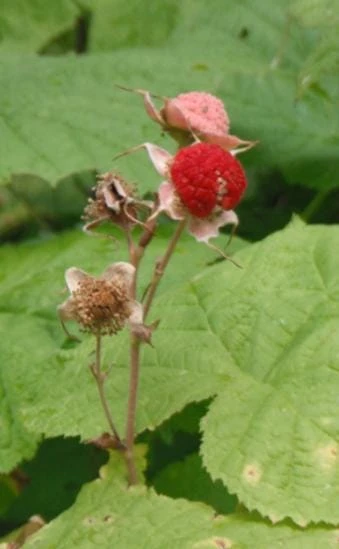
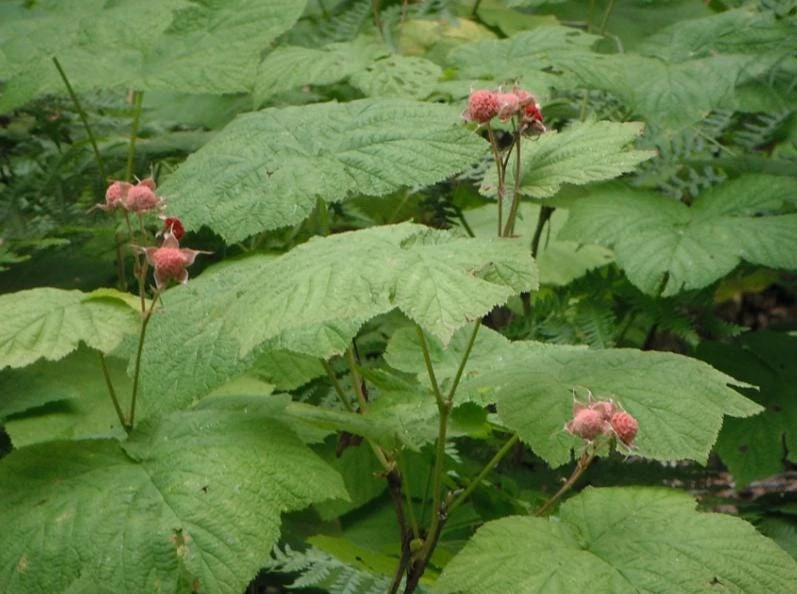
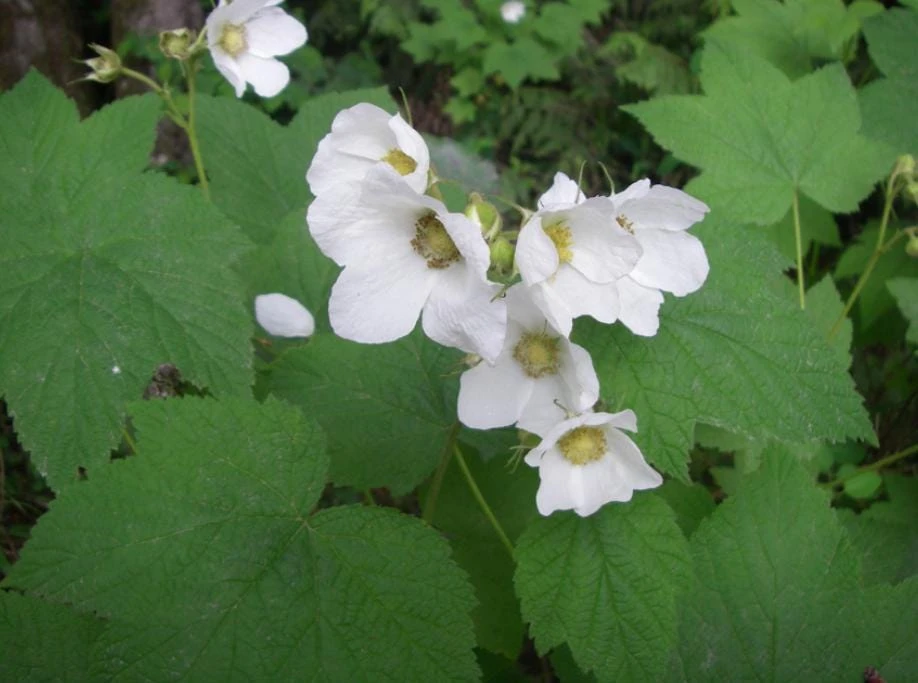
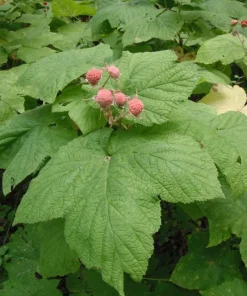
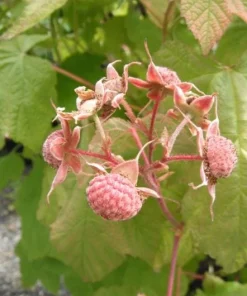
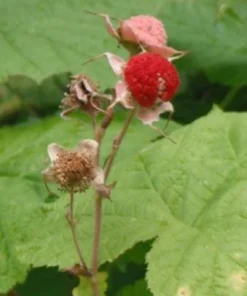
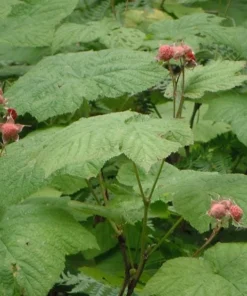
Introduce a touch of wild beauty and delicious flavor to your garden with the thimbleberry live plant. This robust and charming native berry shrub (Rubus parviflorus) is celebrated for its soft, red, edible berries, which resemble raspberries but offer a unique, slightly tart flavor. Unlike many berry plants, the thimbleberry live plant thrives in shadier conditions, making it an excellent choice for woodland gardens, underplanting, or areas that receive dappled sunlight. Its large, velvety, maple-like leaves provide a lush, textural backdrop throughout the growing season, turning attractive shades in autumn. Known for its adaptability and low maintenance, this plant is a fantastic addition for both novice and experienced gardeners looking to cultivate a native, productive, and ornamental species. Each plant is carefully grown and shipped at 3-4 inches tall in a 4-inch pot, ensuring a healthy start in your garden.
The thimbleberry live plant is not just a source of delicious fruit; it also plays a vital role in local ecosystems. Its flowers attract pollinators like bees and butterflies, while its berries provide food for birds and other wildlife. This makes it an ideal choice for creating a wildlife-friendly garden or enhancing biodiversity. Its spreading habit can also help with erosion control on slopes or in naturalized areas. Embrace the charm of this shade-loving, fruit-bearing shrub and enjoy the bounty it brings to your outdoor space.
Key Benefits
The thimbleberry live plant offers a multitude of advantages for any garden. From its delicious fruit to its ecological contributions, this native shrub is a truly rewarding addition.
- Delicious Edible Berries: Enjoy soft, red berries with a unique, sweet-tart flavor, perfect for fresh eating, jams, or desserts. A true taste of the wild straight from your garden.
- Shade Tolerance: Thrives in partial to full shade, making it an ideal choice for planting in areas where other berry plants might struggle, such as under trees or on the north side of a building. This also makes it an excellent shade-fruit plant.
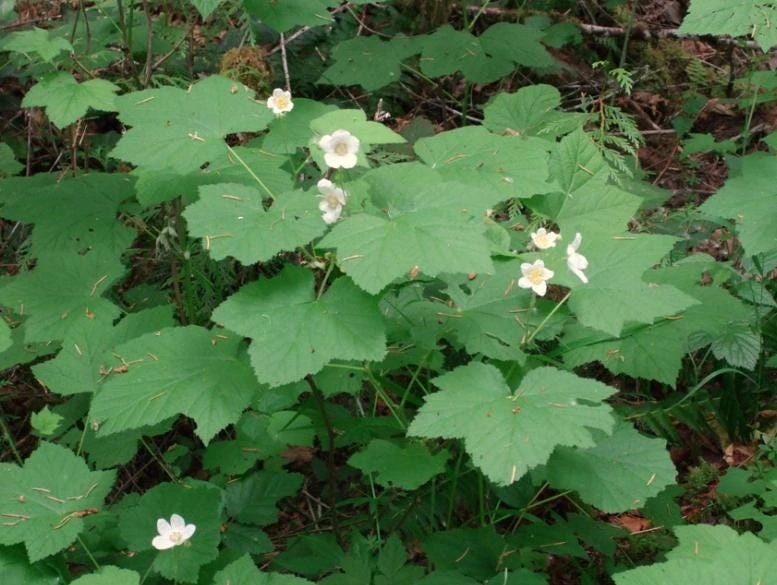
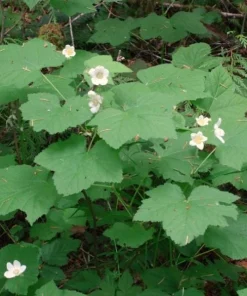
- Attractive Foliage: Features large, velvety, maple-like leaves that add significant ornamental value to your landscape. The lush green foliage provides a beautiful backdrop and texture.
- Native Plant Benefits: As a native berry shrub, it supports local ecosystems by providing food for pollinators and wildlife, contributing to biodiversity and ecological balance.
- Low Maintenance: Once established, thimbleberry plants are remarkably resilient and require minimal care, making them suitable for busy gardeners or those new to planting.
- Erosion Control: Its spreading growth habit makes it effective for stabilizing soil on slopes or in naturalized areas, preventing erosion and maintaining soil health.
- Adaptable & Hardy: Tolerates a range of soil types and conditions, demonstrating good cold hardiness and resistance to common pests and diseases.
Plant Care & Growing Tips
Caring for your thimbleberry live plant is relatively straightforward, especially given its native resilience. To ensure optimal growth and fruit production, understanding its basic needs is key. Thimbleberries prefer a location with partial to full shade, receiving about 2-6 hours of direct sun per day, or dappled light throughout the day. While they can tolerate more sun in cooler climates, too much intense afternoon sun can scorch their leaves, especially in hotter regions. Good air circulation is also beneficial to prevent fungal issues.
Watering should be consistent, especially during dry spells and in the plant’s first year of establishment. Aim to keep the soil consistently moist but not waterlogged. Well-draining soil is crucial; thimbleberries thrive in rich, organic, loamy soils. Amending heavy clay soils with compost or peat moss can improve drainage and provide essential nutrients. They are adaptable to a range of soil pH, typically preferring slightly acidic to neutral conditions (pH 6.0-7.0).
The thimbleberry live plant is quite hardy and generally doesn’t require heavy fertilization. A light application of a balanced, slow-release organic fertilizer in early spring can be beneficial, especially if your soil is poor. Pruning is mainly for maintenance: remove dead, damaged, or weak canes in late winter or early spring. You can also thin out older canes to encourage new growth and better air circulation. While generally pest-resistant, keep an eye out for common berry plant issues like aphids or powdery mildew, which can usually be managed with organic sprays or improved air circulation. Understanding proper thimbleberry care will lead to a thriving and productive plant.
Size & Details
This offering is for one thimbleberry live plant, shipped at an approximate height of 3-4 inches from the soil line. Each plant comes pre-potted in a 4-inch nursery pot, providing a healthy root system ready for transplanting into your garden or a larger container. Thimbleberries are moderate growers, typically reaching a mature height of 3-6 feet and spreading 4-8 feet wide, forming a dense thicket over time. They are known for their fast establishment and can begin producing berries within 1-2 years of planting, with peak production occurring on second-year canes. The plant will be carefully packaged to ensure it arrives in excellent condition, ready to be planted.
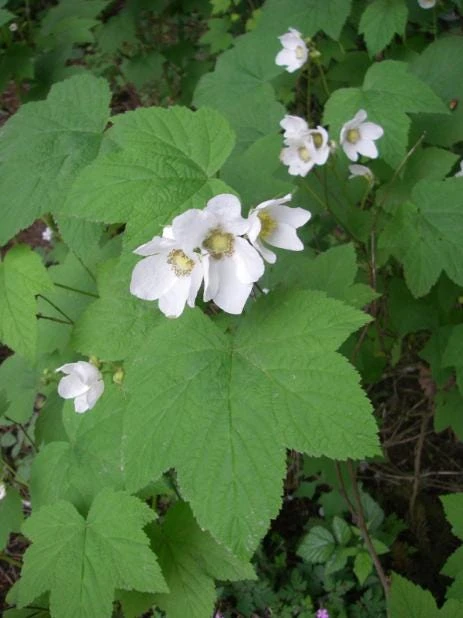
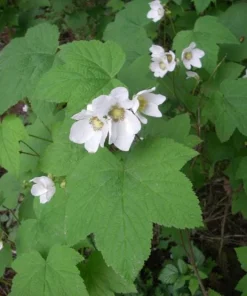
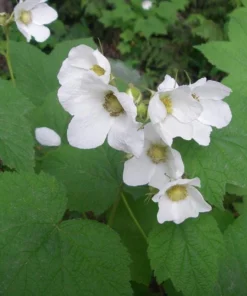
As a native berry shrub, its growth rate and size can vary slightly depending on local conditions, including soil fertility, sunlight exposure, and available moisture. Expect the plant to fill out and expand its footprint over several seasons, creating a naturalized look. It is a deciduous shrub, meaning it will lose its leaves in winter and regrow them in spring, followed by white, rose-like flowers in late spring to early summer, and then the delightful red berries in mid-summer.
Frequently Asked Questions
- Q: How big does this plant get? A: This thimbleberry live plant typically grows to a mature height of 3-6 feet and can spread 4-8 feet wide, forming a dense clump over time. Its size depends on growing conditions and available space.
- Q: What size pot does it come in? A: Each thimbleberry live plant is shipped in a 4-inch nursery pot, ensuring the roots are well-established for successful transplanting.
- Q: Is this an indoor or outdoor plant? A: The thimbleberry live plant is an outdoor plant, best suited for gardens and naturalized areas. It is a hardy native shrub that thrives in temperate climates.
- Q: How much sunlight does it need? A: This plant prefers partial to full shade, meaning it needs 2-6 hours of direct sun per day or dappled light. It’s an excellent shade-fruit plant.
- Q: Is this plant easy to care for? A: Yes, once established, the thimbleberry live plant is considered low-maintenance. It’s a resilient native berry shrub that tolerates a range of conditions.
- Q: What condition will it arrive in? A: Your plant will arrive healthy and well-packaged, ready for planting. We take great care to protect the plant during transit to ensure its vitality.
- Q: How long until it produces berries? A: Your thimbleberry plant can start producing berries within 1-2 years of planting, with production increasing as the plant matures. Berries typically form on second-year canes.
- Q: What’s the best time to plant a thimbleberry? A: The best time to plant your thimbleberry is in spring after the last frost, or in early fall before the ground freezes, allowing it to establish before extreme temperatures.
- Q: Will it survive winter in my zone? A: Thimbleberries are very cold hardy. They are typically hardy in USDA Zones 3-9, meaning they can withstand significant winter temperatures in most regions of the US.
- Q: Can I grow this plant in a container? A: While thimbleberries prefer to spread in the ground, they can be grown in large containers (e.g., 10-15 gallons) with good drainage, especially if you manage their size with pruning.
Be the first to review “Thimbleberry Live Plant – 3-4″ Tall – 4″ Pot – Native Berry Shrub – Shade-Fruit”
People Also Viewed

Reviews
There are no reviews yet.