

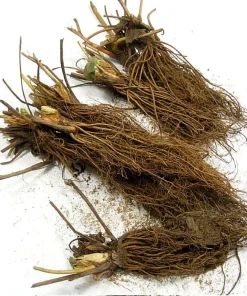
White Carolina Pineberry Plants – 10 Bareroot – Everbearing Strawberry
Original price was: $46.99.$36.99Current price is: $36.99.
Grow your own delicious white carolina pineberry plants with this pack of 10 bare root plants. Enjoy the unique pineapple-strawberry flavor from these everbearing varieties, suitable for indoor or outdoor cultivation.
Estimated arrival
Sep 29
Oct 04 - Oct 06
Oct 09 - Oct 13
Shop With Confidence
30-Day Plant Health Guarantee
Arrives damaged? We’ll replace it free — see our return policy.
Responsive Support
Email us anytime, we reply within 1 business day.
Expert Packaging
Temperature-controlled shipping to protect your plants in transit.
Secure Checkout
Pay safely with Visa, Mastercard, PayPal.
Plant Specifications
-
USDA Hardiness Zone
USDA Zones 4-8 -
Soil Type
Well-draining, slightly acidic to neutral soil (pH 5.5-6.5) -
Sunlight Exposure
Full sun to partial shade -
Expected Planting Period
Spring to early summer
Overview
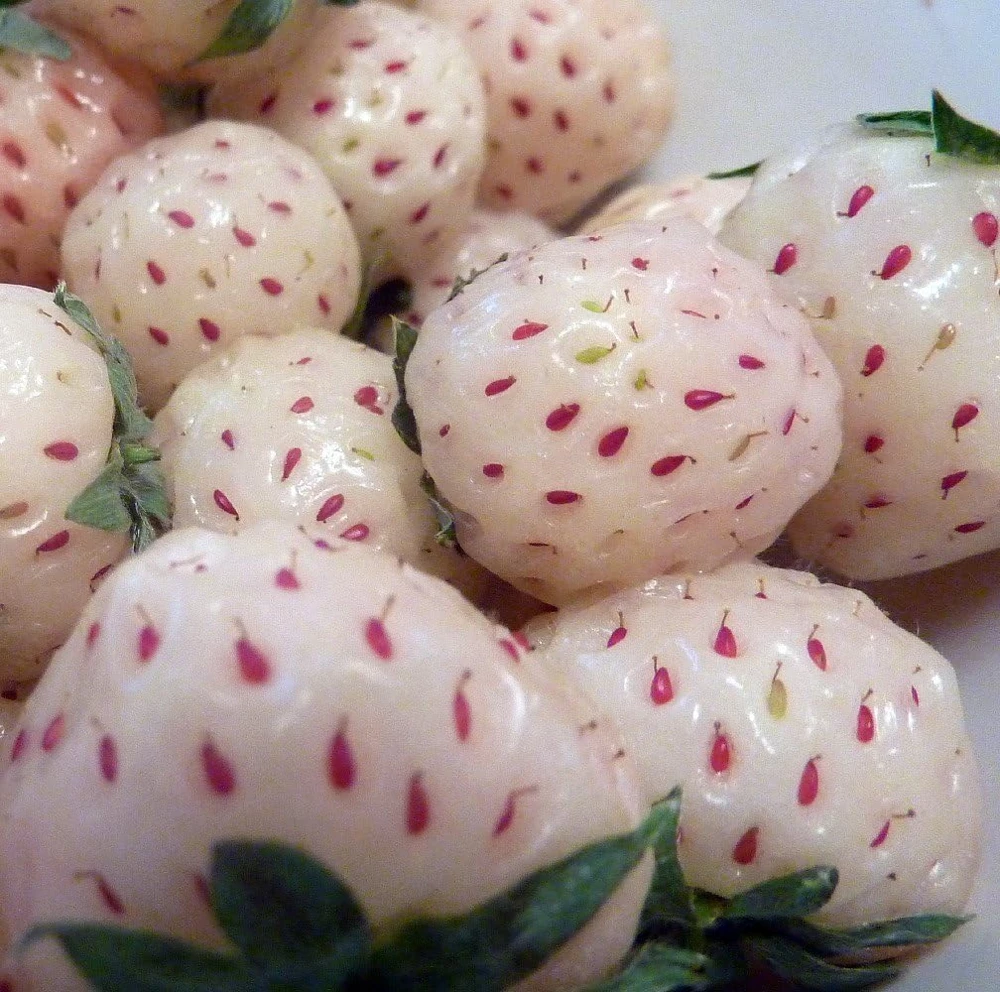
Introduce a delightful and unusual fruit to your garden with these white carolina pineberry plants. This offering includes 10 bare root plants, ready to be established in your garden or containers. Often referred to as “pineapple strawberries” due to their distinct flavor profile, these berries are a true conversation starter. Originating from a cross between a wild South American strawberry and a North American strawberry, pineberries offer a unique culinary experience. Unlike traditional red strawberries, these varieties produce creamy white fruits ornately speckled with vibrant red seeds, making them as beautiful to look at as they are delicious to eat. Their vigorous growth habit and ability to send out numerous runners ensure a bountiful harvest. Whether you’re an experienced gardener or a curious beginner, growing your own pineberry plants for sale is a rewarding endeavor that promises fresh, exotic flavors right at your fingertips.
These white carolina pineberry plants are an excellent choice for anyone looking to diversify their edible landscape. They are a live plant product, shipped as bare roots, which allows for easy establishment and strong growth once planted. The unique flavor, combined with their striking appearance, makes them a favorite among gourmet gardeners and fruit enthusiasts. Don’t miss the opportunity to cultivate this rare and delicious fruit in your own home or garden.
Key Benefits
These white carolina pineberry plants offer a multitude of benefits that make them a fantastic addition to any garden or patio. Their unique characteristics provide both aesthetic appeal and a delightful culinary experience. Cultivating an everbearing pineberry means you can enjoy fresh fruit over an extended season.
- Unique Pineapple-Strawberry Flavor: Experience a truly distinctive taste that combines the sweetness of a strawberry with a pleasant, mild pineapple aroma. This unusual flavor profile sets pineberries apart from common strawberry varieties.
- Everbearing Production: These plants are everbearing, meaning they produce fruit continuously throughout the growing season, providing a steady supply of fresh berries from spring until fall.
- Vigorous Growth and Runners: The plants are vigorous growers and readily send out numerous runners, allowing you to easily expand your pineberry patch or share with friends.
- Striking Appearance: The berries are white with bright red seeds, offering a beautiful contrast that makes them an attractive addition to desserts, salads, or as a garnish. They are slightly larger than many other pineberry varieties.
- Versatile Planting Options: Suitable for growing both indoors in containers or outdoors in garden beds, providing flexibility for various gardening setups.
- Excellent for Fresh Eating: The outstanding aroma and pleasant flavor make these pineberries ideal for eating fresh, straight from the plant. They are also wonderful in jams, pies, and other culinary creations.
- Hardy and Resilient: These plants are hardy in USDA Zones 4-8, demonstrating good resilience to a range of climates, making them accessible to many gardeners looking to grow pineberries.
Plant Care & Growing Tips
Caring for your white carolina pineberry plants is straightforward, ensuring a successful harvest of their delicious fruits. When planting your 10 bare root pineberry plants, choose a location with well-draining soil. Pineberries thrive in a slightly acidic to neutral soil pH (5.5-6.5). Amend heavy clay soils with organic matter like compost to improve drainage and aeration. For container growing, use a high-quality potting mix designed for fruits or vegetables. Proper soil preparation is key to establishing strong, healthy plants.
Sunlight is crucial for optimal fruit production. These everbearing pineberry plants prefer full sun, meaning at least 6-8 hours of direct sunlight per day. However, in regions with intense summer heat, providing some afternoon shade can help prevent the fruits from developing too much pinkish hue and protect the plants from scorching. Regular watering is essential, especially during dry spells and when the plants are fruiting. Keep the soil consistently moist but not waterlogged. Fertilize with a balanced organic fertilizer in early spring and again mid-season to support continuous fruiting. Protect plants from extreme cold in winter by mulching heavily in colder zones or bringing containers indoors.
Pineberries are hardy in USDA Zones 4-8. In colder zones, ensure adequate winter protection, such as a thick layer of straw mulch over the plants. Monitor for common strawberry pests and diseases, although pineberries tend to be relatively robust. Removing runners can encourage the mother plant to put more energy into fruit production, though allowing some runners will help propagate new plants. With proper care, your pineapple strawberry plant will provide abundant harvests of its unique and flavorful berries.
Size & Details
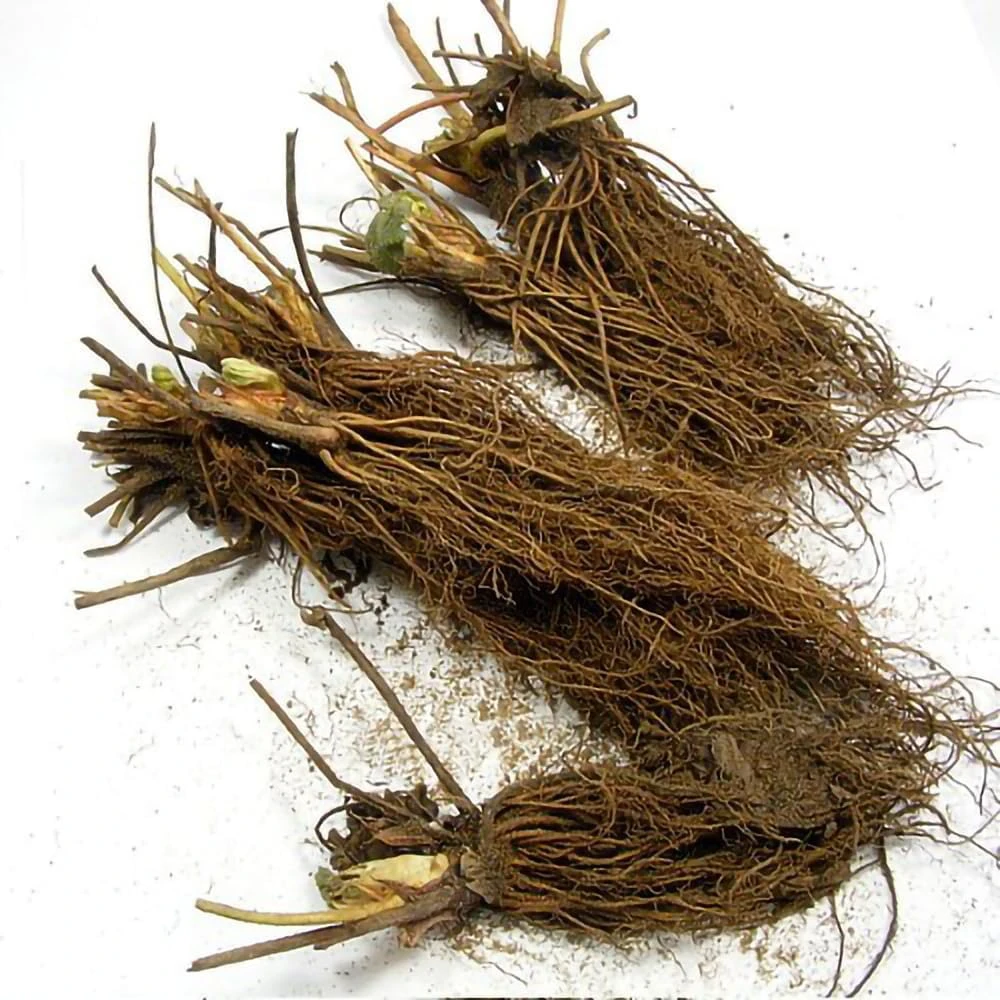
This product includes 10 bare rootwhite carolina pineberry plants. Bare root plants are dormant when shipped, making them easy to handle and establish. Upon planting, these vigorous plants will quickly develop foliage and begin sending out runners. Mature pineberry plants typically grow to about 6-8 inches tall and spread 12-18 inches wide, forming dense patches over time. The berries themselves are a bit larger than other pineberry varieties, offering a more substantial harvest. Expect fruit production to begin in the first year after planting, with continuous harvesting throughout the growing season due to their everbearing nature.
These plants are suitable for USDA Hardiness Zones 4-8, indicating their adaptability to a wide range of climates across the United States. They are shipped ready for planting, requiring immediate attention upon arrival to ensure successful establishment. The robust nature of these plants makes them an excellent choice for both in-ground cultivation and container gardening, allowing you to enjoy fresh pineberries even in smaller spaces or on patios. Growing your own grow pineberries has never been easier.
Frequently Asked Questions
- Q: How big do these white carolina pineberry plants get? A: Mature plants typically reach about 6-8 inches in height and spread 12-18 inches wide, forming a compact yet productive patch. They are vigorous growers that will send out runners to expand their footprint.
- Q: Is this an indoor or outdoor plant? A: These pineberry plants are versatile and can be grown both indoors in containers or outdoors in garden beds. For optimal fruit production, outdoor growing in full sun is generally recommended, but they can thrive indoors with adequate light.
- Q: How much sunlight does a pineapple strawberry plant need? A: Pineberry plants prefer full sun, meaning at least 6-8 hours of direct sunlight per day. In very hot climates, providing some afternoon shade can protect the fruits and plants from scorching.
- Q: Is this plant easy to care for? Is it good for beginners? A: Yes, pineberry plants are relatively easy to care for and are suitable for beginners. They require consistent watering, well-draining soil, and adequate sunlight. Their vigorous growth makes them forgiving.
- Q: What condition will the 10 bare root plants arrive in? A: Your pineberry plants will arrive as dormant bare roots. This means they will not have leaves or soil attached, which is a standard and healthy way to ship many perennial plants, ensuring they establish well upon planting.
- Q: How long until these everbearing pineberry plants start producing fruit? A: You can typically expect fruit production to begin in the first growing season after planting. Being everbearing, they will continue to produce berries throughout the spring, summer, and fall.
- Q: Will these plants survive winter in my zone? A: These pineberry plants are hardy in USDA Zones 4-8. If you are in zone 4 or 5, it is advisable to apply a thick layer of mulch over the plants in late fall to provide extra winter protection.
- Q: What kind of soil is best for these pineberry plants for sale? A: They prefer well-draining soil that is rich in organic matter. A slightly acidic to neutral pH (5.5-6.5) is ideal. Amending with compost will greatly benefit their growth.
- Q: Do I need to plant multiple pineberry plants for pollination? A: While many pineberry varieties are self-fertile, planting multiple plants can often lead to better fruit set and a more abundant harvest. These plants are excellent for mass planting.
- Q: How can I grow pineberries to get the best flavor? A: Ensure they receive plenty of sunlight, consistent moisture, and are protected from direct hot sun to prevent the fruits from turning too pink. Harvesting when they are fully white and fragrant will yield the best pineapple-strawberry flavor.
Be the first to review “White Carolina Pineberry Plants – 10 Bareroot – Everbearing Strawberry”
People Also Viewed


Vegetable Seeds
Oregon Sugar Pod II Pea Seeds – 50 Count – Pisum Sativum Macrocarpon – Vegetable Seeds



Succulents
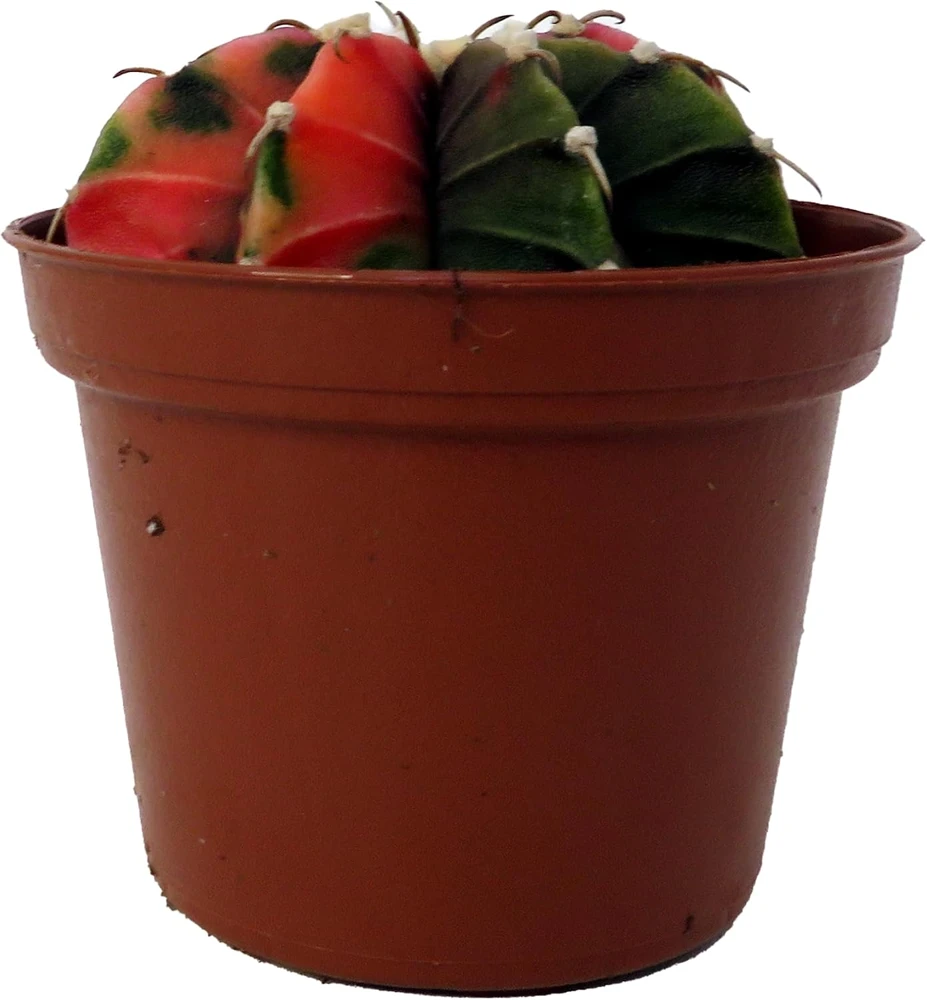
Tye Dye Cactus Live Plant – Gymnocalycium Mihanovichii Variegata – 2″ Pot – Indoor/Outdoor
Reviews
There are no reviews yet.