
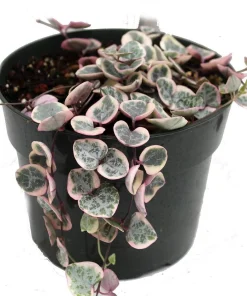
Pearl Moon Rosary Vine – Ceropegia woodii Live Plant – 2.5″ Pot Indoor
Original price was: $46.99.$36.99Current price is: $36.99.
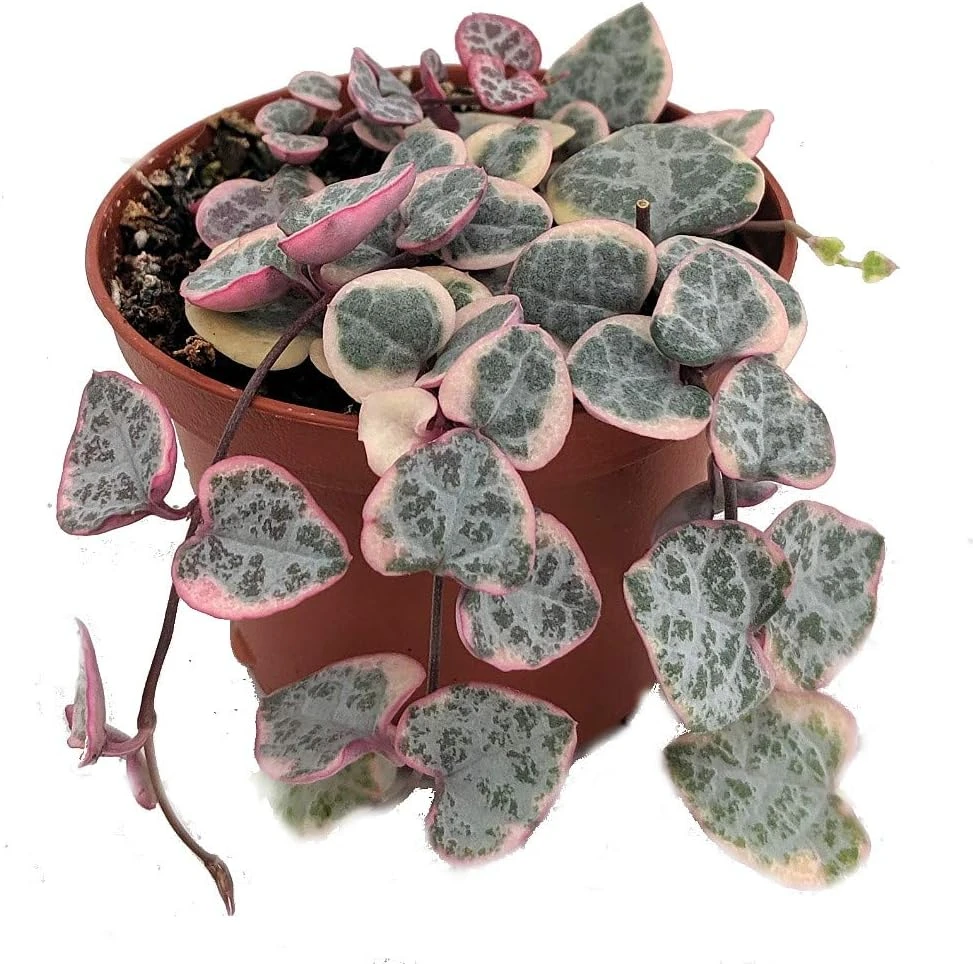
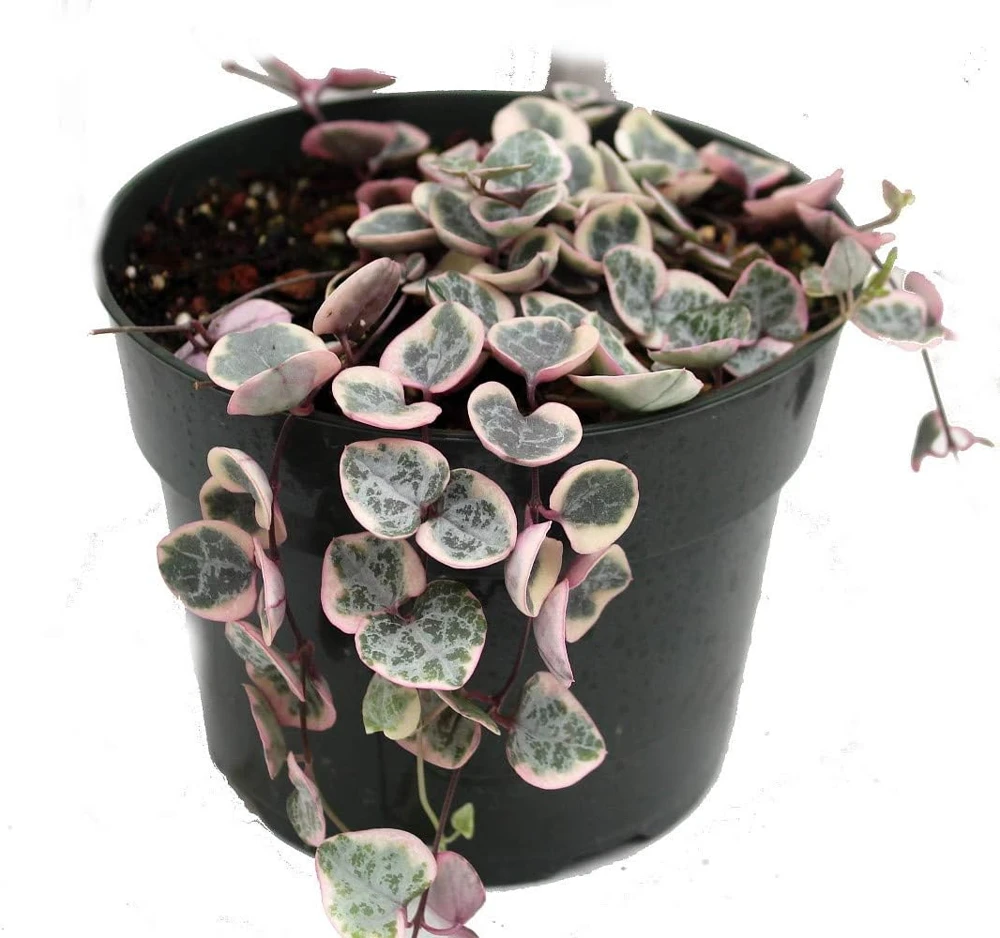
Bring delicate beauty to your home with the Pearl Moon Rosary Vine (Ceropegia woodii). This charming string of hearts plant features unique, heart-shaped leaves on trailing vines, making it a perfect indoor houseplant for hanging baskets. It’s an easy care trailing plant, ideal for beginners and experienced plant enthusiasts alike.
Estimated arrival
Sep 29
Oct 04 - Oct 06
Oct 09 - Oct 13
Shop With Confidence
30-Day Plant Health Guarantee
Arrives damaged? We’ll replace it free — see our return policy.
Responsive Support
Email us anytime, we reply within 1 business day.
Expert Packaging
Temperature-controlled shipping to protect your plants in transit.
Secure Checkout
Pay safely with Visa, Mastercard, PayPal.
Plant Specifications
-
USDA Hardiness Zone
USDA zones 10-12 (outdoors), suitable for year-round indoors -
Soil Type
Well-draining potting mix with coarse sand or perlite -
Sunlight Exposure
Bright indirect light, some morning sun acceptable -
Expected Planting Period
Year-round indoors
Overview
Introduce a touch of whimsical elegance to your indoor space with the exquisite pearl moon rosary vine, scientifically known as Ceropegia woodii. This captivating live plant is widely recognized by its charming common names, including string of hearts plant, Rosary Vine, and Hearts Entangled, alluding to its distinctive heart-shaped leaves that grow along slender, trailing stems. Originating from Southern Africa, this succulent vine is celebrated for its delicate appearance and remarkable resilience, making it an ideal choice for both novice and experienced plant parents. Each pearl moon rosary vine arrives as a healthy starter plant in a 2.5-inch pot, ready to adorn your home with its unique beauty. Its long, flowing vines, often reaching two to four feet in length, are perfect for hanging baskets or elevated shelves, allowing its beautiful foliage to cascade gracefully. The marbled, heart-shaped leaves add a subtle texture and visual interest, creating a serene and inviting atmosphere in any room. This particular variety, with its ‘Pearl Moon’ designation, suggests a potentially unique coloration or growth habit, enhancing its appeal as a decorative indoor houseplant.
Key Benefits
The pearl moon rosary vine offers numerous advantages for plant enthusiasts seeking both beauty and ease of care. Its unique aesthetic and robust nature make it a fantastic addition to various indoor settings. Discover why the string of hearts plant is quickly becoming a favorite:
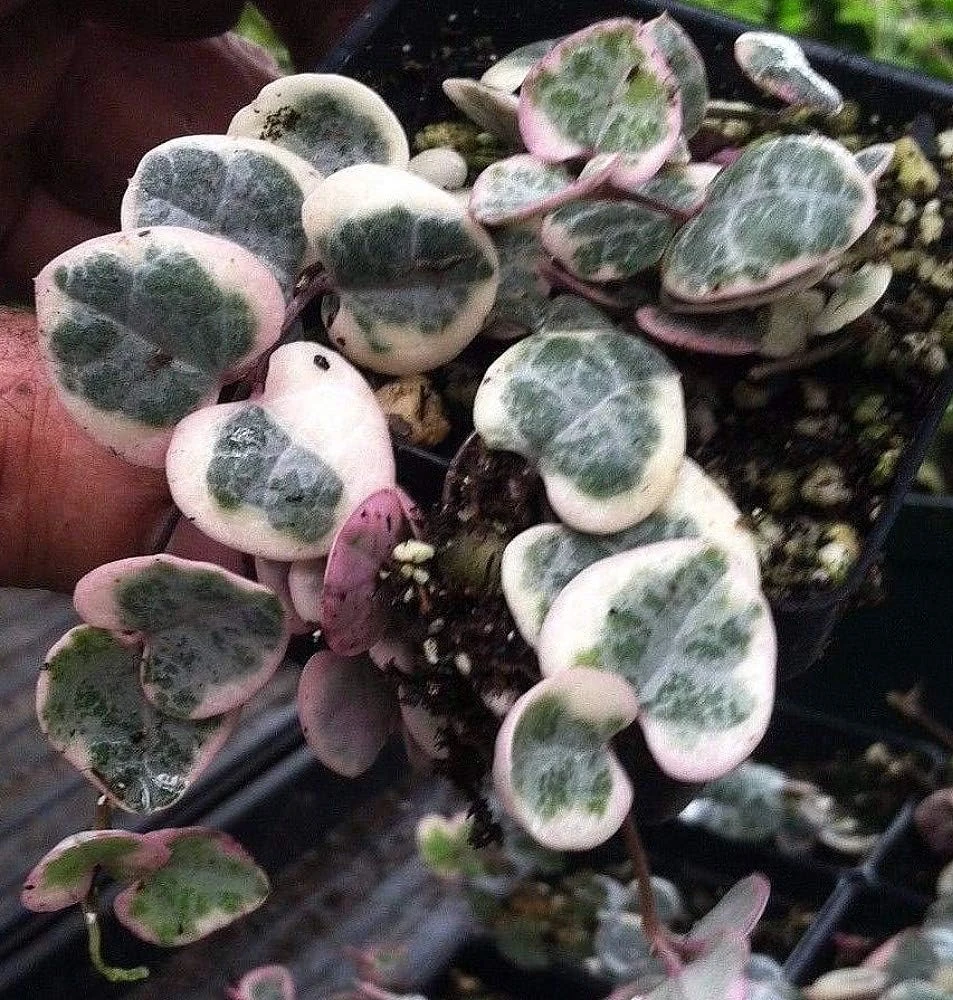
- Stunning Visual Appeal: The most striking feature of this plant is its abundance of small, heart-shaped leaves, often variegated with shades of green, silver, and purple. These leaves grow in pairs along thin, wire-like stems, creating a visually captivating cascade that adds an elegant touch to any decor.
- Low Maintenance & Drought Tolerant: Known for its hardiness, the pearl moon rosary vine is surprisingly forgiving. It can withstand periods of neglect and dry conditions, making it an excellent choice for those with busy lifestyles or who are new to plant care. Its succulent nature allows it to store water efficiently.
- Versatile Display Options: Its trailing habit makes it perfect for hanging baskets, high shelves, or even as a decorative element draping from a mantelpiece. The vines can grow quite long, offering a dynamic and ever-changing display.
- Excellent Indoor Houseplant: As an indoor houseplant, the Ceropegia woodii thrives in typical home environments. It prefers bright, indirect light, which is easily achievable near a window, and does not require overly humid conditions, simplifying its care routine.
- Air Purifying Qualities: Like many houseplants, the string of hearts plant contributes to a healthier indoor environment by helping to filter airborne toxins and improve air quality, albeit to a lesser extent than larger foliage plants.
- Easy Care Trailing Plant: If you’re looking for an easy care trailing plant that offers maximum visual impact with minimal effort, the pearl moon rosary vine is an ideal candidate. Its ability to bounce back from occasional dry spells ensures its longevity and continuous beauty.
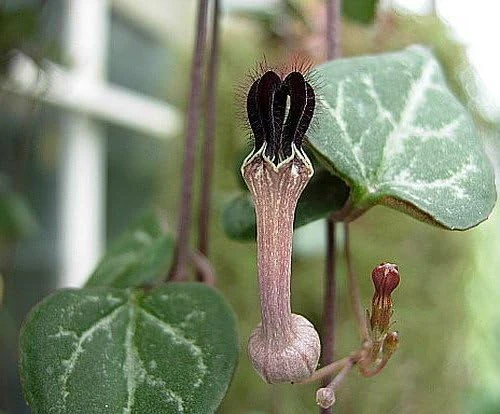
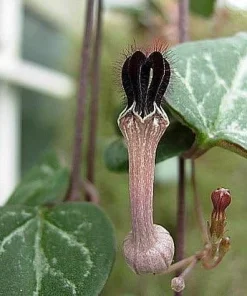
- Unique Growth Habit: Beyond its heart-shaped leaves, the plant also produces small, tubular flowers, often in shades of pink or purple, adding another layer of interest. It can also develop small tubers along its stems, which can be used for propagation.
Plant Care & Growing Tips
Caring for your pearl moon rosary vine is straightforward, especially if you understand its succulent nature. This plant thrives on a bit of neglect, so resist the urge to overwater. It prefers bright, indirect light for most of the day. A location near an east or west-facing window is often ideal, providing ample light without the harshness of direct midday sun. If placed in full sun, ensure some protection is provided during the hottest part of the day to prevent leaf scorching. During the summer months, ideal temperatures range from 70-75 degrees Fahrenheit. In winter, it appreciates cooler conditions, ideally around 60-65 degrees Fahrenheit, which can encourage a period of rest.
Watering is perhaps the most critical aspect of ceropegia woodii care. As a succulent, it stores water in its leaves and stems, making it highly susceptible to root rot if overwatered. Allow the soil to completely dry out between waterings. When you do water, do so thoroughly, ensuring water drains from the bottom of the pot, then discard any excess water in the saucer. During the active growing period of spring and summer, feed your string of hearts plant monthly with a balanced liquid houseplant food diluted to half strength. For potting, use a well-draining, porous potting soil mixed with coarse sand or perlite to enhance drainage. Repotting is generally needed only every few years in early spring, and ensure the new pot has adequate drainage holes. This easy care trailing plant is quite resilient, but consistent overwatering is its biggest enemy.
Size & Details
Your pearl moon rosary vine will arrive as a healthy starter plant in a 2.5-inch pot, perfectly sized for transplanting into your desired container or hanging basket. The delicate vines of the string of hearts plant typically reach lengths of two to four feet when mature, creating a beautiful cascading effect. While exact growth rates can vary based on environmental conditions, with proper ceropegia woodii care, you can expect steady growth during the spring and summer months. These plants are shipped rooted in their nursery pots, ensuring they are well-established and ready to continue growing in their new home. The compact size of the starter plant makes it easy to integrate into existing plant collections or to begin a new one. The leaves are typically small, heart-shaped, and can exhibit beautiful marbling, adding to the plant’s unique charm. This indoor houseplant is designed to thrive in a home environment, bringing natural beauty without demanding excessive space.
Frequently Asked Questions
- Q: How big does this plant get? A: The pearl moon rosary vine typically produces trailing vines that can reach lengths of two to four feet, making it an excellent choice for hanging displays. Its spread will depend on how you train and allow the vines to grow.
- Q: What size pot does it come in? A: Each string of hearts plant is provided as a starter plant in a 2.5-inch pot, perfect for easy transplanting into a larger decorative container or hanging basket upon arrival.
- Q: Is this an indoor or outdoor plant? A: The pearl moon rosary vine is primarily cultivated as an indoor houseplant in most climates. While it can tolerate outdoor conditions in very warm, frost-free regions (USDA zones 10-12), it thrives best indoors where temperatures can be controlled.
- Q: How much sunlight does it need? A: This plant prefers bright, indirect light for optimal growth. It can tolerate some morning sun but should be protected from harsh afternoon direct sunlight, which can scorch its delicate leaves.
- Q: Is this plant easy to care for? A: Yes, the pearl moon rosary vine is considered an easy care trailing plant. Its succulent nature means it’s quite forgiving of occasional neglect and is more tolerant of underwatering than overwatering, making it suitable for beginners.
- Q: What condition will it arrive in? A: Your string of hearts plant will arrive as a healthy, rooted starter plant in its 2.5-inch nursery pot, carefully packaged to ensure its safe journey to your home.
- Q: Can I propagate this plant? A: Absolutely! The pearl moon rosary vine is quite easy to propagate from stem cuttings or by planting the small tubers that often form along its vines. This allows you to expand your collection or share with friends.
- Q: How often should I water my Ceropegia woodii? A: Water thoroughly only when the soil has completely dried out. As a succulent, it is very sensitive to overwatering, which can lead to root rot. When in doubt, it’s better to underwater.
- Q: What type of soil is best for the pearl moon rosary vine? A: A well-draining potting mix is essential. Consider using a succulent or cactus mix, or amending regular potting soil with perlite or coarse sand to improve drainage and aeration for your indoor houseplant.
- Q: Is this plant pet-safe? A: While generally considered non-toxic to pets, it’s always best to prevent pets from ingesting any houseplant material. If you have concerns, consult with your veterinarian.
Be the first to review “Pearl Moon Rosary Vine – Ceropegia woodii Live Plant – 2.5″ Pot Indoor”
People Also Viewed


Succulents
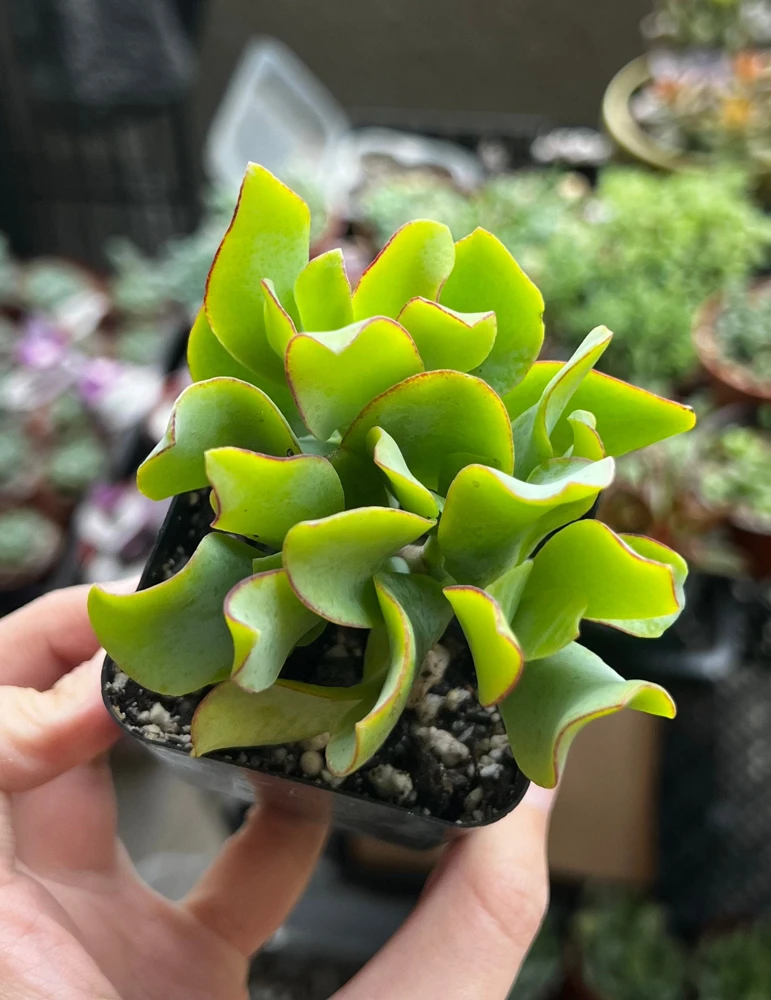
Ripple Jade Live Plant – Crassula arborescens undulatifolia – Wavy Leaf Succulent in 2″ Pot

Herb Seeds
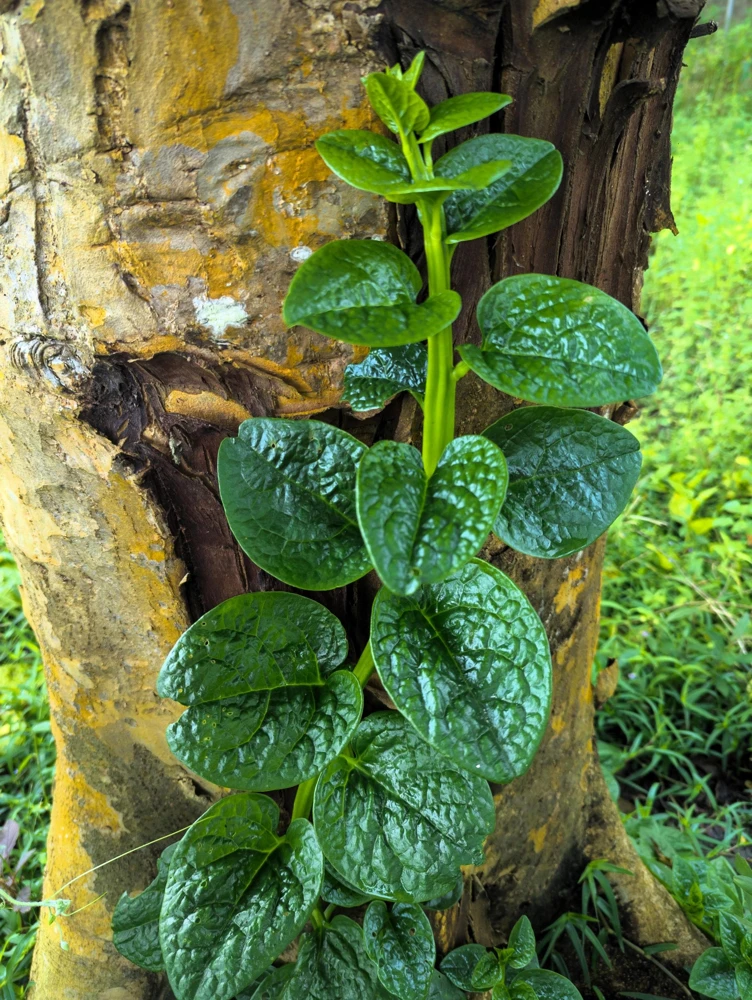
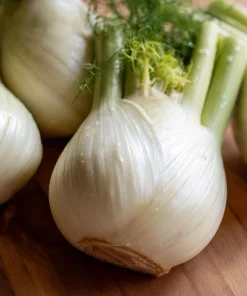
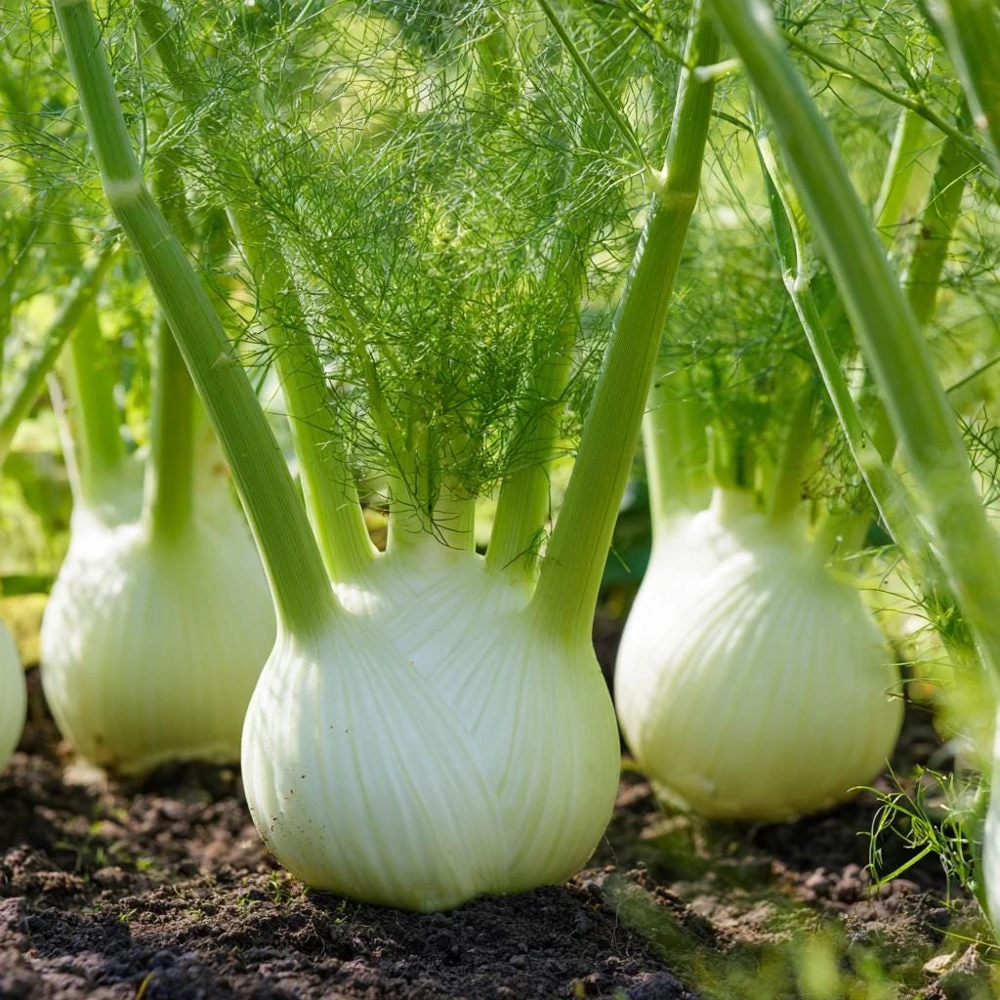
Florence Fennel Seeds – Heirloom Bulbing Finocchio Herb 200 Seeds – Outdoor Vegetable Garden
Reviews
There are no reviews yet.