
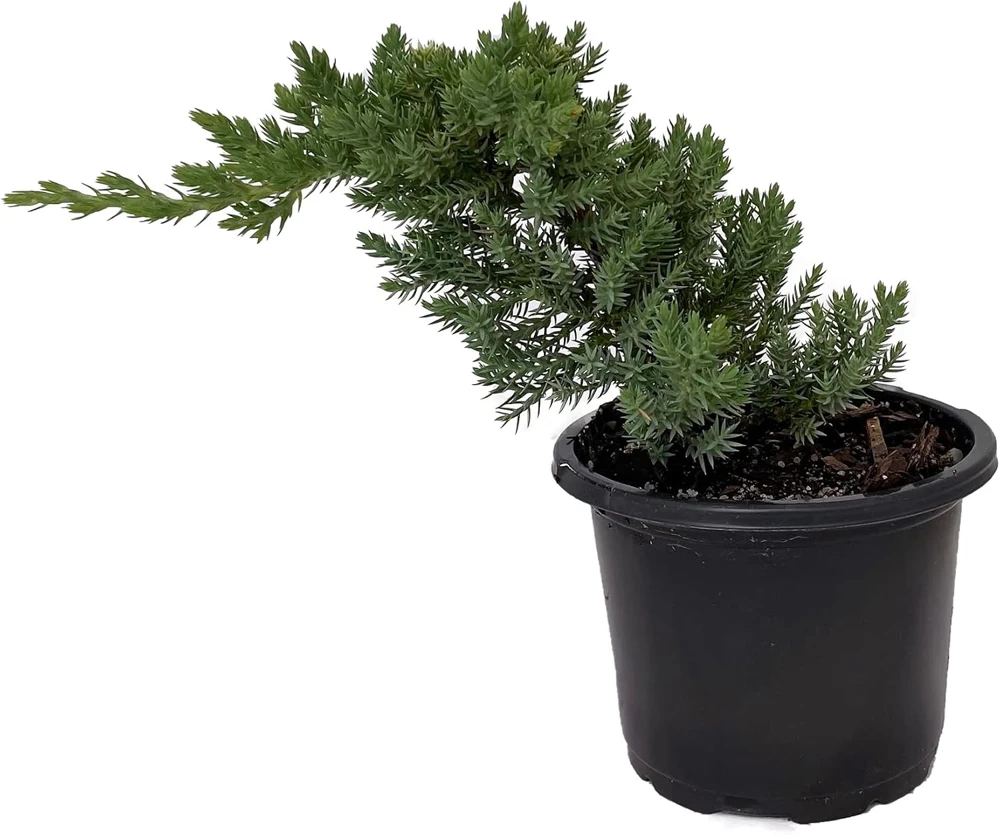
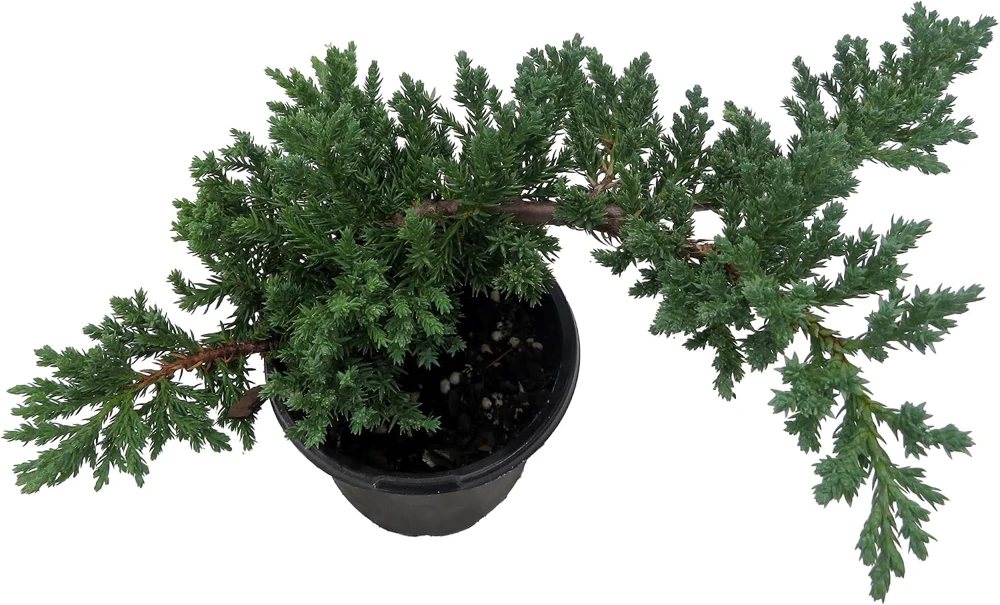
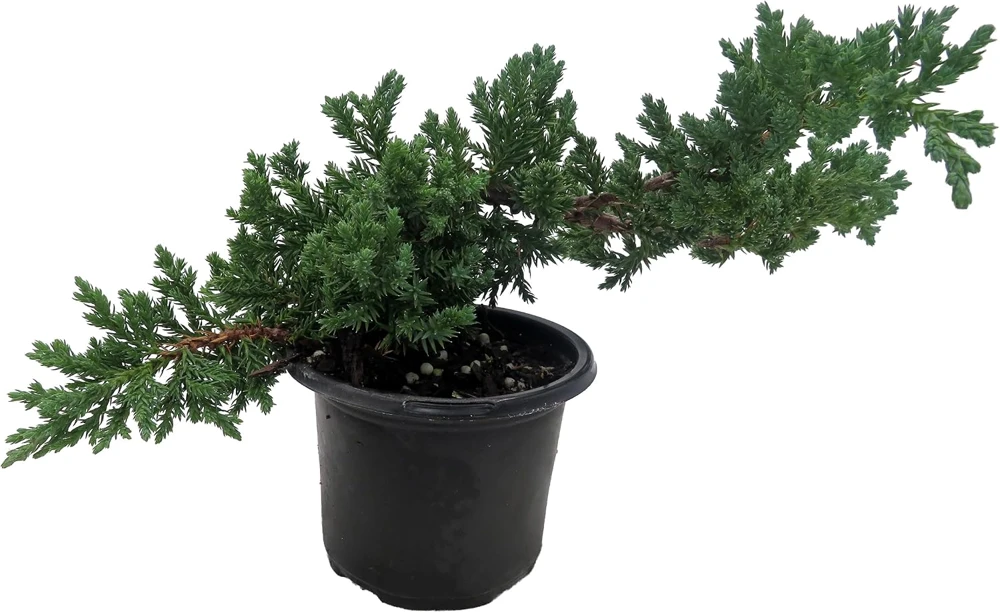
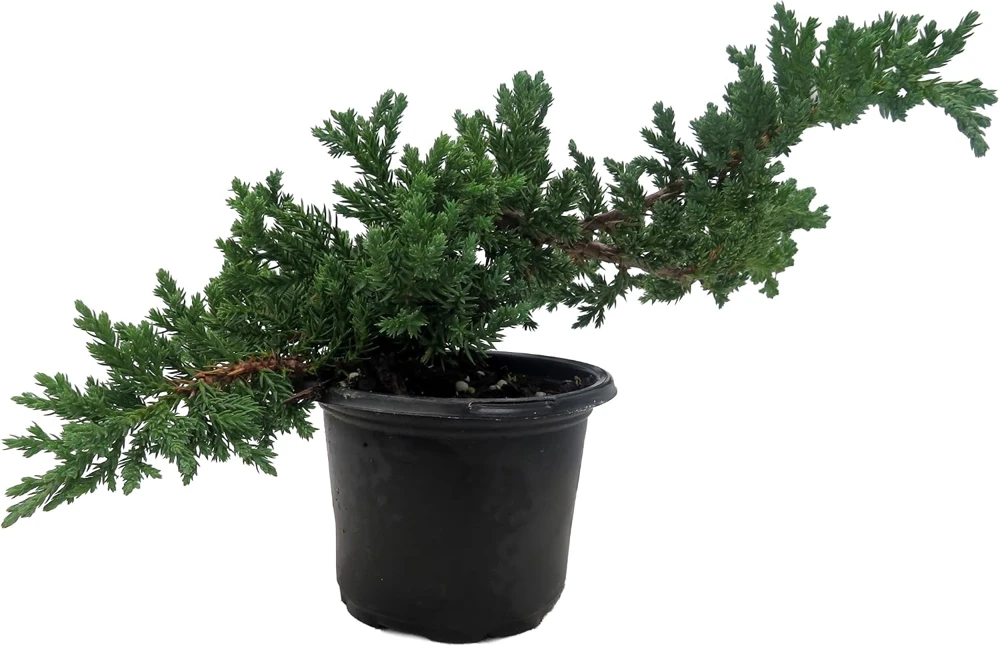
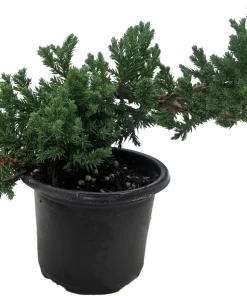
Japanese Juniper Bonsai Tree – Live Plant – 4″ Pot – Juniperus procumbens nana
Original price was: $46.99.$36.99Current price is: $36.99.
Cultivate peace and beauty with this elegant japanese juniper bonsai. A hardy evergreen, this indoor bonsai tree arrives in a 4-inch pot, ready to be shaped and admired. Its naturally cascading branches make it ideal for various bonsai styles, offering a touch of nature’s artistry to any bright, cool indoor space.
Estimated arrival
Sep 29
Oct 04 - Oct 06
Oct 09 - Oct 13
Shop With Confidence
30-Day Plant Health Guarantee
Arrives damaged? We’ll replace it free — see our return policy.
Responsive Support
Email us anytime, we reply within 1 business day.
Expert Packaging
Temperature-controlled shipping to protect your plants in transit.
Secure Checkout
Pay safely with Visa, Mastercard, PayPal.
Plant Specifications
-
USDA Hardiness Zone
unknown (best as indoor plant) -
Soil Type
well-draining bonsai mix -
Sunlight Exposure
bright indirect light -
Expected Planting Period
year-round indoors
Overview
Introduce a touch of serene artistry to your living space with a beautiful japanese juniper bonsai. This exquisite live plant, scientifically known as Juniperus procumbens nana, is a hardy evergreen renowned for its naturally flowing, cascading branch structure. Originating from temperate regions, the Japanese Juniper is a popular choice for bonsai enthusiasts, offering both beginners and experienced cultivators a rewarding and aesthetically pleasing experience. Its compact size and adaptable nature make it an ideal specimen for indoor cultivation, bringing a sense of calm and natural beauty to your home or office environment. This particular specimen is a starter tree, carefully cultivated in a 4-inch pot, ready for you to begin its journey of shaping and growth.
The charm of the japanese juniper bonsai lies in its ability to be trained into a myriad of amazing shapes. The branches are highly responsive to wiring and reshaping, allowing for creative expression and personalized styling. This enduring live plant offers a miniature representation of ancient trees, inviting contemplation and a connection with nature. Whether you’re starting your bonsai journey or adding to an existing collection, the Juniperus procumbens nana is a resilient and captivating choice.
Key Benefits
Owning a japanese juniper bonsai offers numerous advantages, from its aesthetic appeal to its potential for personal growth and relaxation. This remarkable plant is more than just a decorative item; it’s a living piece of art that evolves with time and care.
- Aesthetic Appeal & Design Flexibility: The japanese juniper bonsai is celebrated for its elegant, naturally cascading form. Its long, trailing branches can be expertly wired and reshaped, allowing for endless creative possibilities in bonsai styling. This makes it a stunning focal point in any room, adding a sophisticated and natural element to your decor.
- Beginner-Friendly & Hardy: As a hardy evergreen, the Japanese Juniper is forgiving and relatively easy to care for, making it an excellent choice for those new to the art of bonsai. Its resilience ensures it can withstand minor fluctuations in care, providing a less stressful introduction to bonsai cultivation.
- Indoor Adaptability: While many junipers thrive outdoors, the Juniperus procumbens nana is well-suited for indoor environments, provided it receives adequate bright, cool light. This allows you to enjoy the beauty of a bonsai tree year-round, regardless of external climate conditions.
- Stress Reduction & Mindfulness: The practice of caring for a bonsai, including pruning, watering, and shaping, can be a meditative and calming activity. Engaging with your indoor bonsai tree fosters mindfulness, reduces stress, and provides a rewarding sense of accomplishment as you watch it flourish under your care.
- Long Lifespan & Legacy: With proper care, a japanese juniper bonsai can live for many decades, even centuries, becoming a living legacy that can be passed down through generations. This longevity adds to its value and appeal as a timeless piece of natural art.
- Compact Size for Any Space: Arriving in a 4-inch pot and standing 4-5 inches high, this cascading bonsai juniper is perfectly sized for desks, shelves, or small tables. It brings the grandeur of a large tree into a miniature form, ideal for urban living or limited spaces.
- Educational Experience: Cultivating a bonsai provides a wonderful opportunity to learn about horticulture, plant biology, and artistic principles. Understanding the specific needs of your juniper procumbens nana and how to shape it offers a continuous learning experience.
Plant Care & Growing Tips
Caring for your japanese juniper bonsai is a rewarding experience that requires attention to specific environmental conditions to ensure its health and vitality. As an indoor bonsai tree, placement is crucial. It thrives in a very bright, but cool location. A south, west, or east-facing window is ideal, providing the intense light it needs without excessive heat. While it enjoys ample light, direct, scorching afternoon sun, especially through glass, should be moderated to prevent leaf burn. Ensure good air circulation around the plant, but avoid direct drafts from heating or air conditioning vents.
Temperature management is key for bonsai plant care. For optimal growth, temperatures should ideally remain between 60 to 70 degrees Fahrenheit. Prolonged exposure to temperatures exceeding 70 degrees Fahrenheit can stress the plant. Watering should keep the plant evenly moist, but never waterlogged or completely dry. Check the soil daily; when the top inch feels slightly dry, it’s time to water thoroughly until water drains from the bottom of the pot. If your home’s air is dry, placing the bonsai on a humidity tray filled with pebbles and water (ensuring the pot doesn’t sit directly in the water) or misting the foliage once or twice daily will help maintain adequate humidity levels. The living moss often accompanying the bonsai also benefits from daily misting. The juniper procumbens nana prefers a well-draining soil mix specifically formulated for bonsai, which ensures proper aeration and prevents root rot.
Fertilization should be done sparingly, typically every 2-4 weeks during the growing season (spring and summer) using a balanced liquid bonsai fertilizer diluted to half strength. Reduce or cease fertilization during fall and winter when the plant’s growth slows. Pruning and wiring are integral to maintaining the desired shape of your cascading bonsai juniper. Regular light pruning helps maintain its compact form and encourages new growth. Wiring can be used to gently guide branches into specific shapes, but care must be taken not to damage the bark. Always remove wires before they constrict the growing branches. With consistent and attentive bonsai plant care, your Japanese Juniper will flourish for years to come.
Size & Details
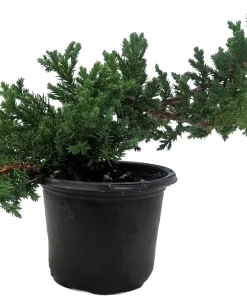
This japanese juniper bonsai starter tree is currently growing in a 4-inch nursery pot, making it a convenient and manageable size for immediate display or further cultivation. The plant typically stands approximately 4-5 inches high from the soil line, offering a compact yet impactful presence. The trunk diameter is about 1/4 inch, providing a sturdy base for its elegant branches. While similar to the first picture, each live tree possesses its unique shape and character, ensuring you receive a truly one-of-a-kind specimen. The Juniperus procumbens nana is known for its relatively slow growth rate, allowing for careful and deliberate shaping over time. It ships as a healthy, established potted plant, complete with its natural soil and often a layer of living moss, ready to thrive in its new indoor environment. Expect a mature cascading bonsai juniper to develop a more pronounced trunk and extensive branch structure with diligent care and training.
Frequently Asked Questions
- Q: How big does this Japanese Juniper Bonsai get? A: This starter japanese juniper bonsai arrives in a 4-inch pot and stands about 4-5 inches tall. With proper care and training, it can maintain a compact size suitable for indoor display, while its branches can extend to create a beautiful cascading effect.
- Q: Is this an indoor or outdoor plant? A: The juniper procumbens nana is primarily an indoor bonsai tree, ideally suited for bright, cool indoor locations. It can tolerate short periods outdoors in mild weather, but consistent indoor care is recommended for its long-term health.
- Q: How much sunlight does it need? A: This bonsai requires a very bright location, such as near a south, west, or east-facing window. It needs ample indirect light to thrive, but should be protected from harsh, direct afternoon sun that can scorch its foliage.
- Q: Is this plant easy to care for, especially for beginners? A: Yes, the Japanese Juniper is considered a hardy and forgiving evergreen, making it an excellent choice for those new to bonsai plant care. Its resilience and adaptability simplify the learning process for beginners.
- Q: What condition will it arrive in? A: Your japanese juniper bonsai will arrive as a healthy, established live plant in its 4-inch nursery pot, carefully packaged to ensure its safe journey. It will be ready to be placed in its new home upon arrival.
- Q: What type of soil is best for this bonsai? A: A well-draining bonsai-specific soil mix is ideal for the juniper procumbens nana. This type of soil ensures proper aeration for the roots and prevents waterlogging, which is crucial for the plant’s health.
- Q: How often should I water my Japanese Juniper? A: The plant should be kept evenly moist, but not wet or dry. Check the soil daily and water thoroughly when the top inch feels slightly dry to the touch, allowing excess water to drain completely.
- Q: What is a cascading bonsai juniper? A: A cascading bonsai juniper refers to a style where the branches are trained to grow downwards, often extending below the rim of the pot, mimicking trees growing on cliffs or steep inclines. The Japanese Juniper is naturally well-suited for this elegant style.
- Q: What are the ideal temperatures for this plant? A: For best growth, temperatures should ideally be between 60 to 70 degrees Fahrenheit. Avoid prolonged exposure to temperatures above 70 degrees Fahrenheit, as this can stress the plant.
- Q: How do I maintain humidity for my indoor bonsai? A: If your home air is dry, place the bonsai on a humidity tray with pebbles and water, ensuring the pot doesn’t sit in the water. Misting the foliage and the living moss daily can also help maintain adequate humidity levels.
Be the first to review “Japanese Juniper Bonsai Tree – Live Plant – 4″ Pot – Juniperus procumbens nana”
People Also Viewed
Reviews
There are no reviews yet.