


Tiny Wine Ninebark Live Shrub – Physocarpus – 4 inch Pot – Outdoor Perennial
Original price was: $54.99.$44.99Current price is: $44.99.
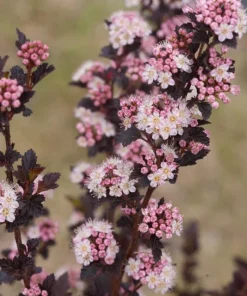
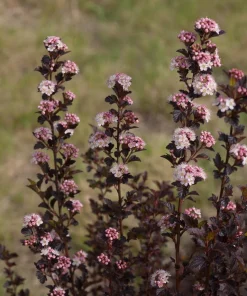
Enhance your landscape with the Tiny Wine Ninebark shrub, a compact and colorful perennial. This Physocarpus variety offers striking burgundy foliage and delicate pink-white flowers, perfect for containers or garden borders. Thrives in full sun, zones 3-8.
Estimated arrival
Sep 29
Oct 04 - Oct 06
Oct 09 - Oct 13
Shop With Confidence
30-Day Plant Health Guarantee
Arrives damaged? We’ll replace it free — see our return policy.
Responsive Support
Email us anytime, we reply within 1 business day.
Expert Packaging
Temperature-controlled shipping to protect your plants in transit.
Secure Checkout
Pay safely with Visa, Mastercard, PayPal.
Plant Specifications
-
USDA Hardiness Zone
3-8 -
Soil Type
Adaptable to most soils, well-draining preferred -
Sunlight Exposure
Full sun -
Expected Planting Period
Spring to early fall
Overview
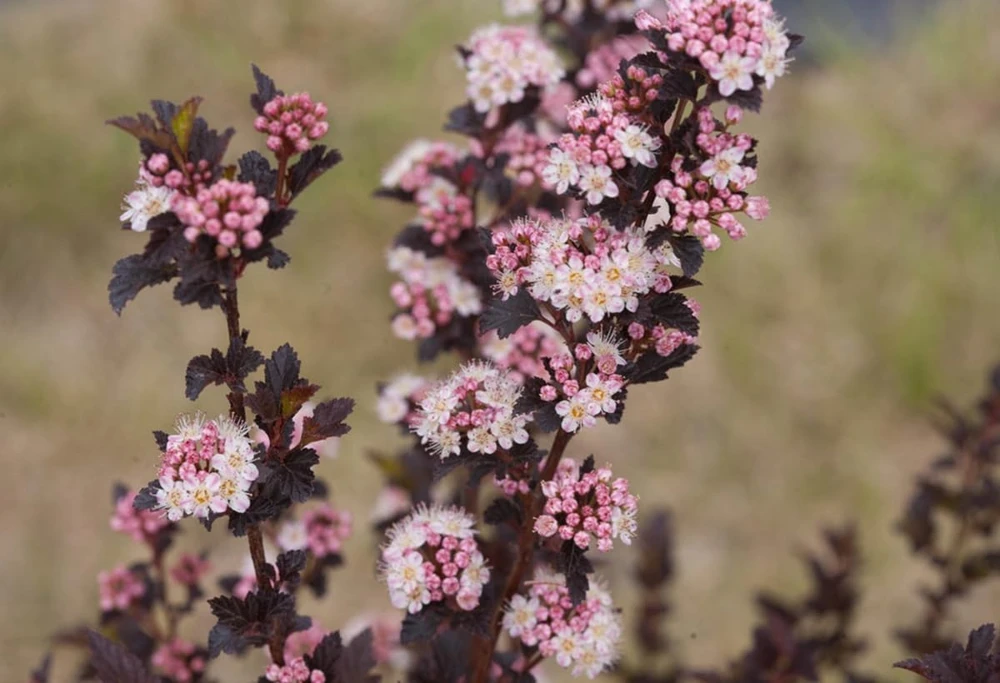
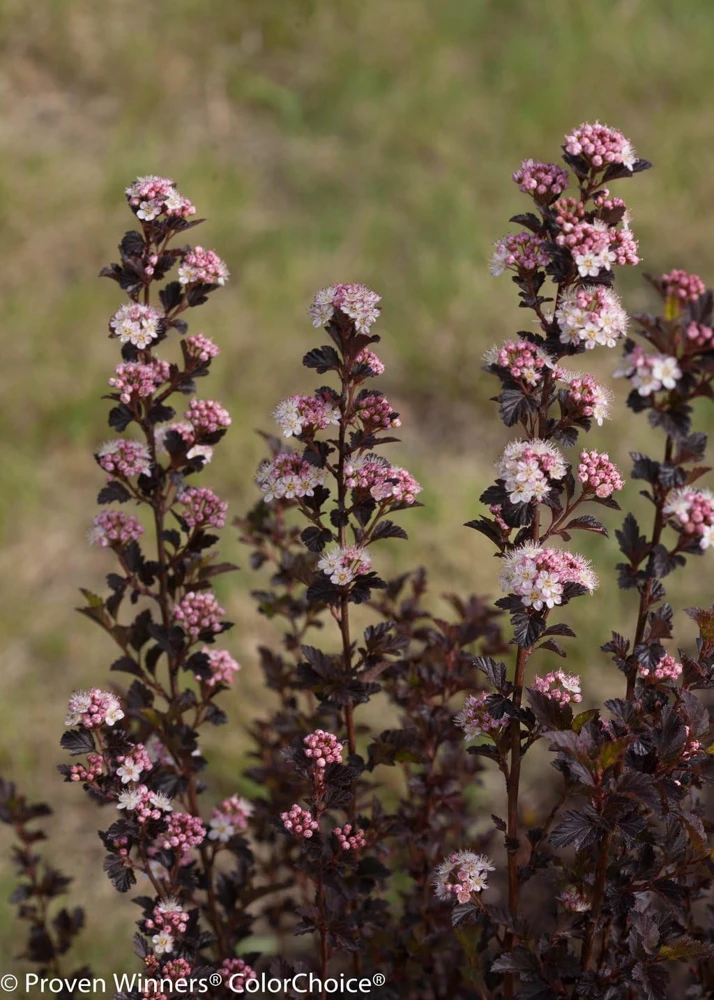
Introduce vibrant, season-long color and refined texture to your garden with the exquisite Tiny Wine Ninebark shrub. This remarkable Physocarpus opulifolius variety is celebrated for its compact growth habit and stunning foliage, making it an ideal choice for a diverse range of landscape designs. Unlike larger Ninebark varieties, the Tiny Wine Ninebark shrub maintains a tidy, rounded form, reaching a mature height and width of just 3-4 feet. Its abundant, small, refined burgundy-bronze leaves provide a dramatic backdrop throughout the growing season. In spring, a captivating display of tiny light pink buds unfurl into clusters of dainty white flowers that bloom profusely along the stems, creating an eye-catching parade of color. This live plant is shipped in a 4-inch pot, ready to be planted and admired in your garden. Whether you’re looking to fill a border, create an accent, or add a touch of elegance to containers, this durable and beautiful shrub is an excellent selection.
The ‘Tiny Wine’ cultivar was introduced in 2013 and has quickly become a favorite among gardeners for its manageable size and high ornamental value. It’s a fantastic solution for gardeners seeking the dramatic appeal of Ninebark without the expansive growth. Its adaptability to various soil types and impressive resistance to mildew further solidify its status as a low-maintenance and rewarding addition to nearly any outdoor space. The Physocarpus opulifolius Tiny Wine offers year-round visual interest, transitioning from spring blooms to rich summer foliage and continuing its appeal into the fall.
Key Benefits
The Tiny Wine Ninebark shrub offers numerous advantages, making it a standout choice for both novice and experienced gardeners. Its unique characteristics contribute significantly to its appeal and ease of care.
- Compact and Manageable Size: Standing only 3-4 feet tall and wide, this shrub is perfect for smaller gardens, urban landscapes, and container planting. It fits perfectly in borders without overwhelming other plants.
- Stunning Burgundy Foliage: Enjoy season-long color with its abundant small, refined burgundy-bronze colored leaves. This rich hue provides excellent contrast and visual interest in any garden setting.
- Attractive Spring Blooms: In spring, tiny light pink buds burst open to form clusters of dainty white flowers. These blooms create a beautiful, eye-catching spectacle along the stems.
- Low Maintenance and Adaptable: Requires full sun and is adaptable to most soil types, making it easy to grow. It also demonstrates good resistance to mildew, ensuring a healthier plant.
- Drought Tolerant: Once established, this drought tolerant ninebark requires minimal watering, making it an excellent choice for water-wise gardening and busy gardeners.
- Deer Resistant: Generally not favored by deer, providing a reliable option for gardens in areas with deer populations.
- Versatile Landscape Use: Ideal for foundation plantings, mass plantings, mixed borders, and as a striking specimen in patio containers. Its unique color and texture enhance various design styles.
Plant Care & Growing Tips
Caring for your Tiny Wine Ninebark shrub is straightforward, ensuring a healthy and vibrant plant for years to come. This plant thrives with minimal intervention once established, making it a favorite for those seeking beauty without extensive effort. For optimal growth and the most intense foliage color, plant your compact Ninebark perennial in a location that receives full sun, meaning at least six hours of direct sunlight per day. While it can tolerate some partial shade, too little sun may result in less vibrant burgundy foliage and fewer blooms.
The Physocarpus opulifolius Tiny Wine is adaptable to a wide range of soil conditions, but it performs best in well-draining soil. Avoid heavy, waterlogged soils, as this can lead to root rot. If you have clay soil, amending it with organic matter like compost can improve drainage. Water regularly during the first growing season to establish a strong root system. Once established, this drought tolerant ninebark is quite resilient and will only require supplemental watering during prolonged dry spells. Fertilization is generally not necessary in rich garden soil, but if your soil is poor, a balanced, slow-release fertilizer can be applied in early spring. Pruning is best done in late winter or early spring before new growth begins. To maintain its shape and encourage vigor, prune about a third of the oldest branches to the ground. This rejuvenation pruning helps keep the shrub looking fresh and full.
This shrub is hardy in USDA Zones 3-8, meaning it can withstand a wide range of temperatures. It shows good resistance to mildew, but ensuring good air circulation by proper spacing can further prevent any fungal issues. Monitor for common garden pests, though Ninebark is generally robust against most. With these simple care guidelines, your Tiny Wine Ninebark shrub will flourish and provide stunning visual appeal to your garden.
Size & Details
The Tiny Wine Ninebark shrub is a compact deciduous perennial that typically reaches a mature height and spread of 3-4 feet, making it an excellent choice for smaller spaces or as an accent plant. It exhibits a moderate growth rate, establishing itself well within a few seasons. This live plant is shipped in a 4-inch nursery pot, providing a well-rooted specimen ready for immediate planting in your garden or a larger container. The vibrant burgundy-bronze leaves maintain their rich coloration throughout the spring and summer, offering continuous visual interest. In spring, it produces an abundance of delicate white flowers with a hint of pink. The shrub maintains a dense, rounded habit without the need for extensive pruning, though a late winter trim can encourage fresh growth and maintain its desired shape. Its refined texture and striking color make it a versatile plant for various landscape applications.
Frequently Asked Questions
- Q: How big does this plant get? A: The Tiny Wine Ninebark shrub typically reaches a mature height and width of 3-4 feet, making it a compact and manageable shrub for various garden settings and containers. Its small size makes it an excellent choice for gardeners with limited space.
- Q: Is this an indoor or outdoor plant? A: The Tiny Wine Ninebark shrub is an outdoor perennial plant. It is hardy in USDA Zones 3-8 and requires full sun exposure to thrive and maintain its vibrant foliage color.
- Q: How much sunlight does it need? A: This shrub requires full sun, meaning at least 6 hours of direct sunlight per day, for optimal growth and the most intense burgundy foliage color. While it can tolerate partial shade, its color may be less vibrant.
- Q: Is this plant easy to care for? A: Yes, the Tiny Wine Ninebark shrub is considered a low-maintenance plant. It’s adaptable to most soil types, drought-tolerant once established, and shows good resistance to mildew, making it suitable for beginners.
- Q: What condition will it arrive in? A: Your Tiny Wine Ninebark shrub will arrive as a healthy, well-rooted live plant in a 4-inch nursery pot, ready for planting. We carefully package our plants to ensure they reach you in excellent condition.
- Q: When is the best time to plant? A: The best time to plant your compact Ninebark perennial is in spring or early fall. This allows the plant to establish its root system before the extreme heat of summer or the cold of winter.
- Q: Will it survive winter in my zone? A: The Tiny Wine Ninebark shrub is hardy in USDA Zones 3-8. If you live within these zones, it will typically survive the winter outdoors and return with new growth in the spring.
- Q: What type of soil does it prefer? A: This shrub is adaptable to most soil types but prefers well-draining soil. Amending heavy clay soils with organic matter can improve drainage and overall plant health.
- Q: Does this shrub attract pollinators? A: Yes, the small white flowers of the Tiny Wine Ninebark shrub are attractive to various pollinators, including bees and butterflies, contributing to a healthy garden ecosystem.
- Q: Is the burgundy foliage consistent all year? A: The rich burgundy-bronze foliage is most vibrant during the spring and summer months. As a deciduous shrub, it will lose its leaves in the fall and winter, returning with new growth and color in the spring.
Be the first to review “Tiny Wine Ninebark Live Shrub – Physocarpus – 4 inch Pot – Outdoor Perennial”
People Also Viewed
Reviews
There are no reviews yet.