
Ginkgo Tree Live Plant – Maidenhair Tree – Ginkgo biloba – 8-18″ Tall – 4″ Pot
Original price was: $57.98.$31.99Current price is: $31.99.
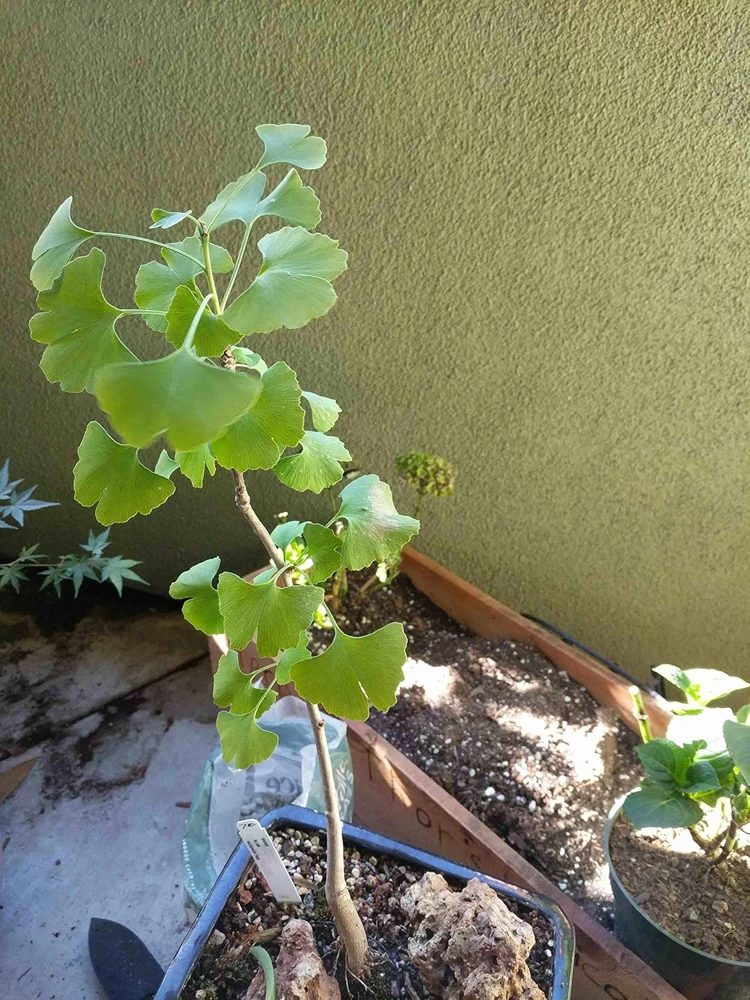
Bring ancient beauty to your garden with a Ginkgo Tree live plant. This Maidenhair Tree, Ginkgo biloba, arrives 8-16 inches tall in a 4-inch pot, ready to thrive outdoors and add unique fan-shaped leaves to your landscape.
Estimated arrival
Oct 14
Oct 19 - Oct 21
Oct 24 - Oct 28
Shop With Confidence
30-Day Plant Health Guarantee
Arrives damaged? We’ll replace it free — see our return policy.
Responsive Support
Email us anytime, we reply within 1 business day.
Expert Packaging
Temperature-controlled shipping to protect your plants in transit.
Secure Checkout
Pay safely with Visa, Mastercard, PayPal.
Plant Specifications
-
USDA Hardiness Zone
USDA Zones 3-8 -
Soil Type
Well-draining soil -
Sunlight Exposure
Full sun to partial shade -
Expected Planting Period
Spring to early fall
Overview
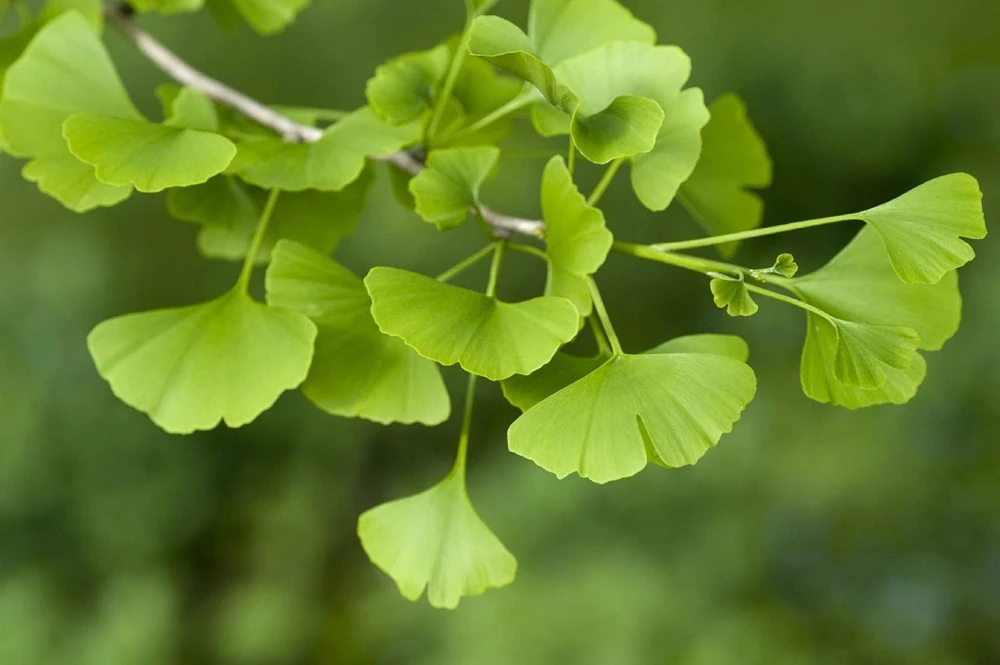
Cultivate a living fossil in your own garden with this exquisite Ginkgo Tree live plant. Revered for its unique fan-shaped leaves and incredible resilience, the Ginkgo, also known as the Maidenhair Tree, Ginkgo biloba, is one of the oldest living tree species on Earth. This deciduous tree offers stunning golden-yellow foliage in the fall, creating a breathtaking display that will be a focal point in any landscape. Our Ginkgo tree is a healthy young specimen, ready to establish itself in your outdoor space. Known for its adaptability and minimal care requirements once established, the Ginkgo Tree live plant is a fantastic choice for both seasoned gardeners and those new to cultivating trees. Its rich history and striking appearance make it a truly special addition.
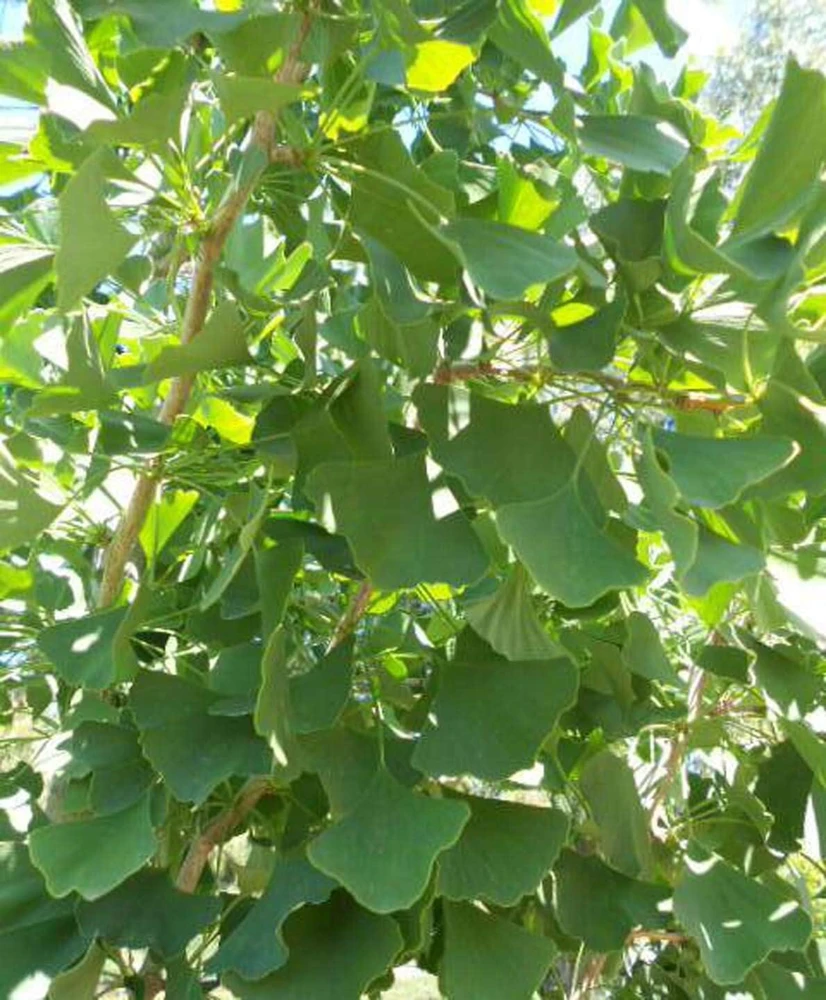
The Ginkgo biloba is a hardy and long-lived species, capable of growing into a magnificent shade tree. Its distinctive leaf shape, resembling the fronds of a maidenhair fern, gives it its common name and makes it easily recognizable. This tree is more than just an ornamental; it represents strength and longevity, having survived millions of years. When you choose a Ginkgo Tree live plant, you’re not just planting a tree; you’re planting a piece of natural history that will bring beauty and character to your environment for generations. Learn how to grow Ginkgo tree successfully with our detailed guide.
Key Benefits
The Ginkgo Tree live plant offers a multitude of benefits, making it a highly desirable addition to any garden or landscape. Its unique characteristics provide aesthetic appeal and environmental advantages, ensuring a rewarding growing experience.
- Stunning Autumn Color: Enjoy a spectacular display of vibrant golden-yellow foliage every fall, transforming your garden into a seasonal masterpiece. The uniform color change is truly remarkable.
- Historical Significance: Plant a ‘living fossil’ – the Maidenhair Tree is the oldest living tree species, offering a unique connection to ancient botanical history.
- Exceptional Hardiness: Extremely tolerant of urban pollution, drought, and various soil conditions, making it a robust choice for diverse environments.
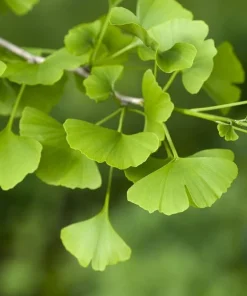
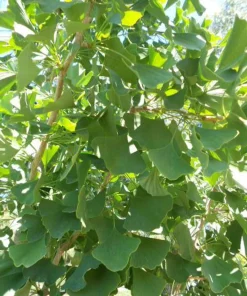
- Unique Leaf Shape: The distinctive fan-shaped leaves are unlike any other tree, providing year-round visual interest even when not in its brilliant fall color.
- Long-Lived Specimen: Ginkgo trees are known for their longevity, often living for hundreds, if not thousands, of years, becoming a lasting legacy in your landscape.
- Low Maintenance: Once established, the Ginkgo Tree live plant requires minimal care, making it an excellent choice for busy gardeners.
- Pest and Disease Resistant: Generally free from most common pests and diseases, contributing to its ease of care and healthy growth.
Plant Care & Growing Tips
Caring for your Ginkgo Tree live plant is relatively straightforward, as these trees are known for their resilience and adaptability. To ensure your Ginkgo biloba plant thrives, proper planting and initial care are crucial. Choose a location with full sun to partial shade, ideally where it can receive at least 6 hours of direct sunlight daily. While adaptable, Ginkgos prefer well-draining soil. Amend heavy clay soils with organic matter to improve drainage and aeration. Dig a hole twice as wide as the root ball and just as deep, ensuring the top of the root ball is level with the surrounding soil.
Water your young Maidenhair Tree regularly during its first year, especially during dry spells, to help establish a strong root system. Aim for consistently moist, but not waterlogged, soil. Once established, Ginkgos are quite drought-tolerant. Fertilization is generally not required for established trees, but a balanced, slow-release fertilizer can be applied in spring for young plants to encourage vigorous growth. Pruning is usually limited to removing dead, damaged, or crossing branches to maintain a strong structure. The Ginkgo tree care routine is minimal once the tree matures.
Ginkgos are remarkably hardy, typically thriving in USDA zones 3-8. They can tolerate a wide range of temperatures, from cold winters to hot summers. Protect young trees from harsh winter winds in colder climates. Pest and disease issues are rare, making the Ginkgo Tree live plant a low-hassle choice. Monitor for any signs of stress, though they are generally very robust. Understanding how to grow Ginkgo tree effectively will lead to a beautiful and long-lasting addition to your garden.
Size & Details
This Ginkgo Tree live plant is supplied as a young specimen, carefully nurtured and ready for planting. Each tree stands between 8-18 inches tall from the base of the pot to the tip of the highest leaf. It is shipped securely in a 4-inch pot, providing ample soil for its roots during transit and initial establishment. This size is ideal for planting directly into your garden or for potting up into a larger container for a period before ground planting. The growth rate of the Ginkgo biloba plant is moderate, typically adding 12-18 inches in height per year, eventually reaching mature heights of 50-80 feet with a spread of 30-40 feet, though smaller cultivars exist.
The tree will arrive with its root system intact within the nursery pot, ensuring a smooth transition to its new home. Expect the distinct fan-shaped leaves to emerge in spring, providing unique texture and color throughout the growing season, culminating in a brilliant golden display in autumn. This Maidenhair Tree is a deciduous variety, meaning it will shed its leaves in winter and leaf out again in spring. Proper planting and care will allow this young tree to flourish and develop into a magnificent, long-lived landscape feature.
Frequently Asked Questions
- Q: How big does this Ginkgo tree get? A: This Ginkgo Tree live plant is currently 8-16 inches tall. Mature Ginkgo trees can reach heights of 50-80 feet and spreads of 30-40 feet over many years, depending on the variety and growing conditions.
- Q: What size pot does it come in? A: The Ginkgo Tree live plant is shipped in a sturdy 4-inch nursery pot, providing a healthy root system for immediate planting or repotting.
- Q: Is this an indoor or outdoor plant? A: The Maidenhair Tree (Ginkgo biloba) is primarily an outdoor tree, best suited for landscape planting. While it can be grown in a large container for a period, it will eventually need to be planted in the ground to reach its full potential.
- Q: How much sunlight does the Ginkgo tree need? A: Ginkgo trees thrive in full sun, meaning at least 6 hours of direct sunlight per day. They can tolerate partial shade, but fall color may be less vibrant. This is key for good Ginkgo tree care.
- Q: Is this plant easy to care for? A: Yes, the Ginkgo biloba plant is considered very easy to care for once established. It is highly adaptable to various soil types, urban conditions, and is generally pest and disease resistant.
- Q: What condition will it arrive in? A: Your Ginkgo Tree live plant will arrive well-packaged, with its roots protected within the 4-inch pot, ensuring it is healthy and ready for planting.
- Q: When is the best time to plant a Ginkgo tree? A: The best time to plant a Ginkgo tree is in spring or early fall, allowing the roots to establish before extreme temperatures. This is vital for how to grow Ginkgo tree effectively.
- Q: Will it survive winter in my zone? A: Ginkgo trees are very cold hardy and typically thrive in USDA Zones 3-8, meaning they can withstand significant winter temperatures.
- Q: How long until it shows its golden fall color? A: Young Ginkgo Tree live plant specimens will begin to show their characteristic golden fall color in their first or second year, with the intensity increasing as the tree matures.
- Q: Does the Ginkgo tree produce fruit? A: Only female Ginkgo trees produce fruit, which can have an unpleasant odor when ripe. Most cultivated varieties sold are male or sterile to avoid this issue.
Be the first to review “Ginkgo Tree Live Plant – Maidenhair Tree – Ginkgo biloba – 8-18″ Tall – 4″ Pot”
People Also Viewed
Uncategorized
Vines
Wisteria Plant Live – Hardy Climbing Shrub, Fragrant Blue to Violet Flowers, 7-14″ Tall in 2.5″ Pot
Reviews
There are no reviews yet.