
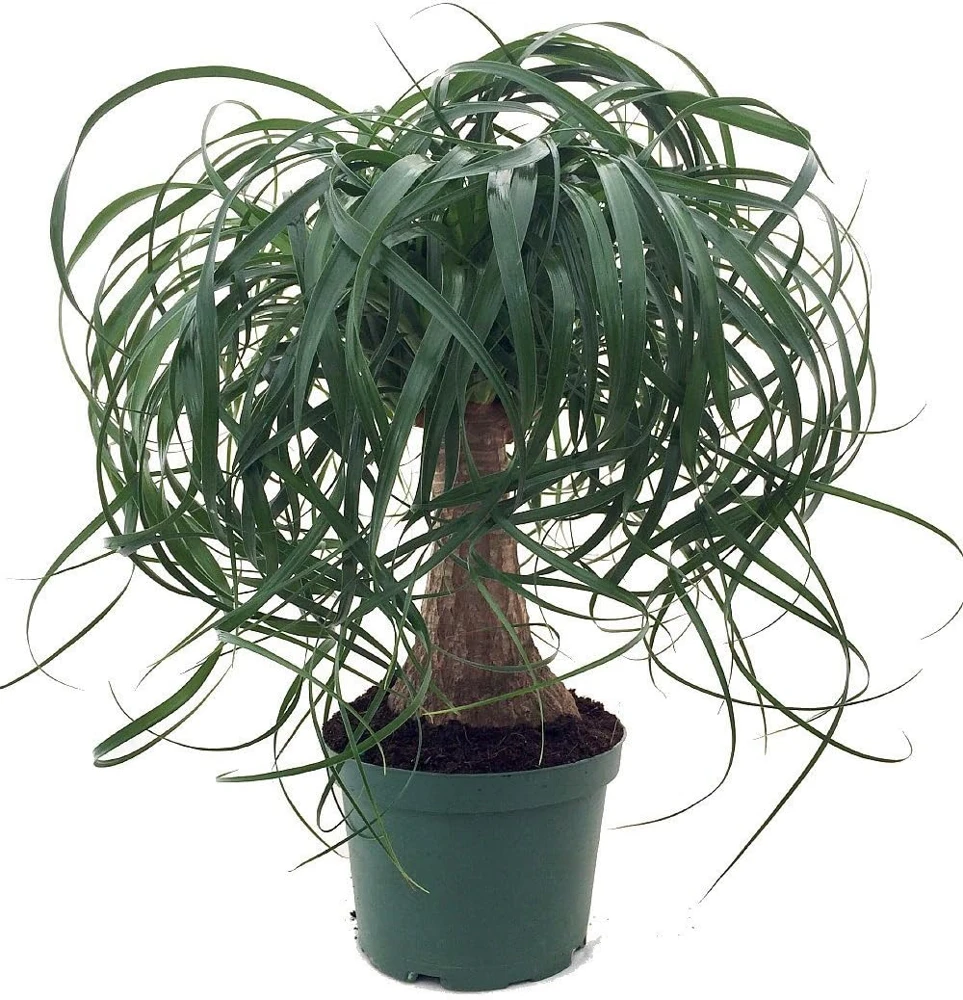
Guatemalan Red Ponytail Palm Live Plant – Beaucarnea guatemalensis – 6″ Pot – Indoor/Outdoor
Original price was: $76.99.$66.99Current price is: $66.99.
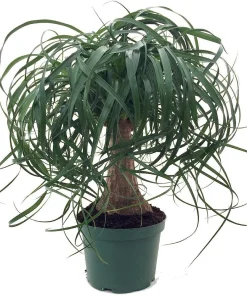
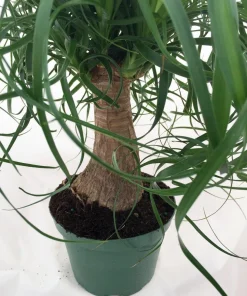
Bring unique character to your space with the Guatemalan Red Ponytail Palm. This low-maintenance indoor plant, known for its distinctive swollen trunk, thrives in various light conditions and is perfect for home or office. Arrives in a 6″ Pot.
Estimated arrival
Sep 29
Oct 04 - Oct 06
Oct 09 - Oct 13
Shop With Confidence
30-Day Plant Health Guarantee
Arrives damaged? We’ll replace it free — see our return policy.
Responsive Support
Email us anytime, we reply within 1 business day.
Expert Packaging
Temperature-controlled shipping to protect your plants in transit.
Secure Checkout
Pay safely with Visa, Mastercard, PayPal.
Plant Specifications
-
USDA Hardiness Zone
USDA zones 9-11 (outdoors); year-round indoors -
Soil Type
Well-draining succulent/cactus potting mix -
Sunlight Exposure
Bright indirect light; tolerates lower light -
Expected Planting Period
Year-round indoors
Overview
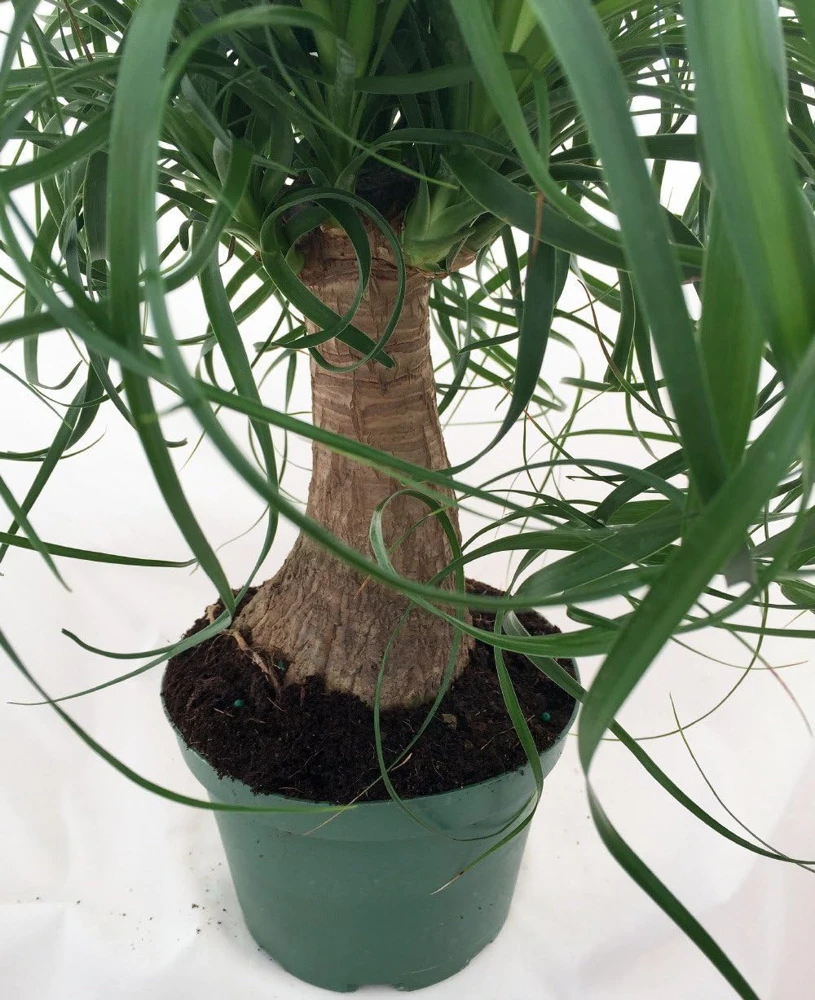
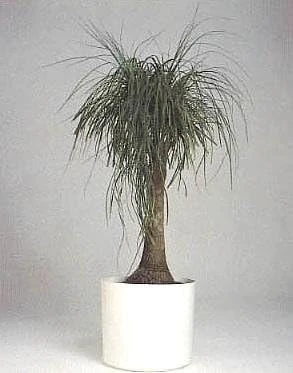
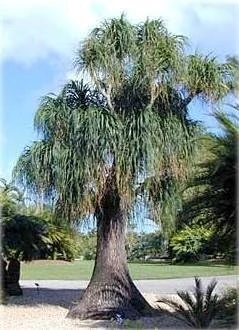
Introduce a touch of exotic elegance to your home or office with the distinctive Guatemalan Red Ponytail Palm. This captivating live plant, scientifically known as Beaucarnea guatemalensis, is celebrated for its unique, swollen base that stores water, earning it the charming nickname “Elephant’s Foot.” Unlike typical palms, the Ponytail Palm is actually a succulent, making it incredibly resilient and forgiving for plant enthusiasts of all skill levels. Its long, slender, arching leaves cascade gracefully, creating a fountain-like effect that adds architectural interest to any indoor setting. This particular variety, the Guatemalan Red, offers a subtle reddish hue to its new growth, enhancing its visual appeal. Whether you’re a seasoned plant parent or just starting your green journey, the Guatemalan Red Ponytail Palm is an excellent choice for its striking appearance and remarkably easy care requirements.
The Beaucarnea guatemalensis care is straightforward, making it a fantastic addition to busy lifestyles. Its ability to store water in its bulbous trunk means it can tolerate periods of drought, reducing the frequency of watering. This tropical beauty adapts well to various light conditions, from bright indirect light to lower light environments, making it versatile for placement throughout your home. A truly unique and conversation-starting plant, the Elephant’s Foot plant is sure to become a cherished part of your indoor garden.
Key Benefits
The Guatemalan Red Ponytail Palm offers a myriad of benefits that extend beyond its striking appearance, making it a highly desirable choice for any plant lover. Its unique characteristics contribute to a healthier and more aesthetically pleasing environment.
- Remarkable Drought Tolerance: Thanks to its distinctive swollen base, this plant acts as a natural water reservoir. This allows the Guatemalan Red Ponytail Palm to go for extended periods without water, often up to four weeks, making it incredibly forgiving for those who occasionally forget to water.
- Low Maintenance & Easy Care: As a true low-maintenance indoor plant, the Ponytail Palm requires minimal attention. It thrives on neglect, making it perfect for beginners or individuals with busy schedules who still desire the beauty of live greenery.
- Versatile Light Adaptability: This plant is highly adaptable to different lighting conditions. While it prefers bright, indirect light, it can tolerate lower light levels, allowing for flexible placement in various rooms throughout your home or office.
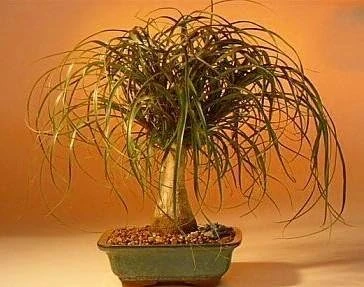
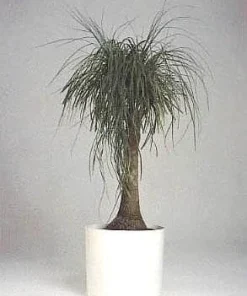
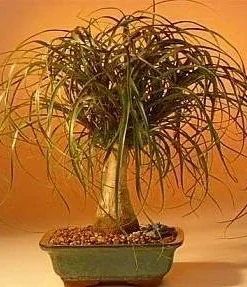
- Unique Architectural Appeal: The swollen, elephant’s foot-like trunk and the fountain of ribbon-like leaves create a dramatic and sculptural silhouette, adding significant visual interest and a touch of the exotic to your interior decor.
- Excellent Air Purifier: Like many houseplants, the Elephant’s Foot plant contributes to improved indoor air quality by filtering out common airborne toxins, helping to create a fresher and healthier living or working environment.
- Long Lifespan: With proper care, a Ponytail Palm can live for many decades, even centuries, growing into a magnificent specimen that can be passed down through generations.
- Pet-Friendly Option: The Guatemalan Red Ponytail Palm is generally considered non-toxic to cats and dogs, offering peace of mind for pet owners looking to greenify their homes safely.
Plant Care & Growing Tips
Caring for your Guatemalan Red Ponytail Palm is remarkably simple, making it an ideal choice for both novice and experienced plant enthusiasts. Understanding its basic needs will ensure its healthy growth and longevity. This plant thrives on consistency and appreciates being left alone once its ideal spot is found.
When it comes to light, the Guatemalan Red Ponytail Palm prefers bright, indirect sunlight. A south or west-facing window with filtered light is ideal. While it can tolerate lower light conditions, too little light may result in slower growth and less vibrant foliage. Direct, intense afternoon sun can scorch the leaves, so protection during peak hours is advisable, especially if moved outdoors during warmer months. The key to successful Beaucarnea guatemalensis care is to mimic its native arid environment.
Watering is perhaps the most crucial aspect of caring for your Elephant’s Foot plant. Due to its water-storing trunk, it is highly drought-tolerant. The most common mistake is overwatering, which can lead to root rot. Allow the soil to dry out completely between waterings, typically every 2-4 weeks, depending on light and temperature. In winter, reduce watering frequency significantly. You can check the soil moisture by inserting your finger about 2 inches deep. When considering ponytail palm watering, always err on the side of underwatering rather than overwatering. Use a well-draining potting mix, ideally one formulated for succulents or cacti, to prevent waterlogging. Ensure the pot has drainage holes.
The Guatemalan Red Ponytail Palm prefers average room temperatures between 60-80°F (15-27°C). It can tolerate temperatures as low as 50°F (10°C) but should be protected from cold drafts. As a tropical plant, it is not frost-hardy. Fertilize sparingly, once or twice during the growing season (spring and summer) with a balanced liquid fertilizer diluted to half strength. Repot only when the plant becomes root-bound, usually every 2-3 years, as they prefer to be slightly pot-bound. Pests are rarely an issue, but occasionally mealybugs or spider mites may appear; treat with insecticidal soap if necessary.
Size & Details
This Guatemalan Red Ponytail Palm is a live plant delivered in a 6″ Pot, offering a substantial and healthy start for your indoor garden. At this size, it typically stands approximately 12-18 inches tall from the base of the pot to the tip of its longest leaves, providing an immediate visual impact. The iconic swollen trunk, already developing its distinctive texture, will continue to expand with age, enhancing its unique charm.
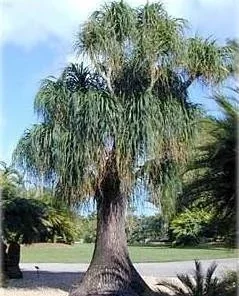
Ponytail Palms are slow-growing plants, gaining only a few inches in height per year, making them ideal for stable indoor environments without rapidly outgrowing their space. While this particular specimen is a compact desk-friendly size, mature plants can eventually reach several feet tall indoors over many years. It ships as a well-rooted, established plant, ready to thrive in your home or office. Expect a robust and vibrant plant upon arrival, meticulously prepared for its journey to you.
Frequently Asked Questions
- Q: How big does this plant get? A: This Guatemalan Red Ponytail Palm arrives in a 6″ pot and is typically 12-18 inches tall. Indoors, it grows slowly, usually reaching 2-4 feet tall over many years, though much older specimens can be larger.
- Q: Is this an indoor or outdoor plant? A: The Guatemalan Red Ponytail Palm is primarily grown as an indoor plant in most climates due to its tropical nature. It can be moved outdoors during warm summer months but must be brought inside before temperatures drop below 50°F (10°C).
- Q: How much sunlight does it need? A: This plant thrives in bright, indirect light. It can tolerate some direct morning sun but should be protected from harsh afternoon sun. It can also adapt to lower light conditions, though growth may be slower.
- Q: Is this plant easy to care for? A: Yes, the Guatemalan Red Ponytail Palm is considered a very easy-to-care-for and low-maintenance indoor plant, making it excellent for beginners. Its drought tolerance means it’s forgiving if you occasionally forget to water.
- Q: What condition will it arrive in? A: Your Guatemalan Red Ponytail Palm will arrive as a healthy, established live plant in its 6″ nursery pot, carefully packaged to ensure safe transit and minimal stress.
- Q: How often should I water my ponytail palm? A: Ponytail palm watering should be infrequent. Allow the soil to dry out completely between waterings, typically every 2-4 weeks, depending on environmental conditions. Reduce watering significantly in winter.
- Q: Is the Elephant’s Foot plant pet-safe? A: Yes, the Elephant’s Foot plant is generally considered non-toxic to cats and dogs, offering a safe option for households with pets.
- Q: Does this plant need high humidity? A: No, Ponytail Palms are native to arid regions and do not require high humidity. Average household humidity levels are perfectly suitable for its growth.
- Q: What kind of soil is best for Beaucarnea guatemalensis care? A: A well-draining soil mix is crucial. Use a potting mix specifically formulated for succulents or cacti, or create your own by adding perlite or sand to a standard potting mix.
- Q: When is the best time to fertilize this plant? A: Fertilize sparingly during its active growing season (spring and summer), typically once or twice a year, using a diluted balanced liquid fertilizer. Avoid fertilizing during fall and winter.
Be the first to review “Guatemalan Red Ponytail Palm Live Plant – Beaucarnea guatemalensis – 6″ Pot – Indoor/Outdoor”
People Also Viewed
Reviews
There are no reviews yet.