
Hackberry Tree Live Plant – 6-12″ Tall, Fast Growing Native Shade Tree
Original price was: $49.99.$27.99Current price is: $27.99.
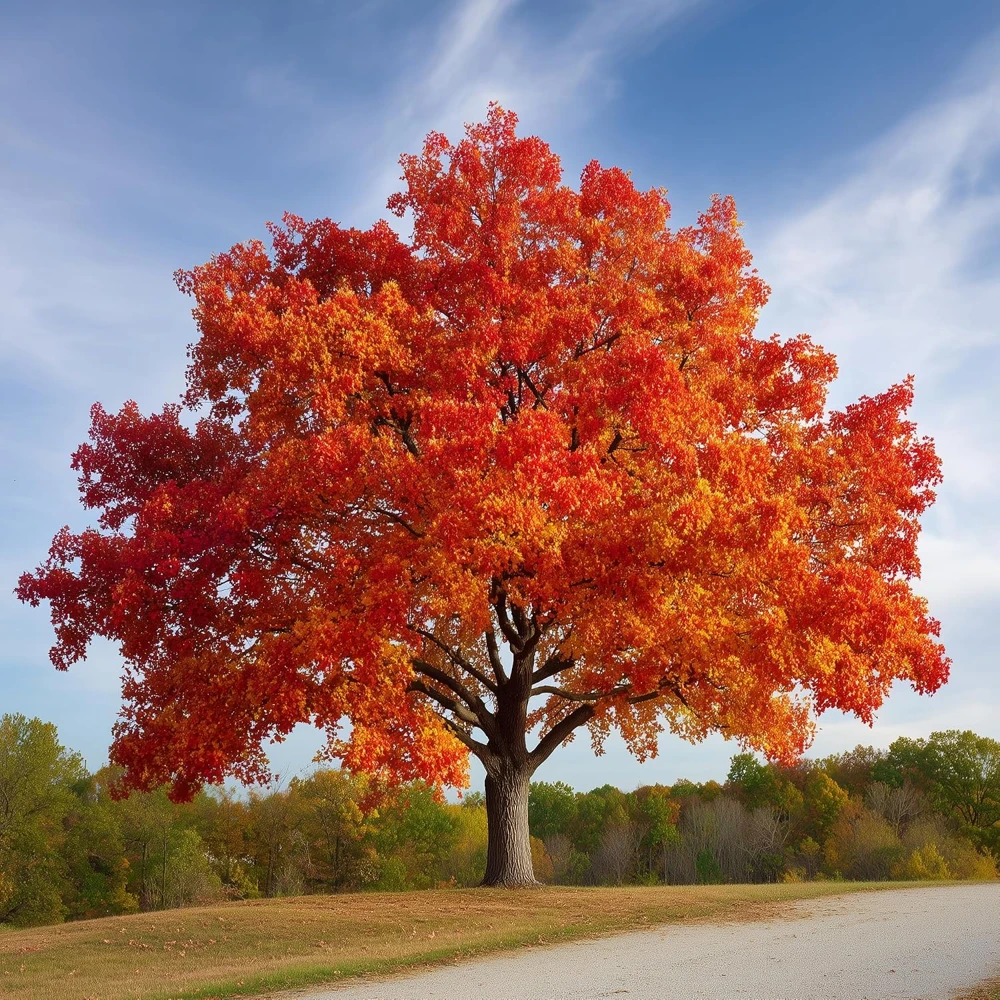
Bring home a robust hackberry tree live plant, approximately 6-12 inches tall. This common hackberry tree (Celtis occidentalis) is a fast-growing native shade tree, known for its exceptional hardiness and adaptability. Perfect for creating a spreading canopy and attracting local wildlife.
Estimated arrival
Oct 14
Oct 19 - Oct 21
Oct 24 - Oct 28
Shop With Confidence
30-Day Plant Health Guarantee
Arrives damaged? We’ll replace it free — see our return policy.
Responsive Support
Email us anytime, we reply within 1 business day.
Expert Packaging
Temperature-controlled shipping to protect your plants in transit.
Secure Checkout
Pay safely with Visa, Mastercard, PayPal.
Plant Specifications
-
USDA Hardiness Zone
2-9 -
Soil Type
Adaptable to most soil types, prefers well-draining -
Sunlight Exposure
Full sun to partial shade -
Expected Planting Period
Spring or Fall
Overview
Introduce a resilient and beneficial addition to your landscape with this hackberry tree live plant. Approximately 6-12 inches tall, this young tree offers a fantastic opportunity to cultivate a robust and beautiful native species in your yard. The common hackberry tree, scientifically known as Celtis occidentalis, is celebrated for its incredible adaptability and fast growth rate, making it an ideal choice for a variety of growing conditions. Often overlooked, the hackberry is one of North America’s most valuable native trees, providing significant ecological benefits and aesthetic appeal. This hardwood tree quickly develops into a stately specimen, offering excellent shade and a distinctive presence in any garden or property. Its unique bark texture and seasonal berries ensure year-round interest and value.
Cultivating a hackberry tree live plant means investing in a long-term landscape solution that requires minimal effort once established. Its ability to tolerate harsh conditions makes it a superior choice for areas where other trees might struggle. Whether you are looking to enhance your property with a reliable shade provider, create a natural windbreak, or support local wildlife, the hackberry delivers. This particular offering provides a healthy, young plant ready to establish roots and begin its journey to maturity, promising years of beauty and ecological contribution.
Key Benefits
The common hackberry tree offers a multitude of advantages for any gardener or homeowner. Its inherent resilience and ecological value make it a standout choice among landscape trees. Here are some of the primary benefits:
- Exceptional Hardiness: This tree is renowned for thriving in challenging conditions, including heat, drought, wind, and poor soil. It’s an incredibly adaptable plant that can withstand urban environments and various climatic stresses, making it a reliable choice where other trees might fail.
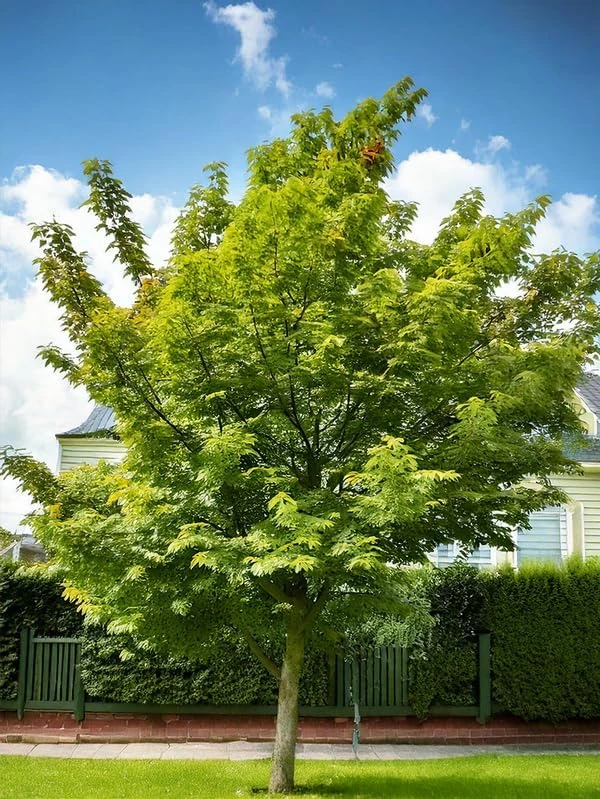
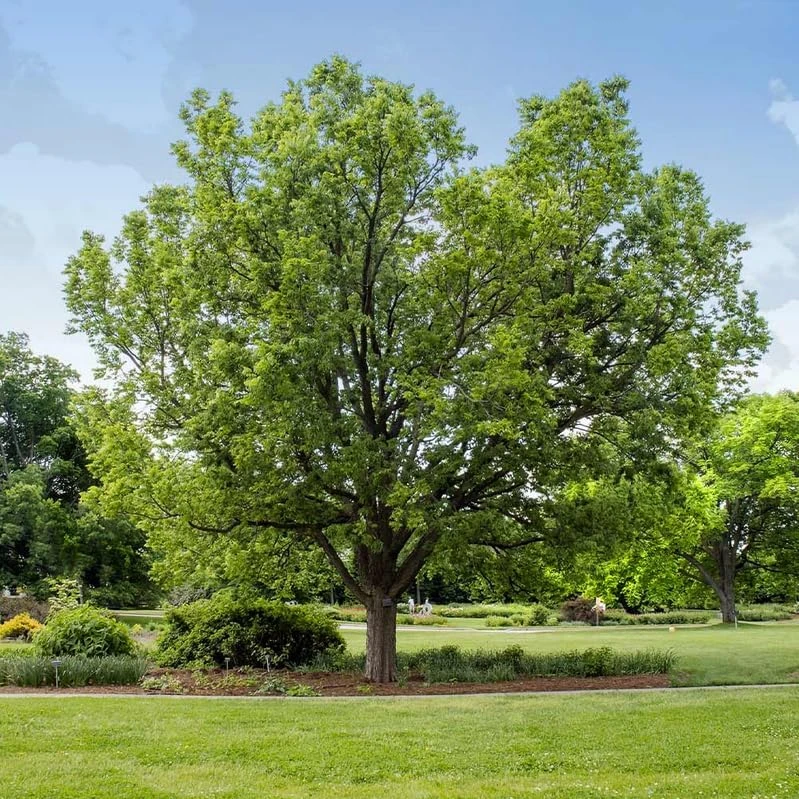
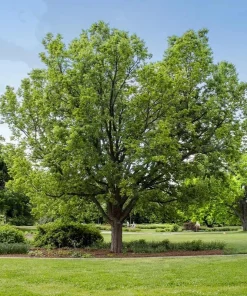
- Fast Growth and Shade: The hackberry tree live plant grows quickly into a large, stately tree. It develops an attractive, wide-spreading canopy that provides excellent natural shade, significantly cooling surrounding areas and enhancing outdoor comfort.
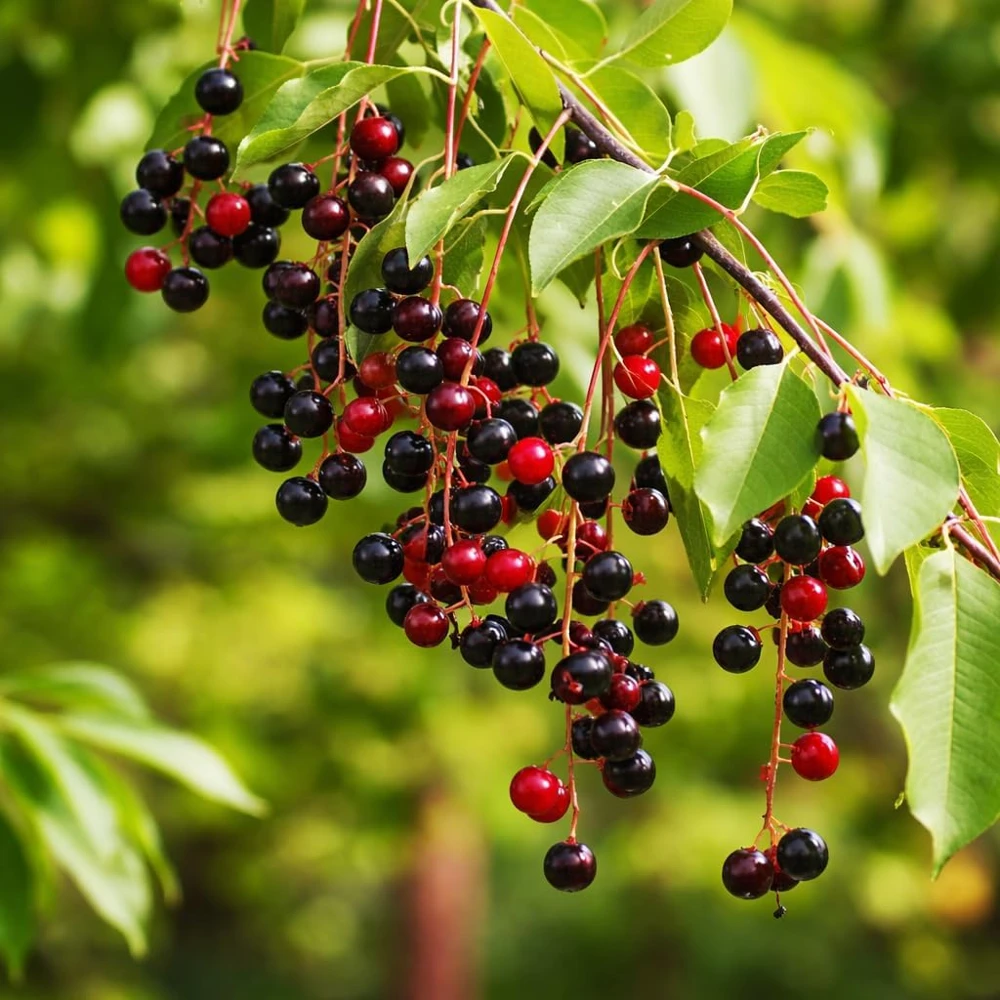
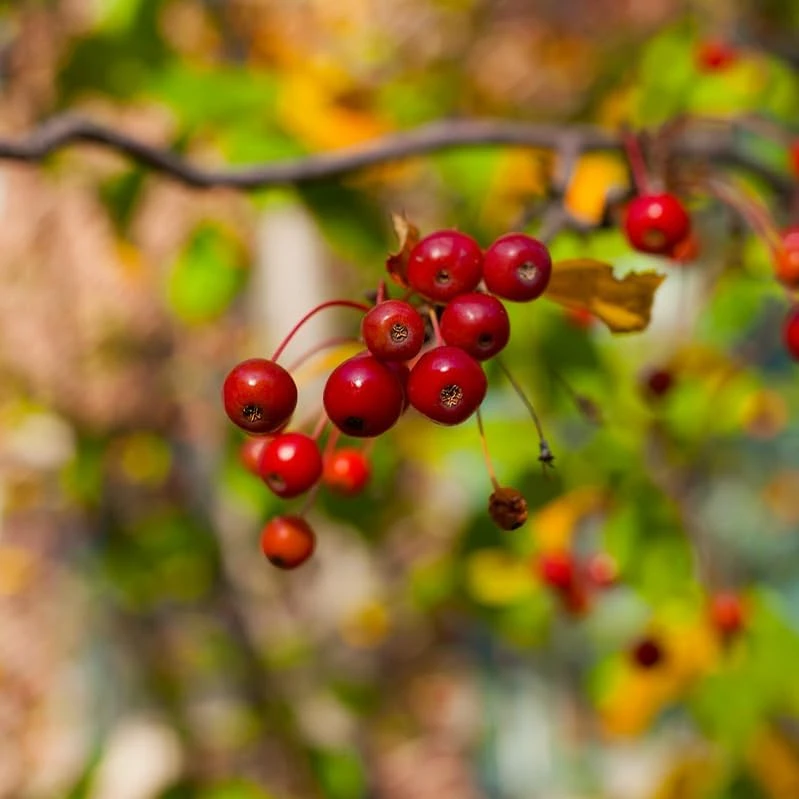
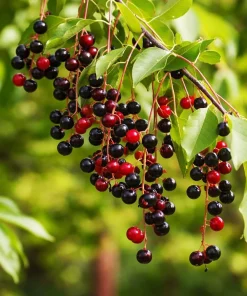
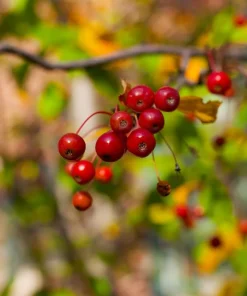
- Wildlife Attraction: In the fall, the hackberry produces small, dark purple berries that are a vital food source for numerous songbird species, including cedar waxwings, robins, mockingbirds, and bluebirds. This makes it a top choice for those looking to create a thriving backyard ecosystem and a valuable wildlife attracting tree.
- Low Maintenance: Once established, the hackberry requires very little attention. It’s highly resistant to pests and diseases, and its tolerance for diverse conditions means less watering and care, offering a virtually maintenance-free shade solution.
- Unique Aesthetic Appeal: As the tree matures, its bark develops a distinctive corky, ridged texture, providing unique visual interest throughout the year, even in winter when leaves have fallen.
- Native and Environmentally Friendly: As a native shade tree, the hackberry supports local ecosystems and biodiversity. Planting native species helps to restore natural habitats and reduces the need for extensive irrigation or chemical treatments.
- Soil Adaptability: It adapts to almost any soil type, from sandy to clay, making it versatile for various planting sites across its wide hardiness range.
Plant Care & Growing Tips
Caring for your hackberry tree live plant is straightforward, thanks to its robust nature. This tree is incredibly forgiving and thrives with minimal intervention once established. For optimal growth, plant your hackberry in a location that receives full sun to partial shade. Full sun (at least 6 hours of direct sunlight daily) will encourage the fastest growth and densest canopy. While tolerant of various soil conditions, a well-draining soil is always beneficial, though the hackberry can handle heavy clay or sandy soils better than many other species. Avoid extremely waterlogged conditions, especially during establishment.
When first planting your common hackberry tree, ensure it receives consistent moisture to help its root system establish. Water deeply once or twice a week, depending on rainfall and soil type, for the first year. After establishment, it becomes highly drought-tolerant and will rarely need supplemental watering except during extended dry periods. Fertilization is generally not necessary for hackberry trees in good soil, but if your soil is particularly poor, a balanced, slow-release tree fertilizer can be applied in early spring. Pruning is usually limited to removing dead, damaged, or crossing branches to maintain a strong structure and desired shape. The hackberry is hardy in USDA zones 2 through 9, demonstrating its incredible range and ability to withstand both cold winters and hot summers. Monitor for common tree pests and diseases, though the hackberry is generally quite resistant. Its resilience makes it an excellent choice for those seeking a low-effort, high-reward native shade tree.
Size & Details
This offering includes a healthy hackberry tree live plant that is approximately 6 to 12 inches tall. These young trees are typically shipped in a quart-sized pot, providing a well-developed root system ready for transplanting into your garden. The common hackberry tree is known for its relatively fast growth rate, often adding 1 to 2 feet in height per year under ideal conditions. When mature, it can reach impressive heights of 40 to 60 feet with a similar spread, forming a beautiful, broad canopy. The exact mature size will depend on growing conditions and climate.
This species is a deciduous tree, meaning it will lose its leaves in the fall, revealing its distinctive corky bark. The vibrant green foliage provides dense shade during the warmer months. As a drought tolerant tree, it’s an excellent choice for sustainable landscaping. The small, dark purple berries produced in autumn are a key feature, attracting various bird species. This bare root plant is an economical and effective way to introduce this hardy, beneficial tree to your landscape, allowing it to establish its roots directly in its permanent home.
Frequently Asked Questions
- Q: How big does this hackberry tree get? A: This hackberry tree live plant is currently 6-12 inches tall. It can grow to a mature height of 40-60 feet with a similar spread, developing a large, stately canopy over time.
- Q: Is this an indoor or outdoor plant? A: The common hackberry tree is an outdoor landscape tree. It is not suitable for indoor cultivation and requires ample space to grow to its mature size.
- Q: How much sunlight does a hackberry tree need? A: Hackberry trees thrive in full sun, meaning at least 6 hours of direct sunlight per day. They can tolerate partial shade but may have slower growth and a less dense canopy.
- Q: Is this plant easy to care for? A: Yes, the hackberry tree live plant is considered very easy to care for. Once established, it is highly tolerant of drought, heat, poor soils, and requires minimal maintenance, making it an excellent choice for beginners and busy gardeners.
- Q: What condition will the tree arrive in? A: Your hackberry tree live plant will arrive as a healthy, young plant, typically in a quart-sized pot, with a well-developed root system, ready for planting.
- Q: When is the best time to plant a hackberry tree? A: The best time to plant a hackberry tree is in spring or fall, when temperatures are moderate. This allows the tree to establish its root system before extreme heat or cold.
- Q: Will this tree attract wildlife to my yard? A: Absolutely! The common hackberry tree is a fantastic wildlife attracting tree. Its dark purple berries are a favorite food source for many bird species in the fall and winter.
- Q: What USDA hardiness zones is the hackberry tree suitable for? A: The hackberry tree is incredibly adaptable and hardy in USDA zones 2 through 9, covering a vast range of climates across North America.
- Q: Is the hackberry tree drought tolerant? A: Yes, it is an exceptionally drought tolerant tree once established, making it a great choice for water-wise landscaping and areas prone to dry spells.
- Q: What kind of soil does a hackberry tree prefer? A: While tolerant of a wide range of soil types, including clay and sandy soils, the hackberry prefers well-draining soil. It is very adaptable and can thrive even in poor soil conditions.
Be the first to review “Hackberry Tree Live Plant – 6-12″ Tall, Fast Growing Native Shade Tree”
People Also Viewed
Reviews
There are no reviews yet.