
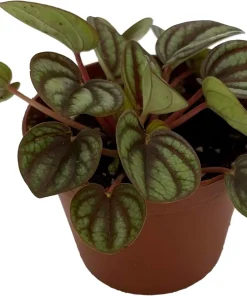
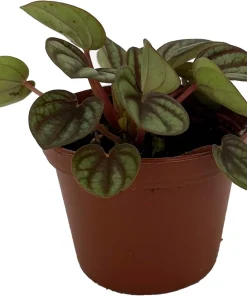
Peacock Peperomia Live Plant – Peperomia albovittata – 2.5 Inch Pot – Indoor
Original price was: $30.99.$20.99Current price is: $20.99.
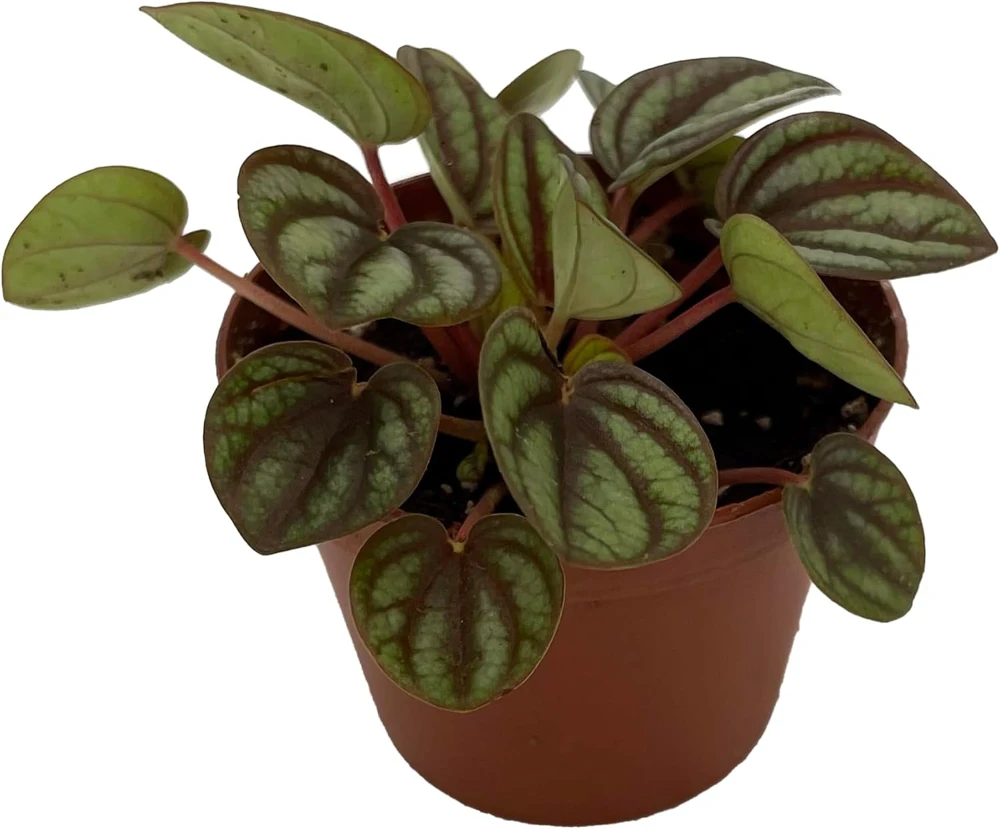
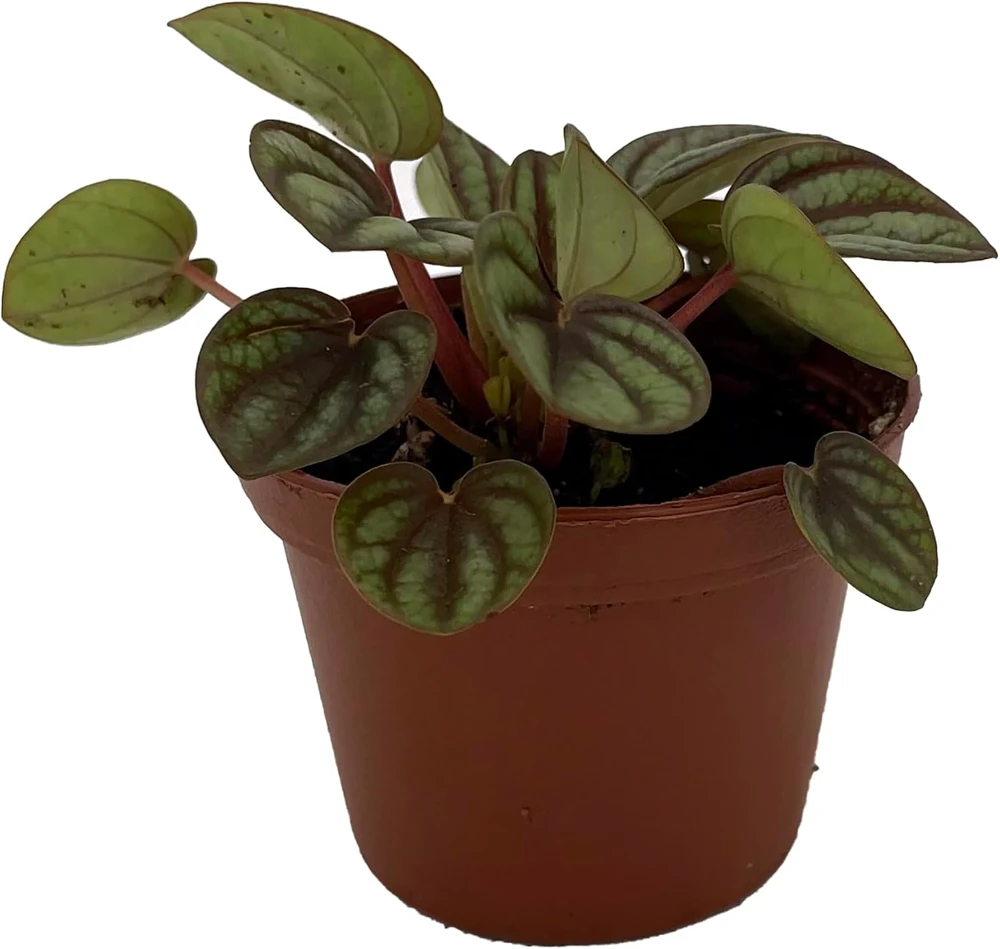
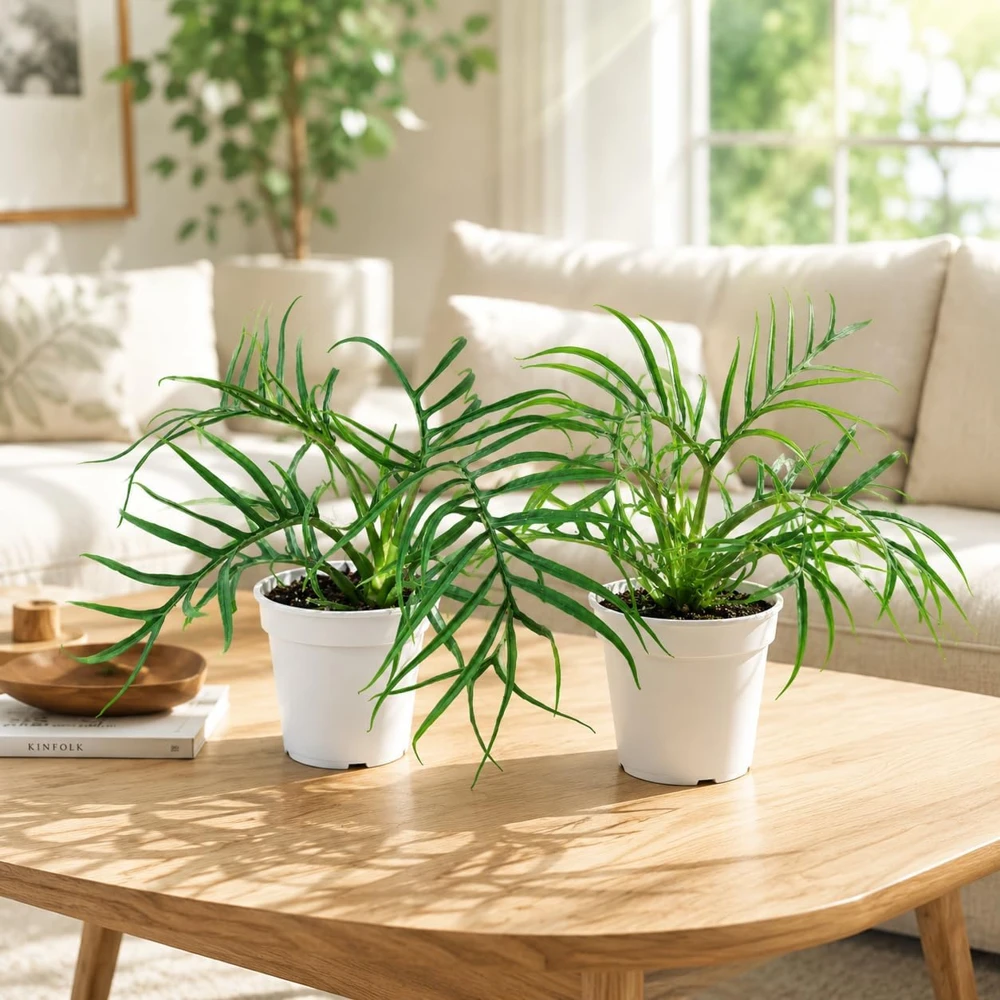
Bring home a beautiful peacock peperomia live plant (Peperomia albovittata) in a 2.5 inch pot. This stunning houseplant features silvery-green leaves with deep-textured veins, offering a vibrant touch to any indoor space. Known for its compact growth and ease of care, it’s an ideal choice for both beginners and experienced plant enthusiasts.
Estimated arrival
Sep 29
Oct 04 - Oct 06
Oct 09 - Oct 13
Shop With Confidence
30-Day Plant Health Guarantee
Arrives damaged? We’ll replace it free — see our return policy.
Responsive Support
Email us anytime, we reply within 1 business day.
Expert Packaging
Temperature-controlled shipping to protect your plants in transit.
Secure Checkout
Pay safely with Visa, Mastercard, PayPal.
Plant Specifications
-
USDA Hardiness Zone
Year-round indoors (USDA zones 10-12 if outdoors) -
Soil Type
Well-draining potting mix -
Sunlight Exposure
Bright, indirect light -
Expected Planting Period
Year-round indoors
Overview
Welcome the captivating peacock peperomia live plant (Peperomia albovittata) into your home or office. This striking live plant, often called the Peacock Peperomia, is celebrated for its unique foliage and compact growth habit. Originating from the tropical and subtropical regions of Central and Northern South America, this particular Peperomia species stands out with its silvery-green leaves beautifully accented by green to dark purple, deeply textured veins. As a popular choice for indoor gardening, this easy peperomia plant is perfect for adding a touch of natural elegance to terrariums, dish gardens, or as a charming desktop companion. Its slow-growing nature and manageable size make it an excellent option for those seeking a low-maintenance yet visually appealing houseplant. The genus Peperomia encompasses over 1500 species, with Peperomia albovittata care being straightforward, making it an accessible option for all.
The peacock peperomia live plant is a fantastic addition to any plant collection, known for its distinctive appearance. Its resilience and adaptability contribute to its popularity as an indoor peperomia plant. Whether you’re an experienced plant parent or looking for a plant to start your green journey, this Peperomia offers both beauty and simplicity. Its compact form ensures it fits well in various settings, from small apartments to spacious living areas, always bringing a refreshing splash of green.
Key Benefits
The peacock peperomia live plant offers a multitude of benefits, making it a highly desirable choice for indoor plant enthusiasts. Its unique aesthetics and easy-care nature contribute to its widespread appeal:
- Stunning Foliage: The most striking feature of the Peacock Peperomia is its silvery-green leaves with intricate, deep-textured green to dark purple veins. This vibrant pattern adds a sophisticated and exotic touch to any indoor space, making it a focal point in your plant display.
- Compact Growth: This Peperomia species maintains a small, centralized growth habit, making it ideal for small spaces such as desks, shelves, or windowsills. It’s perfect for terrariums and dish gardens where space is limited, providing lush greenery without overwhelming the area.
- Easy to Grow: Known as an easy peperomia plant, the Peacock Peperomia is remarkably forgiving and requires minimal attention. It thrives with basic care, making it an excellent choice for beginners or those with busy lifestyles who still want to enjoy the beauty of live plants.
- Versatile Use: Beyond its use as a traditional potted plant, the peacock peperomia live plant can be incorporated into various decorative setups. Its adaptability allows it to flourish in terrariums, bottle gardens, and as small indoor shrubs, complementing diverse interior design styles.
- Air Purifying Qualities: Like many houseplants, Peperomias contribute to a healthier indoor environment by helping to filter airborne toxins. While not as potent as some larger plants, it still plays a role in enhancing air quality.
- Pet-Friendly: Peperomia albovittata is generally considered non-toxic to pets, offering peace of mind for pet owners. This makes it a safe and beautiful addition to homes with curious cats and dogs.
- Low Maintenance: This plant prefers to be on the dry side, reducing the frequency of watering. Its preference for bright, indirect light also means it doesn’t demand direct sun, simplifying placement within your home.
Plant Care & Growing Tips
Caring for your peacock peperomia live plant is straightforward, making it an excellent choice for both novice and experienced plant parents. Understanding its basic needs will ensure your plant thrives and displays its beautiful foliage.
Sunlight Requirements: The peacock peperomia live plant thrives in bright, indirect light. Placing it near an east or north-facing window is ideal, as it provides ample light without the harshness of direct sun, which can scorch its delicate leaves. If your home lacks sufficient natural light, a grow light can be used, ensuring it receives about 10-12 hours of light daily. Avoid low-light conditions, as this can lead to leggy growth and duller leaf coloration. For optimal Peperomia albovittata care, rotate your plant occasionally to ensure even growth.
Watering Schedule and Soil Moisture: One of the most crucial aspects of easy peperomia plant care is proper watering. Peperomias prefer their soil to dry out between waterings. Water thoroughly when the top 1-2 inches of soil feel dry to the touch. Overwatering is a common mistake and can lead to root rot, so it’s always better to underwater slightly than to overwater. Reduce watering frequency during the cooler, darker months of winter. Ensure your pot has drainage holes to prevent waterlogging.
Soil Type and Drainage Requirements: A well-draining potting mix is essential for the health of your indoor peperomia plant. A standard houseplant potting mix amended with perlite or orchid bark works well to improve aeration and drainage. This helps prevent the soil from becoming too compacted and holding excess moisture, which is vital for preventing root issues. Good drainage is key to successful peperomia for beginners.
Temperature Range and USDA Hardiness Zone: Peperomias are tropical plants and prefer warm, stable temperatures between 65-80°F (18-27°C). Avoid exposing your plant to sudden temperature fluctuations or cold drafts. They are not frost-tolerant and are typically grown indoors in all USDA zones. If you live in a warm, humid climate, you might be able to grow them outdoors in shaded areas, but generally, they are considered indoor plants. Humidity levels of 50% or higher are appreciated, which can be achieved with a humidifier or pebble tray.
Fertilization Schedule and Type: Fertilize your peacock peperomia live plant sparingly during its active growing season (spring and summer) with a balanced liquid fertilizer diluted to half strength. Fertilizing once every 2-4 weeks is usually sufficient. Avoid fertilizing in the fall and winter when the plant’s growth naturally slows down. Excessive fertilization can lead to nutrient burn, so less is often more with these plants.
Common Problems and Solutions: Yellowing leaves can indicate overwatering or nutrient deficiency. Adjust your watering schedule and consider a light feeding. Drooping leaves might mean the plant is thirsty, or conversely, suffering from root rot if the soil is consistently wet. Pests like spider mites or mealybugs can occasionally affect Peperomias. Inspect your plant regularly and treat any infestations with insecticidal soap or neem oil. With consistent peperomia albovittata care, these issues are usually easily managed.
Size & Details
This peacock peperomia live plant is supplied in a 2.5 inch pot, making it a perfect starter plant for any collection. Typically, Peperomia albovittata maintains a compact size, reaching a height of about 6-8 inches and a similar spread, making it ideal for tabletops, shelves, and terrariums. Its slow growth rate means it won’t outgrow its space quickly, requiring infrequent repotting. The plant is shipped as a rooted, live specimen, ready to be placed in its new home. Expect vibrant, healthy foliage upon arrival, characteristic of a well-cared-for indoor peperomia plant. While it doesn’t produce showy flowers, its intricate leaves provide year-round visual interest. This easy peperomia plant is a wonderful choice for those seeking a manageable and decorative botanical accent.
Frequently Asked Questions
- Q: How big does this plant get? A: The peacock peperomia live plant typically grows to a compact size of about 6-8 inches in height and spread, making it suitable for small spaces. Its slow growth habit ensures it remains manageable for a long time.
- Q: What size pot does it come in? A: This Peperomia albovittata is delivered in a 2.5 inch pot, which is a great size for initial placement and allows for easy transplanting if desired.
- Q: Is this an indoor or outdoor plant? A: The peacock peperomia live plant is primarily an indoor peperomia plant due to its tropical origins and sensitivity to cold temperatures. It thrives in stable indoor environments.
- Q: How much sunlight does it need? A: This plant prefers bright, indirect light. Avoid direct harsh sunlight, which can scorch its leaves. An east or north-facing window is often ideal for optimal Peperomia albovittata care.
- Q: Is this plant easy to care for? A: Yes, it is considered an easy peperomia plant and is well-suited for beginners. Its simple care requirements, like allowing the soil to dry between waterings, make it very forgiving.
- Q: What condition will it arrive in? A: Your peacock peperomia live plant will arrive as a healthy, rooted specimen in its nursery pot, carefully packaged to ensure safe transit and ready for immediate display.
- Q: Is it pet-safe? A: Yes, Peperomia albovittata is generally considered non-toxic to pets, making it a safe choice for homes with cats and dogs.
- Q: How often should I water my Peacock Peperomia? A: Water your peacock peperomia live plant when the top 1-2 inches of soil are dry to the touch. It’s better to underwater slightly than to overwater, as they are susceptible to root rot.
- Q: What kind of soil is best for this plant? A: A well-draining potting mix is crucial. You can use a standard houseplant mix amended with perlite or orchid bark for improved drainage and aeration.
- Q: Is this a good plant for beginners? A: Absolutely! Its resilience and minimal demands make it an excellent choice for anyone new to plant care, solidifying its reputation as a great peperomia for beginners.
Be the first to review “Peacock Peperomia Live Plant – Peperomia albovittata – 2.5 Inch Pot – Indoor”
People Also Viewed

Reviews
There are no reviews yet.