
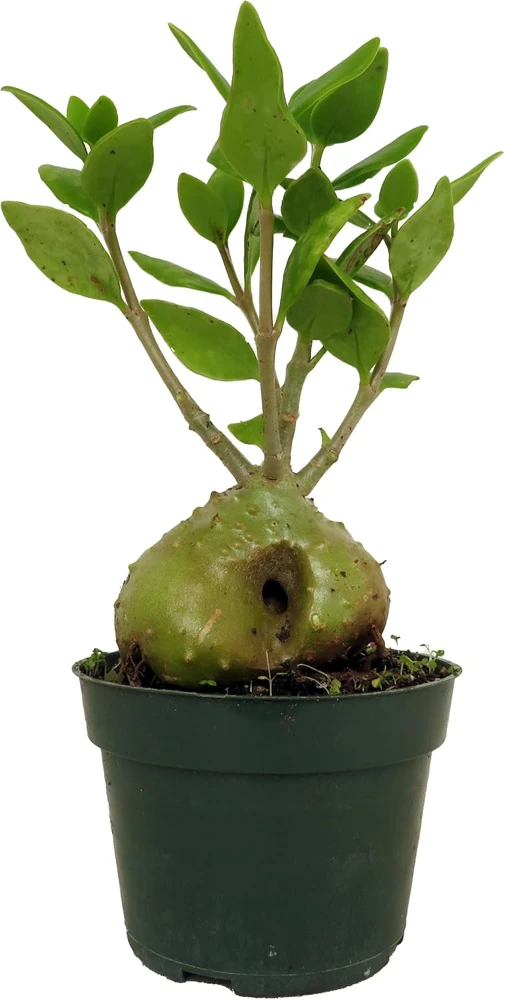
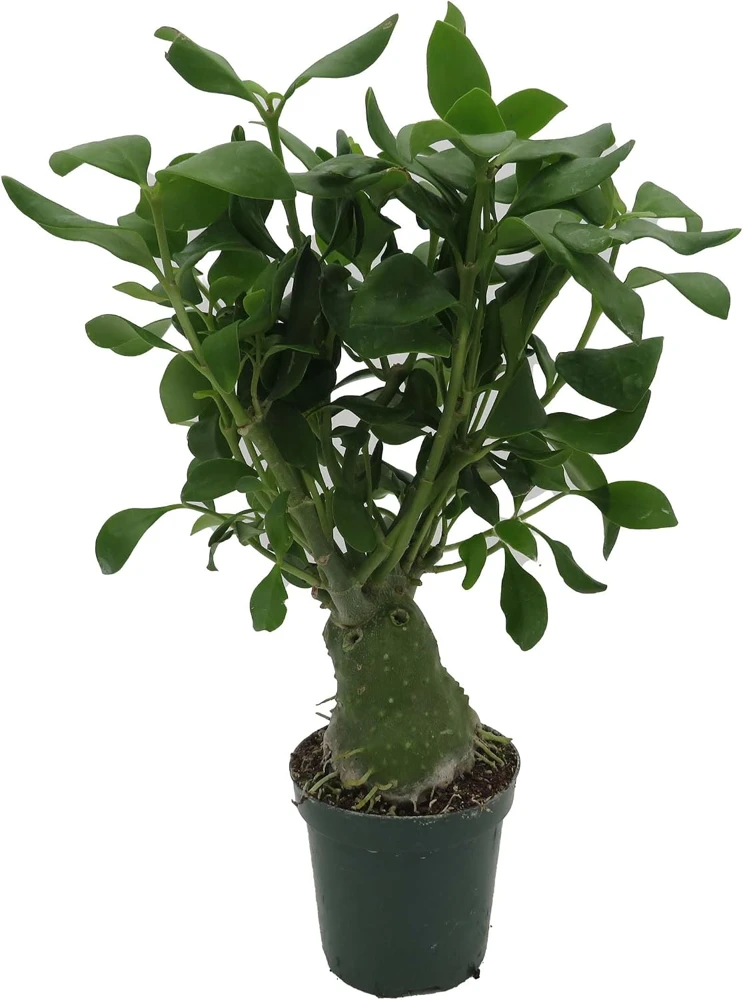
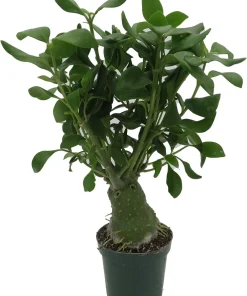
Hydnophytum Papuanum Ant Plant – Rare Succulent Live Plant – 4 inch Pot – Indoor
Original price was: $42.99.$32.99Current price is: $32.99.
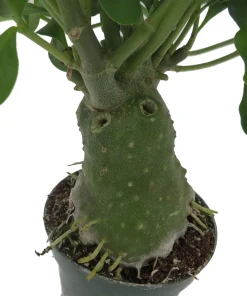
Bring home a truly unique botanical specimen with the Hydnophytum papuanum ant plant. This rare succulent houseplant features an intriguing swollen caudex, perfect for adding a conversation piece to your indoor collection. Easy to care for and thrives in bright, indirect light.
Estimated arrival
Sep 29
Oct 04 - Oct 06
Oct 09 - Oct 13
Shop With Confidence
30-Day Plant Health Guarantee
Arrives damaged? We’ll replace it free — see our return policy.
Responsive Support
Email us anytime, we reply within 1 business day.
Expert Packaging
Temperature-controlled shipping to protect your plants in transit.
Secure Checkout
Pay safely with Visa, Mastercard, PayPal.
Plant Specifications
-
USDA Hardiness Zone
USDA zones 10-11 (indoors elsewhere) -
Soil Type
Well-draining succulent or cactus mix -
Sunlight Exposure
Bright indirect light, morning sun -
Expected Planting Period
Year-round indoors
Overview
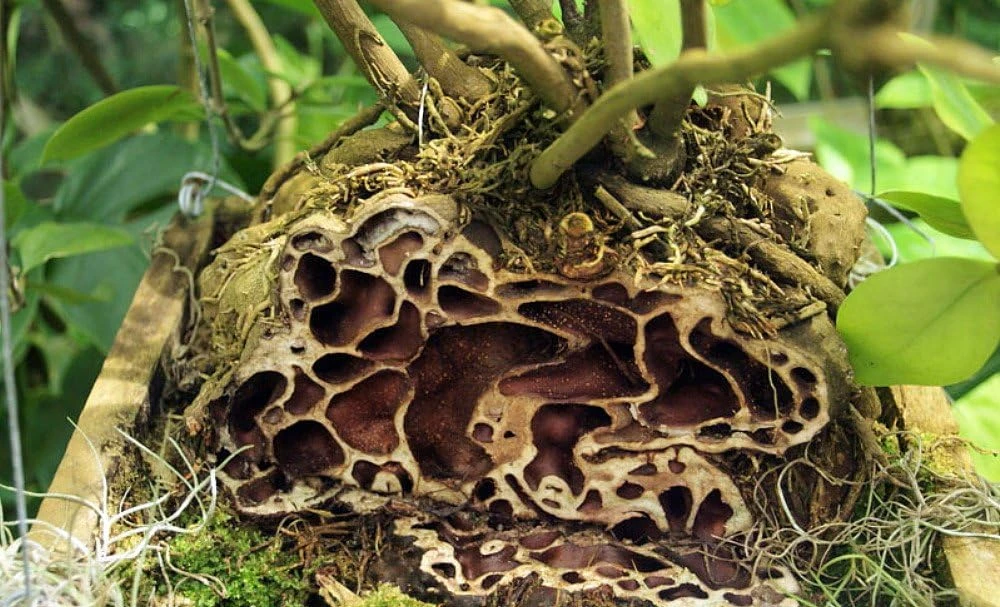
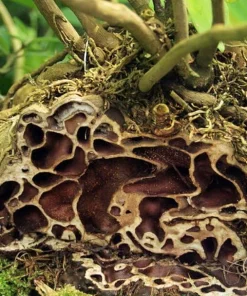
The Hydnophytum papuanum ant plant is a captivating and rare succulent houseplant, originating from the rainforests of Southeast Asia and Northern Australia. Known for its distinctive swollen caudex, this fascinating epiphytic myrmecophyte forms a symbiotic relationship with ants in its natural habitat, providing shelter within its hollow, tunneled stems. However, rest assured, this unique plant thrives perfectly well as an indoor specimen without the need for ants. Its unusual form and relatively easy care make it an ideal choice for collectors seeking a truly uncommon addition to their indoor garden. The name Hydnophytum is derived from Ancient Greek words meaning “tuber” and “plant,” aptly describing its appearance. This particular variety, Hydnophytum papuanum ant plant, is highly sought after for its ornamental value and intriguing biology.
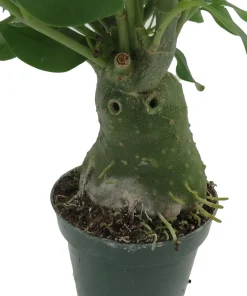
Often referred to simply as an “ant plant” or “ant-house plant,” the Hydnophytum papuanum is a live plant specimen that will arrive in a 4-inch pot, ready to adorn your home. Its striking appearance, with its succulent-like caudex and delicate foliage, makes it a focal point in any plant collection. Despite its exotic origins and complex natural symbiosis, caring for this plant indoors is surprisingly straightforward, making it accessible even to those new to collecting a rare succulent houseplant.
Key Benefits
Owning a Hydnophytum papuanum ant plant offers numerous benefits, from its unique aesthetic appeal to its relatively low-maintenance requirements, making it a rewarding addition to any indoor space.
- Exceptional Visual Interest: The most striking feature is its large, swollen caudex, which develops intricate tunnels. This unique growth habit makes it an instant conversation starter and a captivating focal point in any room.
- Low Maintenance: Despite its exotic appearance, this rare succulent houseplant is surprisingly easy to care for, requiring infrequent watering and moderate light, perfect for busy plant enthusiasts.
- Adaptable Indoor Plant: Thrives well indoors, adapting to typical household environments without the need for its natural ant partners. It’s a great option for those looking for an indoor succulent that stands out.
- Air Purifying Qualities: Like many houseplants, the Hydnophytum papuanum contributes to a healthier indoor environment by naturally filtering airborne toxins, improving air quality in your home.
- Collector’s Item: Due to its unusual nature and specific origins, this plant is considered a collector’s item, offering a sense of exclusivity and botanical rarity to your collection.
- Educational Value: Provides an excellent opportunity to learn about myrmecophytes and symbiotic relationships in nature, making it a great educational tool for all ages.
- Unique Gifting Option: A perfect gift for plant lovers, succulent enthusiasts, or anyone who appreciates a truly unique houseplant.
Plant Care & Growing Tips
Caring for your Hydnophytum papuanum ant plant is relatively simple, ensuring it thrives and continues to be a beautiful focal point in your home. This plant prefers bright, indirect light. Place it near an east or west-facing window where it can receive morning sun or very bright, filtered light throughout the day. Avoid harsh, direct afternoon sun, which can scorch its leaves and caudex. In its natural habitat, it grows under the canopy, so mimicking this filtered light is crucial for healthy growth. If you notice the caudex or leaves starting to shrivel, it might be receiving too much direct light or not enough water.
When it comes to watering, treat your Hydnophytum papuanum like a succulent. It stores water in its swollen caudex, so it’s important to allow the soil to dry out completely between waterings. Overwatering is the most common cause of problems, leading to root rot. Stick your finger about an inch or two into the soil; if it feels dry, it’s time to water. Reduce watering frequency during the cooler, darker winter months when the plant’s growth slows. For soil, a well-draining potting mix is essential. A cactus or succulent mix, possibly amended with perlite or orchid bark, will provide the aeration and drainage this indoor succulent needs. This type of mix prevents water from sitting around the roots, protecting the plant from rot.
The ideal temperature range for your ant plant care is between 65-80°F (18-27°C). Protect it from temperatures below 50°F (10°C) and sudden drafts. Average household humidity is generally sufficient. Fertilize sparingly during the growing season (spring and summer) with a diluted, balanced liquid fertilizer. Avoid fertilizing in fall and winter. Repotting is only necessary every few years when the plant outgrows its container; choose a pot only slightly larger than the current one. This careful attention to ant plant care will ensure your unique houseplant flourishes.
Size & Details
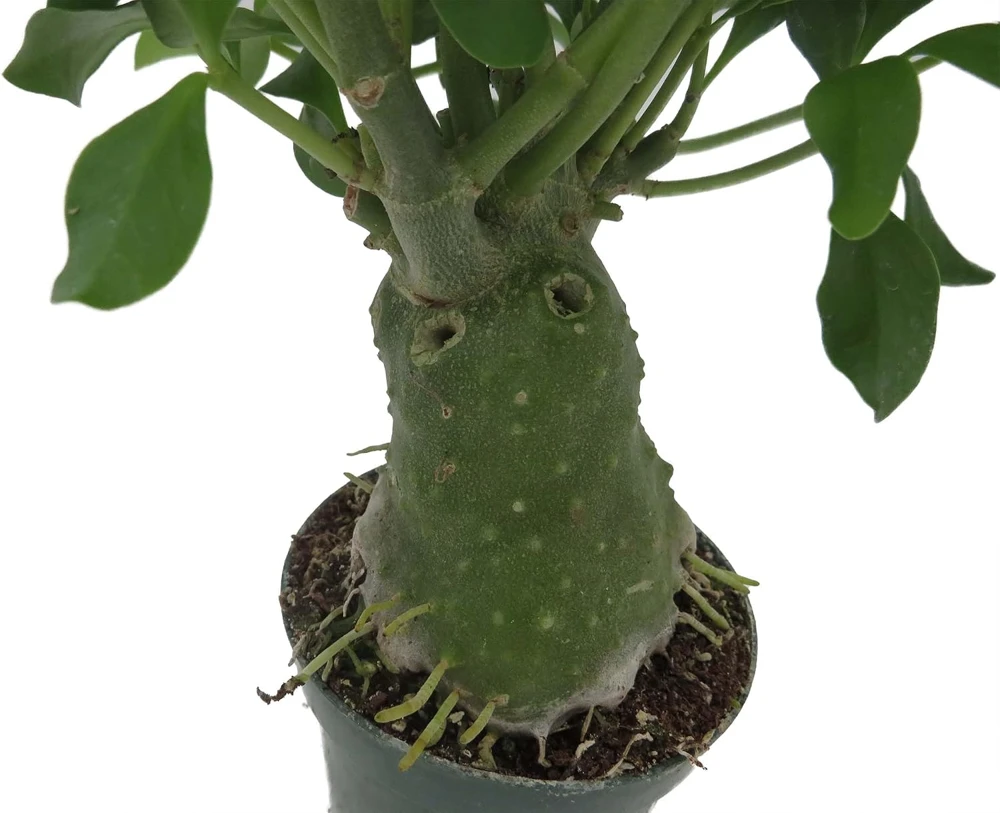
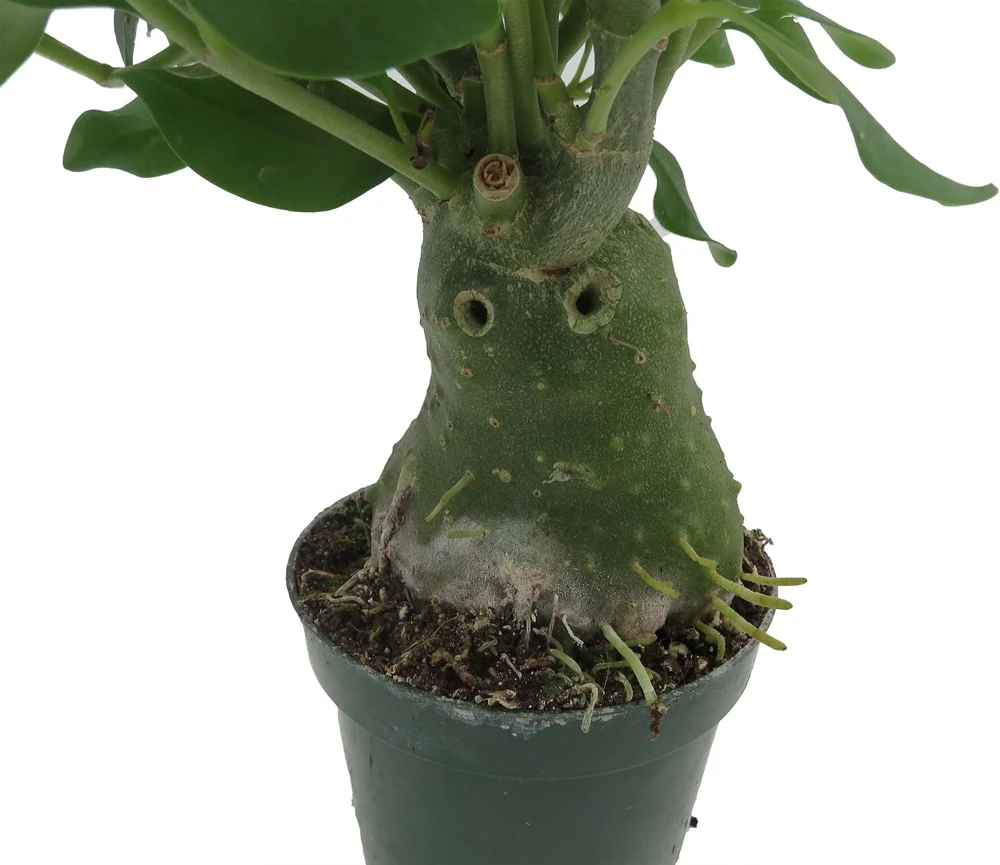
This offering is for one Hydnophytum papuanum ant plant, delivered as a live plant in a 4-inch nursery pot. The measurements for each plant are approximate, but they are typically well-established with a noticeable caudex. The caudex, or swollen stem, can vary in size and shape, adding to the unique character of each individual plant. Over time, with proper care, the caudex will continue to enlarge, developing its intricate network of internal tunnels. The foliage consists of small to medium-sized green leaves, growing from the top of the caudex. This compact size makes it an excellent choice for windowsills, desks, or terrariums, fitting comfortably into smaller spaces while still making a significant visual impact. Expect a slow to moderate growth rate, allowing you to enjoy its development over many years as a truly unique houseplant.
Frequently Asked Questions
- Q: How big does this plant get? A: The Hydnophytum papuanum ant plant typically remains a compact size indoors. While the foliage doesn’t get excessively large, the caudex can continue to grow over many years, potentially reaching several inches in diameter, making it a prominent feature.
- Q: Is this an indoor or outdoor plant? A: This is primarily an indoor plant in most climates, especially in the US. It thrives in typical household temperatures and humidity, making it an excellent indoor succulent. It can be placed outdoors in warm, humid, frost-free environments during summer, but should be brought inside before temperatures drop.
- Q: How much sunlight does it need? A: The Hydnophytum papuanum prefers bright, indirect light. Morning sun or filtered light throughout the day is ideal. Avoid direct, harsh afternoon sun which can damage its leaves and caudex.
- Q: Is this plant easy to care for? A: Yes, for a rare and exotic plant, the ant plant care for Hydnophytum papuanum is relatively easy. Its primary needs are bright indirect light and infrequent watering, allowing the soil to dry completely between waterings. It’s a great option for those looking for a unique plant that isn’t overly demanding.
- Q: What condition will it arrive in? A: Your Hydnophytum papuanum ant plant will arrive as a healthy, live plant in a 4-inch nursery pot, carefully packaged to ensure its safe transit. We strive to deliver plants in excellent condition, ready for you to enjoy.
- Q: Is it shipped in soil? A: Yes, the plant is shipped established in its 4-inch nursery pot with appropriate soil, ensuring it has everything it needs to arrive safely and continue thriving in your home.
- Q: Do I need ants for this plant to survive? A: No, you do not need ants for the Hydnophytum papuanum to thrive as a houseplant. While it forms a symbiotic relationship with ants in its natural habitat, it grows perfectly well without them in a home environment.
- Q: What’s the minimum temperature this plant can tolerate? A: This plant is sensitive to cold. It thrives in temperatures between 65-80°F (18-27°C) and should not be exposed to temperatures below 50°F (10°C), as frost or prolonged cold can be damaging.
- Q: What kind of soil is best for a rare succulent houseplant like this? A: A well-draining potting mix is crucial. A specialized cactus or succulent mix, possibly enhanced with extra perlite or orchid bark for added aeration, is highly recommended to prevent waterlogging and root rot.
- Q: When is the best time to repot this plant? A: Repotting is generally needed every 2-3 years, or when the plant has significantly outgrown its container. The best time to repot is during the spring or early summer, when the plant is actively growing.
Be the first to review “Hydnophytum Papuanum Ant Plant – Rare Succulent Live Plant – 4 inch Pot – Indoor”
People Also Viewed
Houseplants
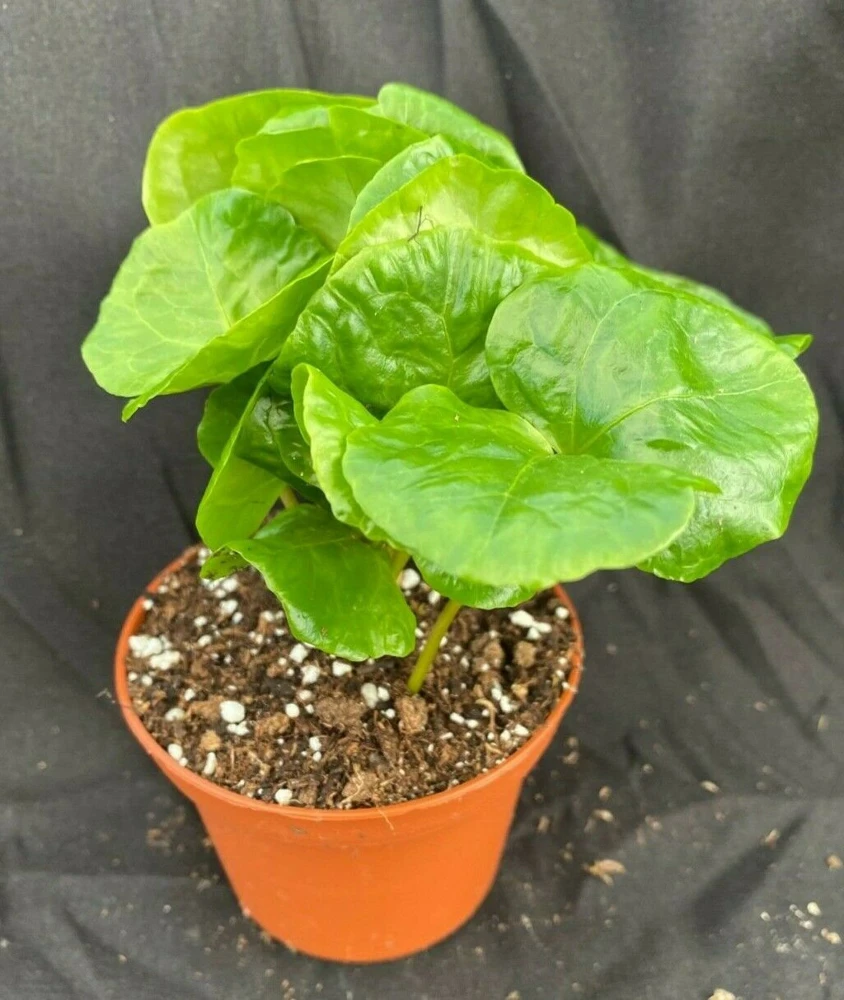
Coffea Arabica Live Plant – Grow Your Own Coffee Tree – Rooted in 3 inch Pot – Indoor Houseplant
Shrubs
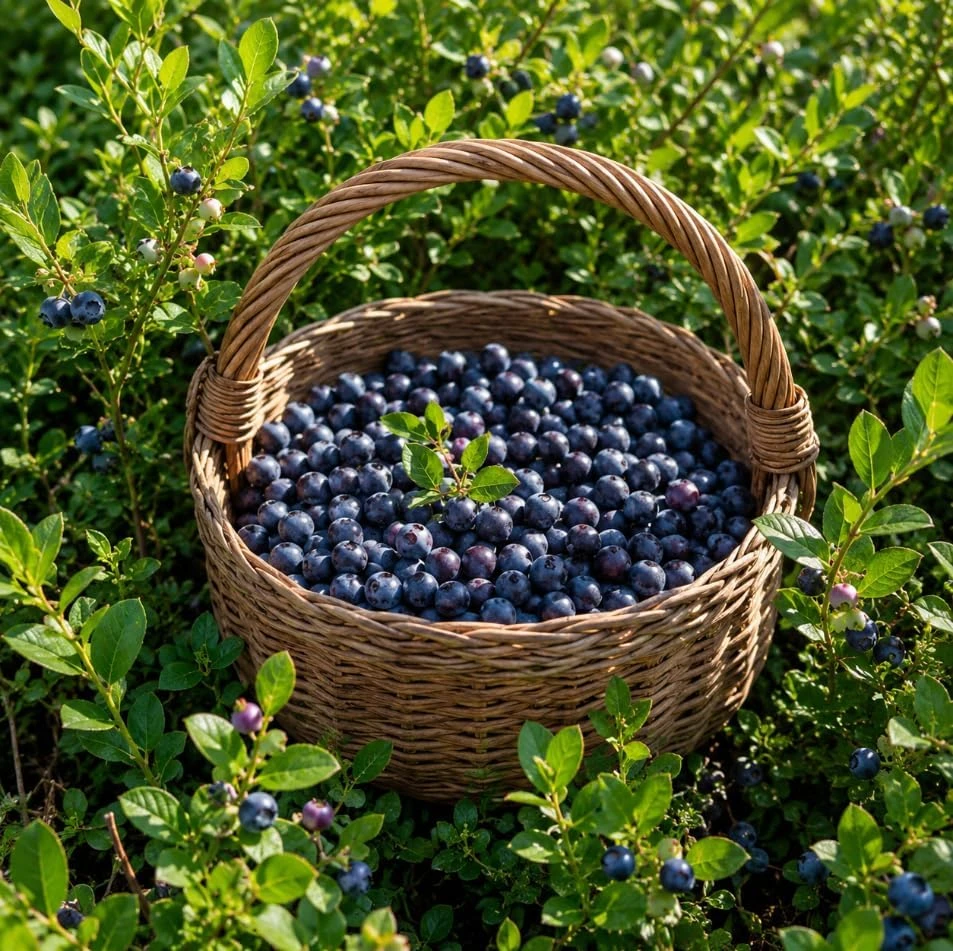
Set of 2 Black Huckleberry Live Plants, Sweet Outdoor Garden Bushes, 4-7 Inch Tall, 4 Inch Pot
Fruits
Dwarf Cavendish Banana Live Plant, Musa Acuminata, 4-6 Inch Tall, Tropical Fruit for Patio & Garden
Reviews
There are no reviews yet.