

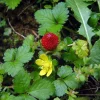
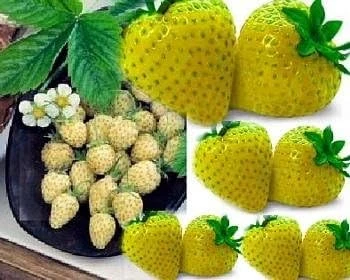
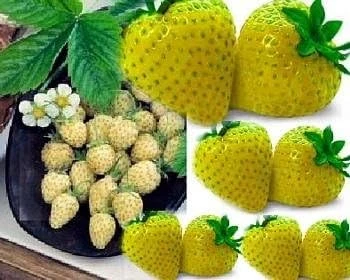
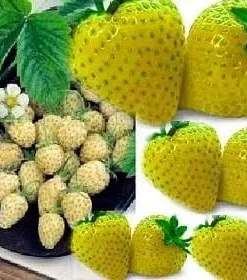
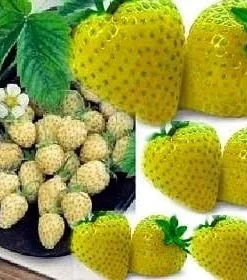
Yellow Wonder Alpine Strawberry Seeds – 10 Seeds – Bird Resistant, Zones 4-9
Original price was: $27.99.$17.99Current price is: $17.99.
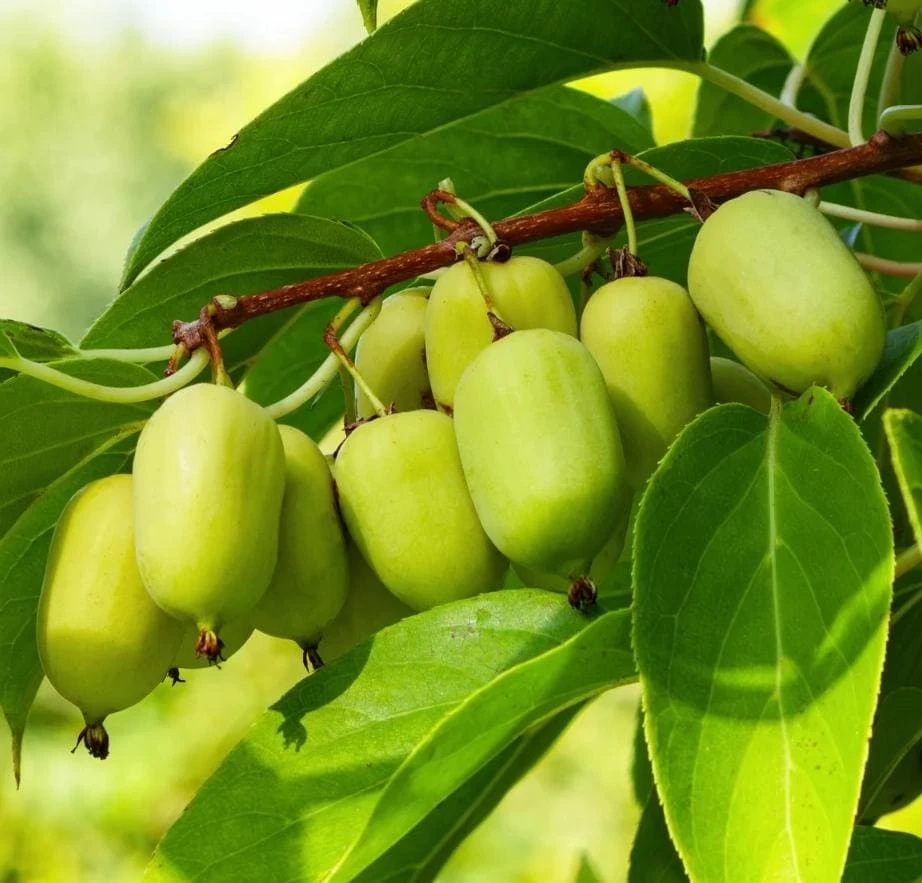
Cultivate your own sweet and aromatic yellow wonder alpine strawberry seeds. This non-trailing variety yields firm, bright yellow fruits that are naturally bird-resistant, reducing the need for protective netting. Perfect for gardens in Hardy Zones 4-9, thriving in sun to part-sun conditions. Easy to grow and makes an excellent ground cover.
Estimated arrival
Sep 29
Oct 04 - Oct 06
Oct 09 - Oct 13
Shop With Confidence
30-Day Plant Health Guarantee
Arrives damaged? We’ll replace it free — see our return policy.
Responsive Support
Email us anytime, we reply within 1 business day.
Expert Packaging
Temperature-controlled shipping to protect your plants in transit.
Secure Checkout
Pay safely with Visa, Mastercard, PayPal.
Plant Specifications
-
USDA Hardiness Zone
USDA Zones 4-9 -
Soil Type
Rich, well-draining soil -
Sunlight Exposure
Full sun to partial sun -
Expected Planting Period
Spring to early summer (after last frost)
Overview
Discover the delightful world of yellow wonder alpine strawberry seeds, a unique and highly sought-after variety for any home gardener. These exceptional seeds grow into compact, non-trailing plants that produce an abundance of firm, sweet, and aromatic yellow fruit. Unlike traditional red strawberries, the bright yellow color of these berries naturally deters birds, significantly reducing bird damage and eliminating the need for protective netting. This makes cultivation much easier and more rewarding. Known scientifically as Fragaria vesca ‘Yellow Wonder’, this alpine strawberry is a true gem, offering a gourmet taste and an attractive addition to your garden or patio. Whether you’re an experienced gardener or just starting, these alpine strawberry seeds promise a bountiful harvest with minimal fuss.
The yellow wonder alpine strawberry seeds are incredibly versatile, performing well as a ground cover, in containers, or along borders. They are renowned for their continuous fruiting throughout the growing season, providing a steady supply of fresh, delicious berries. Their vigorous growth and disease resistance make them a reliable choice for organic gardening. Enjoy fresh, flavorful strawberries directly from your garden, knowing that your efforts are protected from avian foragers thanks to their unique coloration.
Key Benefits
Growing yellow wonder alpine strawberry seeds offers numerous advantages for both novice and seasoned gardeners. These plants are not only productive but also add aesthetic appeal to your landscape. Here are some key benefits:
- Bird Resistance: The most significant advantage is the natural deterrence of birds. The yellow color of the fruit makes them less appealing to birds, which means more delicious berries for you and less time spent on protective measures. This feature makes them ideal for gardeners looking for bird resistant strawberries.
- High Yields: Despite their compact size, these plants are prolific producers, yielding a continuous supply of sweet, aromatic fruit throughout the season. You’ll enjoy fresh strawberries for an extended period.
- Compact & Non-Trailing: Perfect for small spaces, containers, or as an attractive ground cover. Their non-trailing habit keeps your garden tidy and manageable, making them a great choice for various garden designs.
- Easy to Grow: These alpine strawberries are remarkably easy to cultivate, making them suitable for beginners. They require minimal care once established and are relatively disease-resistant. Learning how to grow alpine strawberries is a straightforward process.
- Delicious Flavor: The yellow fruits are celebrated for their intense, sweet, and aromatic flavor, often described as more complex than traditional red strawberries. They are excellent for fresh eating, desserts, or preserves.
- Hardy & Adaptable: Thrives in USDA Zones 4-9, demonstrating excellent cold hardiness and adaptability to various climates. They perform well in both full sun and partial shade.
- Attractive Foliage: Beyond the fruit, the plants themselves have attractive green foliage, adding beauty to your garden even when not fruiting.
Plant Care & Growing Tips
Caring for your yellow wonder alpine strawberry seeds is straightforward, ensuring a bountiful harvest with proper attention. These plants are quite resilient but thrive with specific conditions. For germination, sow seeds indoors 8-10 weeks before the last frost. Lightly cover the seeds or press them onto the soil surface, as they require light for germination. Keep the soil consistently moist and at a temperature around 65-70°F (18-21°C). Once seedlings are strong enough, transplant them outdoors after the danger of frost has passed.
Sunlight requirements:Yellow wonder alpine strawberry seeds prefer full sun to partial shade. Full sun (6+ hours of direct sunlight) will result in the highest fruit production, but they can tolerate partial shade (4-6 hours of direct sunlight), especially in hotter climates where afternoon shade can prevent scorching. Ensure good air circulation to prevent fungal issues. These plants are known for their adaptability, making fragaria vesca yellow a versatile choice for different light conditions.
Watering schedule and soil moisture preferences: Keep the soil consistently moist but not waterlogged. Strawberries have shallow roots, so they dry out quickly. Water deeply, especially during dry spells and when the plants are fruiting. A good rule of thumb is to water when the top inch of soil feels dry to the touch. Mulching around the plants can help retain soil moisture and suppress weeds. Proper watering is key to understanding how to grow alpine strawberries successfully.
Soil type and drainage requirements: These plants prefer rich, well-draining soil with a slightly acidic to neutral pH (6.0-7.0). Amend heavy clay soils with compost or other organic matter to improve drainage. Sandy soils can benefit from compost to increase water retention and nutrient availability. Good drainage is crucial to prevent root rot.
Temperature range and USDA hardiness zone:Yellow wonder alpine strawberry seeds are hardy in USDA Zones 4-9. They can tolerate cold winters and hot summers within this range. In colder zones, a layer of mulch can provide extra winter protection. In hotter zones, some afternoon shade can prevent stress. This wide hardiness range makes them a robust choice for many regions.
Fertilization schedule and type: Fertilize your strawberry plants in early spring when new growth appears and again after the main fruiting period. Use a balanced, all-purpose granular fertilizer or an organic option like compost tea. Avoid high-nitrogen fertilizers, as they can promote leafy growth at the expense of fruit production. For bird resistant strawberries, consistent feeding ensures strong plants.
Size & Details
This offering includes 10 high-quality yellow wonder alpine strawberry seeds, carefully selected for optimal germination and growth. Once mature, these compact plants typically reach a height of 6-12 inches and spread about 10-12 inches wide, forming neat clumps rather than sending out runners like traditional strawberries. This non-trailing habit makes them ideal for defined garden spaces, container gardening, or as an attractive edible ground cover. The seeds are ready to be sown, with germination typically occurring within 7-21 days under optimal conditions. Plants usually begin producing fruit in their first year, with peak production in their second and third years. Expect a continuous harvest of small, intensely flavored yellow berries throughout the summer months. These alpine strawberry seeds provide a long-term source of delicious, unique fruit for your home garden.
Frequently Asked Questions
- Q: How big do Yellow Wonder Alpine Strawberry plants get? A: These plants are compact, typically growing to about 6-12 inches tall and spreading 10-12 inches wide. They form neat clumps and are non-trailing, making them perfect for small spaces or borders.
- Q: Is this an indoor or outdoor plant? A: While they can be started indoors from yellow wonder alpine strawberry seeds, these plants are primarily grown outdoors. They are hardy in USDA Zones 4-9 and thrive in garden beds, raised beds, or outdoor containers.
- Q: How much sunlight does it need? A: Yellow Wonder Alpine Strawberries prefer full sun (6+ hours of direct sunlight) for best fruiting but will also perform well in partial sun (4-6 hours). In very hot climates, some afternoon shade is beneficial.
- Q: Is this plant easy to care for? A: Yes, these alpine strawberries are considered very easy to grow, making them an excellent choice for beginners. They are low-maintenance once established, especially since they are naturally bird resistant strawberries.
- Q: What condition will the seeds arrive in? A: You will receive 10 high-quality yellow wonder alpine strawberry seeds in a protective packet, ready for planting. We ensure careful packaging to maintain seed viability.
- Q: How long until these seeds produce fruit? A: With proper care, plants grown from these alpine strawberry seeds can begin producing fruit in their first year, often within 3-4 months after germination, and will have peak production in subsequent years.
- Q: Will these strawberries survive winter in my zone? A: Yes, these plants are hardy in USDA Zones 4-9. In colder zones (4-5), a layer of mulch can help protect them over winter. They are quite resilient to cold temperatures.
- Q: Why are they called ‘bird resistant’? A: The yellow color of the fruit makes them less visible or appealing to birds compared to traditional red strawberries. This natural camouflage significantly reduces bird damage without the need for netting.
- Q: Can I grow these in containers? A: Absolutely! Their compact, non-trailing habit makes them an excellent choice for container gardening on patios, balconies, or even windowsills. Ensure the containers have good drainage.
- Q: What is the best way to get started with these seeds? A: We recommend starting yellow wonder alpine strawberry seeds indoors 8-10 weeks before your last frost date. Provide light for germination and keep the soil consistently moist until seedlings are ready for transplanting outdoors.
Be the first to review “Yellow Wonder Alpine Strawberry Seeds – 10 Seeds – Bird Resistant, Zones 4-9”
People Also Viewed

Flower Bulbs
5 Fresh Tiger Lily Bulbs – Turk’s Cap Lily Lilium – Bare Root Orange Lilies for Spring Planting

Reviews
There are no reviews yet.