
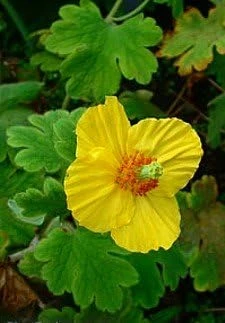
Himalayan Woodland Poppy Seeds – Meconopsis villosa – 25 Seeds
Original price was: $23.99.$13.99Current price is: $13.99.
Discover the enchanting beauty of the Himalayan Woodland Poppy seeds. This packet contains 25 seeds of Meconopsis villosa, perfect for creating a vibrant, ethereal display in your garden. Ideal for woodland settings and partial shade areas, these rare poppies bring a touch of exotic charm with their delicate blooms.
Estimated arrival
Sep 29
Oct 04 - Oct 06
Oct 09 - Oct 13
Shop With Confidence
30-Day Plant Health Guarantee
Arrives damaged? We’ll replace it free — see our return policy.
Responsive Support
Email us anytime, we reply within 1 business day.
Expert Packaging
Temperature-controlled shipping to protect your plants in transit.
Secure Checkout
Pay safely with Visa, Mastercard, PayPal.
Plant Specifications
-
USDA Hardiness Zone
USDA zones 5-8 -
Soil Type
Rich, well-draining, slightly acidic soil -
Sunlight Exposure
Partial to full shade -
Expected Planting Period
Late fall or early spring
Overview
Embark on a captivating gardening journey with our premium Himalayan Woodland Poppy seeds. This offering provides 25 seeds of the exquisite Meconopsis villosa, a species renowned for its delicate charm and stunning blooms. Unlike its more commonly known blue relatives, the Himalayan Woodland Poppy seeds of Meconopsis villosa typically produce soft yellow flowers, bringing a cheerful yet ethereal presence to shaded garden spots. These poppies are a true treasure for enthusiasts looking to cultivate unique and less common floral varieties, making them a fantastic addition to woodland gardens, shaded borders, or contemplative spaces. Growing these beautiful flowers from seed offers a rewarding experience, allowing you to witness their development from tiny beginnings to magnificent blossoms.
The Meconopsis villosa, often simply called the Himalayan Woodland Poppy, is native to the Himalayas, where it thrives in cool, moist, and shaded environments. Its natural habitat provides clues to its cultivation requirements, emphasizing the need for consistent moisture and protection from harsh, direct sunlight. These seeds promise to transform your garden into a serene sanctuary, attracting admiring glances with their unique form and color. Whether you’re an experienced gardener seeking a new challenge or a beginner eager to explore the world of rare plants, learning how to grow Himalayan Poppy from these seeds will be a deeply satisfying endeavor.
Key Benefits
Cultivating Himalayan Woodland Poppy seeds offers a multitude of benefits, enhancing your garden with unique beauty and ecological value. These exquisite flowers are more than just a visual delight; they contribute to a vibrant and healthy garden ecosystem.
- Exotic Beauty: The Meconopsis villosa produces stunning, delicate yellow flowers that are a rare sight in most gardens. Their unique appearance adds an exotic touch and elegance, making your garden stand out.
- Shade Garden Enhancement: Perfect for those challenging shaded areas where many plants struggle, these poppies thrive in partial to full shade, brightening up dim corners with their luminous blooms.
- Pollinator Attraction: The vibrant flowers of the Himalayan Woodland Poppy act as a magnet for beneficial pollinators like bees and butterflies, contributing to the biodiversity and health of your garden.
- Rewarding Growing Experience: Starting these beautiful plants from Meconopsis villosa seeds provides a deeply satisfying experience, allowing you to nurture them from tiny sprouts to magnificent flowering specimens.
- Rare Plant Collection: Adding Meconopsis villosa to your collection elevates your garden’s prestige. These are not common garden varieties, offering a sense of accomplishment and unique beauty to your landscape.
- Calming Ambiance: The gentle sway of their delicate petals and soft coloration create a peaceful, contemplative atmosphere, perfect for a serene garden retreat.
- Drought Resistance (Moderate): Once established, these poppies show a moderate tolerance to less frequent watering, making them a relatively resilient choice for certain garden conditions, though consistent moisture is preferred.
Plant Care & Growing Tips
Successfully growing Himalayan Woodland Poppy seeds, specifically Meconopsis villosa, requires attention to their specific environmental needs, mimicking their natural high-altitude, cool, and moist habitats. Proper care will ensure these delicate beauties flourish in your garden. Starting with the 25 seeds provided, it’s crucial to understand their germination and growth requirements.
Sunlight requirements: These poppies prefer partial to full shade. In their natural habitat, they are often sheltered by taller vegetation. Aim for a location that receives dappled sunlight or morning sun only, with protection from intense afternoon rays. Too much direct sun can scorch their delicate leaves and prevent blooming. For best results on how to grow Himalayan Poppy, select a spot with consistent cool temperatures and indirect light throughout the day. Watering schedule and soil moisture preferences: Consistent moisture is key. The soil should remain evenly moist but never waterlogged. Regular watering, especially during dry spells, is essential. Avoid letting the soil dry out completely between waterings. Overhead watering can sometimes damage the delicate flowers, so consider drip irrigation or watering at the base of the plant. Soil type and drainage requirements:Meconopsis villosa thrives in rich, well-draining, and slightly acidic soil. Amend heavy clay soils with organic matter like compost, peat moss, or leaf mold to improve drainage and aeration. A pH between 5.5 and 6.5 is ideal. Good drainage is crucial to prevent root rot, especially in consistently moist conditions. Temperature range and USDA hardiness zone: These poppies prefer cool temperatures and are generally hardy in USDA zones 5-8, though some varieties can extend to zone 9 with adequate shade and moisture. They do not tolerate hot, humid summers well. Frost protection might be needed for young seedlings in late spring. Fertilization schedule and type: A balanced, slow-release granular fertilizer or a liquid feed applied at half strength during the growing season (spring to early summer) can support healthy growth. Avoid over-fertilizing, which can lead to lush foliage at the expense of flowers. Incorporating well-rotted compost into the soil annually can provide sufficient nutrients. Common problems and solutions: Slugs and snails can be a problem for young plants; use organic slug pellets or physical barriers. Powdery mildew can occur in humid conditions; ensure good air circulation. Yellowing leaves can indicate too much sun, too little water, or nutrient deficiency. Adjust conditions accordingly. Learning to grow Himalayan Poppy successfully often involves a bit of trial and error to find the perfect microclimate in your garden.
Size & Details
This package contains 25 seeds of the enchanting Himalayan Woodland Poppy (Meconopsis villosa), ready for you to cultivate. When mature, these poppies typically grow to a height of 18 to 30 inches (45-75 cm) with a spread of about 12 to 18 inches (30-45 cm), forming an elegant clump of foliage topped with their distinctive blooms. The growth rate is moderate, with flowering usually occurring in late spring to early summer, about 12-18 months after sowing, depending on conditions. The seeds are small and should be sown thinly to allow for proper spacing and development. Each seed has the potential to become a vibrant addition to your woodland garden, contributing to its unique character. The delicate nature of Meconopsis villosa requires a thoughtful approach to planting and aftercare, but the reward of seeing these beautiful flowers bloom is truly unparalleled. Plant these rare poppy seeds in a location where their ethereal beauty can be fully appreciated.
Frequently Asked Questions
- Q: How big does this plant get? A: The Himalayan Woodland Poppy (Meconopsis villosa) typically grows to a height of 18 to 30 inches (45-75 cm) and spreads about 12 to 18 inches (30-45 cm) when mature. These dimensions make it a striking yet manageable plant for woodland gardens.
- Q: What is the best time to plant these Himalayan Woodland Poppy seeds? A: The ideal time to sow Himalayan Woodland Poppy seeds is in late fall or early spring. This allows for natural cold stratification, which aids in germination. For best results on how to grow Himalayan Poppy, consider starting them indoors in late winter.
- Q: Is this an indoor or outdoor plant? A: Meconopsis villosa is primarily an outdoor plant, thriving in cool, shaded garden environments. While you can start the Meconopsis villosa seeds indoors, the mature plant prefers outdoor conditions that mimic its natural Himalayan habitat.
- Q: How much sunlight does it need? A: These poppies prefer partial to full shade. They require protection from intense afternoon sun, which can scorch their delicate leaves. Dappled sunlight or morning sun is ideal for optimal growth and flowering.
- Q: Is this plant easy to care for? A: While not the most challenging, Meconopsis villosa requires specific conditions to thrive, particularly consistent moisture and shade. It’s considered moderately difficult but very rewarding for those willing to provide the right environment for these rare poppy seeds.
- Q: How long until it blooms? A: Typically, the Himalayan Woodland Poppy will bloom in late spring to early summer, usually 12-18 months after sowing the seeds. Patience is key, as these plants establish their root systems before flowering.
- Q: Will it survive winter in my zone? A: Meconopsis villosa is generally hardy in USDA zones 5-8. In colder zones, winter protection may be necessary, and in warmer zones (like zone 9), consistent shade and moisture are crucial for its survival through summer.
- Q: What kind of soil does it prefer? A: These poppies thrive in rich, well-draining, and slightly acidic soil. Amending the soil with plenty of organic matter like compost or leaf mold will provide the best conditions for growth.
- Q: What condition will the Meconopsis villosa seeds arrive in? A: The 25 seeds will arrive in a protective packet, ensuring their viability for planting. They are carefully packaged to maintain their quality during transit.
- Q: Do these poppies attract pollinators? A: Yes, the beautiful flowers of the Himalayan Woodland Poppy are known to attract various pollinators, including bees and butterflies, contributing to a healthy garden ecosystem.
Be the first to review “Himalayan Woodland Poppy Seeds – Meconopsis villosa – 25 Seeds”
People Also Viewed
Reviews
There are no reviews yet.