


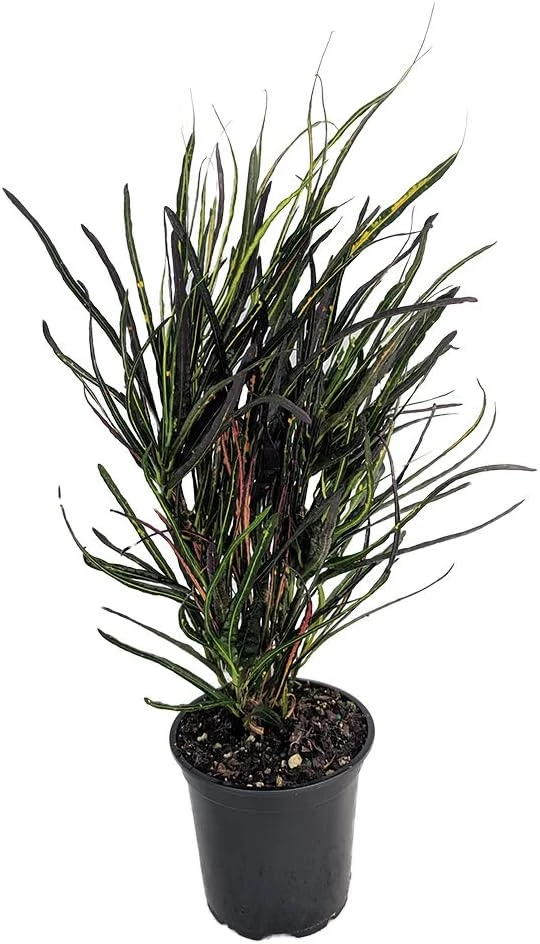



Picasso’s Paintbrush Croton Live Plant – 4 inch Pot – Colorful Houseplant Indoor
Original price was: $46.99.$36.99Current price is: $36.99.
Bring a burst of color into your home with the Picasso’s Paintbrush Croton, a stunning colorful house plant. This 4-inch potted live plant features unique, narrow leaves with vibrant hues of green, purple, red, yellow, and orange, making it an excellent focal point for any indoor space. It’s an easy-to-grow variety, perfect for adding texture and visual interest.
Estimated arrival
Sep 29
Oct 04 - Oct 06
Oct 09 - Oct 13
Shop With Confidence
30-Day Plant Health Guarantee
Arrives damaged? We’ll replace it free — see our return policy.
Responsive Support
Email us anytime, we reply within 1 business day.
Expert Packaging
Temperature-controlled shipping to protect your plants in transit.
Secure Checkout
Pay safely with Visa, Mastercard, PayPal.
Plant Specifications
-
USDA Hardiness Zone
Year-round indoors (USDA zones 9-11 outdoors) -
Soil Type
Well-draining potting mix -
Sunlight Exposure
Bright indirect light -
Expected Planting Period
Year-round indoors
Overview
Discover the captivating beauty of the Picasso’s Paintbrush Croton, a truly remarkable colorful house plant that promises to transform any indoor environment. This live plant, scientifically known as Croton Codiaeum variegatum, is celebrated for its incredibly vibrant and diverse foliage. Unlike many other plants, the ‘Picasso’s Paintbrush’ variety stands out with its distinct narrow, thread-like leaves that grow in an upright habit, showcasing a stunning palette of green, purple, red, yellow, and orange. Each leaf is a miniature work of art, with colors blending and contrasting to create a dynamic display. Originating from tropical regions, this croton thrives indoors, bringing a touch of exotic charm and a splash of natural color to your living space. It’s a fantastic choice for plant enthusiasts looking for something unique and eye-catching to add to their collection.
As a collector’s series plant, the Picasso’s Paintbrush Croton is sought after for its distinctive appearance and relatively straightforward care requirements, making it an ideal choice for both novice and experienced plant parents. Its unique leaf shapes and color patterns make it a conversation starter and a natural focal point in any room. This specific offering includes a healthy live plant in a 4-inch nursery pot, ready to be placed in your preferred decorative container and begin its journey of growth and vibrant display in your home.
Key Benefits
The Picasso’s Paintbrush Croton offers numerous benefits, making it an exceptional addition to your indoor plant collection. Its striking appearance and relatively easy care contribute to a more vibrant and engaging home environment. This colorful house plant is more than just a decorative item; it’s a living piece of art that enriches your daily life.
- Stunning Visual Appeal: The most prominent benefit is its breathtaking foliage. With narrow, upright leaves displaying a rich tapestry of green, purple, red, yellow, and orange, it provides unparalleled visual interest and serves as an instant focal point in any room.
- Enhances Indoor Aesthetics: Its vibrant colors and unique leaf shape make it a perfect accent piece for modern or eclectic decor, adding a lively and sophisticated touch to your home or office.
- Relatively Easy Care: Despite its exotic appearance, the Croton Codiaeum variegatum ‘Picasso’s Paintbrush’ is surprisingly manageable. With consistent care regarding light and moisture, it can thrive and maintain its vibrant coloration.
- Air Purifying Qualities: Like many houseplants, crotons contribute to a healthier indoor environment by helping to filter airborne toxins, although to a lesser extent than some other species.
- Conversation Starter: Its unique and artistic foliage is sure to captivate guests and spark conversations, making it an excellent plant for social areas.
- Compact Size: Supplied in a 4-inch pot, it’s perfect for desks, shelves, windowsills, or as part of a larger plant arrangement, fitting comfortably in smaller spaces.
- Year-Round Color: Unlike flowering plants, the croton’s foliage provides consistent, vibrant color throughout the year, ensuring your space always has a cheerful and lively element.
Plant Care & Growing Tips
Caring for your Picasso’s Paintbrush Croton is key to maintaining its stunning coloration and healthy growth. This indoor croton plant thrives with consistent attention to its environmental needs, particularly light and water. To ensure your plant flourishes, replicate its tropical origins as closely as possible within your home.
Sunlight Requirements: The ‘Picasso’s Paintbrush’ croton prefers very bright, indirect light. Placing it near an east or west-facing window where it receives several hours of bright, filtered sunlight is ideal. Direct, harsh afternoon sun can scorch its leaves, while insufficient light will cause the vibrant colors to fade, resulting in more green foliage. Rotate the plant periodically to ensure even light exposure and symmetrical growth. For optimal color, aim for at least 4-6 hours of bright, indirect light daily.
Watering Schedule and Soil Moisture: Keep the soil consistently moist but never waterlogged. Allow the top inch of soil to dry out slightly between waterings. Overwatering can lead to root rot, while prolonged dryness can cause leaf drop. Stick your finger into the soil to check moisture levels before watering. Reduce watering frequency during winter months when the plant’s growth slows down. Ensure proper drainage to prevent standing water at the bottom of the pot. Humidity is also important; consider misting the leaves regularly or placing the pot on a pebble tray filled with water to increase ambient humidity, especially in dry indoor environments.
Soil Type and Drainage: A well-draining potting mix is crucial for the health of your Croton Codiaeum variegatum. A mix designed for houseplants, often containing peat moss, perlite, and pine bark, will provide good aeration and drainage. Ensure the pot has drainage holes to prevent water accumulation. This helps protect the roots from fungal diseases. While crotons can tolerate a slightly acidic to neutral pH, the primary concern is good drainage.
Temperature Range and USDA Hardiness Zone: Crotons are tropical plants and are sensitive to cold. They thrive in temperatures between 60°F and 85°F (15°C to 29°C). Avoid placing your plant near drafty windows, air conditioning vents, or heating elements that can cause sudden temperature fluctuations. They are not frost-hardy and are typically grown as houseplants outside of USDA Zones 9-11. As an indoor croton plant, maintaining a stable room temperature is more important than outdoor hardiness zones.
Fertilization Schedule and Type: Feed your croton every 2-4 weeks during its active growing season (spring and summer) with a balanced liquid fertilizer diluted to half strength. Reduce or stop fertilizing during the fall and winter months when the plant is dormant. Over-fertilization can lead to nutrient burn, so always follow the product’s instructions. A general-purpose houseplant fertilizer is usually sufficient for good croton plant care.
Common Problems and Solutions: Yellowing leaves can indicate overwatering or under-watering; adjust your schedule accordingly. Leaf drop can be a sign of stress from sudden changes in environment (light, temperature, or humidity). Pests like spider mites, mealybugs, and scale can sometimes affect crotons. Inspect your plant regularly and treat any infestations promptly with insecticidal soap or neem oil. Providing consistent conditions and good air circulation will help prevent many common issues, ensuring your Picasso’s Paintbrush Croton remains vibrant.
Size & Details
This offering includes one healthy Picasso’s Paintbrush Croton live plant, carefully cultivated and ready to bring its striking beauty into your home. Each plant is shipped in a 4-inch nursery pot, providing a stable environment for its roots during transit and allowing for easy transplanting into your preferred decorative container upon arrival. At the time of shipping, the plant typically stands approximately 6-10 inches tall from the base of the pot, with its narrow, upright leaves adding to its distinctive silhouette. While crotons can grow into larger shrubs in ideal outdoor conditions, as an indoor croton plant, its growth can be managed with pruning, typically reaching a mature indoor height of 2-4 feet over several years, making it a versatile addition to various spaces. The growth rate is moderate, allowing you to enjoy its evolving beauty without it quickly outgrowing its space. This plant is a fantastic way to introduce a burst of vibrant, year-round color and unique texture to your indoor garden.
Frequently Asked Questions
- Q: How big does this Picasso’s Paintbrush Croton get? A: As an indoor plant, the Picasso’s Paintbrush Croton typically grows to a height of 2-4 feet over several years. Its narrow, upright growth habit makes it suitable for various indoor spaces, and its size can be managed with occasional pruning.
- Q: What size pot does it come in? A: This colorful house plant is shipped in a standard 4-inch nursery pot. This size is ideal for establishing the plant and allows you to easily transfer it to a decorative planter that matches your home’s aesthetic.
- Q: Is this an indoor or outdoor plant? A: The Picasso’s Paintbrush Croton is primarily grown as an indoor houseplant in most climates. It can be moved outdoors in warm, humid conditions during summer in USDA Zones 9-11, but it must be brought indoors before temperatures drop.
- Q: How much sunlight does it need? A: This Croton Codiaeum variegatum thrives in very bright, indirect light. Too little light will cause its vibrant colors to fade, while too much direct sun can scorch its leaves. An east or west-facing window is often ideal.
- Q: Is this plant easy to care for? A: Yes, with consistent attention to its light and watering needs, the Picasso’s Paintbrush Croton is considered relatively easy to care for. It’s a great choice for those looking for a high-impact plant without overly demanding requirements.
- Q: What condition will it arrive in? A: Your indoor croton plant will arrive as a healthy, live plant in its 4-inch nursery pot, carefully packaged to ensure its safety during transit. It will be ready to be placed in your home or repotted into a larger decorative container.
- Q: Is it shipped in soil? A: Yes, the plant is shipped securely in its original nursery pot with soil, providing a stable and nourished environment for its roots during delivery. This helps minimize transplant shock upon arrival.
- Q: What’s the best way to maintain the vibrant colors of my croton? A: To maintain the intense colors of your Picasso’s Paintbrush Croton, ensure it receives ample bright, indirect light. Consistent moisture and appropriate humidity also contribute to its vibrant foliage. Avoid sudden changes in environment.
- Q: What kind of soil is best for this croton plant care? A: A well-draining potting mix is essential. Look for a mix formulated for houseplants that includes components like peat moss, perlite, or pine bark to ensure good aeration and drainage, preventing root rot.
- Q: Is this croton plant pet-safe? A: No, crotons are considered toxic if ingested by pets and humans. It’s best to keep your Croton Codiaeum variegatum out of reach of pets and small children.
Be the first to review “Picasso’s Paintbrush Croton Live Plant – 4 inch Pot – Colorful Houseplant Indoor”
People Also Viewed












Reviews
There are no reviews yet.