
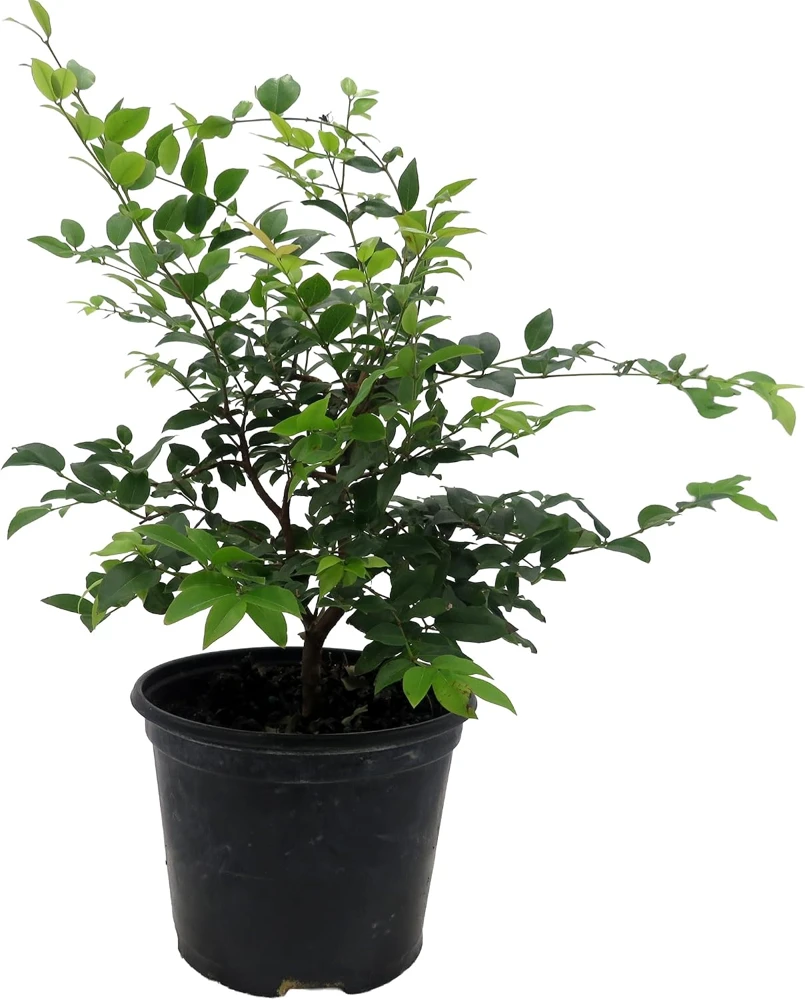
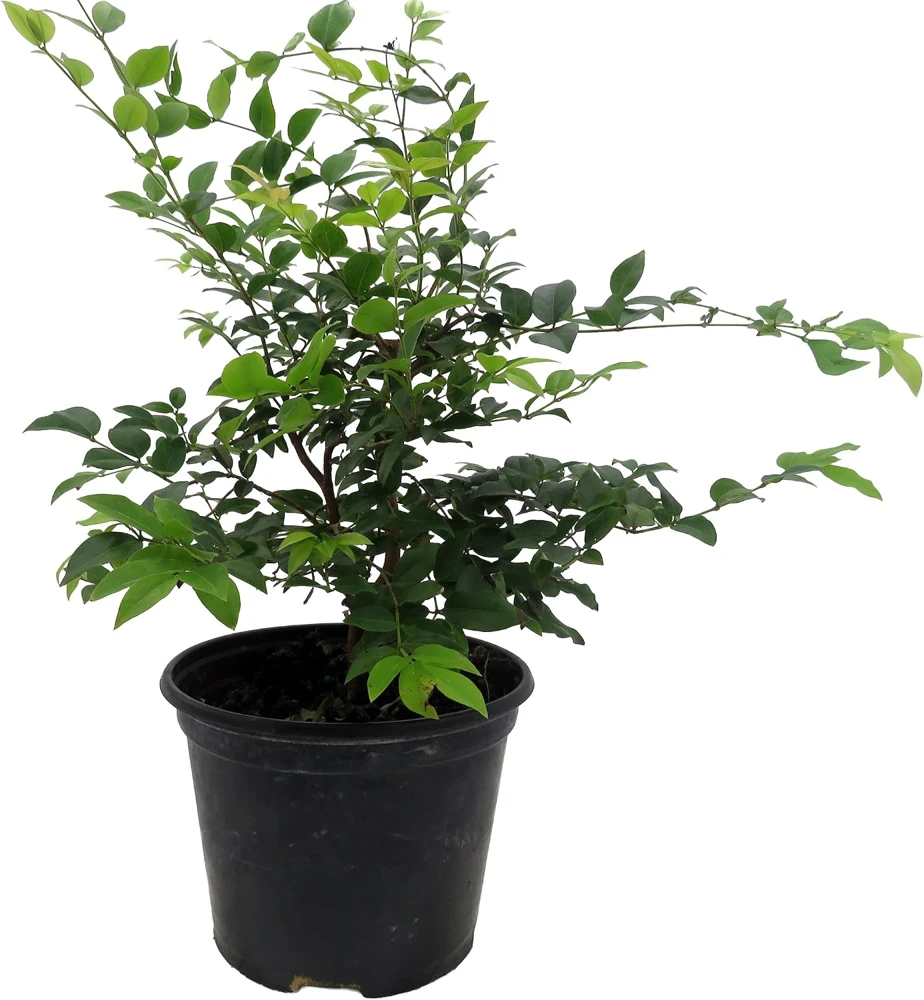
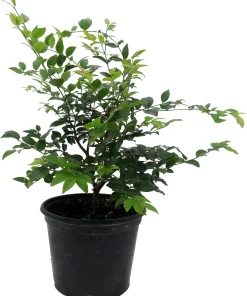
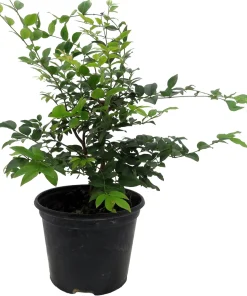
Jabuticaba Fruit Tree Live Plant – 6″ Pot – Brazilian Grape Tree – Outdoor
Original price was: $86.99.$76.99Current price is: $76.99.
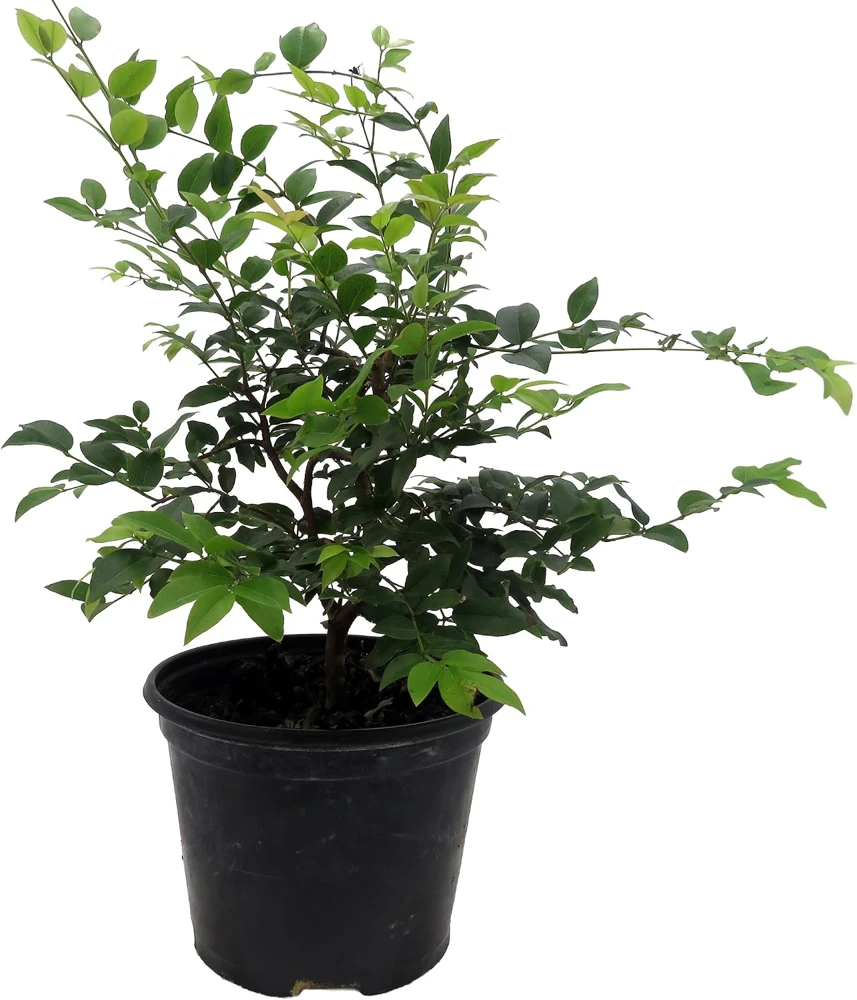
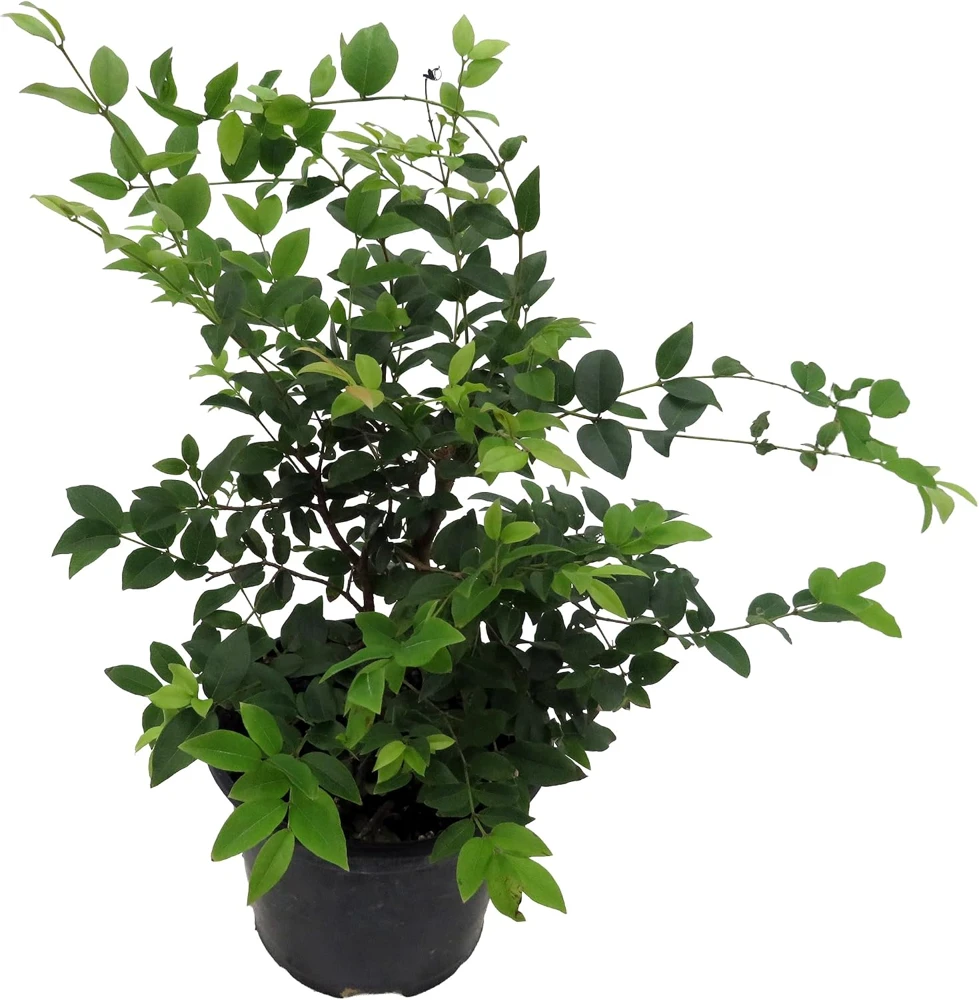
Cultivate your own exotic fruit with the Jabuticaba fruit tree, a unique live plant known as the Brazilian Grape Tree. This 6-inch potted specimen fruits directly on its trunk, offering sweet, edible purple berries. Ideal for tropical climates (zones 10+) or as a patio/indoor plant.
Estimated arrival
Sep 29
Oct 04 - Oct 06
Oct 09 - Oct 13
Shop With Confidence
30-Day Plant Health Guarantee
Arrives damaged? We’ll replace it free — see our return policy.
Responsive Support
Email us anytime, we reply within 1 business day.
Expert Packaging
Temperature-controlled shipping to protect your plants in transit.
Secure Checkout
Pay safely with Visa, Mastercard, PayPal.
Plant Specifications
-
USDA Hardiness Zone
USDA Zone 10+ -
Soil Type
Well-draining, slightly acidic to neutral soil -
Sunlight Exposure
Partial shade to full sun -
Expected Planting Period
Year-round in warm climates, spring to summer for outdoor planting in zone 10+
Overview
Discover the fascinating Jabuticaba fruit tree, a truly unique addition to any garden or patio. Also known as the Brazilian Grape Tree, this live plant (Myrciaria cauliflora) is celebrated for its unusual habit of fruiting directly on its trunk and mature branches. Native to southern Brazil, this member of the Myrtaceae family produces delicious, globular purple berries that are perfect for fresh eating, preserves, or even ice cream. This 6-inch potted plant offers a head start to growing your own exotic fruit, bringing a touch of the tropics to your home. Its distinctive growth pattern and tasty fruit make the Jabuticaba fruit tree a conversation starter and a rewarding plant for enthusiasts.
Key Benefits
The Jabuticaba fruit tree offers a multitude of benefits, from its ornamental appeal to its delectable fruit. Growing this unique plant provides a rewarding experience for gardeners of all levels.
-
Exotic Fruit Production: Enjoy fresh, sweet, purple berries directly from your own tree. The fruit, resembling grapes, is juicy and flavorful, ripening quickly from flower to harvest in about three weeks. This makes the Brazilian Grape Tree a highly productive and exciting plant to cultivate.
-
Unique Ornamental Appeal: The striking cauliflorous habit, where fruit grows directly on the trunk and branches, creates an incredibly distinctive and beautiful display. Its smooth, peeling bark and evergreen foliage with new pinkish growth add year-round visual interest.
-
Versatile Culinary Uses: The versatile fruit can be eaten fresh, used in jams, jellies, juices, or incorporated into desserts like ice cream. Having a fresh supply of this unique fruit opens up many culinary possibilities.
-
Adaptable Growth: While preferring partial shade, the Myrciaria cauliflora plant can tolerate full sun if kept adequately watered. It can be grown in the ground in warm climates or as a container plant for patios and indoors in cooler regions.
-
Long-Lived and Productive: Jabuticaba trees are known for their longevity and can produce fruit for many years, becoming a cherished part of your landscape. With proper care, this fruit bearing tree will provide a continuous supply of delicious berries.
-
Low Maintenance: Once established, these trees are relatively low maintenance, requiring consistent watering and protection from frost in colder zones. They are a good choice for those looking for an interesting and productive plant without excessive fuss.
Plant Care & Growing Tips
Caring for your Jabuticaba fruit tree is straightforward, especially if you understand its preferred growing conditions. Originating from tropical environments, it thrives with consistent attention to its needs. This tropical fruit tree appreciates a balance of light, moisture, and warmth.
For sunlight, the Jabuticaba prefers partial shade, especially in hotter climates, but can adapt to full sun if its water requirements are met. Indoors, aim for a bright location with several hours of indirect sunlight. When it comes to watering, keep the soil consistently moist but never waterlogged. It does not tolerate drying out completely. Use a well-draining soil mix, ideally slightly acidic to neutral, rich in organic matter. Good drainage is crucial to prevent root rot. The Jabuticaba is hardy in USDA zones 10 and above. In cooler climates, it must be protected from freezing temperatures; bring patio plants indoors during winter or provide frost protection. Fertilize regularly during the growing season (spring and summer) with a balanced, slow-release fertilizer or a liquid feed formulated for fruit trees. Watch for common pests like aphids or scale, and treat with organic insecticidal soap if necessary. Pruning is generally minimal, focused on shaping and removing dead or crossing branches.
Size & Details
This offering is for a Jabuticaba fruit tree live plant, supplied in a 6-inch nursery pot. The plant’s measurements are approximate, but it is typically a well-rooted young tree ready for transplanting. Jabuticaba trees are slow-growing but can eventually reach impressive sizes in optimal conditions, often growing 10-20 feet tall in the ground, though they can be kept smaller with pruning or in containers. The fruit typically ranges from 3/4 inch to 1 1/2 inches in diameter. Your plant will arrive carefully packaged to ensure its health and vitality. Expect to see new growth and, eventually, the unique cauliflorous flowers and fruit development on this remarkable Myrciaria cauliflora plant.
Frequently Asked Questions
-
Q: How big does this Jabuticaba fruit tree get? A: In ideal ground conditions, a mature Jabuticaba fruit tree can reach 10-20 feet tall, but it can be maintained at a smaller size with pruning or by growing it in a container. This 6-inch potted plant is a young specimen.
-
Q: Is this an indoor or outdoor plant? A: The Jabuticaba fruit tree is an outdoor plant hardy in USDA zones 10 and above. In colder climates, it can be grown as a patio plant and brought indoors during winter, or cultivated permanently indoors in a bright location.
-
Q: How much sunlight does a Brazilian Grape Tree need? A: While it prefers partial shade, especially in hot afternoons, the Brazilian Grape Tree can tolerate full sun if kept well-watered. Indoors, provide bright, indirect light.
-
Q: Is this fruit bearing tree easy to care for? A: Yes, once established, the Jabuticaba fruit tree is considered relatively easy to care for. Its main requirements are consistent moisture, protection from frost, and good drainage.
-
Q: What condition will the Jabuticaba plant arrive in? A: Your Myrciaria cauliflora plant will arrive as a healthy, live specimen in a 6-inch nursery pot, carefully packaged to minimize stress during transit.
-
Q: How long until this tropical fruit tree bears fruit? A: Jabuticaba trees can take several years to start fruiting from a young plant, typically 3-5 years, but mature plants can fruit multiple times a year.
-
Q: Can I use the fruit for cooking or preserves? A: Absolutely! The delicious purple berries of the Jabuticaba fruit tree are excellent for eating fresh, making jams, jellies, juices, and even incorporating into desserts like pies or ice cream.
-
Q: What kind of soil is best for a Jabuticaba? A: A well-draining, slightly acidic to neutral soil rich in organic matter is ideal for the Jabuticaba fruit tree. Avoid heavy clay soils that retain too much water.
-
Q: Will it survive winter in my zone if I’m below Zone 10? A: If you are in a zone below USDA 10, your Jabuticaba fruit tree will need to be protected from freezing temperatures. It’s best grown in a container that can be moved indoors during colder months.
-
Q: What are some other names for the Jabuticaba fruit tree? A: Besides Brazilian Grape Tree, it is also known as Jaboticaba, Guaperu, Guapuru, Hivapuru, Sabara, and Ybapuru.
Be the first to review “Jabuticaba Fruit Tree Live Plant – 6″ Pot – Brazilian Grape Tree – Outdoor”
People Also Viewed


Reviews
There are no reviews yet.