

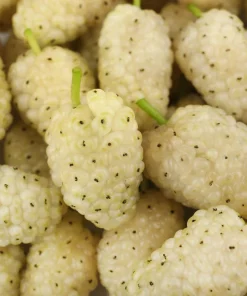
White Mulberry Live Plant – 6-18″ Tall Fruit Tree – Sweet Edible Berries
Original price was: $59.98.$32.99Current price is: $32.99.
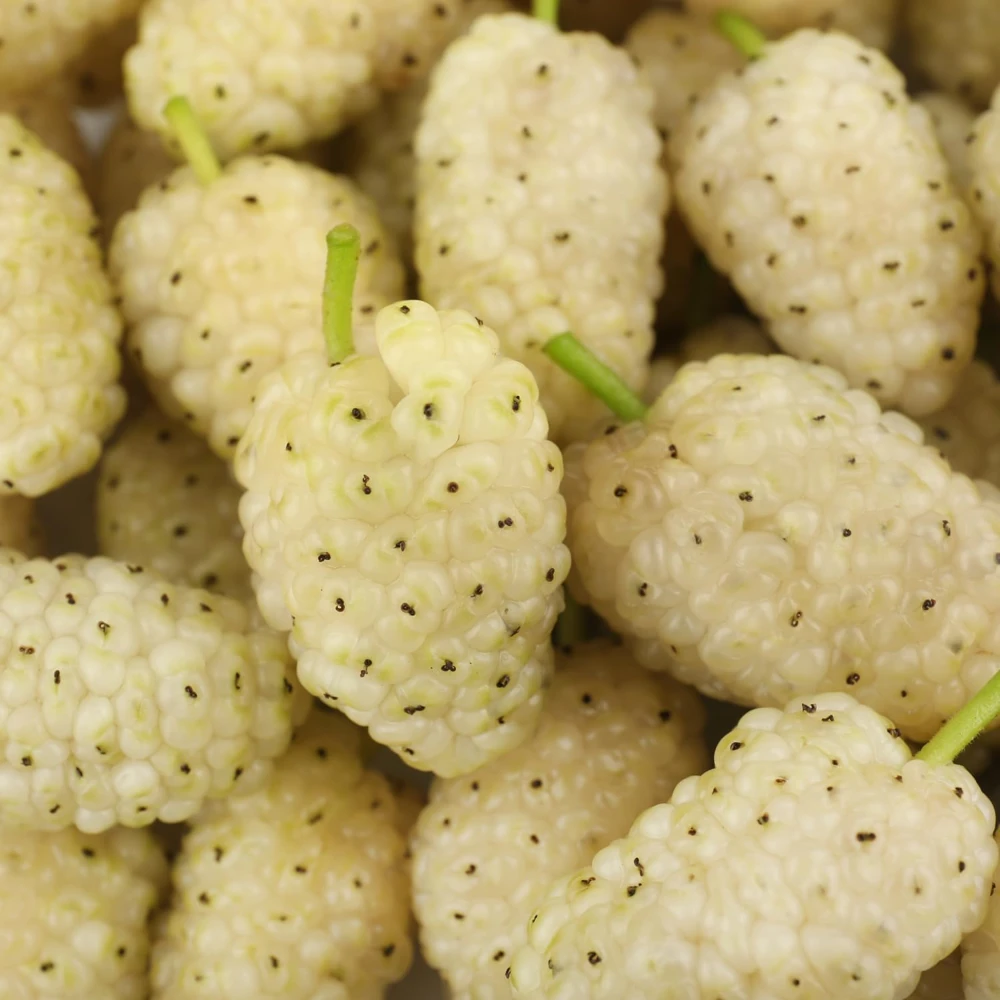
Bring home a white mulberry live plant, approximately 6-18 inches tall, ready to thrive in your garden. This versatile tree produces delicious, edible mulberry berries and offers lush foliage, making it ideal for shade or privacy screens.
Estimated arrival
Oct 14
Oct 19 - Oct 21
Oct 24 - Oct 28
Shop With Confidence
30-Day Plant Health Guarantee
Arrives damaged? We’ll replace it free — see our return policy.
Responsive Support
Email us anytime, we reply within 1 business day.
Expert Packaging
Temperature-controlled shipping to protect your plants in transit.
Secure Checkout
Pay safely with Visa, Mastercard, PayPal.
Plant Specifications
-
USDA Hardiness Zone
USDA zones 4-9 -
Soil Type
Well-draining soil -
Sunlight Exposure
Full sun -
Expected Planting Period
Spring to early fall
Overview
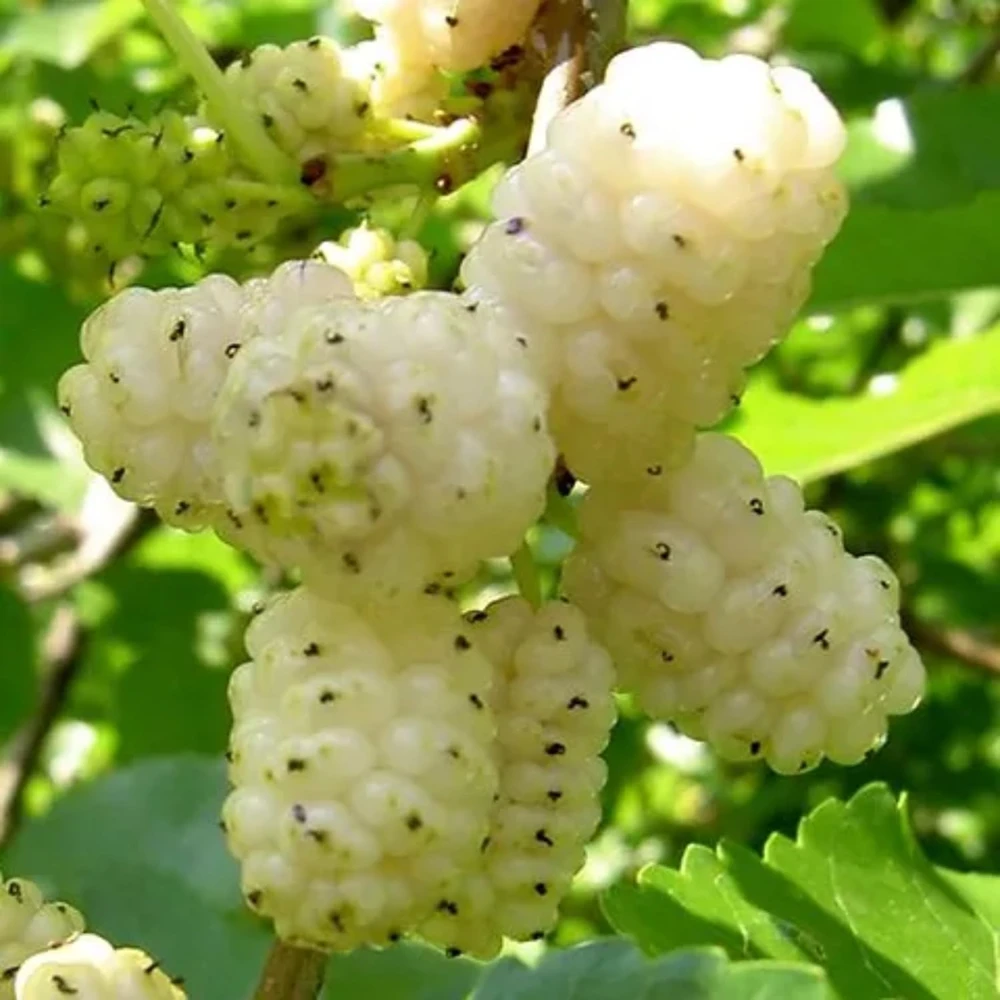
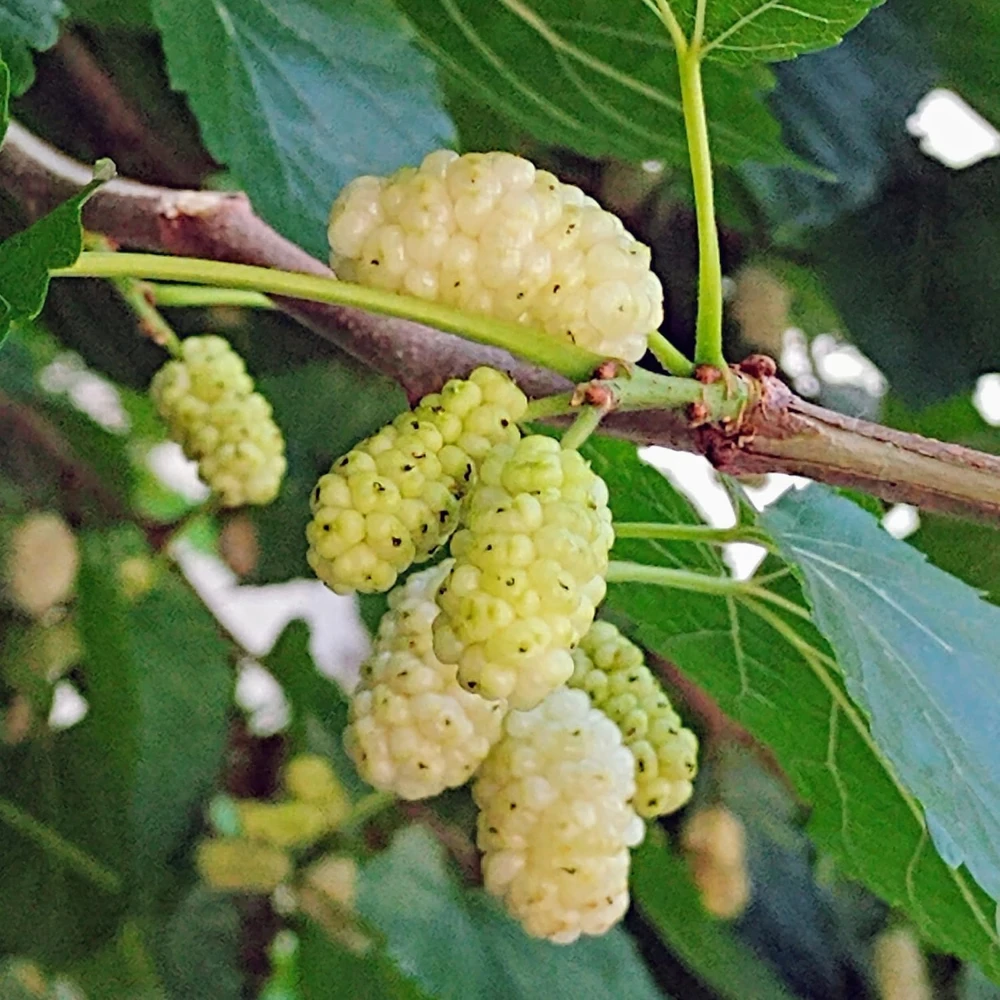
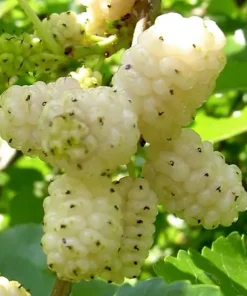
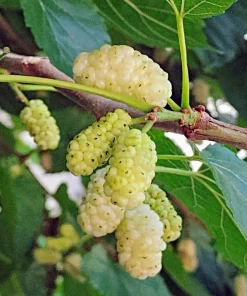
Introduce a touch of natural beauty and delicious fruit to your landscape with the white mulberry live plant (Morus alba). This resilient and adaptable deciduous tree is a fantastic choice for gardeners looking for both aesthetic appeal and practical benefits. Known for its rapid growth, the white mulberry live plant quickly establishes itself, providing ample shade and lush green foliage. Beyond its ornamental value, it’s celebrated for its abundant production of sweet, juicy white berries that are a favorite among birds, wildlife, and people alike. Whether you’re aiming to create a natural privacy screen, improve soil quality, or simply enjoy fresh, homegrown fruit, this tree is an excellent addition to any garden.
The Morus alba species is renowned for its hardiness and ability to thrive in a variety of conditions, making it a low-maintenance option for both novice and experienced gardeners. Its versatility extends from being a standalone specimen to being incorporated into hedgerows or food forests. As a young seedling, this plant is eager to grow and develop into a mature, fruit-bearing tree, offering years of enjoyment and ecological benefits.
Key Benefits
The white mulberry live plant offers a multitude of advantages for your home and garden, enhancing both its beauty and biodiversity. Cultivating this tree provides a rewarding experience with its easy care and generous yield.
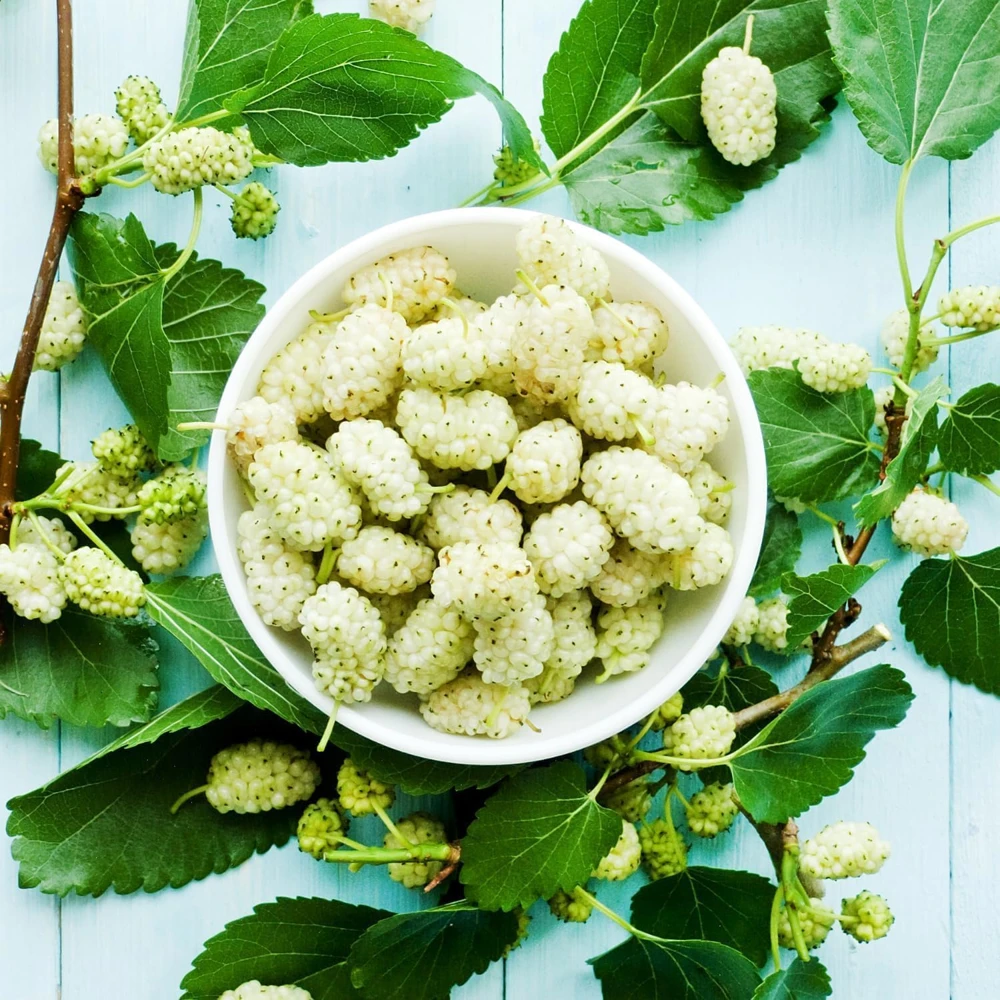
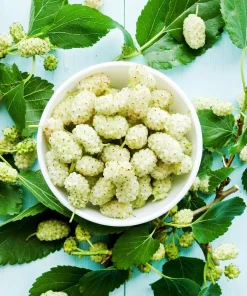
- Abundant Edible Berries: Enjoy a prolific harvest of deliciously sweet, white berries directly from your garden. These edible mulberry berries are perfect for fresh eating, jams, jellies, pies, or as a healthy snack. They ripen in late spring to early summer, offering a delightful seasonal treat.
- Fast-Growing Shade and Privacy: This species is known for its rapid growth rate, quickly developing into a substantial tree that provides excellent shade and acts as an effective natural privacy screen. You’ll see significant growth within just a few years.
- Wildlife Attraction: The sweet berries are a magnet for local wildlife, including various bird species, beneficial insects, and pollinators, contributing to a healthier and more vibrant ecosystem in your backyard. It’s a fantastic way to support local biodiversity.
- Adaptable and Resilient: The morus alba plant is remarkably adaptable to different soil types and climates, making it a robust choice for a wide range of growing conditions. Its resilience ensures it can withstand various environmental stressors.
- Low Maintenance: Once established, the fast growing mulberry tree requires minimal care, making it an ideal option for gardeners who prefer a less demanding but highly rewarding plant. It’s a great choice for those seeking a productive yet easy-to-manage fruit tree.
- Soil Improvement: The dense root system of the mulberry tree helps to improve soil structure and prevent erosion, contributing to the overall health of your garden’s ecosystem.
Plant Care & Growing Tips
Caring for your white mulberry live plant is straightforward, thanks to its robust nature. With a little attention to its basic needs, your plant will flourish and provide a bountiful harvest. Understanding its preferences for sunlight, water, and soil will ensure its healthy development from a young seedling into a mature tree.
The white mulberry live plant thrives in full sun, meaning it needs at least 6-8 hours of direct sunlight per day to produce the most fruit. While it can tolerate partial shade, fruit production may be reduced. It is adaptable to a wide range of soil types but prefers well-draining soil with a neutral to slightly acidic pH. Avoid heavy, waterlogged soils, as this can lead to root rot. When planting, amend heavy clay soils with organic matter like compost to improve drainage. This sweet mulberry fruit tree is hardy in USDA zones 4-9, making it suitable for a broad spectrum of climates across the United States. It can withstand winter temperatures in colder zones and tolerate heat in warmer regions.
Watering is crucial for young plants. Keep the soil consistently moist but not waterlogged during the first year of growth. Once established, the morus alba plant is relatively drought-tolerant, though supplemental watering during prolonged dry spells will benefit fruit production. Fertilize in early spring with a balanced, slow-release fertilizer or a fruit tree specific formula to encourage healthy growth and fruiting. Pruning can be done in late winter or early spring to shape the tree, remove dead or diseased branches, and improve air circulation, which helps prevent disease. Watch out for common pests like aphids or scale insects, and treat them with organic insecticidal soap if necessary. Proper care will ensure your fast growing mulberry produces delicious berries for years to come.
Size & Details
This offering is for one white mulberry live plant, which will arrive approximately 10-18 inches tall. It is shipped in a pot, ensuring its root system is intact and ready for planting upon arrival. The plant is a young seedling, eager to establish itself and begin its rapid growth journey. White mulberries are known for their vigorous growth, quickly reaching a mature height of 20-50 feet with a similar spread, depending on pruning and growing conditions. You can expect this sweet mulberry fruit tree to begin producing berries within 2-3 years, with yields increasing significantly as the tree matures.
The plant’s versatility allows it to be grown as a single specimen tree, as part of a hedgerow, or even trained as a smaller bush with regular pruning. Its robust nature makes it an excellent choice for various landscaping needs, from providing ample shade to creating a natural barrier. The berries typically ripen from late spring to early summer, offering a fresh, delicious harvest. This white mulberry live plant is a long-lived tree, providing decades of beauty and fruit.
Frequently Asked Questions
- Q: How big does this white mulberry live plant get? A: This plant ships approximately 6-18 inches tall. As a mature tree, it can reach heights of 20-50 feet with a similar spread, though its size can be managed with pruning.
- Q: Is this an indoor or outdoor plant? A: The white mulberry live plant is an outdoor tree. It thrives in full sun and is hardy in USDA Zones 4-9, making it suitable for a wide range of outdoor climates.
- Q: How much sunlight does the morus alba plant need? A: For optimal growth and fruit production, your mulberry tree needs at least 6-8 hours of direct sunlight per day. It can tolerate partial shade, but fruit yield may decrease.
- Q: Is this plant easy to care for? A: Yes, the fast growing mulberry is known for its resilience and adaptability, making it relatively easy to care for once established. It’s a great choice for both beginner and experienced gardeners.
- Q: What condition will the sweet mulberry fruit tree arrive in? A: Your plant will arrive as a healthy, potted seedling, approximately 10-18 inches tall, with its root system protected and ready for planting.
- Q: When is the best time to plant a white mulberry live plant? A: The best time to plant is in spring or early fall, allowing the plant to establish its roots before extreme temperatures. However, potted plants can often be planted throughout the growing season.
- Q: Can I use the edible mulberry berries for cooking? A: Absolutely! The sweet berries are perfect for eating fresh, baking into pies, making jams, jellies, or sauces, and can also be dried.
- Q: What kind of soil does this tree prefer? A: This plant is adaptable but prefers well-draining soil. It can tolerate various soil types, but avoid heavy, waterlogged conditions to prevent root issues.
- Q: How long until my white mulberry live plant produces fruit? A: You can typically expect your mulberry tree to start producing berries within 2-3 years after planting, with increasing yields as the tree matures.
- Q: Will it survive winter in my zone? A: This morus alba plant is hardy in USDA zones 4-9, meaning it is well-suited to survive winters in a broad range of climates across the United States.
Be the first to review “White Mulberry Live Plant – 6-18″ Tall Fruit Tree – Sweet Edible Berries”
People Also Viewed


Reviews
There are no reviews yet.