
Platinum Blonde Lavender Herb Live Plant – Quart Pot – Perennial – Indoors/Out
Original price was: $51.99.$41.99Current price is: $41.99.
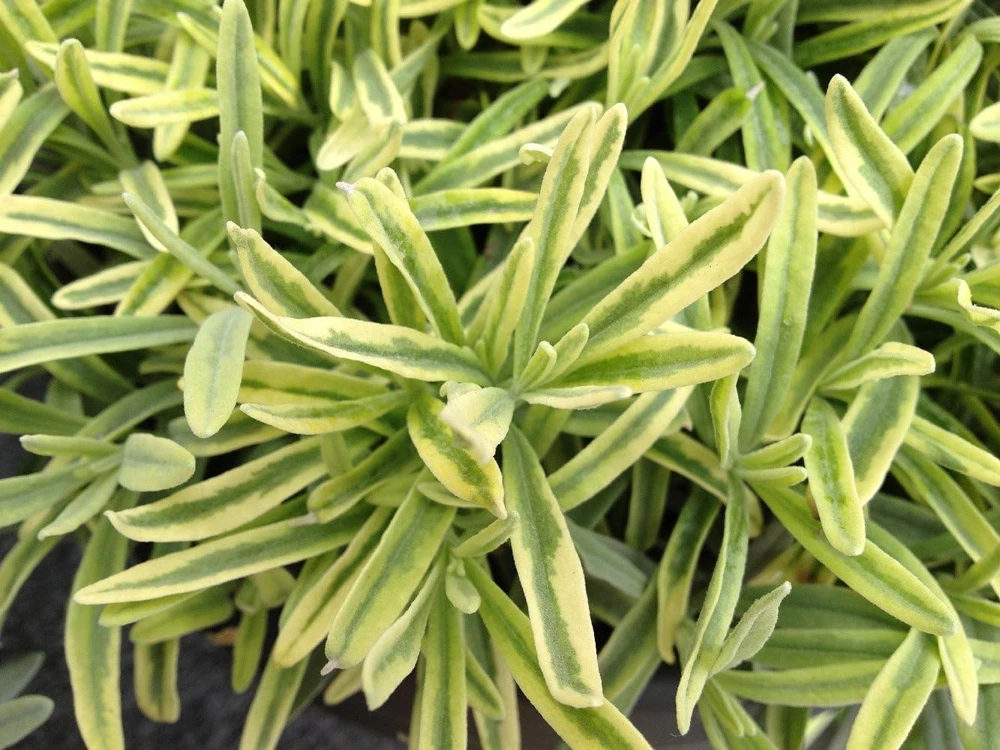
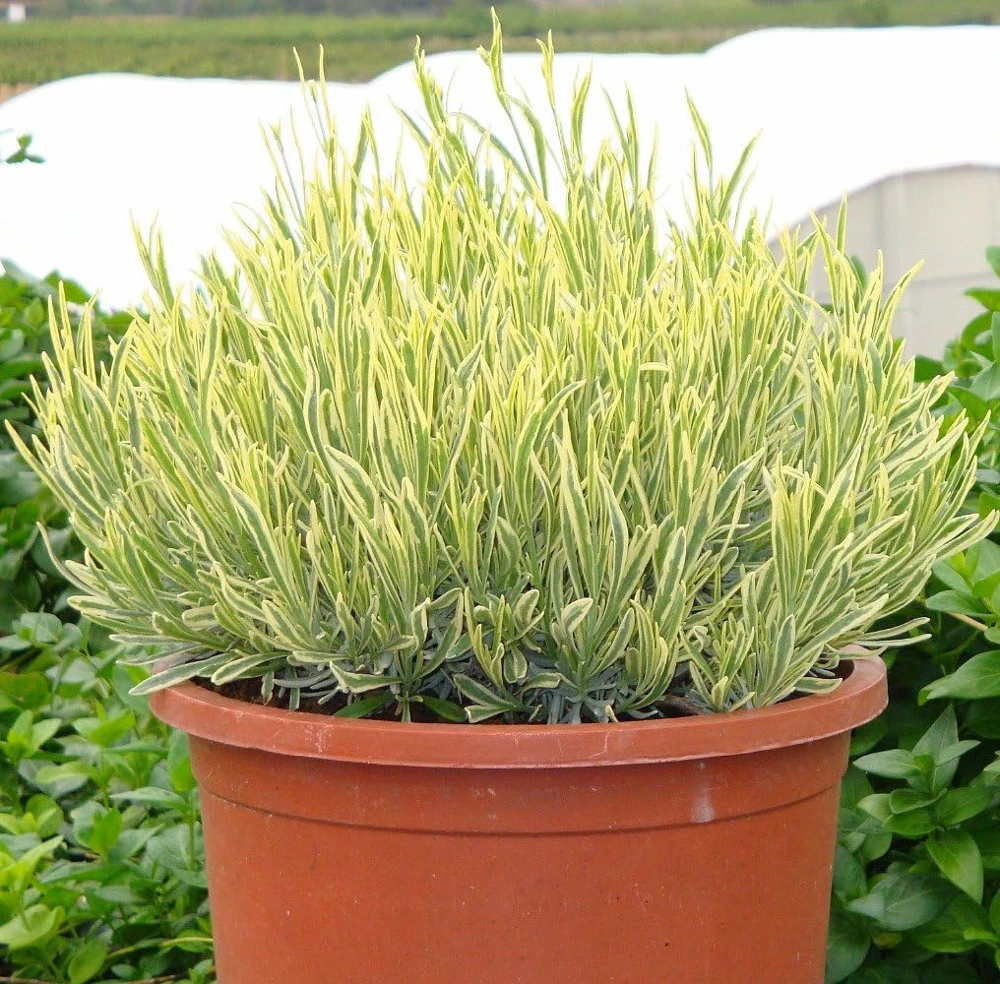
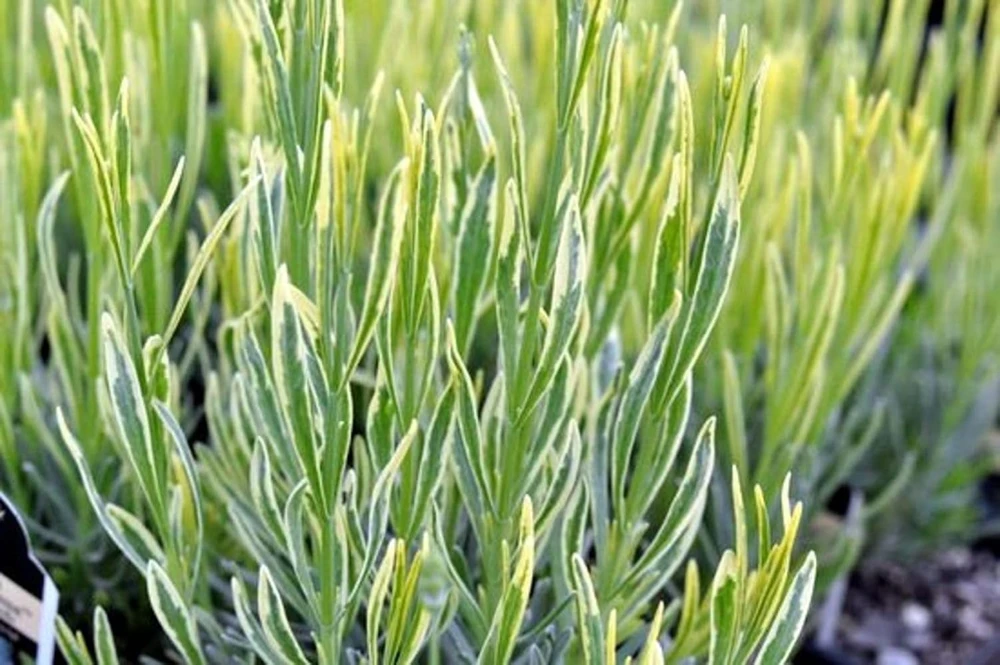
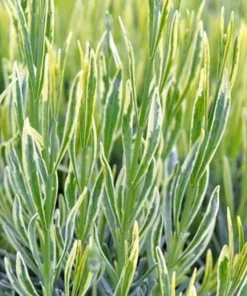
Bring the beauty and aroma of platinum blonde lavender into your home or garden. This variegated lavender plant features stunning yellow-margined foliage and fragrant purple blooms. Perfect as a lavender herb plant, it thrives as a perennial lavender and can even grow lavender indoors, offering versatility and charm.
Estimated arrival
Sep 29
Oct 04 - Oct 06
Oct 09 - Oct 13
Shop With Confidence
30-Day Plant Health Guarantee
Arrives damaged? We’ll replace it free — see our return policy.
Responsive Support
Email us anytime, we reply within 1 business day.
Expert Packaging
Temperature-controlled shipping to protect your plants in transit.
Secure Checkout
Pay safely with Visa, Mastercard, PayPal.
Plant Specifications
-
USDA Hardiness Zone
USDA Zones 6-9 -
Soil Type
Well-draining, sandy loam -
Sunlight Exposure
Full sun -
Expected Planting Period
Spring to early summer
Overview
Introduce a touch of elegance and delightful fragrance to your garden or indoor space with the exquisite platinum blonde lavender. This award-winning perennial herb is celebrated for its uniquely variegated foliage, which displays bright, creamy yellow margins contrasting beautifully with green. As a lavender herb plant, it’s not only ornamental but also highly valued for its aromatic qualities, making it an indispensable member of any herb collection. Whether you’re creating a serene perennial border, designing a fragrant potpourri, or seeking a compact, container-friendly plant, this Lavandula variety offers both visual appeal and a classic, soothing lavender aroma. Its adaptability means you can confidently grow lavender indoors or enjoy it outdoors as a robust perennial.
The ‘Platinum Blonde’ variety distinguishes itself with more than just its captivating bicolored leaves. It produces soft, blue flower spikes from May through August, adding another layer of charm. This compact plant typically reaches up to 24 inches tall with a similar spread, making it ideal for various settings. Its foliage gracefully transitions to a soft gray in autumn and winter, only to burst forth with its vibrant bicolored hues again in spring. This makes it a dynamic and engaging addition to any plant enthusiast’s collection, providing year-round interest and a continuous supply of its beloved fragrance.
Key Benefits
The platinum blonde lavender offers a multitude of benefits, making it a highly desirable choice for both novice and experienced gardeners. Its unique characteristics contribute to its appeal and functionality:
- Stunning Variegated Foliage: This plant’s most striking feature is its bright, creamy yellow-margined leaves, providing exceptional visual interest even when not in bloom. This variegation makes it a standout among other lavender varieties and contributes to its award-winning status.
- Delightful Aromatic Experience: Beyond its beauty, the ‘Platinum Blonde’ lavender emits the classic, soothing fragrance that lavender is renowned for. Its scent is perfect for relaxation, potpourri, and enhancing the ambiance of any space, whether you grow lavender indoors or outdoors.
- Versatile Growing Options: Suitable for both indoor and outdoor environments, this perennial lavender offers flexibility in placement. It thrives in garden beds, perennial borders, and is particularly well-suited for containers and patio pots, allowing you to enjoy its beauty anywhere.
- Attracts Pollinators: The soft blue flower spikes are not only beautiful but also attract beneficial pollinators like bees and butterflies to your garden, contributing to a healthy ecosystem.
- Compact and Manageable Size: With a mature height and spread of approximately 24 inches, this variegated lavender plant maintains a neat, compact habit. This makes it an excellent choice for smaller gardens, urban balconies, or as a well-behaved component in mixed plantings.
- Low Maintenance: Once established, ‘Platinum Blonde’ lavender is relatively drought-tolerant and requires minimal care, making it an ideal choice for busy gardeners seeking beauty without excessive effort.
- Culinary and Herbal Uses: Like other lavender varieties, this lavender herb plant can be used for culinary purposes, adding a delicate floral note to dishes, or for crafting personal care products and sachets.
Plant Care & Growing Tips
Caring for your platinum blonde lavender is relatively straightforward, ensuring you can enjoy its beauty and fragrance for years to come. This robust perennial lavender thrives with proper attention to its basic needs. For optimal growth and vibrant variegation, ensure it receives at least 6-8 hours of direct sunlight daily. If you choose to grow lavender indoors, place it in your brightest south-facing window or supplement with a grow light. Adequate air circulation is also crucial, especially in humid climates, to prevent fungal issues.
When it comes to watering, lavender prefers well-draining soil and does not tolerate soggy conditions. Water thoroughly when the top inch or two of soil feels dry to the touch, then allow the soil to dry out completely before watering again. Overwatering is a common cause of lavender decline. A good quality, sandy, well-draining potting mix is ideal for container-grown plants, while garden soil should be amended with sand or grit to improve drainage if heavy. This variegated lavender plant is hardy in USDA Zones 6-9, meaning it can withstand winter temperatures in these regions. In colder zones, it should be treated as an annual or brought indoors for the winter.
Fertilization is generally not heavily required for lavender. A light application of a balanced, slow-release fertilizer in early spring can promote vigorous growth, but avoid excessive nitrogen, which can lead to lush foliage at the expense of flowers and fragrance. Pruning is essential to maintain a compact shape and encourage continuous blooming. After the first flush of flowers, trim back spent flower spikes and about one-third of the foliage. A more significant prune can be done in early spring to remove any dead or woody growth and shape the plant. Watch out for common pests like aphids or whiteflies, which can usually be managed with organic insecticidal soap if necessary, ensuring your lavender herb plant remains healthy and thriving.
Size & Details
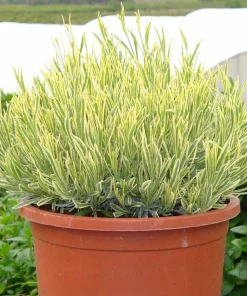
This platinum blonde lavender live plant is supplied in a quart-sized pot, providing a well-established root system ready for planting. As a compact-habited variety, it typically reaches a mature height of approximately 8-12 inches, with an ultimate spread of around 24 inches when grown in ideal conditions. This makes it an excellent choice for containers, rock gardens, or the front of a perennial border. The plant exhibits a moderate growth rate, establishing itself well within the first growing season and reaching its full mature size within 2-3 years. Expect vibrant new growth with striking yellow-margined foliage and soft blue flower spikes primarily from May through August, offering a long season of interest. The plant is shipped as a healthy, actively growing specimen, carefully packaged to ensure its safe arrival and ready to be transplanted into its new home.
Frequently Asked Questions
- Q: How big does this plant get? A: The platinum blonde lavender typically reaches a mature height of 8-12 inches and can spread up to 24 inches. Its compact nature makes it suitable for various garden and container settings.
- Q: What size pot does it come in? A: This variegated lavender plant is shipped in a quart-sized nursery pot, providing a healthy start for your new plant.
- Q: Is this an indoor or outdoor plant? A: This versatile perennial lavender can be grown both indoors in a sunny location or outdoors in garden beds and containers, making it suitable for a wide range of climates and preferences.
- Q: How much sunlight does it need? A: For best results, platinum blonde lavender requires full sun, meaning at least 6-8 hours of direct sunlight per day. If you choose to grow lavender indoors, ensure it gets ample bright light.
- Q: Is this plant easy to care for? A: Yes, once established, this lavender herb plant is relatively low-maintenance, preferring well-draining soil and plenty of sunshine. It’s a great choice for gardeners of all experience levels.
- Q: What condition will it arrive in? A: Your plant will arrive as a healthy, actively growing specimen, carefully packed to minimize stress during transit and ensure it reaches you in excellent condition.
- Q: Can I use this lavender in cooking? A: Yes, like other Lavandula varieties, the flowers and leaves of this lavender herb plant can be used in various culinary applications, adding a unique floral flavor to dishes.
- Q: When is the best time to plant? A: Spring is generally the best time to plant platinum blonde lavender, allowing it to establish its root system before the heat of summer or the cold of winter.
- Q: Will it survive winter in my zone? A: This perennial lavender is hardy in USDA Zones 6-9. In zones colder than 6, it should be brought indoors for winter protection or treated as an annual.
- Q: What type of soil does it prefer? A: This variegated lavender plant thrives in well-draining, slightly alkaline soil. Amending heavy clay soils with sand or grit is recommended to prevent root rot.
Be the first to review “Platinum Blonde Lavender Herb Live Plant – Quart Pot – Perennial – Indoors/Out”
People Also Viewed
Houseplants
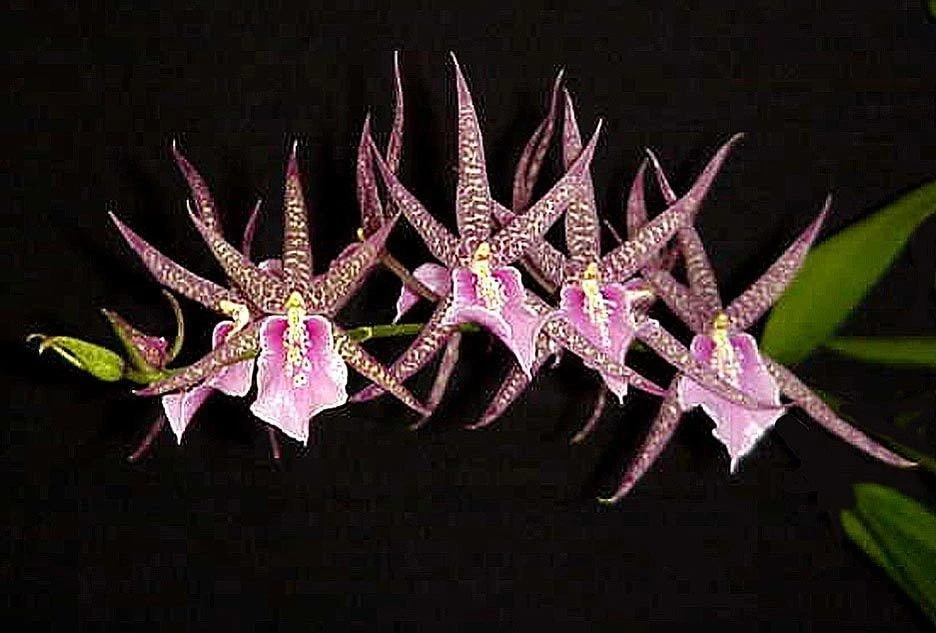
Bratonia Charles M. Fitch ‘Izumi’ Orchid Live Plant – Awarded Lavender Star Flowers – 2.5 inch Pot
Houseplants
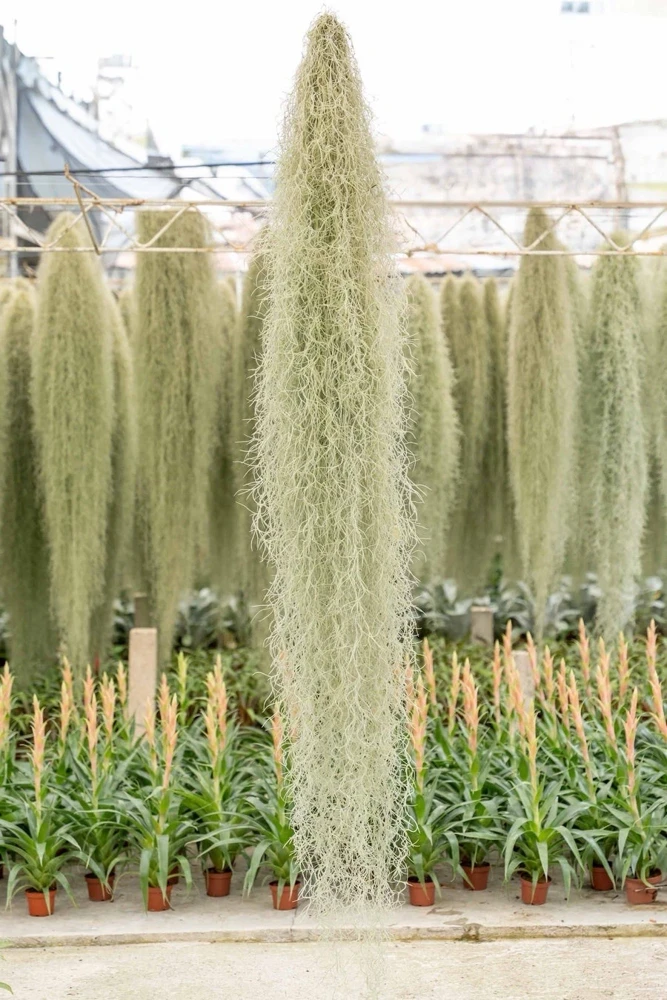
Spanish Moss Air Plant Live – Tillandsia Usneoides Giant Clump – Easy Care Indoor/Outdoor
Reviews
There are no reviews yet.