
Lemon Grass Seeds – 50 Cymbopogon Herb Seeds – Perennial for Culinary & Medicinal Use
Original price was: $27.99.$17.99Current price is: $17.99.
Cultivate your own aromatic and flavorful lemon grass seeds with this pack of 50 cymbopogon citratus seeds. Ideal for adding a distinct citrusy note to Asian and Caribbean cuisines, these perennial herb seeds are also known for their medicinal properties and fragrant appeal. Enjoy fresh, home-grown lemon grass year after year.
Estimated arrival
Sep 29
Oct 04 - Oct 06
Oct 09 - Oct 13
Shop With Confidence
30-Day Plant Health Guarantee
Arrives damaged? We’ll replace it free — see our return policy.
Responsive Support
Email us anytime, we reply within 1 business day.
Expert Packaging
Temperature-controlled shipping to protect your plants in transit.
Secure Checkout
Pay safely with Visa, Mastercard, PayPal.
Plant Specifications
-
USDA Hardiness Zone
7-11 -
Soil Type
Well-draining, rich soil -
Sunlight Exposure
Full sun -
Expected Planting Period
Spring to early summer
Overview
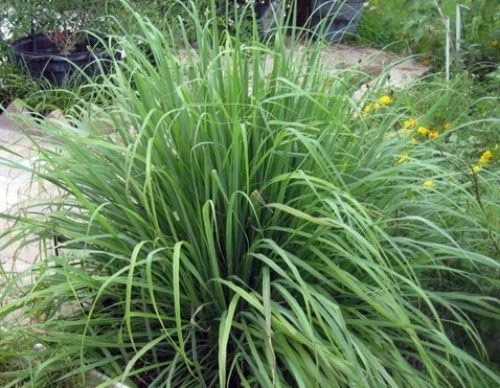
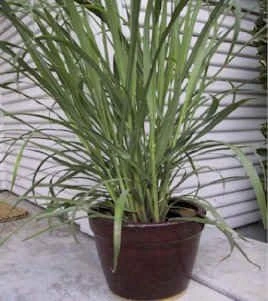
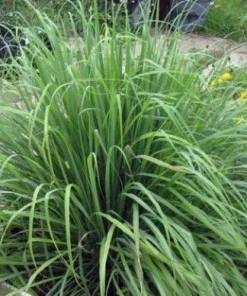
Transform your garden or patio into a culinary haven with our premium pack of 50 lemon grass seeds. Cymbopogon citratus, commonly known as lemon grass, is a versatile and aromatic perennial herb native to India, cherished for its distinct lemony flavor and fragrance. These high-quality seeds allow you to easily grow lemon grass at home, ensuring a fresh supply for your cooking, teas, and even medicinal applications. This robust plant offers an impressive difference when home-grown, providing potent flavor that elevates any dish. It’s not just a culinary delight; its attractive grassy foliage also makes it a beautiful addition to any garden or container.
Whether you’re an experienced gardener or just starting, these cymbopogon citratus seeds are an excellent choice for a rewarding growing experience. The plant is widely used in Thai, Vietnamese, and Caribbean cooking, making it a staple for those who enjoy authentic global flavors. Beyond the kitchen, lemon grass uses extend to traditional remedies and even commercial products like soaps and perfumes. With its perennial nature, you can enjoy the bounty of this herb for many seasons to come, making it a truly valuable investment for your home and health.
Key Benefits
Growing your own lemon grass seeds offers a multitude of benefits, from enhancing your culinary creations to providing natural remedies and a pleasant aroma. Here are some of the key advantages:
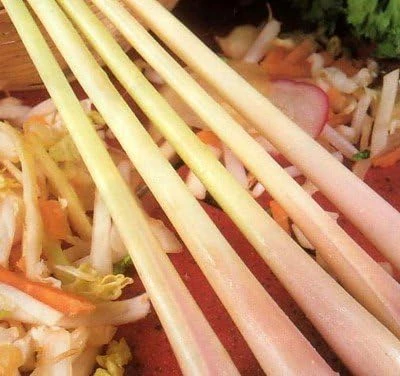
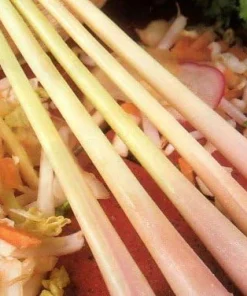
- Exceptional Culinary Flavor: Add a unique, pungent lemon-lime flavor to meat, fish, gravies, soups, salads, and vegetables. The entire stalk can be used, with the grass blade sliced for soups and the bulb bruised or minced for various recipes. It blends exceptionally well with garlic, chilies, and cilantro.
- Aromatic & Fragrant Garden Addition: The attractive, upright foliage of lemon grass provides a tropical aesthetic to your garden or patio. Its refreshing citrusy scent is a natural air freshener and can enhance the ambiance of your outdoor space.
- Potential Medicinal Properties: Rich in citral, the active ingredient also found in lemon peel, lemon grass is traditionally used to aid digestion and relieve spasms, muscle cramps, rheumatism, and headaches. Explore the natural health benefits of this incredible herb.
- Versatile Usage: Beyond cooking, lemon grass can be brewed into a soothing herbal tea known for its calming effects. It’s also used commercially for its lemon scent in various products, showcasing its broad appeal.
- Perennial Growth: Once planted, this herb returns year after year, providing a continuous harvest without the need for annual replanting. This makes it a cost-effective and low-maintenance option for any gardener.
- Hardy in Warm Climates: Thrives outdoors in USDA zones 7-11. In colder regions, it can be easily potted and brought indoors during winter, acting as a vibrant houseplant. This adaptability ensures many gardeners can successfully grow lemon grass.
- Easy to Grow from Seeds: These cymbopogon citratus seeds are relatively straightforward to germinate and cultivate, making them suitable for gardeners of all skill levels who wish to establish their own herb patch.
Plant Care & Growing Tips
Successfully cultivating lemon grass seeds into thriving plants requires attention to a few key environmental factors. Lemon grass (Cymbopogon citratus) prefers a warm, sunny environment to flourish. When starting from seed, sow them indoors 6-8 weeks before the last frost date in your area. Use a good quality seed-starting mix and keep the soil consistently moist until germination, which typically occurs within 10-20 days. Once seedlings are strong enough, transplant them outdoors after all danger of frost has passed.
For established plants, lemon grass thrives in full sun, meaning at least 6-8 hours of direct sunlight daily. It prefers rich, well-draining soil with a pH between 6.0 and 7.0. While it tolerates a range of soil types, amending heavy clay soils with organic matter will improve drainage and overall plant health. Water regularly, especially during dry spells, keeping the soil consistently moist but not waterlogged. Avoid overwatering, which can lead to root rot. Fertilize monthly during the growing season with a balanced liquid fertilizer to encourage vigorous growth. In USDA zones 7-11, lemon grass is perennial and will return each year. In colder regions, it’s best to grow it in containers that can be brought indoors before the first frost, where it can be maintained as a houseplant. Bring it back outside once temperatures consistently stay above 50°F (10°C). Regular harvesting of the outer stalks will also encourage the plant to produce more shoots, ensuring a continuous supply for your lemon grass uses.
Size & Details
This offering includes a pack of 50 lemon grass seeds, providing ample opportunity to establish a robust patch of this versatile herb. Each seed has the potential to grow into a substantial plant, typically reaching heights of 3-5 feet (approx. 90-150 cm) and spreading 1-2 feet (approx. 30-60 cm) wide when mature, depending on growing conditions and climate. The growth rate is generally fast once established, especially in warm, sunny environments with consistent moisture. Plants can be harvested within 75-90 days from planting. These seeds are shipped as a packet, ready for immediate planting upon arrival. The perennial nature of cymbopogon citratus seeds means you’ll enjoy a continuous harvest, with the plant going dormant in winter in some regions and re-emerging in spring.
Frequently Asked Questions
- Q: How big does a lemon grass plant get from these seeds? A: A mature lemon grass plant typically grows 3-5 feet tall and spreads 1-2 feet wide. Its size can vary based on growing conditions, climate, and whether it’s grown in the ground or in a pot.
- Q: Is this an indoor or outdoor plant? A: Lemon grass is primarily an outdoor plant thriving in full sun. However, in colder climates (below USDA zone 7), it can be grown in containers and brought indoors during the winter months to be treated as a houseplant.
- Q: How much sunlight does lemon grass need? A: Lemon grass requires at least 6-8 hours of direct sunlight per day to grow optimally. This ensures robust growth and the development of its strong aromatic and culinary properties.
- Q: Is this plant easy to care for? A: Yes, lemon grass is considered relatively easy to care for, especially for beginners. It needs consistent watering, full sun, and well-draining soil. Its perennial nature also reduces replanting effort.
- Q: What condition will the seeds arrive in? A: The seeds will arrive in a protective packet, ensuring they are fresh and viable for planting. They are ready to be sown upon receipt.
- Q: When is the best time to plant lemon grass seeds? A: For best results, start your lemon grass seeds indoors 6-8 weeks before your region’s last expected frost date. Transplant outdoors after all danger of frost has passed.
- Q: Will lemon grass survive winter in my zone? A: Lemon grass is hardy in USDA zones 7-11. In zones colder than 7, it will not survive winter outdoors and must be brought inside or treated as an annual.
- Q: Can I use lemon grass in cooking? A: Absolutely! Lemon grass uses are extensive in cooking. It’s a staple in Thai, Vietnamese, and Caribbean cuisines, perfect for adding a citrusy flavor to soups, curries, fish, and chicken dishes.
- Q: What are the medicinal benefits of lemon grass? A: Traditionally, lemon grass has been used for its potential to aid digestion, relieve muscle spasms, rheumatism, and headaches, thanks to its rich content of citral.
- Q: How often should I water my lemon grass? A: Water your lemon grass regularly, keeping the soil consistently moist but not waterlogged. Allow the top inch of soil to dry out slightly between waterings to prevent root rot.
Be the first to review “Lemon Grass Seeds – 50 Cymbopogon Herb Seeds – Perennial for Culinary & Medicinal Use”
People Also Viewed

Tree Seeds
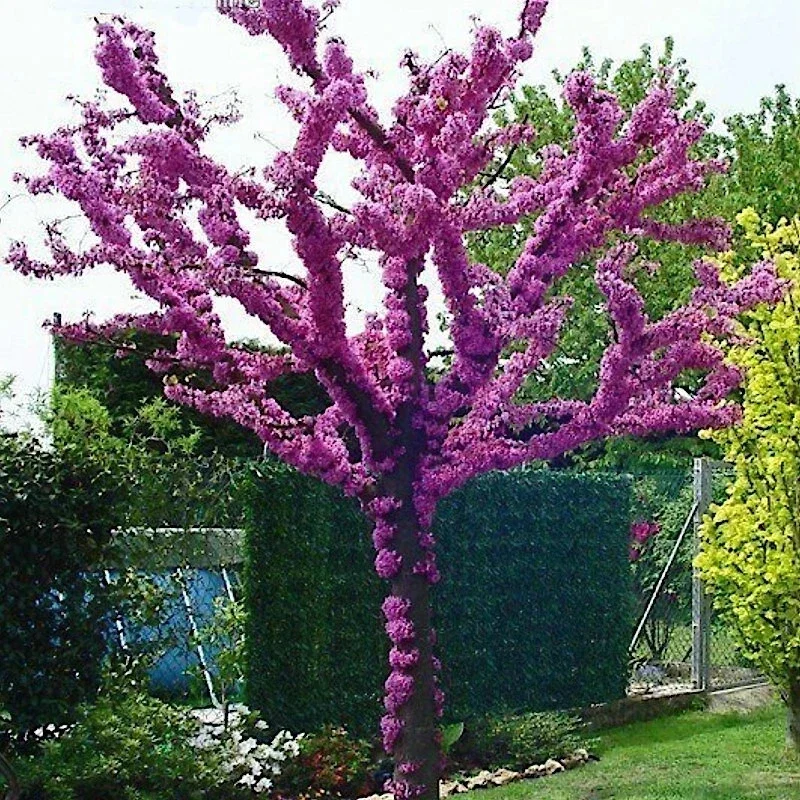
Judas Tree Seeds (Cercis siliquastrum) – Mediterranean Redbud Tree Seeds – Fast Growing, Hardy


Reviews
There are no reviews yet.