

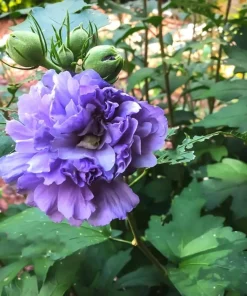
Purple Rose of Sharon Live Plant – Althea Hibiscus Flowers – 1 Quart Pot
Original price was: $57.98.$31.99Current price is: $31.99.
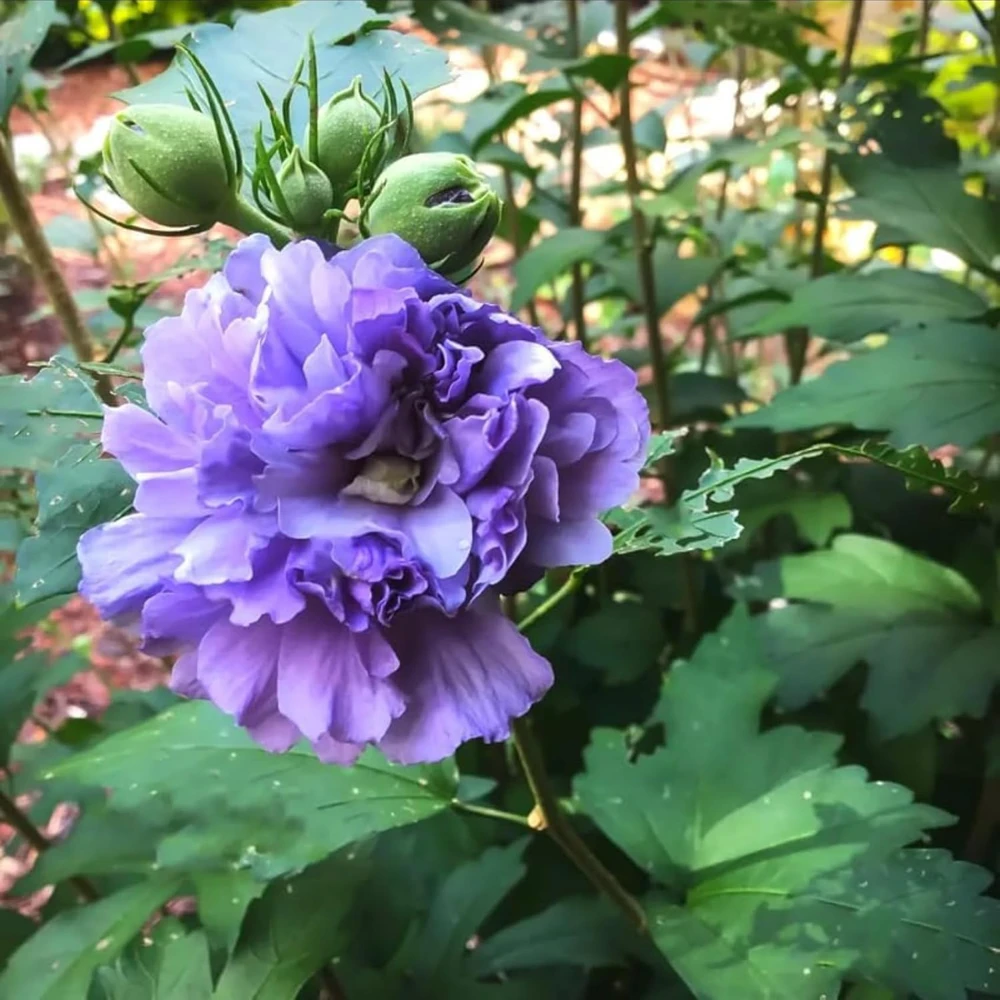
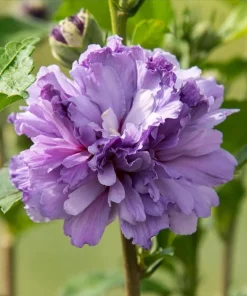
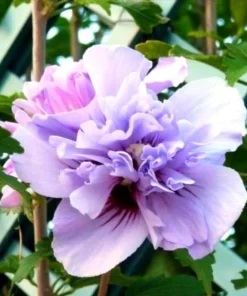
Add a touch of elegance to your landscape with this purple Rose of Sharon live plant. Known for its stunning Althea hibiscus flowers, this deciduous shrub arrives in a 1 quart pot, ready for planting and thriving outdoors.
Estimated arrival
Oct 14
Oct 19 - Oct 21
Oct 24 - Oct 28
Shop With Confidence
30-Day Plant Health Guarantee
Arrives damaged? We’ll replace it free — see our return policy.
Responsive Support
Email us anytime, we reply within 1 business day.
Expert Packaging
Temperature-controlled shipping to protect your plants in transit.
Secure Checkout
Pay safely with Visa, Mastercard, PayPal.
Plant Specifications
-
USDA Hardiness Zone
USDA Zones 5-9 -
Soil Type
Well-draining, fertile loam -
Sunlight Exposure
Full sun to partial shade -
Expected Planting Period
Spring to early fall
Overview
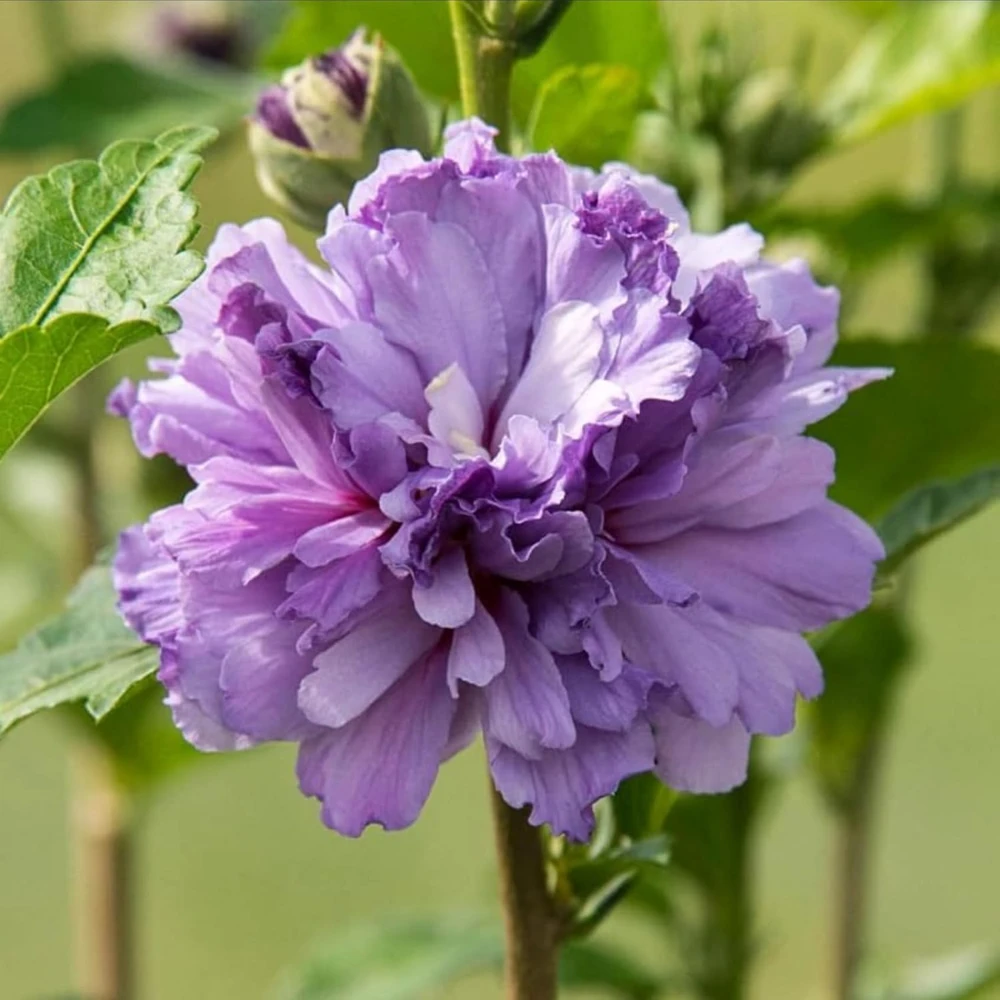
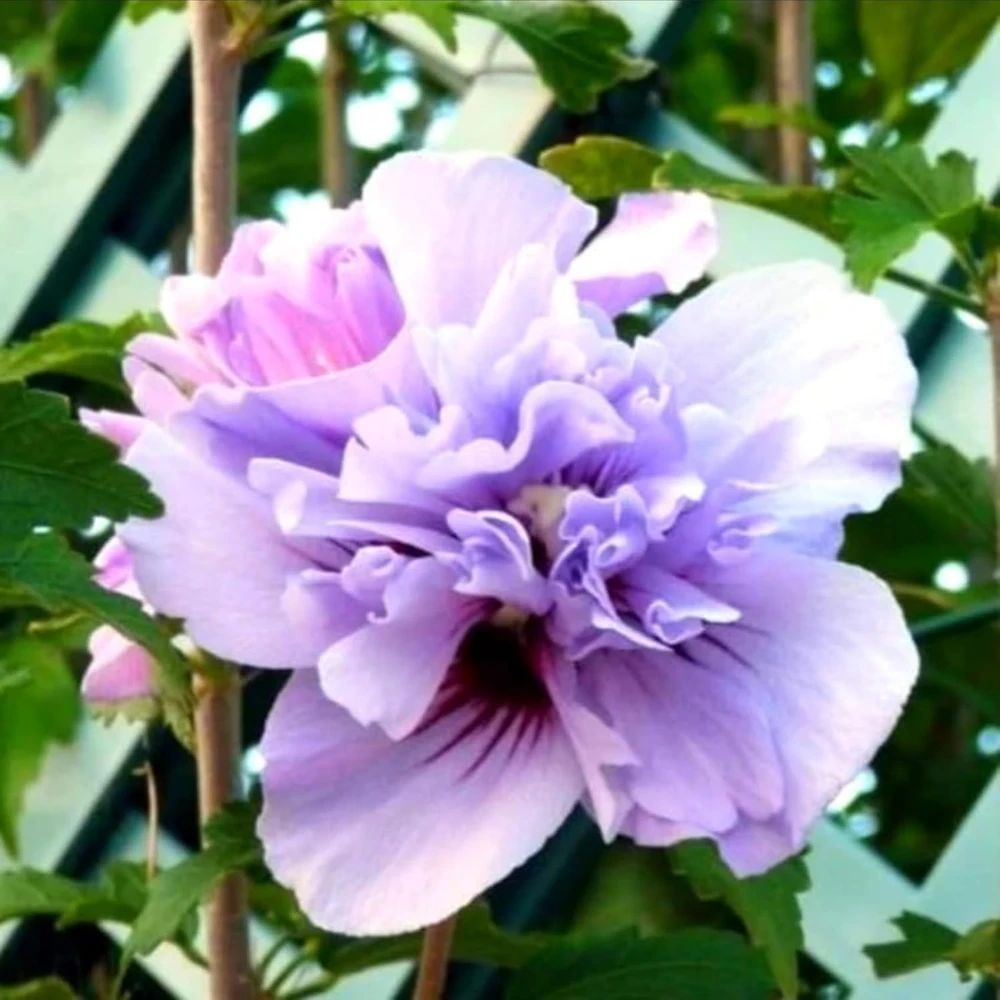
Introduce a splash of vibrant color and classic charm to your garden with a beautiful purple Rose of Sharon live plant. Also widely known as Althea or Hibiscus syriacus plant, this deciduous shrub is celebrated for its abundant, trumpet-shaped flowers that bloom profusely from summer into fall. The Rose of Sharon is a hardy and adaptable plant, making it a favorite for gardeners across various climates. This particular variety showcases captivating purple blossoms, offering a unique and eye-catching display. Whether used as a specimen plant, in a mixed border, or as an informal hedge, its striking appearance and long blooming season ensure a delightful visual impact throughout the warmer months. Enjoy the ease of growing this resilient shrub that will become a focal point in your outdoor space.
The purple Rose of Sharon live plant is an excellent choice for those seeking a low-maintenance yet high-impact addition to their landscape. Its vigorous growth and tolerance to a range of conditions make it suitable for both experienced gardeners and beginners. The plant’s upright, vase-like habit and attractive foliage provide year-round interest, even when not in bloom. This Althea hibiscus plant is delivered in a healthy state, ready to be transplanted and establish quickly in its new home.
Key Benefits
Cultivating a purple Rose of Sharon live plant offers numerous advantages, from its aesthetic appeal to its hardiness and ease of care. This robust shrub is designed to bring long-lasting beauty to your outdoor environment.
- Spectacular Summer Blooms: Enjoy a continuous display of large, vibrant purple flowers from mid-summer through fall, providing an extended period of color when many other plants have faded. The stunning Althea hibiscus flowers attract pollinators like butterflies and hummingbirds.
- Low Maintenance: The Hibiscus syriacus plant is remarkably easy to care for, requiring minimal attention once established. It tolerates various soil types and urban conditions, making it a resilient choice for diverse landscapes.
- Versatile Landscaping: Its upright growth habit and attractive foliage make it perfect for hedges, borders, foundation plantings, or as a standalone specimen plant, adding structural interest and vibrant color.
- Hardy & Adaptable: Known for its exceptional hardiness, the Rose of Sharon can withstand a wide range of temperatures and is generally resistant to pests and diseases, ensuring a healthy and robust plant for years to come.
- Attracts Pollinators: The showy flowers are a magnet for hummingbirds, butterflies, and bees, contributing to the biodiversity and health of your garden ecosystem.
- Deciduous Beauty: While deciduous, its strong branch structure provides winter interest, and the fresh green foliage in spring heralds the upcoming floral display.
- Easy to Establish: Arriving in a quart container, this live plant is well-rooted and ready for immediate planting, ensuring a smooth transition and quick establishment in your garden. For effective Rose of Sharon care, ensure proper watering during the initial establishment phase.
Plant Care & Growing Tips
Proper Rose of Sharon care is straightforward, ensuring your purple Rose of Sharon live plant thrives and produces an abundance of its characteristic purple blooms. This deciduous shrub is quite forgiving, but a few key practices will help it reach its full potential. For optimal growth and flowering, plant your Hibiscus syriacus in a location that receives full sun to partial shade. Full sun (at least 6 hours of direct sunlight per day) will promote the most prolific blooming. While tolerant of some shade, too little light can reduce flower production. Ensure good air circulation around the plant to prevent fungal issues, especially in humid climates.
When it comes to watering, the Hibiscus syriacus plant prefers consistently moist soil, especially during its first growing season. Once established, it becomes quite drought-tolerant, though regular watering during prolonged dry spells will ensure continued vigorous growth and flowering. The ideal soil type is well-draining, fertile loam, but it can adapt to a variety of soil conditions, including clay and sandy soils, as long as drainage is adequate. Amend heavy clay soils with organic matter to improve drainage, and sandy soils to improve water retention. Fertilize in early spring with a balanced, slow-release granular fertilizer formulated for flowering shrubs. Avoid over-fertilizing, which can lead to excessive foliage growth at the expense of flowers.
Pruning is an important aspect of Rose of Sharon care, helping to maintain shape, size, and promote more abundant blooms. Prune in late winter or early spring while the plant is dormant. Rose of Sharon blooms on new wood, so pruning before new growth emerges will not sacrifice the current season’s flowers. You can selectively remove dead, damaged, or crossing branches, and thin out overcrowded areas to improve air circulation. For a more compact plant, you can cut back stems by about one-third. This deciduous shrub is generally pest and disease resistant, but occasionally may encounter aphids or powdery mildew. Address these issues with appropriate organic or chemical treatments as needed. With these simple tips, your purple Rose of Sharon live plant will provide years of enjoyment.
Size & Details
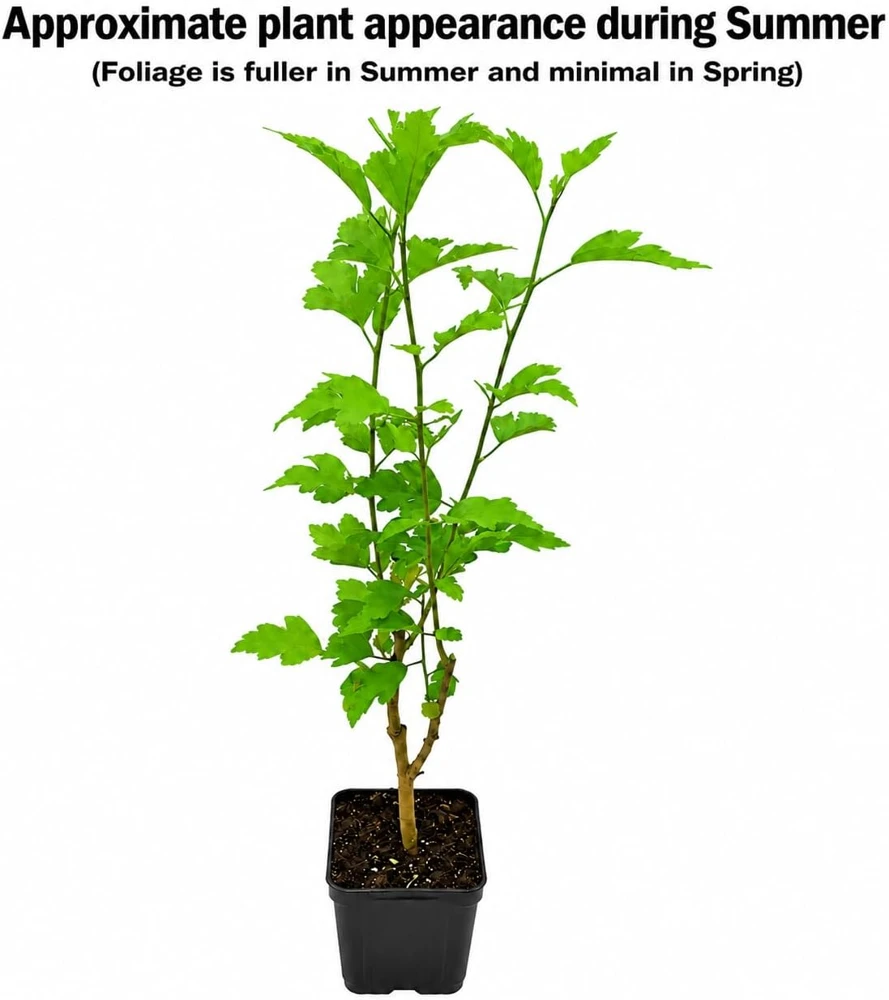
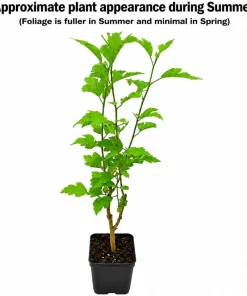
This offering is for one healthy purple Rose of Sharon live plant, which arrives carefully packaged in a 1 quart container. The plant is well-rooted and established, ready to be transplanted into your garden or a larger pot upon arrival. At the time of shipping, the plant typically stands approximately 6-12 inches tall, depending on the growing season and recent pruning for optimal health. The Rose of Sharon, or Hibiscus syriacus plant, is a moderately fast-growing deciduous shrub, capable of reaching a mature height of 8-12 feet and a spread of 6-10 feet if left unpruned. Its upright, vase-like form makes it an excellent choice for various garden applications. Expect the first significant blooms to appear in its first or second year after planting, with increasingly abundant flowers as the plant matures. The plant will develop into a robust and beautiful deciduous shrub, providing consistent summer color.
Frequently Asked Questions
- Q: How big does this plant get? A: A: The purple Rose of Sharon live plant can grow to a mature height of 8-12 feet and a spread of 6-10 feet if unpruned. Regular pruning can help maintain a more compact size.
- Q: What size pot does it come in? A: This plant is shipped in a 1 quart nursery container, with a well-established root system ready for planting.
- Q: Is this an indoor or outdoor plant? A: The purple Rose of Sharon live plant is an outdoor plant, a hardy deciduous shrub suitable for garden beds, borders, or as a hedge. It is not typically grown indoors.
- Q: How much sunlight does it need? A: This plant thrives in full sun, requiring at least 6 hours of direct sunlight daily for the best flowering. It can tolerate partial shade but may produce fewer blooms.
- Q: Is this plant easy to care for? A: Yes, the Rose of Sharon is known for being a very easy-to-care-for and resilient shrub, making it suitable for gardeners of all experience levels. Its Rose of Sharon care requirements are minimal once established.
- Q: What condition will it arrive in? A: Your Hibiscus syriacus plant will arrive in a healthy, well-rooted condition, carefully packaged to ensure its safe journey.
- Q: When is the best time to plant? A: Spring or early fall are ideal times to plant your Rose of Sharon, allowing it to establish its root system before extreme temperatures.
- Q: Will it survive winter in my zone? A: The Rose of Sharon is hardy in USDA Zones 5-9. It is a deciduous shrub, meaning it will lose its leaves in winter, but will return with new growth in spring.
- Q: What is the main benefit of planting a Rose of Sharon? A: The primary benefit is its long and prolific blooming season, providing vibrant purple flowers from summer into fall, adding significant aesthetic value to any garden.
- Q: Does this plant attract pollinators? A: Yes, the large, showy Althea hibiscus flowers are very attractive to hummingbirds, butterflies, and bees, contributing positively to local ecosystems.
Be the first to review “Purple Rose of Sharon Live Plant – Althea Hibiscus Flowers – 1 Quart Pot”
People Also Viewed



Flower Bulbs


Reviews
There are no reviews yet.