
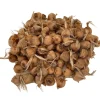

Saffron Crocus Bulbs – 500 Count – Crocus Sativus + Bulb Food – Fall Blooming
Original price was: $583.99.$573.99Current price is: $573.99.
Cultivate your own spice with this generous pack of 500 saffron crocus bulbs (Crocus sativus), complete with bulb food for optimal growth. These fall-blooming beauties produce stunning purple flowers, yielding the valuable saffron spice. Ideal for zones 5-9, they’re perfect for gardeners looking to grow saffron at home.
Estimated arrival
Sep 29
Oct 04 - Oct 06
Oct 09 - Oct 13
Shop With Confidence
30-Day Plant Health Guarantee
Arrives damaged? We’ll replace it free — see our return policy.
Responsive Support
Email us anytime, we reply within 1 business day.
Expert Packaging
Temperature-controlled shipping to protect your plants in transit.
Secure Checkout
Pay safely with Visa, Mastercard, PayPal.
Plant Specifications
-
USDA Hardiness Zone
5-9 -
Soil Type
Well-draining soil -
Sunlight Exposure
Full sun or partial shade -
Expected Planting Period
Fall
Overview
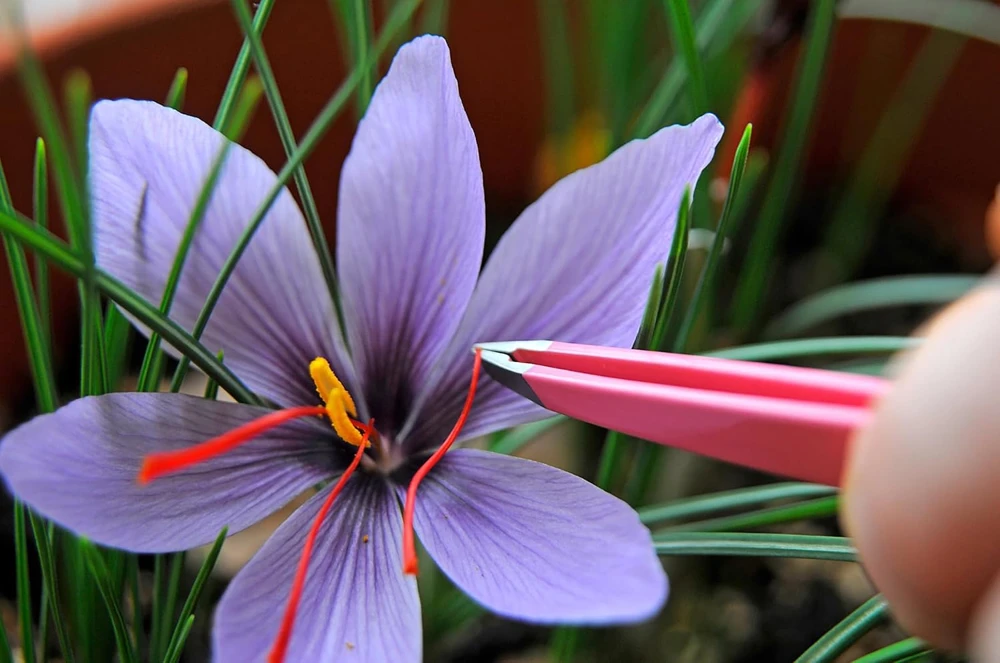
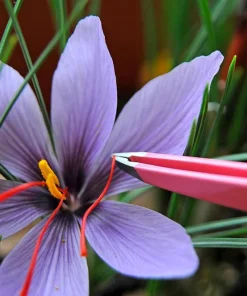
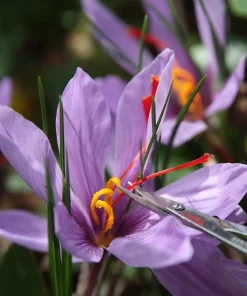
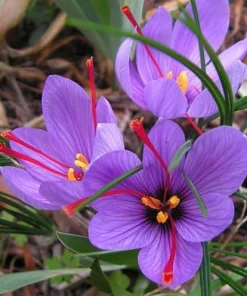
Embark on the rewarding journey of cultivating your own gourmet spice with this exceptional offering: saffron crocus bulbs. This package includes 500 saffron crocus bulbs (Crocus sativus), accompanied by specialized bulb food to ensure vigorous growth and abundant blooms. Known as the “Saffron Bulb” or “Saffron Crocus,” this rare, fall-blooming plant is celebrated for its delicate purple flowers and the precious orange-red stigmas that produce saffron, the world’s most expensive spice. These bulbs provide a unique opportunity for home gardeners to grow saffron at home, transforming their garden into a source of culinary delight and visual beauty. Enjoy the magic of these exquisite flowers blooming from September through October, adding a touch of elegance and rarity to your landscape.
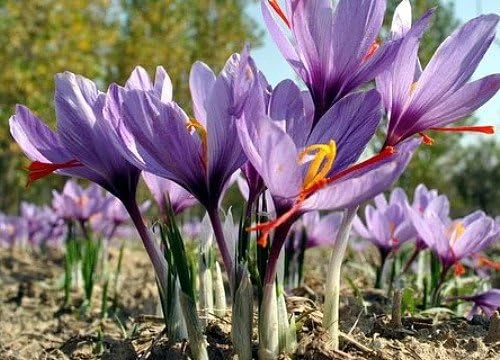
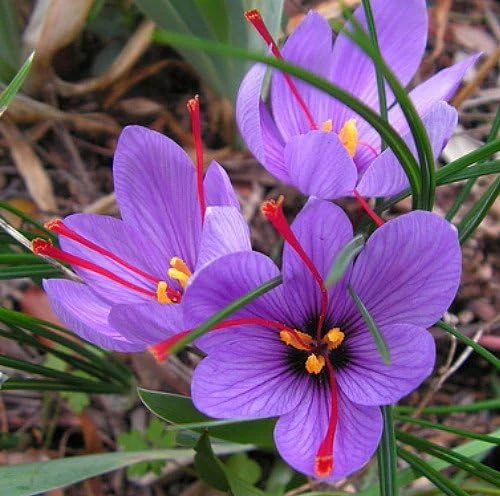
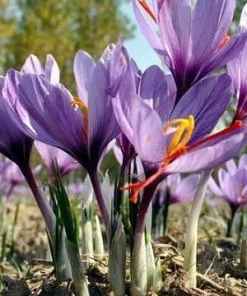
The Saffron Crocus is a truly special addition to any garden, offering not only its culinary treasure but also its charming appearance. Its grass-like leaves and striking purple flowers with deep purple veining create a captivating display in the autumn when most other garden plants are winding down. These bulbs are an investment in both your garden’s aesthetic and your kitchen’s pantry, promising fresh, home-grown saffron for years to come. Whether you’re an experienced gardener or just starting, these crocus sativus bulbs are a fascinating and rewarding choice.
Key Benefits
Growing saffron crocus bulbs offers a multitude of benefits, from the sheer joy of gardening to the tangible reward of harvesting your own spice. These bulbs are not just plants; they are an experience, bringing beauty and utility to your outdoor space.
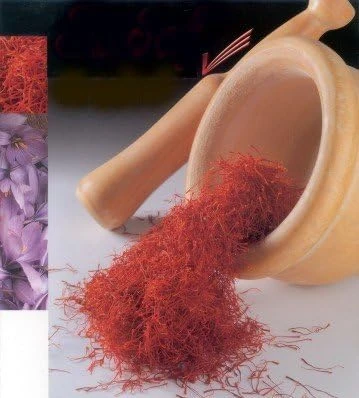
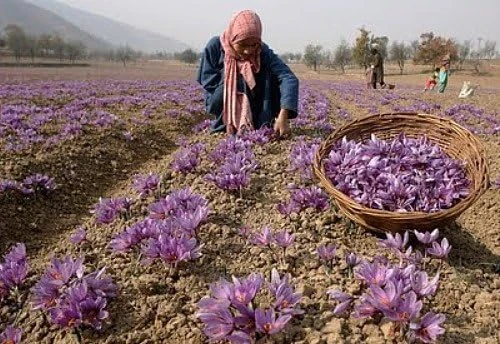
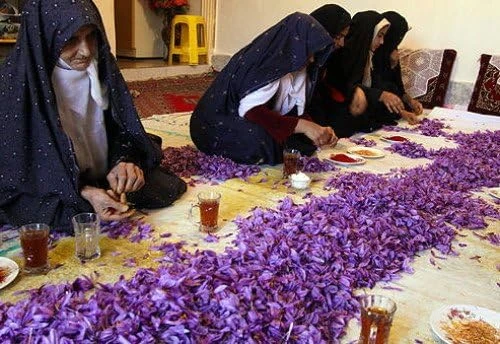
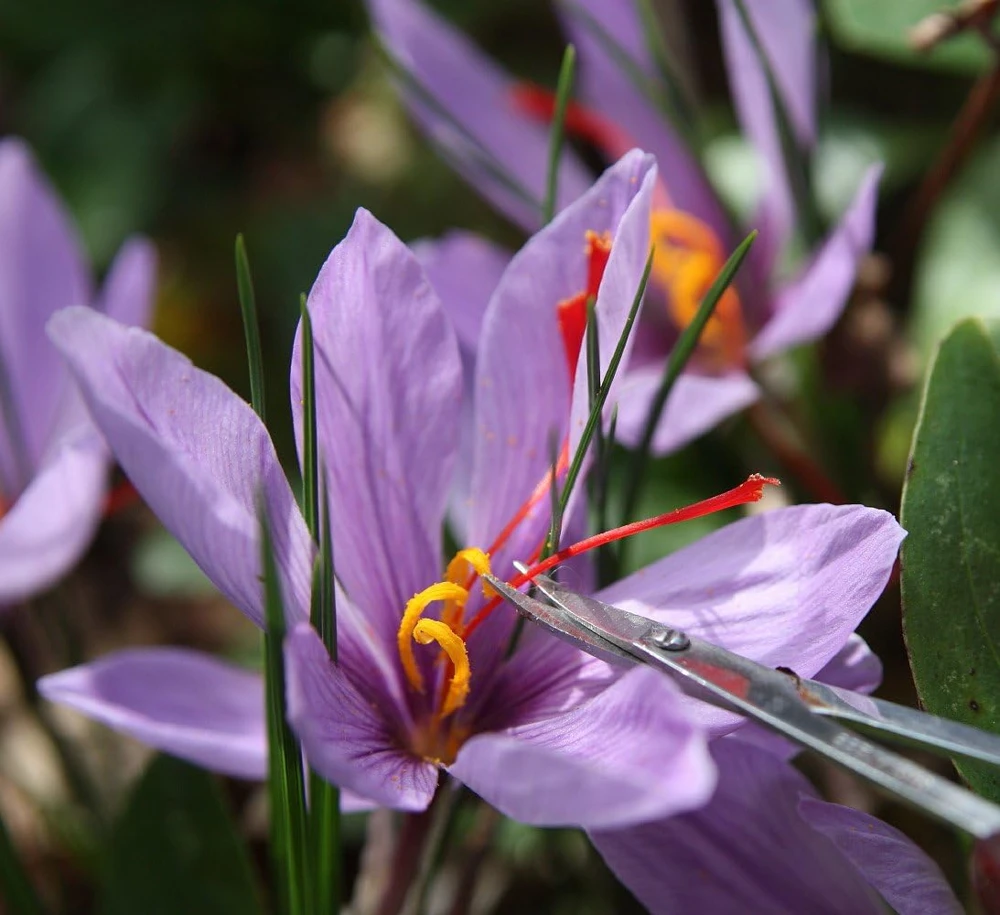
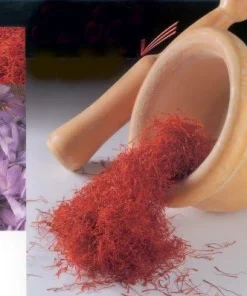
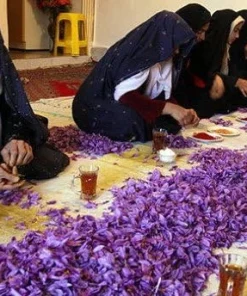
- Harvest Your Own Saffron: The primary and most exciting benefit is the ability to harvest your own saffron. The orange-red stigmas from the purple flowers are the source of this highly prized and expensive spice, allowing you to enjoy its unique flavor and aroma in your cooking.
- Beautiful Fall Blooms: Unlike most flowers, saffron crocuses bloom in the fall, providing a stunning splash of purple color when many other plants are fading. These fall blooming crocus flowers are a delightful sight in September and October.
- Relatively Low Maintenance: Once established, saffron crocuses require minimal care. They are not overly picky about conditions beyond well-drained soil and ample sunlight, making them an excellent choice for busy gardeners.
- Multiplies Over Time: These bulbs naturally multiply, meaning your initial planting will yield an increasing number of saffron-producing plants each year, providing an even greater harvest over time.
- Versatile Planting Options: Hardy in USDA Zones 5-9, these bulbs can be planted in the ground in most regions. For cooler climates, they can be successfully grown in containers, offering flexibility for various growing environments.
- Educational and Rewarding: The process of planting, nurturing, and harvesting saffron can be a deeply satisfying and educational experience for gardeners of all ages, connecting them with the source of a valuable natural product.
Plant Care & Growing Tips
Proper care is essential to ensure your saffron crocus bulbs thrive and produce a bountiful harvest. These resilient bulbs are relatively easy to grow, provided their basic needs are met. Plant your bulbs as soon as possible after receiving them, as they do not store well. Choose a location that receives full sun to partial shade; saffron plants need plenty of sunlight to flourish. The most critical factor for success is well-drained soil. If planted in swampy or poor-draining soil, the bulbs are prone to rot. Amend heavy clay soils with organic matter like compost or sand to improve drainage. When planting, place the bulbs 3 to 5 inches deep and at least 6 inches apart to give them room to multiply.
Watering should be moderate, especially during their active growth and blooming period. Avoid overwatering, which can lead to bulb rot. Once the foliage dies back in spring, the bulbs enter dormancy and require less water. These crocus sativus bulbs are hardy in zones 5-9, tolerating temperatures down to -15°F (-26°C). In regions with colder winters, growing them in containers allows you to bring them indoors before the first hard freeze. Fertilization is generally not heavily required, especially if the soil is rich in organic matter. However, the included bulb food can provide an initial boost. Expect foliage in the spring after planting, which will then die back. The glorious saffron flowers will appear the following fall. Learning to grow saffron at home involves understanding these simple yet crucial care steps.
Size & Details
This offering includes 500 saffron crocus bulbs, providing a substantial quantity for creating a significant saffron patch or distributing across multiple planting areas. The bulbs are large, typically measuring 7+ cm in circumference, indicating robust and healthy stock ready for planting. These bulbs are designed to grow into plants that reach an average height of 4-6 inches (10-15 cm) when blooming, making them a compact and charming addition to garden beds, borders, or containers. The saffron crocus is a fall blooming crocus, with flowers appearing from September through October. While you will plant them in the fall, the first year typically sees foliage in the spring, with the saffron flowers emerging the subsequent autumn. Remember that about 50 to 60 saffron flowers yield approximately 1 tablespoon (15 mL) of spice, so a generous planting of 500 bulbs will provide a wonderful harvest that increases as the bulbs multiply over the years.
Frequently Asked Questions
- Q: How many saffron crocus bulbs are included in this package? A: This package contains 500 saffron crocus bulbs, along with specialized bulb food to support their growth. This generous quantity is perfect for establishing a significant saffron patch.
- Q: When is the best time to plant these saffron crocus bulbs? A: The best time to plant these bulbs is in the fall, as soon as you receive them. Saffron crocus bulbs do not store well, so prompt planting is crucial for their success.
- Q: What are the sunlight requirements for saffron crocus? A: Saffron crocus thrive in full sun to partial shade. They need plenty of light to produce healthy foliage and abundant flowers, which is key for harvesting your own saffron.
- Q: What kind of soil do saffron crocus prefer? A: They require well-draining soil. If your soil is heavy clay, it’s recommended to amend it with organic matter to prevent bulb rot. This is a critical factor for successful saffron plant care.
- Q: How tall do saffron crocus plants grow? A: These plants typically reach a height of 4-6 inches (10-15 cm) when in bloom, making them a relatively compact and charming addition to your garden.
- Q: Can I grow saffron crocus in containers? A: Yes, in cooler regions (outside USDA Zones 5-9), saffron crocus can be successfully grown in containers. This allows you to protect them from harsh winter conditions.
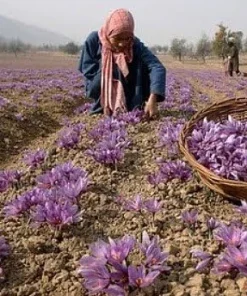
- Q: When can I expect to harvest saffron? A: You can harvest saffron once the flowers are fully open, typically from September to October. Simply pick the orange-red stigmas from each flower. The first significant harvest usually occurs the fall after the initial planting.
- Q: How much saffron can I expect from 500 bulbs? A: While it varies, approximately 50 to 60 flowers produce about 1 tablespoon of saffron spice. With 500 saffron crocus bulbs, and considering they multiply, you can expect a very rewarding harvest over time.
- Q: Are these bulbs difficult to care for? A: Once established in the right conditions (well-drained soil and sun), saffron crocus are not particularly picky and require little care. They are an excellent choice for those looking to grow saffron at home with moderate effort.
- Q: What USDA hardiness zones are suitable for these bulbs? A: These crocus sativus bulbs are hardy in USDA Zones 5-9, meaning they can tolerate winter temperatures down to -15°F (-26°C) in these regions.
Be the first to review “Saffron Crocus Bulbs – 500 Count – Crocus Sativus + Bulb Food – Fall Blooming”
People Also Viewed
Houseplants
Pink Panther Callisia Repens Live Plant – Variegated Bolivian Jewel – 2 Inch Pot – Indoor


Reviews
There are no reviews yet.