
All American Parsnip Seeds – 200 Seeds – Sweet, Uniform Roots – Outdoor Vegetable
Original price was: $23.99.$13.99Current price is: $13.99.
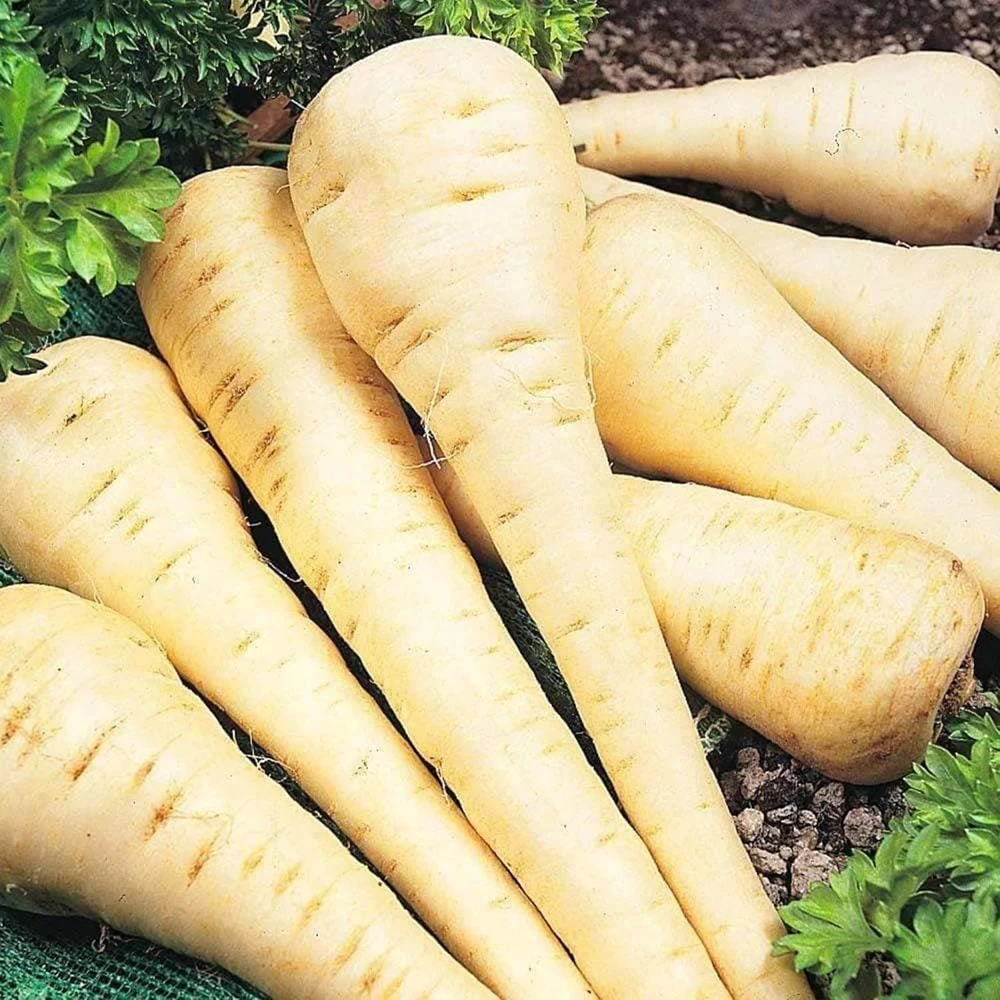
Cultivate your garden with all american parsnip seeds, yielding sweet, uniform, wedge-shaped roots ideal for roasting and diverse culinary uses. These parsnip vegetable seeds are a great choice for home gardeners seeking high-quality produce with easy care.
Estimated arrival
Sep 29
Oct 04 - Oct 06
Oct 09 - Oct 13
Shop With Confidence
30-Day Plant Health Guarantee
Arrives damaged? We’ll replace it free — see our return policy.
Responsive Support
Email us anytime, we reply within 1 business day.
Expert Packaging
Temperature-controlled shipping to protect your plants in transit.
Secure Checkout
Pay safely with Visa, Mastercard, PayPal.
Plant Specifications
-
USDA Hardiness Zone
3-9 -
Soil Type
Loamy, loose, well-drained soil -
Sunlight Exposure
Full sun -
Expected Planting Period
Early spring to late summer
Overview
Discover the joy of growing your own vegetables with our premium all american parsnip seeds. These seeds are renowned for producing the ‘All American Hybrid Parsnip’, a variety celebrated for its exceptional sweetness and complex flavor profile. With these parsnip vegetable seeds, you can cultivate thick, wedge-shaped roots that grow uniformly, reaching an impressive 3 inches across and 10-12 inches long. This makes them incredibly easy to prepare and a delight to cook with. Whether you’re a seasoned gardener or just starting, growing parsnip seeds offers a rewarding experience, culminating in a bountiful harvest of delicious roots perfect for any meal.
Our all american parsnip seeds are specifically selected to ensure high yields and consistent quality. This variety is known for its creamy white roots that are not only visually appealing but also offer a fine texture. They are an excellent addition to any home garden, providing a fresh, sweet alternative to other root vegetables. Enjoy the satisfaction of harvesting your own produce, knowing that you’re getting some of the best parsnip varieties available for home cultivation.
Key Benefits
Growing all american parsnip seeds offers numerous advantages, from their ease of cultivation to their delightful culinary versatility. These parsnips are a must-have for any gardener looking to add a unique and flavorful vegetable to their harvest.
- Superior Flavor Profile: These parsnips boast an extra sweet flavor with a rich, complex taste, making them a standout ingredient in many dishes. They are significantly sweeter than many other root vegetables, enhancing your culinary creations.
- Uniform & Easy to Prepare Roots: The ‘All American Hybrid Parsnip’ produces consistently uniform, wedge-shaped roots that are thick and easy to peel, saving you time in the kitchen. Their consistent size also ensures even cooking.
- High Yields: Expect an abundant harvest from your all american parsnip seeds, providing plenty of fresh roots for roasting, mashing, or incorporating into stews and soups. This variety is known for its prolific production.
- Versatile Culinary Use: While wonderful roasted, these parsnips can be used in a wide array of recipes, from purees and fries to hearty winter dishes. Their sweetness pairs well with both savory and sweet preparations.
- Extended Storage Options: These parsnips can be dug up in the fall for storage or left in the ground until spring, offering flexibility in harvesting and ensuring a fresh supply throughout the colder months.
- Adaptable to Various Climates: Suitable for USDA Zones 3-9, these parsnip seeds for planting are robust and can thrive in a wide range of temperate climates, making them accessible to many gardeners.
- Nutrient-Rich: Parsnips are a good source of fiber, vitamins, and minerals, contributing to a healthy diet. Growing your own ensures you have access to fresh, wholesome produce.
Plant Care & Growing Tips
Successful growing parsnip seeds requires attention to a few key conditions. Parsnips, like carrots, require patience as they can take up to three weeks to germinate. It’s crucial to prepare your soil properly before planting. They thrive in loamy, loose, well-drained soil. Heavy or rocky soil can cause roots to fork and become misshapen. Amend your garden beds with compost or well-rotted manure to improve soil structure and fertility, providing the ideal environment for your all american parsnip seeds to flourish.
For optimal growth, parsnips prefer full sun, meaning at least 6-8 hours of direct sunlight per day. Consistent moisture is vital, especially during germination and early growth. Water regularly, ensuring the soil remains evenly moist but not waterlogged. Avoid letting the soil dry out completely, as this can stunt root development. Thin seedlings to 4-6 inches apart once they are a few inches tall to allow ample space for root development. Fertilize lightly with a balanced vegetable fertilizer once the plants are established, but avoid excessive nitrogen, which can promote leafy growth at the expense of root development. Protecting young plants from pests can also contribute to a healthy harvest of the best parsnip varieties.
Parsnips are a cool-season crop, performing best when temperatures are moderate. They can be planted in early spring for a fall harvest or in late summer for an early spring harvest. The flavor of parsnips actually improves after a few frosts, as the cold converts starches into sugars, enhancing their sweetness. You can leave them in the ground over winter in milder climates, simply mulching heavily to protect them. In colder regions, harvest before the ground freezes solid. With proper care, your parsnip seeds for planting will reward you with a delicious and abundant crop.
Size & Details
This offering includes 200 All American Parsnip seeds, providing ample opportunity for a successful and generous harvest. Each seed has the potential to grow into a robust plant producing uniform, creamy white, wedge-shaped roots that typically measure 3 inches across and 10-12 inches long. These roots are known for their consistent size and shape, making them ideal for various culinary preparations. The plants themselves are hardy and well-suited for a wide range of growing conditions.
The time to maturity for these parsnips is approximately 105 days from planting, allowing you to plan your garden schedule effectively. They are best suited for USDA Hardiness Zones 3-9, demonstrating their adaptability to diverse climates across the United States. The seeds are packaged to ensure viability and are ready for planting upon arrival, providing a straightforward path to cultivating one of the best parsnip varieties in your home garden.
Frequently Asked Questions
- Q: How big do these parsnips get? A: The ‘All American Hybrid Parsnip’ typically produces roots that are 3 inches across and 10-12 inches long. Their uniform wedge shape makes them easy to work with in the kitchen.
- Q: Are these all american parsnip seeds suitable for beginners? A: Yes, growing parsnip seeds is relatively straightforward for beginners, provided they have well-drained soil and consistent moisture. Patience is key during the germination period.
- Q: How much sunlight do these parsnips need? A: Parsnips thrive in full sun, requiring at least 6-8 hours of direct sunlight per day for optimal root development and flavor.
- Q: When is the best time to plant parsnip seeds for planting? A: You can plant these seeds in early spring for a fall harvest, or in late summer for an early spring harvest. They are a cool-season crop.
- Q: How long does it take for these parsnip seeds to germinate? A: Parsnip seeds can take up to three weeks to germinate. Consistent moisture in the soil during this period is crucial for successful sprouting.
- Q: Can I leave parsnips in the ground over winter? A: Yes, in USDA Zones 3-9, you can often leave parsnips in the ground until spring, especially if you apply a layer of mulch to protect them from harsh freezes. This can also improve their sweetness.
- Q: What kind of soil do parsnip vegetable seeds prefer? A: These parsnips grow best in loamy, loose, well-drained soil. Avoid heavy clay or rocky soils, which can lead to misshapen roots.
- Q: How many seeds are included in this package? A: This package contains 200 All American Parsnip seeds, offering a generous quantity for multiple plantings or a large harvest.
- Q: Are these parsnips good for roasting? A: Absolutely! The ‘All American Hybrid Parsnip’ is particularly noted for its extra sweet flavor and fine texture, making it ideal for roasting and caramelizing.
- Q: What are some other ways to use these parsnips culinarily? A: Beyond roasting, these best parsnip varieties can be used in soups, stews, purees, mashed dishes, or even thinly sliced and fried as parsnip chips.
Be the first to review “All American Parsnip Seeds – 200 Seeds – Sweet, Uniform Roots – Outdoor Vegetable”
People Also Viewed

Tree Seeds
Mediterranean Cypress Seeds – 20 Italian Pencil Pine Cedar Cupressus Sempervirens Stricta Seeds
Reviews
There are no reviews yet.