

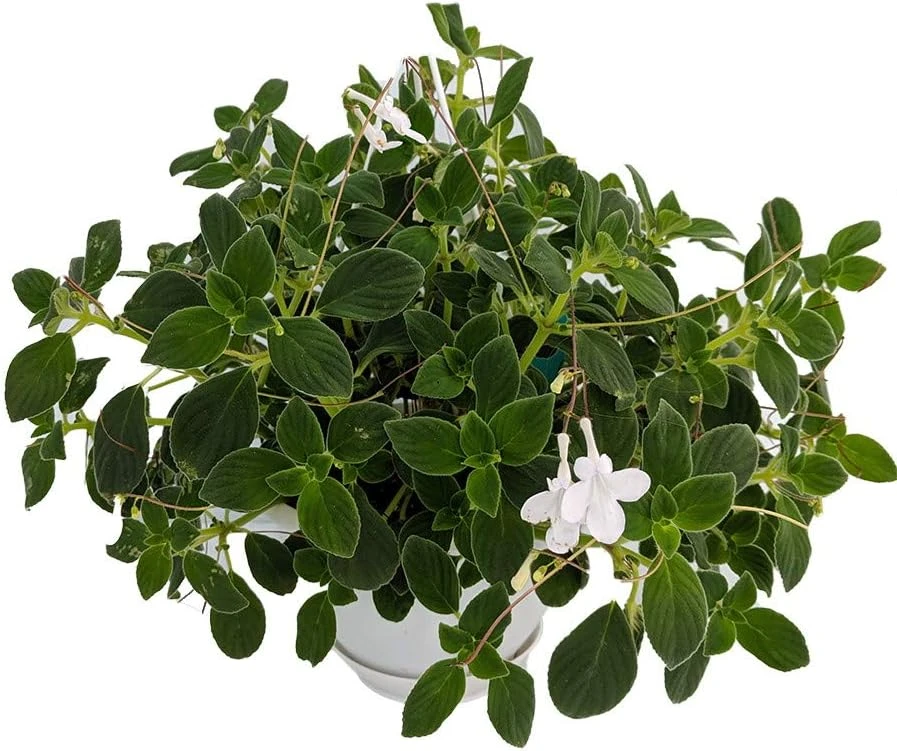
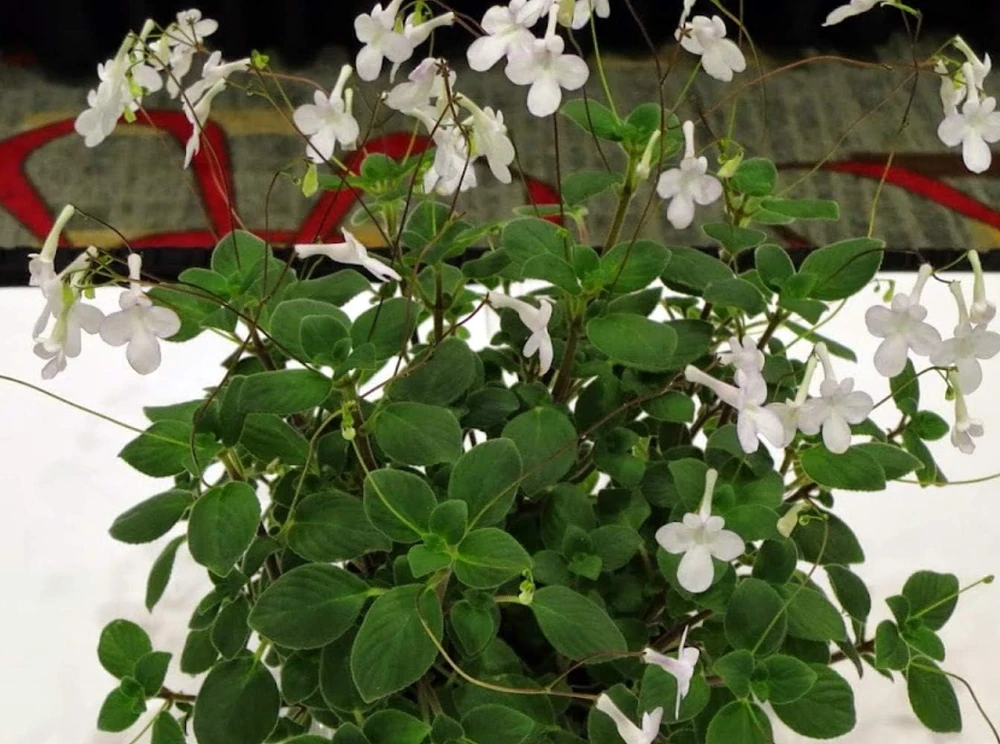
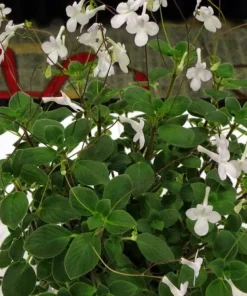
Cape Primrose Live Plant – Streptocarpella – 6″ Hanging Basket – Indoor/Outdoor Shade
Original price was: $77.99.$67.99Current price is: $67.99.
Bring elegance to your home or patio with the stunning Cape Primrose live plant (Streptocarpella). This beautiful 6″ hanging basket plant thrives in bright, indirect light, offering continuous blooms. Perfect for those seeking a vibrant, low-maintenance indoor shade plant or a charming addition to a shaded outdoor area.
Estimated arrival
Sep 29
Oct 04 - Oct 06
Oct 09 - Oct 13
Shop With Confidence
30-Day Plant Health Guarantee
Arrives damaged? We’ll replace it free — see our return policy.
Responsive Support
Email us anytime, we reply within 1 business day.
Expert Packaging
Temperature-controlled shipping to protect your plants in transit.
Secure Checkout
Pay safely with Visa, Mastercard, PayPal.
Plant Specifications
-
USDA Hardiness Zone
USDA Zones 10-11, or year-round indoors -
Soil Type
Well-draining potting mix -
Sunlight Exposure
Bright, indirect light / Partial shade -
Expected Planting Period
Year-round indoors, spring to fall outdoors (Zones 10-11)
Overview
Introduce a touch of floral charm to your living space with the exquisite Cape Primrose live plant (Streptocarpella). This delightful flowering plant, often considered a cousin to the popular African Violet, is celebrated for its delicate, trumpet-shaped blooms and lush foliage. Our Cape Primrose live plant comes ready for display in a 6-inch hanging basket, making it an instant centerpiece for any room or shaded patio. Streptocarpella is known for its continuous blooming habit under optimal conditions, providing a steady display of color that can brighten up even the shadier corners of your home or garden. Its graceful appearance and relatively easy care make it a favorite among both novice and experienced plant enthusiasts.
The Streptocarpella, commonly known as Cape Primrose, is a versatile plant that adapts well to various settings. While it flourishes indoors, it also makes an excellent choice for shaded outdoor areas during warmer months, particularly in USDA Zones 10-11. Its preference for bright, indirect light and consistent temperatures ensures that this plant remains a vibrant and healthy addition to your collection. Unlike some fussier flowering plants, the Cape Primrose offers a rewarding growing experience with minimal effort, making it an ideal choice for anyone looking to add long-lasting beauty to their environment.
Key Benefits
The Cape Primrose live plant offers numerous advantages, making it a highly desirable choice for plant lovers. Its captivating blooms and adaptable nature contribute to its widespread appeal, enhancing any space with natural beauty and a sense of tranquility.
- Continuous Blooms: Enjoy a nearly year-round display of delicate, trumpet-shaped flowers, adding consistent color and vibrancy to your indoor or outdoor environment. The persistent flowering habit ensures your space always looks lively.
- Versatile Placement: Thrives equally well as an indoor shade plant or in a shaded outdoor patio setting, providing flexibility in how and where you choose to display its beauty. Its adaptability makes it suitable for various home aesthetics.
- Easy Care: This plant is relatively low-maintenance, requiring simple watering and feeding routines. It’s an excellent choice for beginners or those with busy schedules, offering maximum beauty with minimal fuss.
- Air Purifying Qualities: Like many houseplants, the Cape Primrose contributes to better indoor air quality by helping to filter out common household toxins, promoting a healthier living environment.
- Compact & Attractive: Its moderate size and attractive foliage, combined with its charming flowers, make it a perfect fit for windowsills, shelves, or hanging baskets without overwhelming the space.
- Pet-Friendly (Generally): While always advisable to research for specific pets, Streptocarpella is generally considered non-toxic, offering peace of mind for pet owners compared to some other flowering plants.
- Long Lifespan: With proper Streptocarpella care, this plant can be a long-term companion, gracing your home with its beauty for many years.
Plant Care & Growing Tips
Providing the right environment is key to ensuring your Cape Primrose live plant thrives and produces abundant blooms. The care requirements for Streptocarpella are similar to its close relative, the African Violet, favoring consistency and gentle attention. When it comes to sunlight, bright, indirect light is paramount. Avoid direct, hot sun exposure, which can scorch the leaves and fade the delicate flowers. An east-facing window is often ideal, or a south/west-facing window with sheer curtains. If growing outdoors, ensure it’s in a location with consistent shade, protected from the harsh afternoon sun.
Watering correctly is crucial for healthy Streptocarpella care. Only water when the top inch of the potting mix feels dry to the touch. It’s best to use tepid water to avoid shocking the plant, and bottom-watering can help prevent spots on the leaves. Overwatering is a common pitfall and can lead to root rot; if leaves appear wilted even when the soil is moist, it’s a sign you might be watering too frequently. Allow the soil to dry out between waterings, and reduce watering frequency during the winter months (November through February) when the plant’s growth slows. For optimal growth and blooming, fertilize from spring through fall every three weeks with a water-soluble fertilizer high in phosphorus (e.g., 15-30-15). Withhold fertilizer during winter to allow the plant to rest.
Maintaining your Cape Primrose live plant also involves some simple pruning. Regularly trim off faded flowers using scissors to encourage new blooms and keep the plant looking tidy. Repotting into a slightly larger pot can be done in spring, typically every one to two years, to provide fresh nutrients and room for root growth. This plant appreciates consistent temperatures between 60-75°F year-round, making it an excellent choice for an indoor shade plant. Good air circulation is also beneficial to prevent fungal issues. By following these guidelines, you can ensure your Cape Primrose remains a beautiful and vibrant addition to your home or garden, even as a low light plant.
Size & Details
This beautiful Cape Primrose live plant is presented in a practical and attractive 6-inch hanging basket, making it ready for immediate display upon arrival. The plant typically reaches a mature height and spread of approximately 6-12 inches, creating a compact yet impactful floral statement. Its moderate growth rate means it will fill out its basket nicely over time without becoming overly large or unruly. This particular variety of Streptocarpella is well-suited for cultivation in USDA Hardiness Zones 10-11 for outdoor use, but it thrives year-round as an exceptional indoor specimen.
The plant is shipped as a well-established, rooted specimen in its growing medium within the 6-inch hanging basket, ensuring a smooth transition to its new home. Expect to see initial blooms soon after arrival, with continuous flowering throughout the growing season under proper Streptocarpella care. While specific bloom times can vary slightly based on environmental conditions, the Cape Primrose is known for its extended flowering period, providing beauty for months on end. Its robust nature makes it a rewarding addition to any plant collection, whether you’re looking for a vibrant flowering houseplant or a charming patio accent.
Frequently Asked Questions
- Q: How big does this Cape Primrose plant get? A: The Cape Primrose live plant typically grows to a compact size, reaching about 6-12 inches in height and spread. It’s perfect for windowsills, shelves, or hanging baskets without taking up too much space.
- Q: What size pot does it come in? A: This plant comes pre-potted in a 6-inch hanging basket, ready for immediate display. You won’t need to repot it right away, making for an easy transition into your home.
- Q: Is this an indoor or outdoor plant? A: The Cape Primrose live plant is highly versatile. It thrives as an indoor shade plant year-round and can also be grown outdoors in shaded areas, particularly in USDA Zones 10-11, during warmer months.
- Q: How much sunlight does it need? A: It prefers bright, indirect light. Avoid direct sun exposure, which can burn the leaves and fade the flowers. It’s an excellent low light plant for shaded indoor spots.
- Q: Is this plant easy to care for? A: Yes, the Cape Primrose is considered relatively easy to care for, especially with proper Streptocarpella care. It’s a great choice for both novice and experienced gardeners looking for a beautiful flowering houseplant.
- Q: What condition will it arrive in? A: Your plant will arrive as a healthy, well-established specimen in its 6-inch hanging basket, carefully packaged to ensure its safe journey. It will be rooted in its growing medium.
- Q: Is it pet-safe? A: While generally considered non-toxic, it’s always best to keep plants out of reach of pets and consult with a veterinarian if you have concerns about specific animals.
- Q: How often should I water my Cape Primrose? A: Water only when the top inch of the potting mix is dry to the touch. Overwatering can be detrimental, so allow the soil to dry out slightly between waterings.
- Q: When is the best time to fertilize this plant? A: Fertilize your Cape Primrose live plant every three weeks from spring through fall using a high-phosphorus, water-soluble fertilizer. Suspend feeding during the winter months.
- Q: Will it survive winter in my zone? A: If you live outside USDA Zones 10-11, it’s best to bring your Cape Primrose indoors during the colder months, as it is not frost-tolerant. It thrives indoors year-round as a low light plant.
Be the first to review “Cape Primrose Live Plant – Streptocarpella – 6″ Hanging Basket – Indoor/Outdoor Shade”
People Also Viewed

Reviews
There are no reviews yet.