
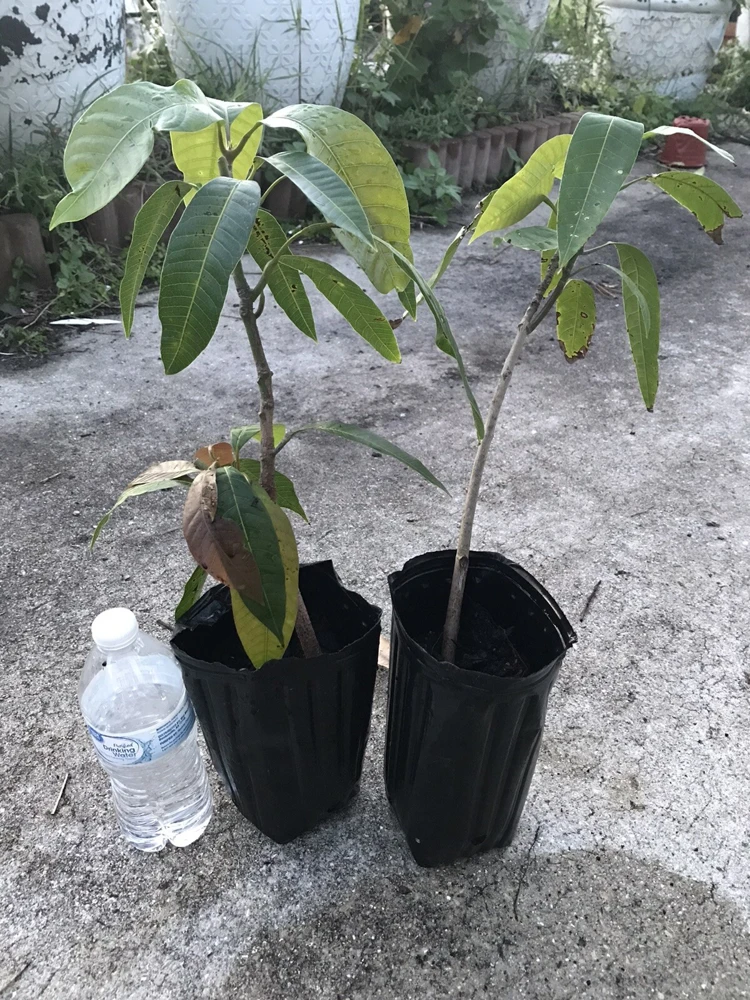
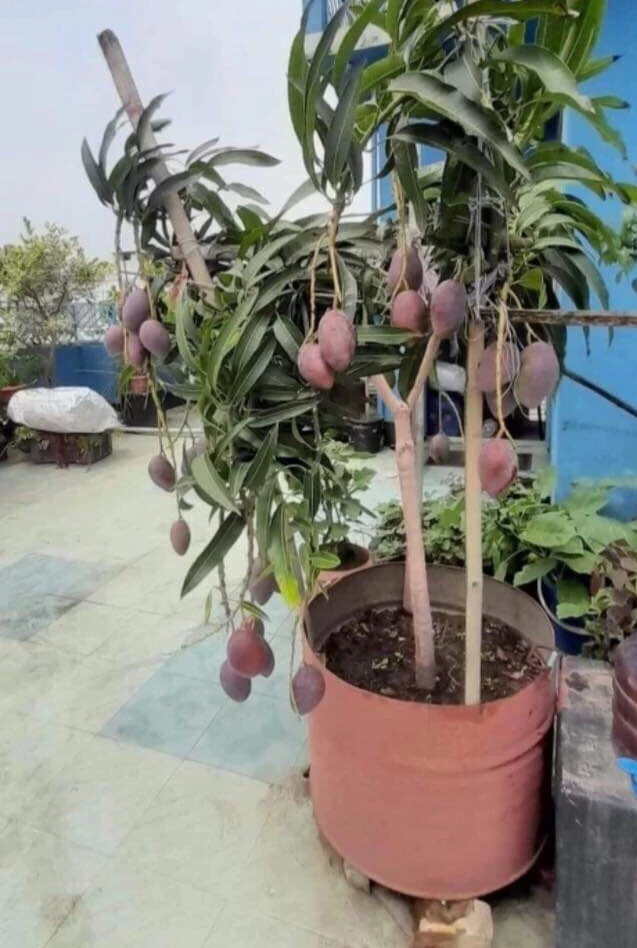
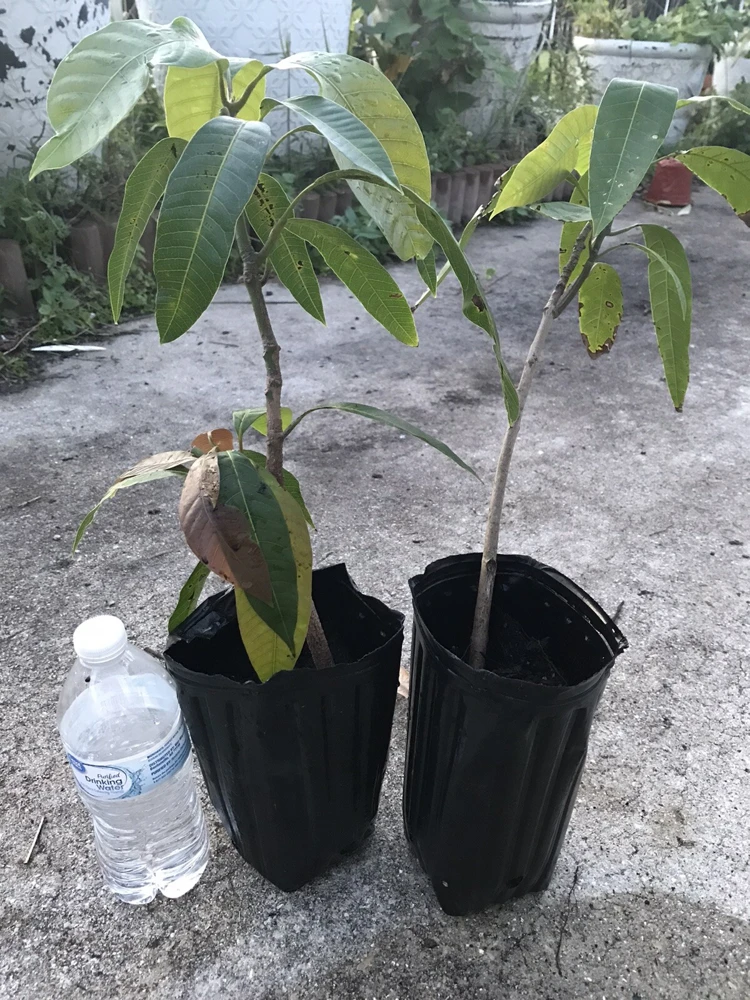
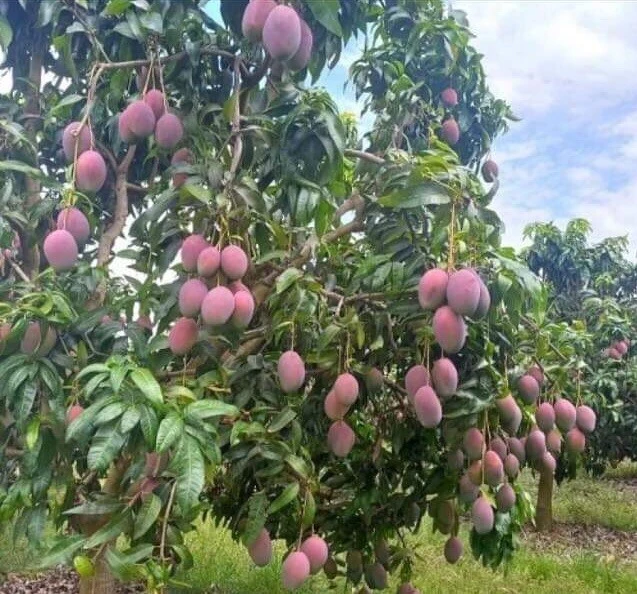
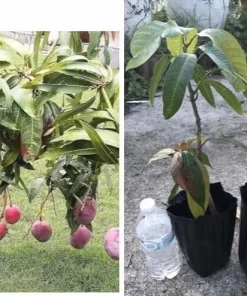
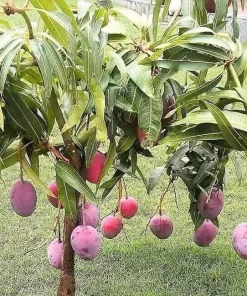
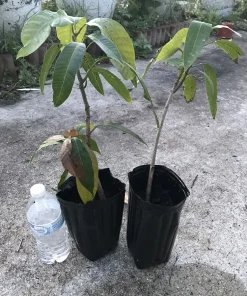
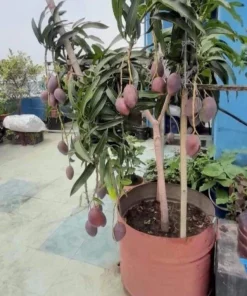
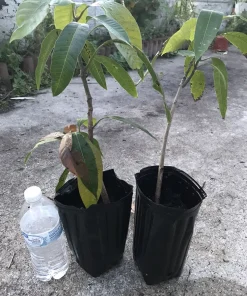
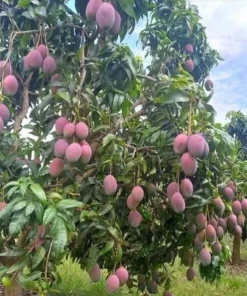
Mango Live Tropical Fruit Tree – Air Layered, 15-25 Inches Tall, Gives Fruit Soon, Indoor/Outdoor
Original price was: $150.99.$130.99Current price is: $130.99.
Cultivate your own tropical harvest with this mango live tropical fruit tree. This 15-25 inch air-layered specimen is designed for fast fruiting and can thrive both indoors and outdoors, bringing exotic flavor to your home.
Estimated arrival
Sep 22
Sep 27 - Sep 29
Oct 02 - Oct 06
Shop With Confidence
30-Day Plant Health Guarantee
Arrives damaged? We’ll replace it free — see our return policy.
Responsive Support
Email us anytime, we reply within 1 business day.
Expert Packaging
Temperature-controlled shipping to protect your plants in transit.
Secure Checkout
Pay safely with Visa, Mastercard, PayPal.
Plant Specifications
-
USDA Hardiness Zone
10-11 -
Soil Type
Peat, well-draining, slightly acidic -
Sunlight Exposure
Full Sun -
Expected Planting Period
Year-round in warm climates; Spring to Summer in others
Overview
Bring the taste of the tropics directly to your home garden with this exquisite mango live tropical fruit tree. This air-layered mango plant, measuring between 15 and 25 inches tall, is specifically cultivated to provide fruits sooner than seed-grown trees. Originating from the Mangifera genus, this evergreen fruit tree is a fantastic addition for both seasoned gardeners and enthusiastic beginners looking to enjoy fresh, homegrown mangoes. Known for its lush foliage and delicious fruit, a mango live tropical fruit tree not only offers a bountiful harvest but also adds a vibrant, exotic touch to your living space or patio. Its adaptability for indoor and outdoor cultivation makes it a versatile choice for various climates and growing conditions.
Our air layered mango tree is a robust and healthy specimen, ready to establish itself in its new environment. Air layering is a horticultural technique that encourages faster maturity and fruit production, meaning you won’t have to wait years to savor your first mango. This method also ensures the plant retains the desirable characteristics of the parent tree, guaranteeing high-quality fruit. Whether you dream of picking ripe mangoes from your backyard or nurturing a tropical gem on your sunny balcony, this plant is an ideal choice to grow mangoes at home with relative ease and speed.
Key Benefits
Investing in a mango live tropical fruit tree offers a multitude of advantages beyond just fresh fruit. These trees are known for their resilience and ability to enhance any garden or indoor setting. Here are some of the key benefits:
- Early Fruit Production: Thanks to the air-layering propagation method, this mango live tropical fruit tree is designed to produce fruit much faster than trees grown from seed, allowing you to enjoy your harvest sooner.
- Exotic Flavor at Your Fingertips: Experience the unparalleled taste of fresh, tree-ripened mangoes, superior to store-bought varieties. Growing your own allows for optimal ripeness and flavor.
- Air Purifying Qualities: Like many plants, the lush foliage of a mango tree contributes to better air quality by absorbing carbon dioxide and releasing oxygen, making your indoor or outdoor space healthier.
- Beautiful Evergreen Foliage: The mango tree boasts attractive, dense evergreen leaves that provide year-round greenery and a tropical aesthetic to your landscape or home.
- Versatile Growing Options: Suitable for both indoor and outdoor cultivation in appropriate climates, offering flexibility for gardeners in various regions. It’s a perfect tropical fruit plant for many settings.
- Fast Growth Rate: This tree exhibits a fast growth rate, quickly developing into a substantial plant that can provide shade and visual appeal in addition to fruit.
- Edible & Healthy Harvest: Mangoes are packed with vitamins, minerals, and antioxidants, offering a healthy and delicious addition to your diet.
Plant Care & Growing Tips
Caring for your mango live tropical fruit tree is a rewarding experience that ensures a healthy plant and abundant fruit. Understanding its specific needs will help it thrive. This tree prefers a warm, sunny environment and consistent care to reach its full potential. While it is a fast growing fruit tree, proper attention to its needs will yield the best results.
Sunlight Requirements: Mango trees are sun-loving plants and require at least 6-8 hours of direct sunlight per day to produce fruit. When grown outdoors, choose a location with full sun exposure. If growing indoors, place your plant near a south-facing window or use supplemental grow lights to ensure it receives adequate light. Insufficient light can hinder fruit production and overall plant health. While it can tolerate some partial shade, optimal fruiting occurs in full sun.
Watering Schedule and Soil Moisture: Water your mango tree regularly, especially during dry periods and when the plant is actively growing or fruiting. The goal is to keep the soil consistently moist but not waterlogged. Allow the top 1-2 inches of soil to dry out between waterings. Overwatering can lead to root rot, so ensure good drainage. Reduce watering slightly during cooler, dormant periods. A drip irrigation system can be beneficial for outdoor trees.
Soil Type and Drainage: Mango trees prefer well-draining, slightly acidic soil with a pH between 6.0 and 7.0. A good quality potting mix amended with peat moss or compost works well for container-grown plants. For outdoor planting, ensure the soil is not heavy clay, which can retain too much moisture. Amending heavy soils with organic matter and sand can improve drainage. This is crucial for a healthy tropical fruit plant.
Temperature Range and USDA Hardiness Zone: This mango live tropical fruit tree thrives in tropical and subtropical climates. It is hardy in USDA Zones 10-11, meaning it can tolerate temperatures down to 30-40°F but is not frost-tolerant. If you live in a colder zone, you must bring the tree indoors during winter months or protect it from freezing temperatures. Consistent warm temperatures are ideal for growth and fruiting. Protecting young trees from cold snaps is especially important.
Fertilization Schedule: Feed your mango tree with a balanced fertilizer specifically formulated for fruit trees, or one with a slightly higher phosphorus and potassium content, during its growing season (spring and summer). Follow the manufacturer’s instructions for application rates. Young trees benefit from more frequent, lighter feedings, while mature trees can be fertilized less often. Avoid fertilizing during the dormant period.
Common Problems and Solutions: Watch out for common pests like aphids, mealybugs, and scale insects. Treat with insecticidal soap or neem oil as needed. Fungal issues like powdery mildew can occur in humid conditions; ensure good air circulation and treat with fungicides if necessary. Proper watering and air circulation are key to preventing most problems. Regularly inspect your air layered mango tree for any signs of distress.
Size & Details
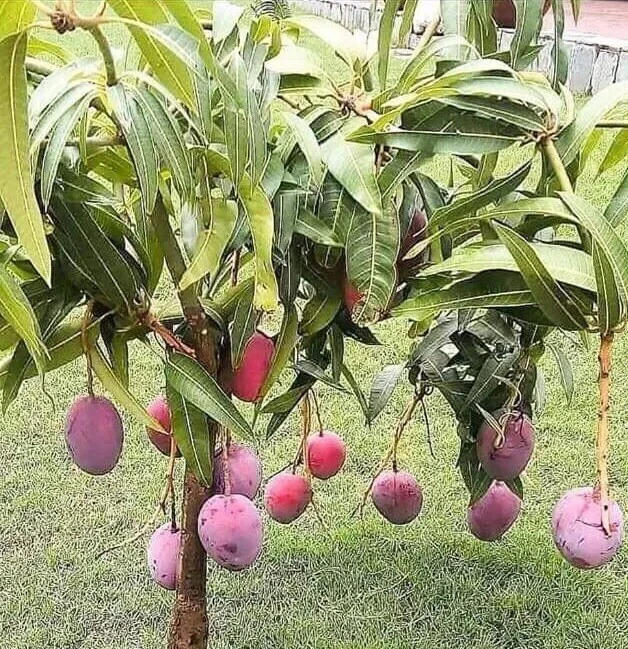
This offering is for one mango live tropical fruit tree, air-layered for optimal growth and early fruiting. The plant will arrive as a bare root specimen, ready for immediate planting. Each tree measures approximately 15 to 25 inches in height, providing a substantial starter plant that is already well on its way to maturity. This size is ideal for establishing quickly in your garden or a large container. The air-layering process contributes to its rapid development, allowing you to grow mangoes at home with a quicker turnaround time from planting to harvest.
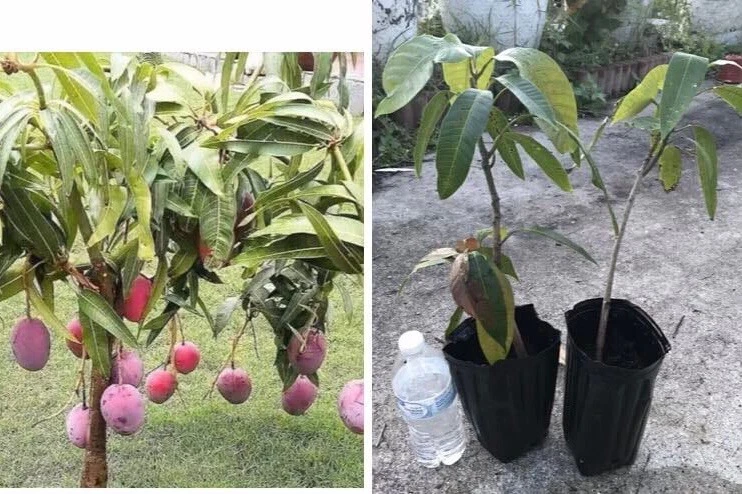
Upon arrival, the plant will be in a flowering growth stage, indicating its readiness to produce fruit. It features evergreen foliage, ensuring year-round beauty. The tree is designed for a fast growth rate, meaning it will quickly establish itself and begin to fill out. Expect your tropical fruit plant to start bearing fruit within a relatively short period, often within 1-2 years under ideal conditions. The mature fruit will display vibrant colors, including purple, red, and yellow hues, signaling its ripeness and deliciousness.
Frequently Asked Questions
- Q: How big does this mango live tropical fruit tree get? A: While this air-layered plant arrives at 15-25 inches, a mature mango tree can grow quite large, typically reaching 30-60 feet tall in ideal outdoor conditions. For container growing, regular pruning can keep it to a more manageable size of 6-10 feet.
- Q: Is this an indoor or outdoor plant? A: This mango live tropical fruit tree is versatile. It can be grown outdoors in USDA Zones 10-11 where temperatures remain above freezing. In colder climates, it thrives as an indoor plant or can be moved indoors during winter months.
- Q: How much sunlight does this tropical fruit plant need? A: Mango trees require a minimum of 6-8 hours of direct sunlight daily for optimal growth and fruit production. Provide full sun exposure outdoors or a very bright, south-facing window indoors.
- Q: Is this plant easy to care for? A: With proper sunlight, watering, and soil conditions, caring for this air layered mango tree is moderately easy. It’s suitable for gardeners of most experience levels, especially those keen to learn about tropical fruit cultivation.
- Q: What condition will the mango live tropical fruit tree arrive in? A: Your mango tree will arrive as a healthy bare root plant, carefully packaged to ensure its safety during transit. It will be in a flowering growth stage, indicating its readiness to grow and produce.
- Q: How long until it starts producing fruit? A: Because this is an air-layered plant, it is designed for earlier fruiting. Under good care and ideal conditions, you can expect to see fruit production within 1-2 years after planting. This makes it a great choice to grow mangoes at home quickly.
- Q: What’s the best soil type for this fast growing fruit tree? A: A well-draining, slightly acidic soil mix is ideal. For container plants, use a high-quality potting mix with added perlite or peat moss for drainage. For outdoor planting, amend heavy clay soils with organic matter.
- Q: Can I use this mango in cooking right away? A: Once your tropical fruit plant begins to produce ripe fruit, you can enjoy it fresh or use it in a variety of culinary applications, from smoothies and desserts to savory dishes.
- Q: Will it survive winter in my zone? A: This mango tree is suited for USDA Zones 10-11. If you are in a colder zone, it is crucial to protect the plant from frost by bringing it indoors or providing adequate winter protection.
- Q: What is the best way to ensure a good harvest from my air layered mango tree? A: Consistent care, including ample sunlight, regular watering, proper fertilization during the growing season, and protection from extreme cold, will significantly increase your chances of a successful and bountiful harvest.
Be the first to review “Mango Live Tropical Fruit Tree – Air Layered, 15-25 Inches Tall, Gives Fruit Soon, Indoor/Outdoor”
People Also Viewed
Vegetable Seeds
Magnum Orange Habanero Pepper Seeds – 20 Count – High Yield, Hot
Flower Seeds
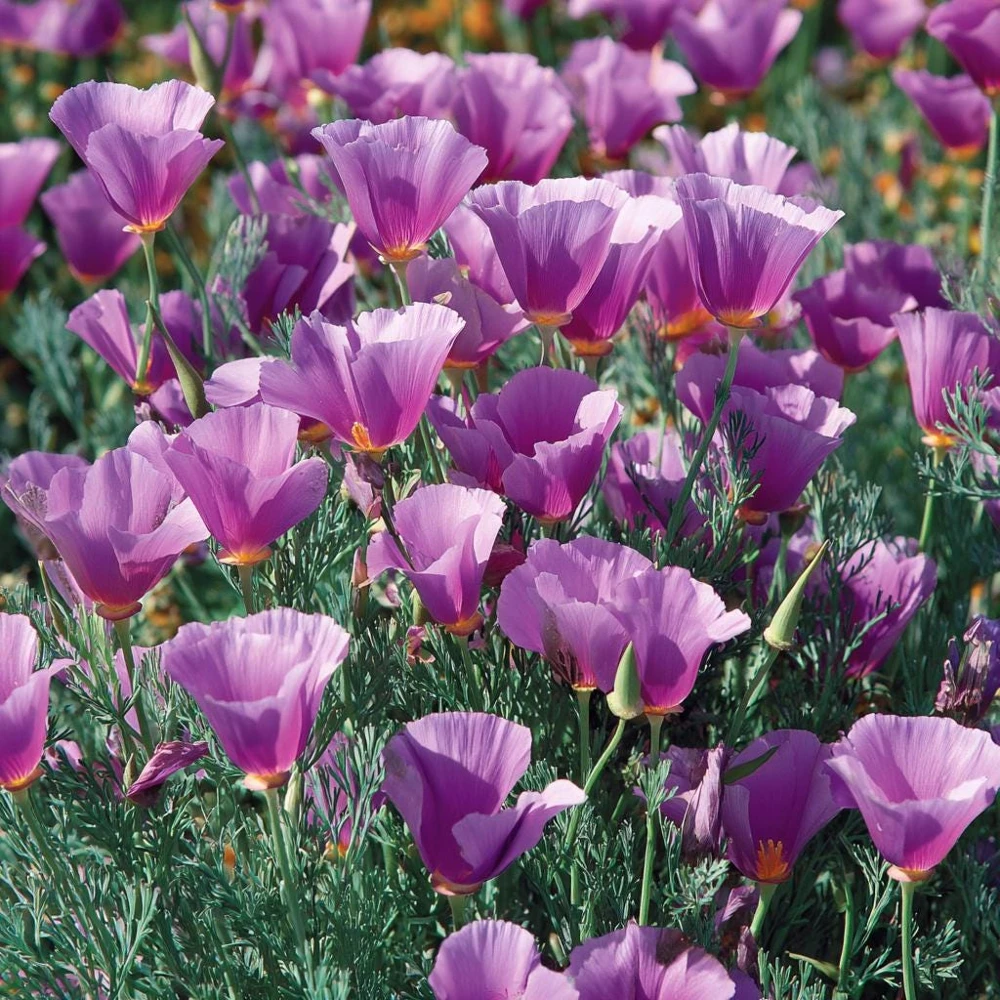
Purple Gleam California Poppy Seeds – 250 Wildflower Seeds, Easy-to-Grow, Drought Tolerant
Vegetables
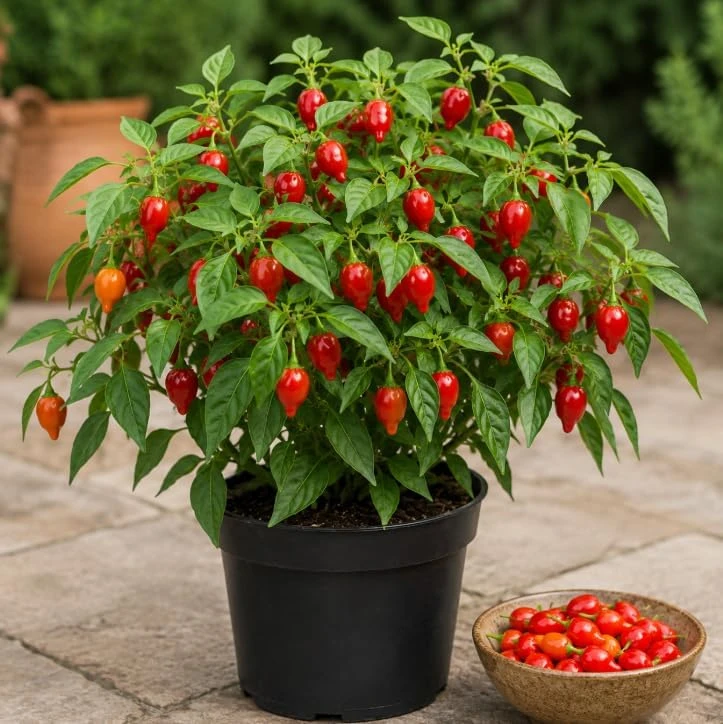
Red Biquinho Pepper Live Plant – 2 Chili Seedlings, 3-6 Inch Tall, for Garden & Container
Houseplants
Reviews
There are no reviews yet.