
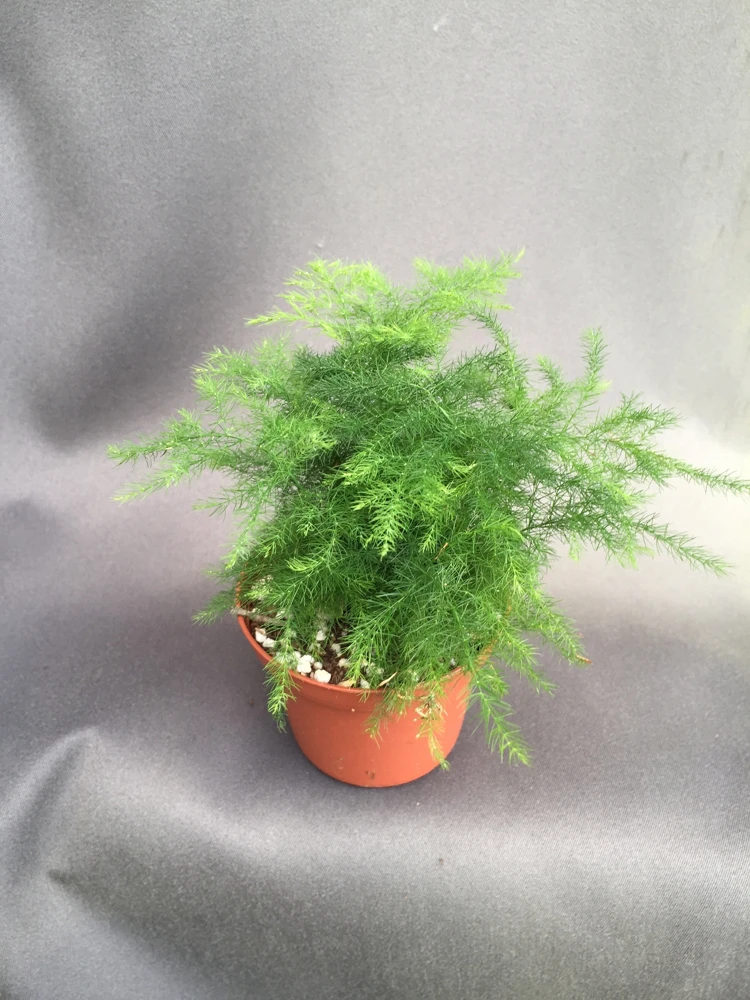
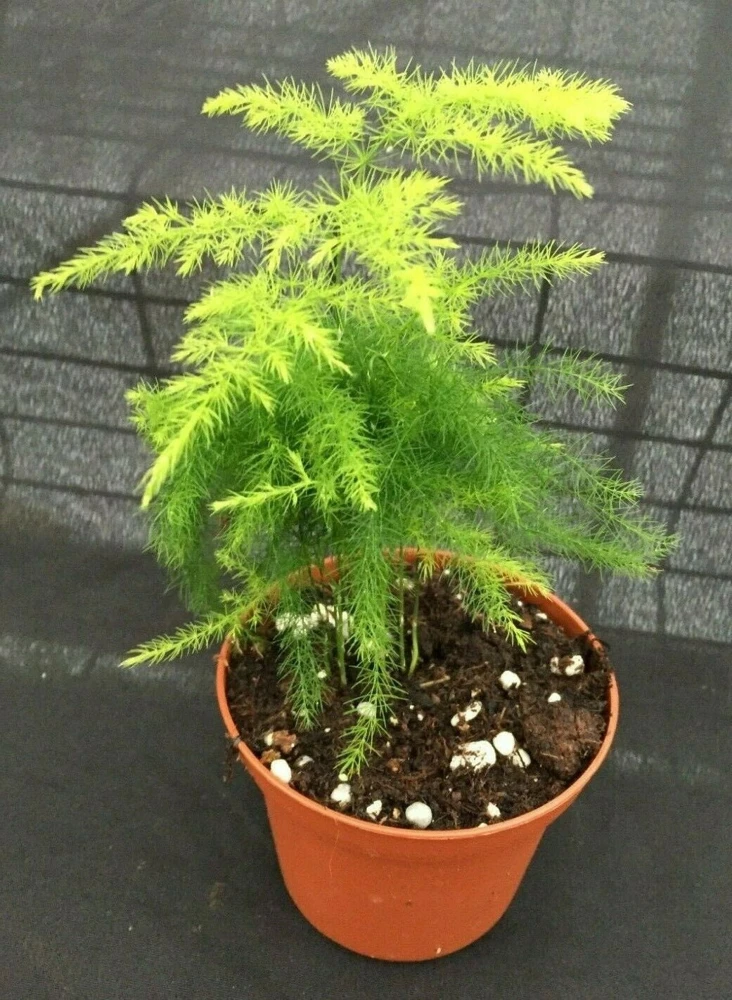
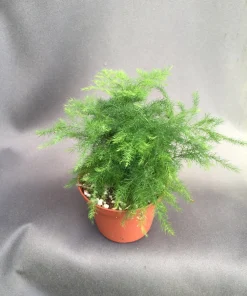
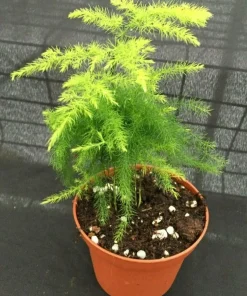
Plumosus Fern Live Plant – Asparagus setaceus – Rooted in 3 inch Pot – Indoor/Outdoor
Original price was: $48.99.$28.99Current price is: $28.99.
Bring classic elegance to your home with a Plumosus Fern live plant. This beautiful Asparagus Fern, also known as the Grandma Fern, is shipped rooted in a 3-inch pot, ready to thrive. Ideal as an indoor fern plant or for adding delicate greenery to floral arrangements. Its fine, feathery fronds offer unique texture and charm.
Estimated arrival
Sep 22
Sep 27 - Sep 29
Oct 02 - Oct 06
Shop With Confidence
30-Day Plant Health Guarantee
Arrives damaged? We’ll replace it free — see our return policy.
Responsive Support
Email us anytime, we reply within 1 business day.
Expert Packaging
Temperature-controlled shipping to protect your plants in transit.
Secure Checkout
Pay safely with Visa, Mastercard, PayPal.
Plant Specifications
-
USDA Hardiness Zone
USDA zones 9–11 (if outdoor), typically grown indoors -
Soil Type
Well-draining potting mix -
Sunlight Exposure
Bright indirect light -
Expected Planting Period
Year-round indoors
Overview
Introduce timeless beauty into your space with the exquisite Plumosus Fern live plant. Also known as Asparagus Fern or by its botanical name, Asparagus setaceus, and affectionately called the Grandma Fern, this delicate and graceful plant is a true classic. Its flat fronds adorned with tiny, needle-like leaflets create a soft, airy texture that adds an elegant touch to any indoor setting or floral design. Historically a staple in corsages and bouquets, the Plumosus Fern live plant continues to be cherished for its ornamental value and versatility. Whether you’re a seasoned plant enthusiast or a beginner, this easy-to-grow fern is a wonderful addition, bringing a touch of vintage charm and lush greenery to your home. Shipped rooted in a 3-inch pot, it arrives ready to be integrated into your plant collection.
The Asparagus setaceus is not a true fern but a member of the lily family, though its fern-like appearance has earned it its common name. Its vigorous growth and delicate foliage make it a popular choice for hanging baskets, terrariums, or as an underplanting in larger containers. The unique structure of its fronds provides an excellent contrast to broader-leafed plants, enhancing visual interest in any arrangement. This resilient plant is known for its ability to adapt to various indoor conditions, making it a reliable and rewarding choice for plant lovers. Embrace the nostalgic beauty and easy care of this charming indoor fern plant.
Key Benefits
The Plumosus Fern live plant offers a multitude of benefits, making it a highly desirable addition to any plant collection. Its elegant appearance and ease of care contribute to a more beautiful and calming environment.
- Aesthetic Appeal: The delicate, lacy fronds of the Asparagus Fern add a sophisticated and airy texture to any room. It’s perfect for creating a soft, natural look and can complement both modern and traditional decor styles, enhancing the overall ambiance of your home.
- Versatile Decor: This plant is incredibly adaptable for various decorative uses. Beyond being a standalone potted plant, its unique foliage is highly prized for floral arrangements, terrariums, and even as a trailing plant in hanging baskets, offering endless creative possibilities.
- Easy to Grow: Known for its resilience, the Plumosus Fern live plant is relatively low-maintenance, making it an excellent choice for both novice and experienced plant parents. It tolerates a range of conditions, forgiving occasional lapses in care.
- Air Purification: Like many houseplants, the Asparagus setaceus contributes to a healthier indoor environment by helping to filter airborne toxins, promoting cleaner and fresher air in your living space.
- Unique Texture: The fine, feathery foliage of the Grandma Fern provides a distinctive texture that can break up the monotony of broader-leafed plants, adding depth and interest to your indoor plant displays.
- Pet-Friendly Foliage (with caution): While some Asparagus species can be mildly toxic if ingested, the Plumosus Fern is generally considered less of a concern than other varieties. However, it’s always best to keep plants out of reach of curious pets.
- Historical Charm: Owning a Plumosus Fern live plant connects you to a piece of horticultural history, as this plant was a beloved element in classic floral designs, evoking a sense of nostalgia and timeless elegance.
Plant Care & Growing Tips
Caring for your Plumosus Fern live plant is straightforward, ensuring it remains a vibrant and elegant addition to your home. This plant thrives with consistent care but is also quite forgiving, making it a joy to grow. Understanding its basic needs will help you maintain its lush, feathery appearance.
When it comes to sunlight, the Asparagus Fern prefers bright, indirect light. Avoid direct, harsh sunlight, especially during the hottest parts of the day, as this can scorch its delicate fronds and cause them to yellow. An east- or north-facing window is often ideal, or a spot a few feet away from a south- or west-facing window. If the plant isn’t getting enough light, its growth may become leggy. For watering, keep the soil consistently moist but never waterlogged. Allow the top inch of soil to dry out slightly between waterings. Overwatering can lead to root rot, while prolonged dryness can cause the fronds to brown and drop. During winter months, reduce watering frequency as the plant’s growth slows. The ideal humidity for an Asparagus setaceus is moderate to high; consider misting regularly or placing it near a humidifier, especially in dry indoor environments.
The best soil for your Grandma Fern is a well-draining potting mix that retains some moisture. A standard houseplant mix amended with perlite or orchid bark can provide the aeration and drainage it needs. Fertilize your indoor fern plant every 2-4 weeks during the growing season (spring and summer) with a balanced liquid fertilizer diluted to half strength. Reduce or stop fertilization during fall and winter. The Plumosus Fern live plant prefers average room temperatures between 65-75°F (18-24°C) and can tolerate slightly cooler temperatures but should be protected from drafts. This plant is generally suitable for USDA zones 9-11 if grown outdoors, but it is primarily cultivated as an indoor plant in most regions. Pruning can be done to remove any yellowing or browning fronds to maintain its neat appearance and encourage new growth. Watch out for common pests like spider mites, especially in dry conditions; regular misting can help deter them.
Size & Details
Your Plumosus Fern live plant will arrive as a healthy, well-rooted specimen, carefully shipped in a 3-inch nursery pot. This size provides a robust start for your new plant, allowing it to establish quickly in its new environment. The plant’s overall height and spread will vary slightly upon arrival but are typically well-suited for immediate display or repotting. The Asparagus Fern is a moderate grower and can reach heights of 1 to 3 feet with a similar spread when mature, especially if allowed to trail. Its delicate fronds can extend gracefully, creating a cascading effect.
While the initial size in a 3-inch pot makes it perfect for desk display or small spaces, this Asparagus setaceus will gradually grow larger, potentially requiring repotting into a 4-6 inch pot as it matures. The fine, feathery foliage is a consistent feature across all growth stages. Expect to enjoy the lush greenery and elegant form of your Grandma Fern for many years with proper care. This particular indoor fern plant is ideal for those seeking a plant that offers both delicate beauty and manageable growth.
Frequently Asked Questions
- Q: How big does this Plumosus Fern live plant get? A: When mature, the Plumosus Fern can reach a height and spread of 1 to 3 feet. It can be kept smaller with regular pruning or allowed to trail gracefully in a hanging basket.
- Q: What size pot does the Asparagus Fern come in? A: This plant is shipped as a well-rooted specimen in a 3-inch nursery pot, providing a strong foundation for its continued growth in your home.
- Q: Is this an indoor or outdoor plant? A: While it can be grown outdoors in USDA Zones 9-11, the Asparagus setaceus is primarily cultivated as a beautiful and resilient indoor houseplant in most climates, thriving in bright, indirect light.
- Q: How much sunlight does the Grandma Fern need? A: It prefers bright, indirect light. Avoid direct sunlight, which can scorch its delicate fronds. A location near an east or north-facing window is often ideal.
- Q: Is this indoor fern plant easy to care for? A: Yes, the Plumosus Fern is considered relatively easy to care for, making it suitable for both beginners and experienced plant enthusiasts. It’s quite forgiving of minor care inconsistencies.
- Q: What condition will the plant arrive in? A: Your plant will arrive healthy and well-rooted in its 3-inch nursery pot, carefully packaged to ensure it reaches you in excellent condition, ready to thrive.
- Q: Can I use the Plumosus Fern in floral arrangements? A: Absolutely! Its delicate, lacy fronds have historically been a popular choice for adding elegant greenery to corsages, bouquets, and other floral designs due to their unique texture.
- Q: Is the Asparagus Fern pet-safe? A: While generally considered less toxic than some other Asparagus species, it’s always best to keep all houseplants out of reach of curious pets to prevent any potential mild irritation if ingested.
- Q: How often should I water my Asparagus setaceus? A: Keep the soil consistently moist but not waterlogged. Allow the top inch of soil to dry out slightly between waterings, reducing frequency in winter.
- Q: What type of soil is best for this Grandma Fern? A: A well-draining potting mix that retains some moisture is ideal. You can use a standard houseplant mix, possibly amended with perlite for better drainage.
Be the first to review “Plumosus Fern Live Plant – Asparagus setaceus – Rooted in 3 inch Pot – Indoor/Outdoor”
People Also Viewed
Vegetable Seeds
Reviews
There are no reviews yet.